

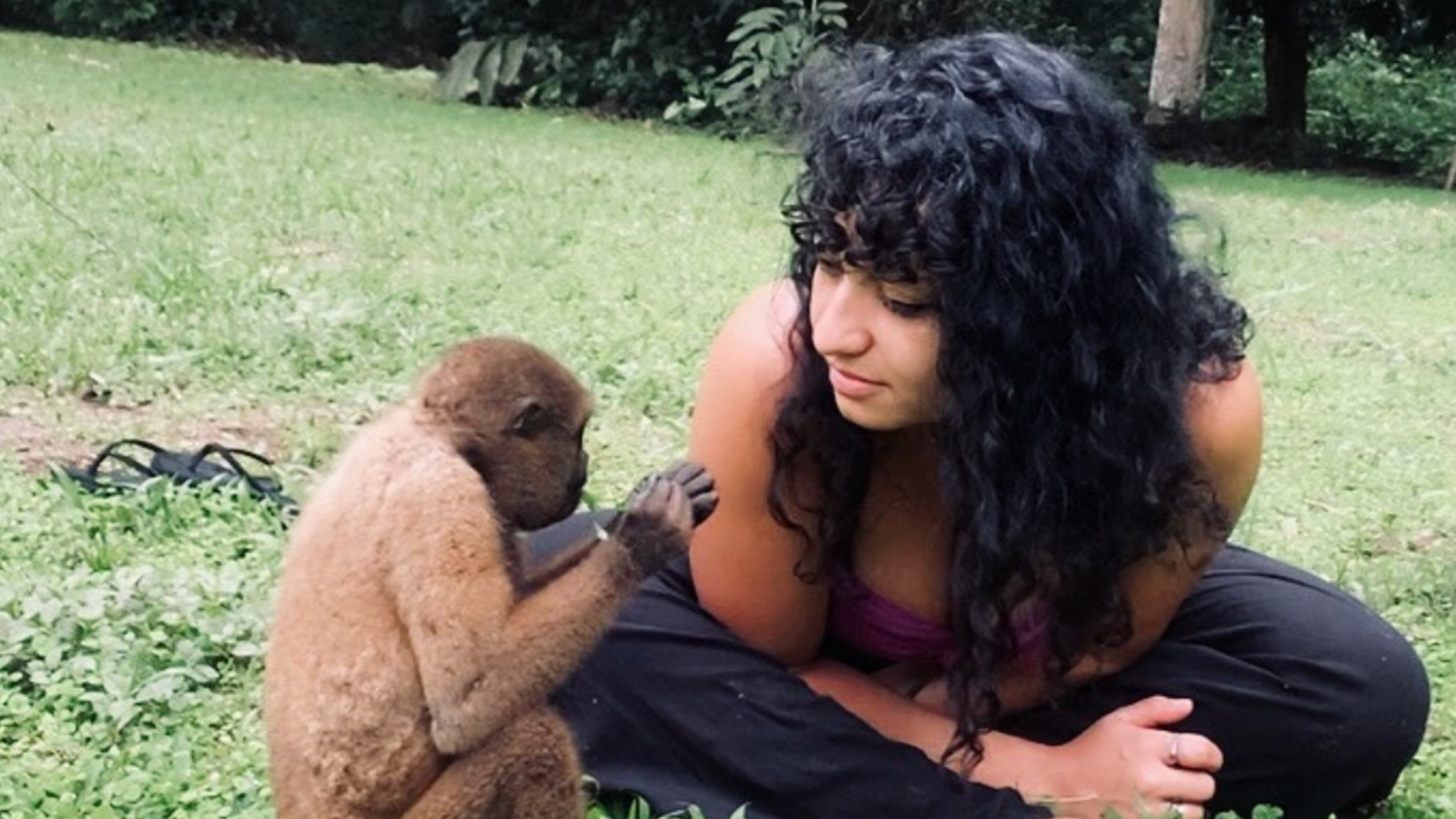
Life as a wildlife vet nurse in the Amazon rainforest
Living as a wildlife vet nurse is a dream for many animal lovers, but few understand the complexities and challenges involved in this rewarding career.
Joey Solimine has dedicated her life to rescuing and rehabilitating wildlife in central and south America, particularly in the Amazon region. Through her experiences, Joey sheds light on the unique joys and challenges faced by wildlife veterinarians and conservationists.
Joey now works in wildlife rehabilitation and veterinary medicine, and is the founder of the non-profit organisation, Jungle Rescue Reform in the Amazon rainforest. Joey shares her insights about working in wildlife conservation as a vet nurse, travelling to work on overseas sanctuaries and her tips for pursuing your passion for wildlife as paid work.
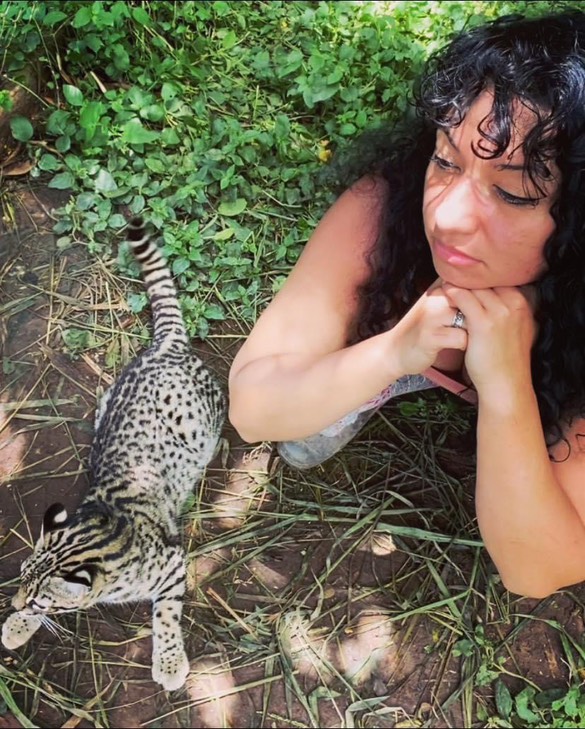
In the Bolivian Amazon Joey helps provide enrichment for Simba the rescued Geoffroy’s Cat, a wild feline species of the jungle who, unfortunately, can never be released.
Joey’s story
Joey’s journey towards making a positive impact for wildlife conservation worldwide began when she was very young with a deep passion for animals. This quickly led to a career in veterinary medicine, and since 2016, Joey has travelled extensively between the United States and Central/South America, focusing on the treatment and rehabilitation of wildlife victims of illegal trafficking.
Her work doesn’t just involve medical care, but also research on primate rehabilitation and animal behaviour. She shares:
“I’ve been going back and forth to the jungle since 2016, and it has become second nature for me,”
This seamless transition from home to the wilderness showcases the blend of adventure and commitment that defines a wildlife veterinary nurse’s life. Life as a wildlife vet nurse is far from simple, but Joey’s journey demonstrates that the rewards are immense.
And for Joey, this isn’t just a career; it’s a lifelong commitment to making a difference in the lives of animals.
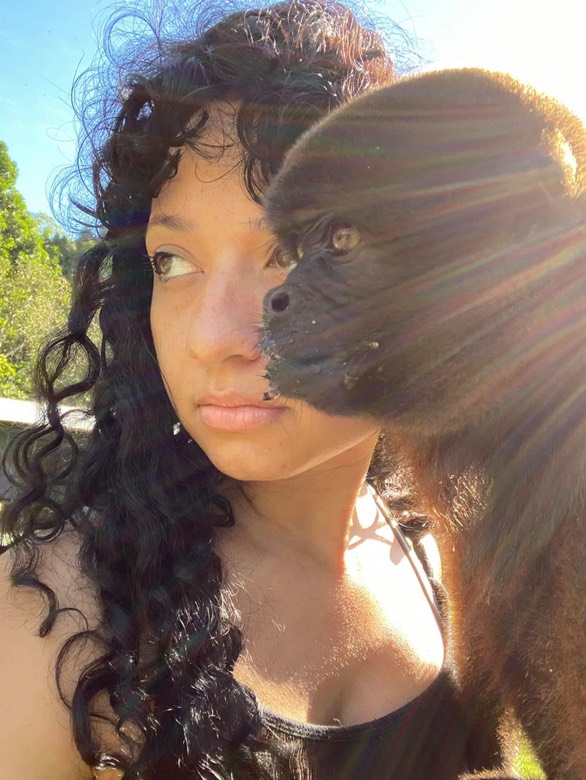
Along the Amazon river in the Peruvian jungle, Joey has helped care for and rehabilitate more than a hundred individual new world primates. Here, she and a free-range rescued Woolly Monkey soak up the morning sun on an isolated wildlife reserve.
Wildlife rehabilitation
The importance of emotional and intellectual understanding
One of Joey’s core beliefs is the need for a balance between empathy and science in wildlife rehabilitation. She emphasises that animals, especially primates, have complex emotional and social needs. She explains:
“You can provide all the nutrition and medical care, but if you overlook their emotional needs, rehabilitation efforts may fail.”
Her experience in the Amazon has revealed that many sanctuaries rely on outdated or controversial practices. Joey advocates for a holistic approach, combining scientific knowledge with emotional intelligence. This mindset not only enhances the rehabilitation process but also ensures the animals are prepared for successful reintroduction into the wild.
Navigating controversies in primate rehabilitation
Working with primates presents unique challenges, as they are highly sought after in illegal wildlife trade and often subjected to traumatic experiences. Joey has witnessed the emotional scars these animals bear, leading her to focus her efforts on understanding their needs better. She explains:
“The conflict in rehabilitating primates is not just about medical care; it’s about addressing their emotional trauma and preparing them for life in the wild.”
Joey’s experiences in Peru, where she worked closely with traumatised primates, transformed her perspective and solidified her commitment to this cause.
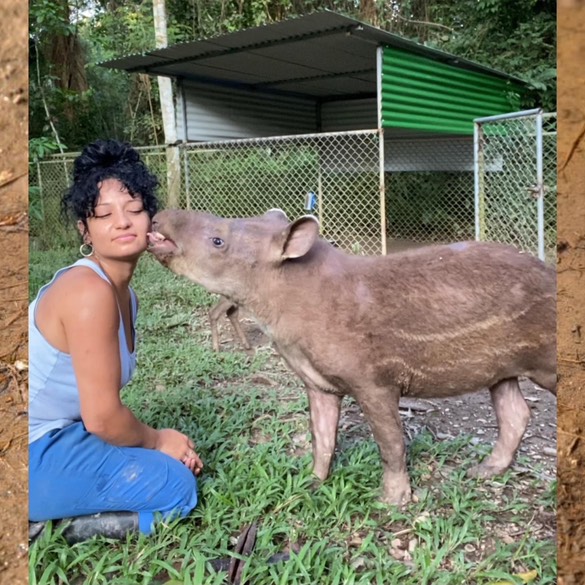
Joey, a Veterinary Nurse and wildlife conservationist spends quality time with one of the many rescued animals she’s helped care for, a Tapir named Ellie who has since been released back into the wild.
Tips for aspiring wildlife veterinary nurses
If you’re considering a career in veterinary medicine, Joey advises gaining a variety of experiences as your first step before committing to completing your studies.
Volunteer at different types of clinics, animal shelters, and wildlife sanctuaries to find what resonates with you. Internships are a great way to build practical experience. Joey also advises preparing yourself for the emotional and financial challenges ahead.
Once you’ve confirmed your passion for wildlife aligns with a career in veterinary medicine and/or wildlife rehabilitation, Joey offers several key pieces of advice:
- Embrace diverse experiences: Exposure to various fields within animal care – like shelter medicine, conservation, and field research – can enrich your understanding and approach.
- Learn from local experts: While formal education is essential, local knowledge is invaluable. People who have spent decades working with wildlife often possess practical insights that aren’t covered in textbooks.
- Maintain an open mind: The scientific community is always evolving. Being adaptable and willing to learn from your experiences can significantly enhance your effectiveness as a wildlife vet nurse.
- Balance empathy with objectivity: While emotional connections with animals are crucial, maintaining a scientific approach ensures that rehabilitation efforts are grounded in best practices.
- Grow a tough skin: The veterinary field can be emotionally taxing, with high levels of stress and burnout. Joey emphasises the need for resilience and awareness of mental health. Surround yourself with supportive colleagues and don’t hesitate to seek help when needed.
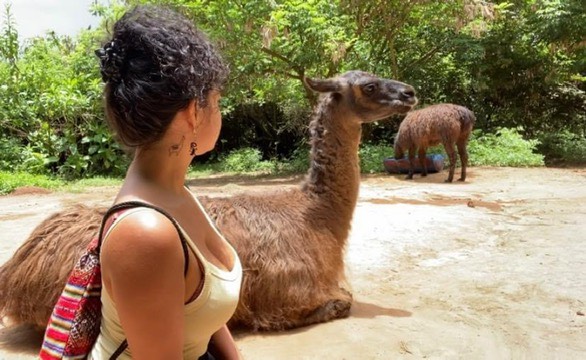
Joey sits beside one of the several llamas she’s looked after in Bolivia as the animal poses in a way that imitates her first tattoo, (which she got in Bolivia;) a symbol of her long-standing relationship with Latin America and its animals.
Tips for finding opportunities in wildlife rehabilitation
If you’re looking for opportunities to build your own experience in wildlife veterinary clinics and rehabilitation centres, here are some of Joey’s pointers to start you off:

Do your research
Joey emphasises the importance of thorough research before diving into wildlife rehabilitation, especially in foreign countries. When she first planned to volunteer in Thailand, she discovered troubling practices at an elephant sanctuary that made her reconsider. Instead, she found her calling in Costa Rica, where she fell in love with neotropical rainforests.
Hot tip: Use social media and online forums to connect with others who have volunteered in potential sanctuaries. Search hashtags related to your interests, and reach out for firsthand experiences.
Watch out for these red flags
Not every wildlife sanctuary is what it seems. Joey warns against popular sanctuaries that focus more on tourism than animal care. Instead, she suggests looking for facilities that prioritise animal rehabilitation and have a clear release protocol. If a sanctuary encourages tourist interactions like petting or riding, that’s a significant red flag! Other red flags include:
- Lack of veterinary care on-site.
- No plans for animal release.
- Overemphasis on tourist interactions.
Sustaining your passion and avoiding burnout
Balancing passion with practicality
Working in wildlife rehabilitation can often be underfunded and underappreciated. Joey candidly discusses the challenges of financial sustainability in this field. For her, veterinary medicine is not just a job; it’s the backbone of her lifestyle, providing the financial means to pursue her passion for wildlife conservation.
Key takeaway: Build a strong resume in veterinary medicine. The more skilled and experienced you are, the better your chances of securing well-paying positions that can fund your conservation efforts.
Embrace creativity
Joey highlights the need for creativity in generating income within the wildlife sector. While veterinary work is her primary source of income, she encourages others to explore freelance opportunities, social media, and online content creation to supplement their earnings.
Suggestion: Look for writing, consulting, or educational opportunities related to animal care or conservation.
Conclusion
Joey’s journey as a wildlife vet is a testament to the power of passion, research, dedication and resilience. Whether you’re just starting or looking to make a change in your career, remember that every step counts.
The world of wildlife conservation needs dedicated individuals who are willing to explore, learn, and advocate for those creatures who cannot speak for themselves.
Keep in touch
Want to hear more from Joey? Follow her adventures on Instagram @joey.of.the.jungle. You can also find out more about her non-profit organization, Jungle Rescue Reform.
Author Profile | Susie Stockwell

Susie with a Purple-crowned Lorikeet, during work as a bird bander.
Susie Stockwell (she/her) is a field ecologist, science communicator and creator of the blog and podcast, #itsawildlife, a platform to support people on their journey to work their dream job in wildlife science or conservation. Based on beautiful Menang country on the south coast of Western Australia, Susie is passionate about finding novel solutions for wildlife conservation and opening up the space to promote engagement and involvement for everyone interested in pursuing this career.