
We are all conservationists: Finding inspiration on Paarl Mountain with Lindsay Lewis
South Africa’s Paarl Mountain Nature Reserve is full of inspiration, from the diversity of the fynbos ecosystem, to the wild bird calls, to the dramatic views of the surrounding community.
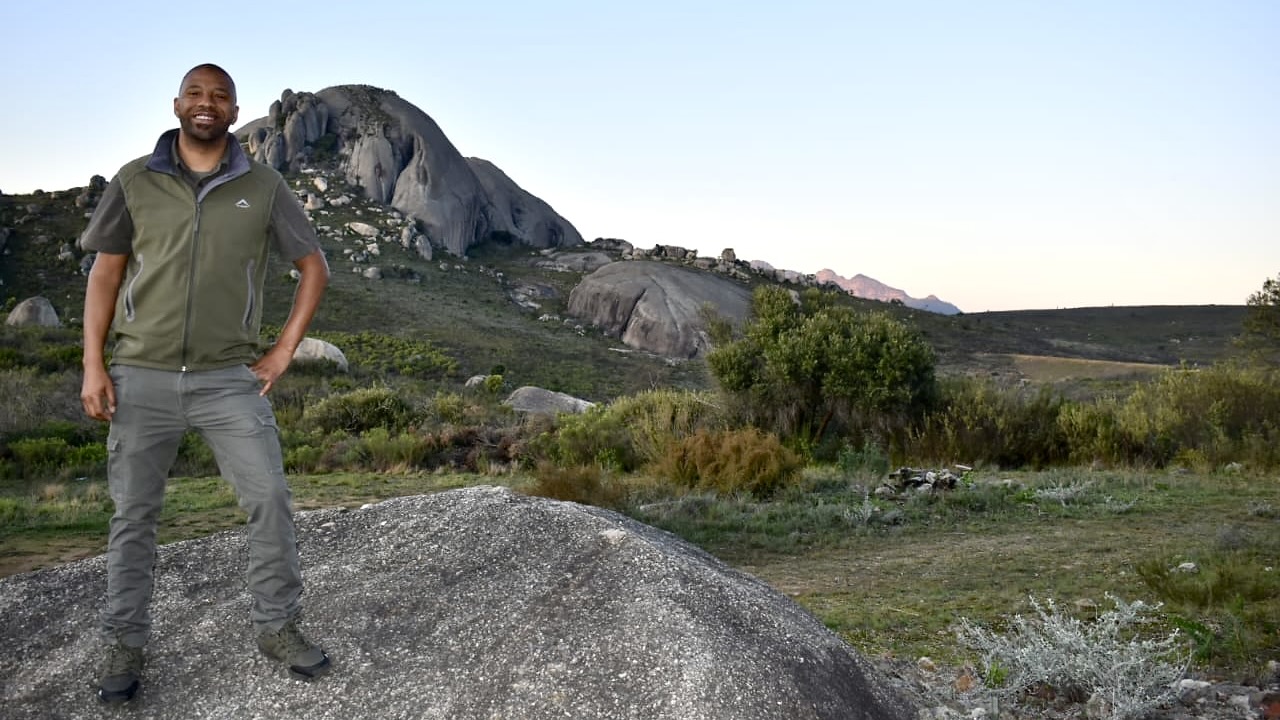
As Drakenstein Municipality’s nature conservationist stationed at Paarl Mountain, Lindsay Lewis deeply understands the importance of preserving these natural spaces. He is also passionate about making conservation inclusive.
Using your voice: Building inclusivity in conservation
Lindsay was drawn to conservation from a young age, especially after watching the 50/50 television programme and participating in Scouts projects. However, in post-apartheid South Africa, people of colour were underrepresented in the field. This meant that he was going to have to create his own path:
“I wanted to be outdoors, working directly with nature. But entering the field wasn’t easy. At the time in this country, opportunities for people of colour to access nature reserves were extremely limited. Determined to break through, I began volunteering at my local reserve, which gave me a real feel for the work and confirmed my passion for the field.”
He gradually gained experience, which landed him a conservation student position at Paarl Mountain Nature Reserve. He then went on to work for SANParks, CapeNature, Agulhas National Park, and eventually returned to Paarl Mountain. He also holds his Advanced Diploma in Nature Conservation, and is nearing completion of his BSc Honours in Environmental Management (University of South Africa, UNISA).
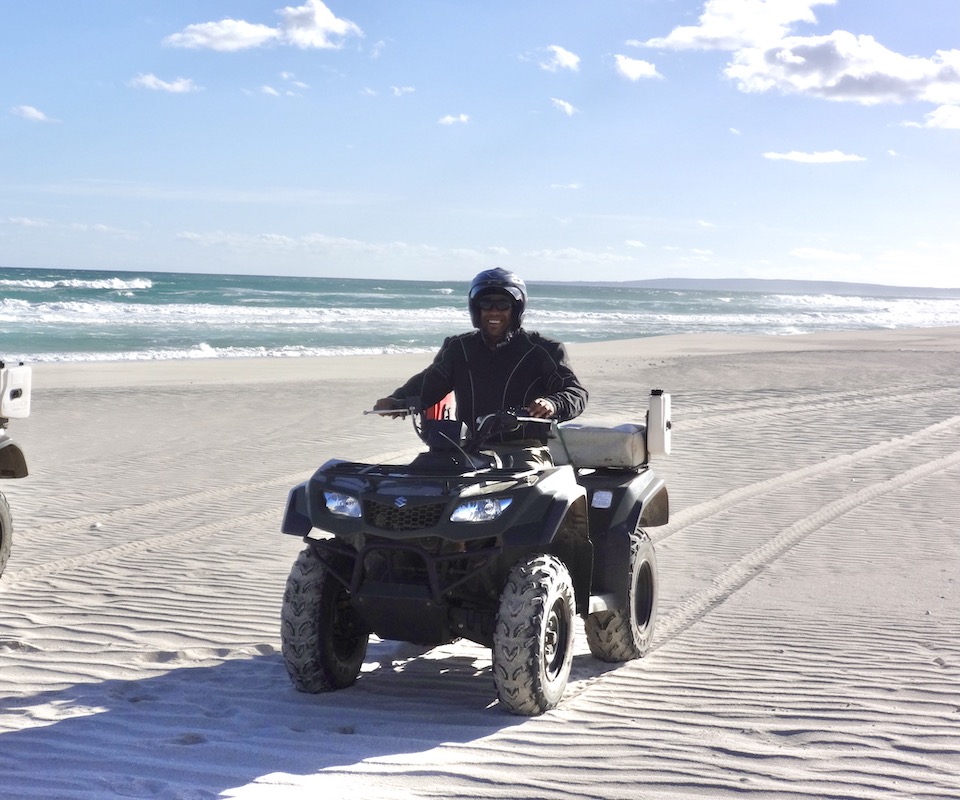
Lindsay conducting Coastal Patrols at De Hoop Nature Reserve while working as a CapeNature Marine Ranger in 2015.
Through these efforts, Lindsay became the representation that was missing when he was younger. He has an encouraging message for anyone who is feeling unseen or underrepresented:
“Remember that representation matters. If you come from a background that’s been historically excluded from conservation spaces, your presence and perspective are powerful. Use your voice, and help create more inclusive, community-rooted conservation practices.”
Up on Paarl Mountain: The many hats of a conservationist
Lindsay’s perspective on being a conservationist is motivating and realistic:
“Be prepared to work hard and wear many hats, face threats at night, towering flames from fires, and work with dangerous animals. Conservation is not just about being in nature – it’s about problem-solving, people management, compliance, logistics and continuous learning. You’ll need to be adaptable, just like the ecosystems we protect.”
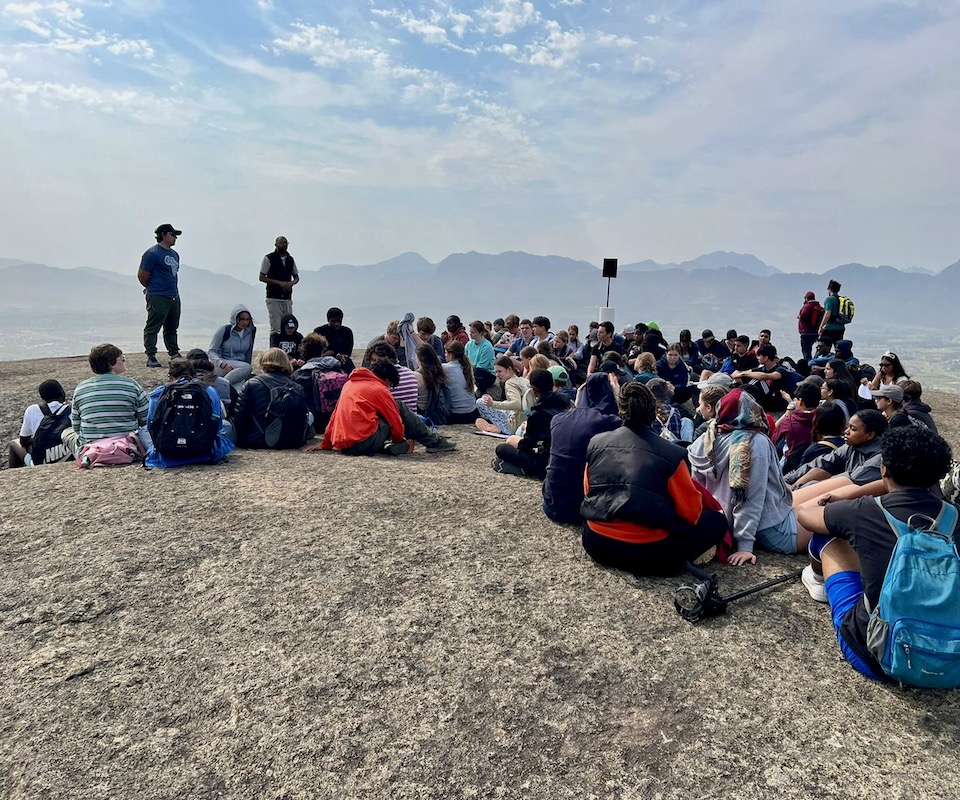
Lindsay teaching an outdoor classroom on Paarl Rock in 2022.
As the lead nature conservationist of Paarl Mountain Nature Reserve, just some of Lindsay’s responsibilities include:
- Managing budgets, staff, and fire projects
- Collaborating with local farmers and environmental and conservation stakeholders
- Maintaining tourism facilities (e.g., public sites, trails, events spaces)
- Monitoring wild animals
- Addressing illegal activities alongside law enforcement (e.g., harvesting, poaching, occupation)
- Removing invasive plant and animal species
- Educating local students and groups
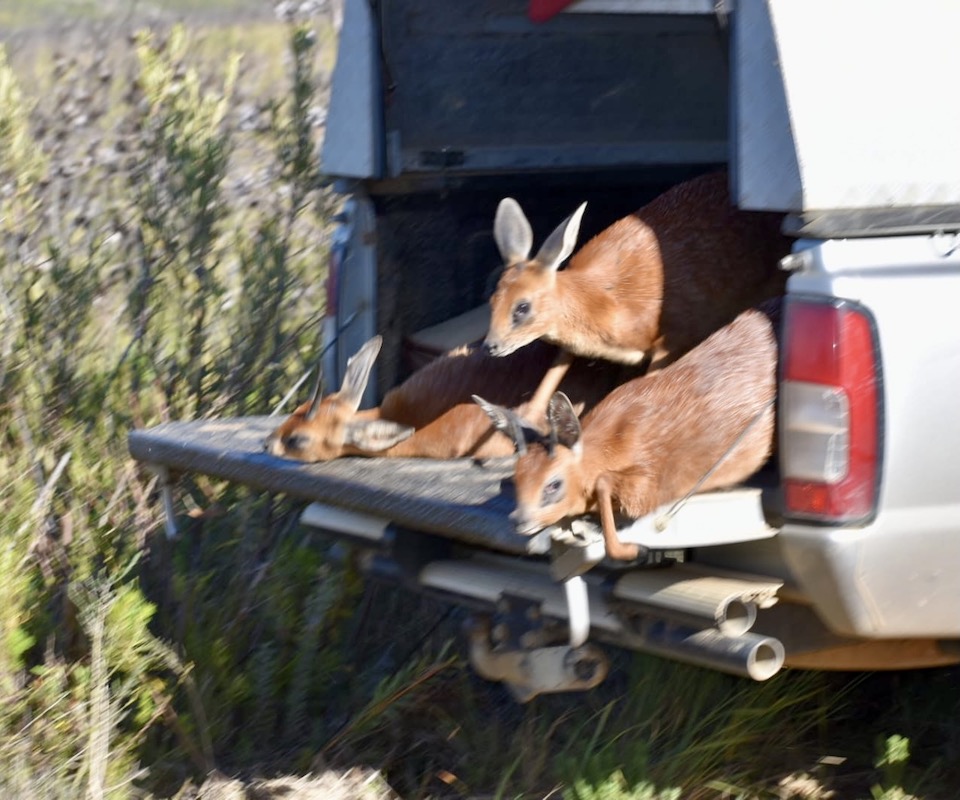
These Cape grysbok were pushed out of their original habitat due to development. They were humanely tranquillised and transferred to Paarl Mountain for release under Lindsay’s direction in 2022. He still sees them on the reserve’s camera traps.
Some specific projects that Lindsay works on are the Green Ranger initiative and snare patrol programmes:
- Green Ranger Initiative: This public safety programme helps unemployed young adults step into the conservation world. As contracted employees, they share helpful information with the public and conduct daily patrols around the reserve to monitor crime and pollution hotspots.
- Snare Free Partnership: Snare patrols in Drakenstein Municipality are associated with Snare Free, a local partnership dedicated to detecting and removing wire snares, educating residents, and providing wildlife rescue and veterinary assistance for injured animals (e.g., leopards, caracals, antelope). Data is collected using Cape Leopard Trust’s “Snare Aware”.
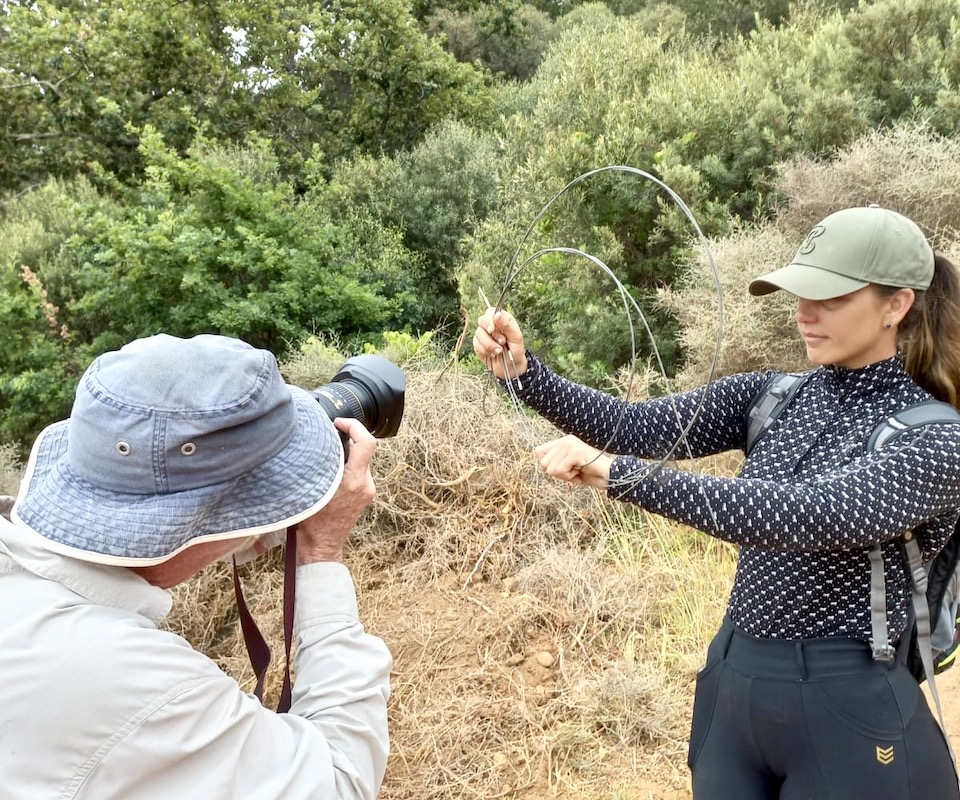
A local landowner holding a snare wire that she reported after finding it on her property.
Overall, Lindsay’s duties are varied and ever-changing based on the needs of the reserve and the nearby community.
Skill building: Keys to conservation
You can start building your skill set now! Some areas to learn more about are:
- Field & technical: Navigation, tracking, ecological monitoring, fire management, incident command, invasive species control, basic engineering, infrastructure maintenance and certifications (for example, driver’s and skipper’s licences and firearm or first aid training).
- Law enforcement & compliance: Environmental legislation, permit systems and compliance procedures.
- Communication & engagement: Conflict resolution, public speaking and environmental education.
- Management: Budget management, report writing, strategic planning and team coordination.
- Digital literacy: GIS mapping, data collection apps, remote sensing, spreadsheets, databases and communication platforms.
For career switchers, Lindsay reminds you that you might already have some of these tools built up!
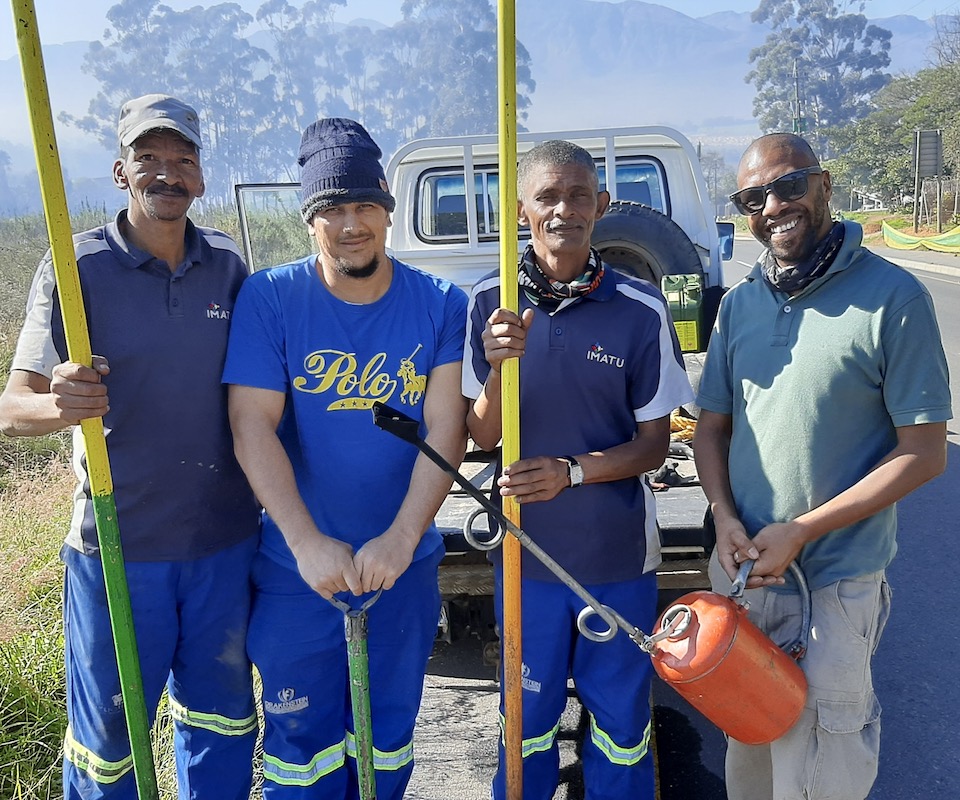
Lindsay and his work team complete controlled burns in the autumn/winter season to reduce the chance of larger fires the following summer.
Toward the future: Challenges and optimism
Being a conservationist also requires a unique type of courage. You must be able to face challenges while also remaining hopeful. Lindsay reminds us that intimidating situations build character, so you should try to meet them head on.
“It’s not always glamorous. There are long hours, unpredictable conditions outside, and emotionally taxing moments, especially when dealing with habitat loss or injured wildlife. But it’s deeply rewarding because every small win contributes to something much bigger.”

He also notes the importance of integrating humanity into conservation. Sometimes, broader social issues might contribute to what you are seeing in the field, such as poaching. When working with the surrounding community, it’s important to listen and pay attention to their unique struggles and concerns.
“We have to connect, and we have to show that we care.”
This means helping others become active participants in the conservation process. As Lindsay puts it, you should “go to their doorstep” and meet them where they are. You can also teach them about the positive impacts of conservation projects. It can take time to build trust and understanding, but the payoff is certainly worthwhile.
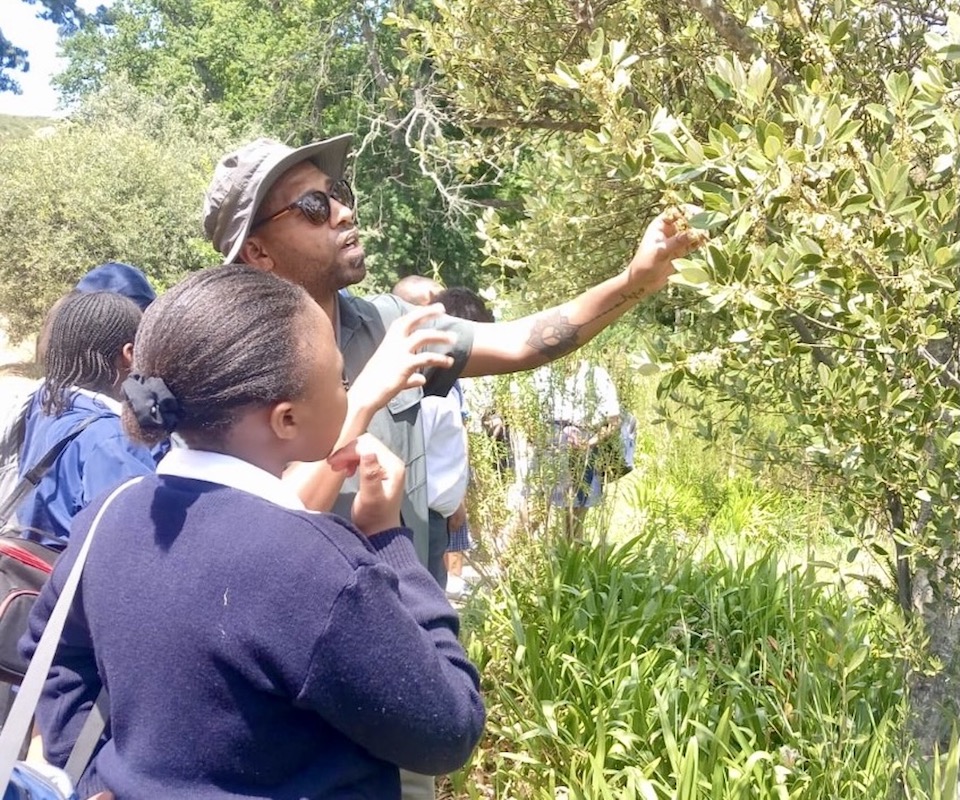
Lindsay leading one of his favourite activities – a guided walk with a local school group. Some groups visit him at Paarl Mountain, while other times he goes directly to their communities to teach. He hopes to help the youth “start seeing a brighter future”.
Overall, Lindsay feels enthusiastic about the future of conservation:
“While challenges remain, I’m optimistic about the direction we’re heading – especially as more young professionals, communities, and private stakeholders become active participants in shaping a more resilient and biodiverse future.
I’ve seen a strengthening of legislation, policies, and management systems that support the protection of our natural heritage. These frameworks are becoming more inclusive, better resourced and more responsive to the realities on the ground.”
Final thoughts: Conservation is for everyone
Lindsay leaves us with an important message – we are all responsible for conservation, and we can all make an impact by using our unique talents and voices:
“I wish more people understood that conservation is everyone’s responsibility. You don’t have to be a ranger or scientist to make a difference. Whether you’re a teacher, farmer, business owner, or student, your choices and voices DO matter.”
Thus, conservation is for everyone. And stories like Lindsay’s can inspire us all to find our place in this sphere.
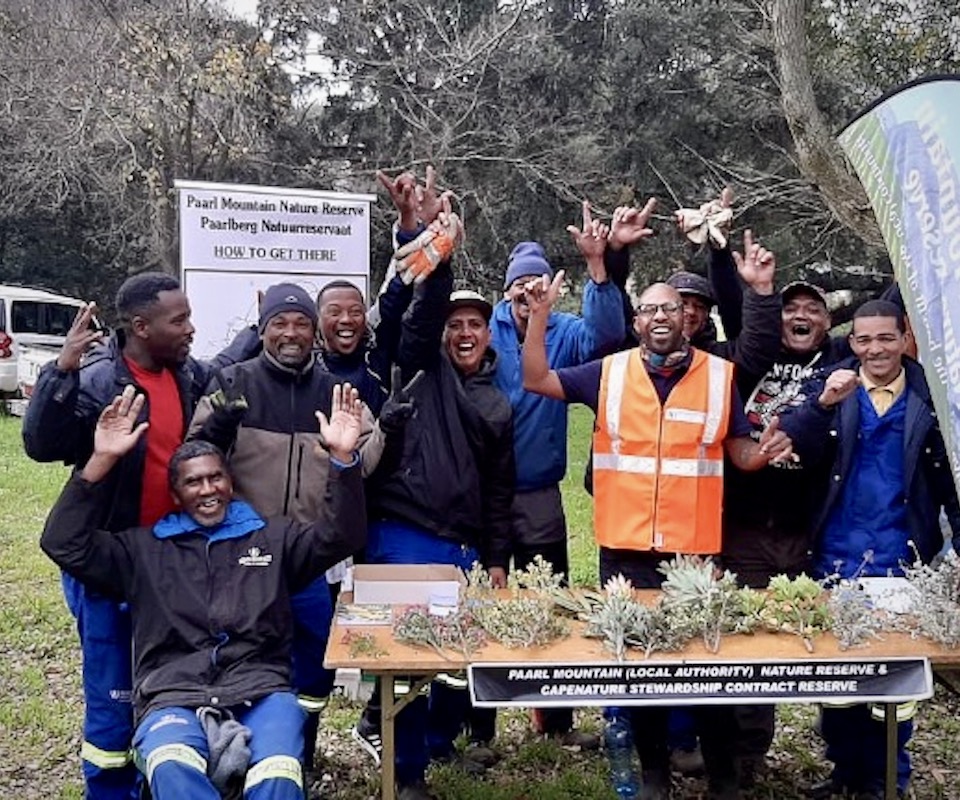
Lindsay and his team at an Arbor Day Pop-Up Stall in 2022.
You can connect with Lindsay on LinkedIn. He is open to talking to anyone to offer guidance!
Don’t let your learning end here! You can read more about:
- Where you fit in the conservation world
- How to become a Forest Ranger
- How to become a Conservation Land Manager
- Conservation skill building
Author Profile | Katie Cohan
Katie Cohan has felt a strong connection to nature and culture since childhood. This inspired her to work in anthropology, veterinary medicine and wild and domestic animal care. As a writer, she now aims to highlight the intersection between human systems and the natural world. She is especially passionate about showcasing overlooked narratives and bringing attention to endangered and misunderstood species. Connect with Katie on LinkedIn.