
Lajuma Research Centre – Ecology Internship Opportunities

ABOUT US
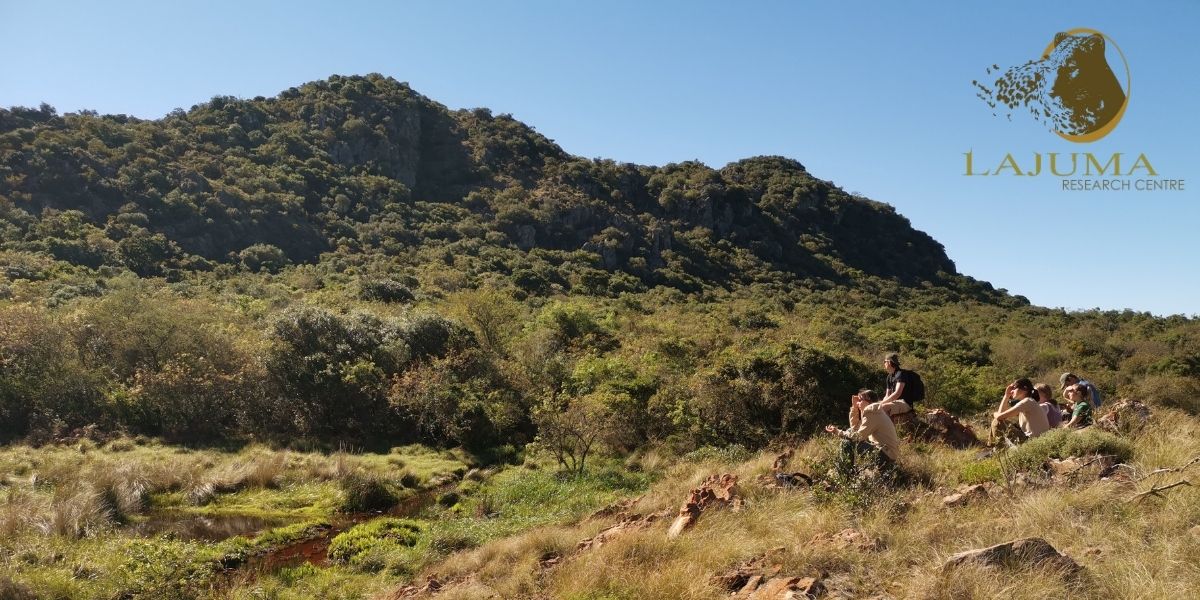
Located in the Soutpansberg Mountains, Lajuma Research Centre is a field-based research station dedicated to ecology, biodiversity, and conservation. Set within a diverse and mountainous landscape of deep valleys, cliffs, mist belt forests, and clear mountain streams, Lajuma offers a unique natural laboratory. The reserve hosts an exceptional variety of habitats — including woody grasslands, mountain bushveld, riverine forest, and high-altitude mist belt forest — creating ideal conditions for ecological research across multiple disciplines. This habitat diversity supports remarkable biodiversity. The reserve is home to over 2,500 plant species and around 600 tree species, alongside more than 80 mammal species, over 215 bird species, and a wide range of reptiles, butterflies, and other invertebrates.
Lajuma provides an exceptional natural environment for hands-on learning and research. Interns are fully immersed in fieldwork, gaining practical experience while contributing to long-term ecological research in one of South Africa’s most biologically rich regions.
YEAR-ROUND PROJECTS
Primate Research
Focus: Galagos (bushbabies), Samango monkeys or Chacma baboons.
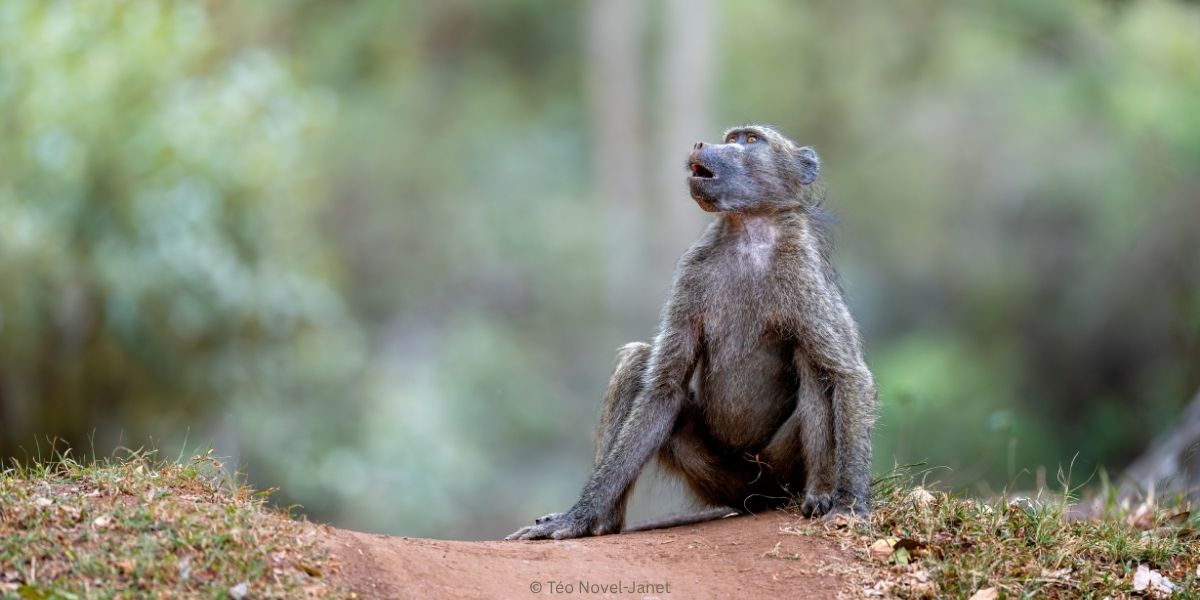
Overview: Study the behaviour, ecology, and social dynamics of galagos, Samango monkeys, and Chacma baboons. This project contributes to long-term datasets, with a focus on movement patterns, feeding behaviour, and social interactions through direct field observation.
Duration: Minimum 2 months.
Predator Monitoring
Focus: Leopards, both hyena species, African civet, genets and smaller meso-predators.
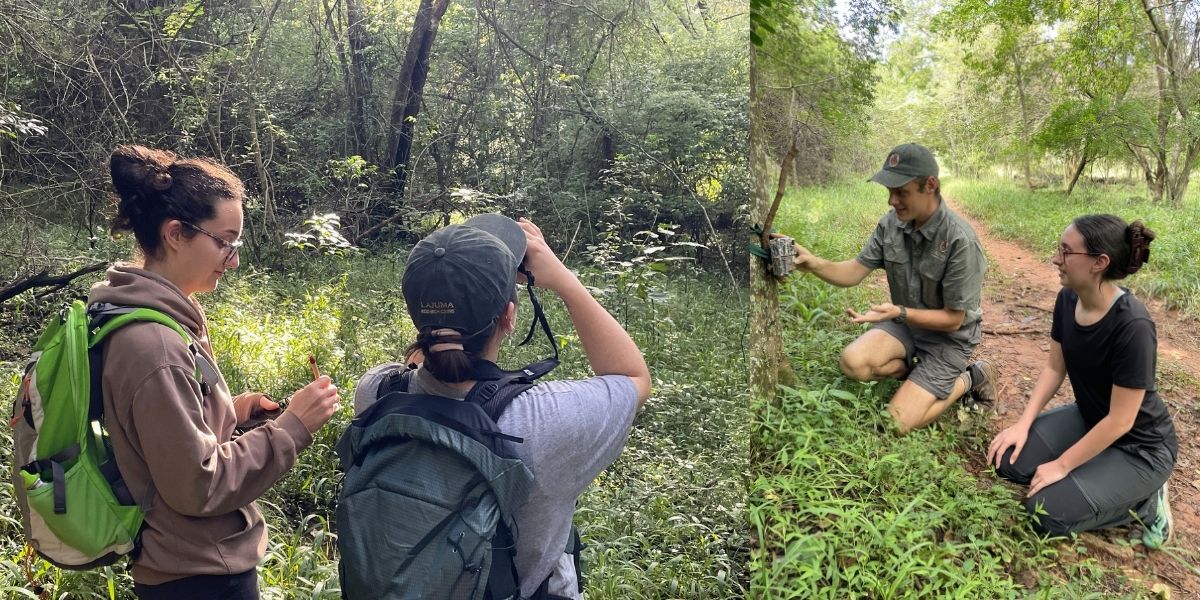
Overview: Work with an established camera trap grid to monitor predator populations. Research includes analysing species presence, activity patterns, and ecosystem interactions, contributing to conservation and management strategies.
Duration: Minimum 1 month.
Bird Research
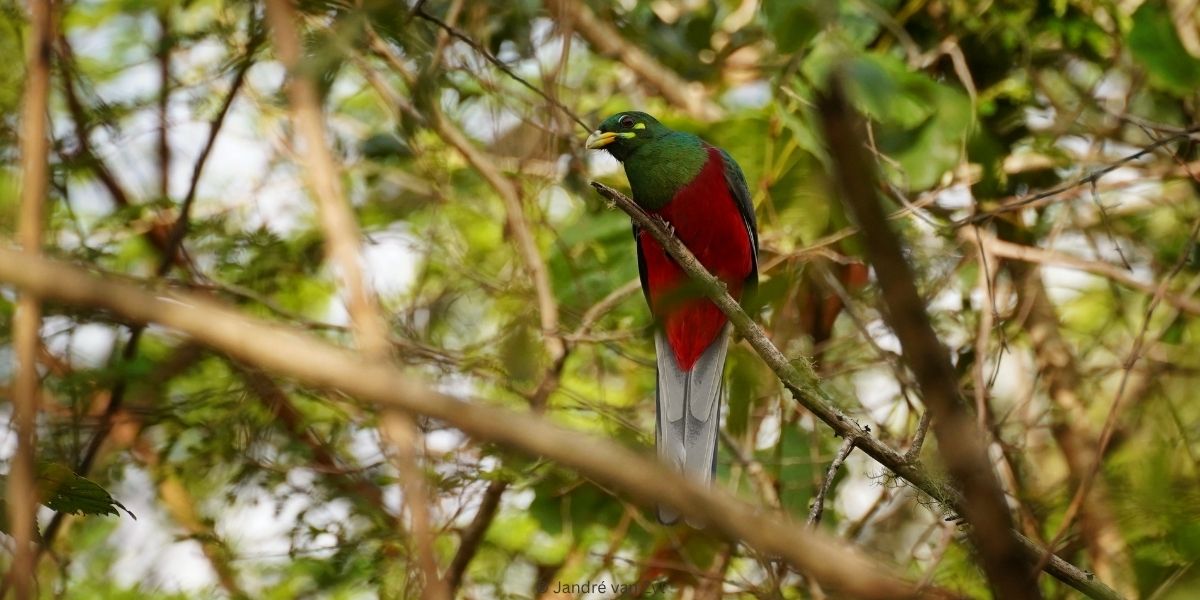
Overview: With over 200 bird species recorded, this project offers opportunities to study species diversity, distribution, and behaviour across multiple habitats — ideal for those interested in ornithology and biodiversity monitoring.
Duration: Minimum 3 months.
Requirements: Personal binoculars and a camera suitable for wildlife photography; Previous birding experience preferred.
Vegetation & Habitat Mapping
Overview: Assist in documenting and mapping over 2,500 plant species across the reserve. This project focuses on vegetation surveys, habitat classification, and understanding ecosystem structure.
Duration: Minimum 2 months.
Requirements: Previous skills in botanical identification and ArcGIS/QGIS.
Small Mammal Studies
Overview: Assess the diversity and density of small mammals across different habitats, contributing to research on ecosystem health and species interactions.
Duration: Minimum 2 months.
GIS Mapping Internship
Overview: Ideal for students or recent graduates skilled in ArcGIS or QGIS. Enhance mapping efforts for wildlife projects, integrate project-specific spatial data, and create layered maps for biodiversity, habitat, and species distribution monitoring.
Duration: Minimum 1 month.
Requirements: Previous skills in ArcGIS or QGIS.
SEASONAL PROJECTS
Time period: South African spring and summer (end August to end April).
Reptile Ecology
Overview: Investigate a unique reptile community, including endemic and habitat-specialist species adapted to the Soutpansberg’s rocky and montane environments.
Duration: minimum 3 months.
Butterfly Research
Overview: Explore butterfly diversity and seasonal variation across habitats, with a focus on polymorphism and species adaptation to environmental conditions.
Duration: minimum 2 months.
Invertebrate Research
Overview: Dive into the world of invertebrates at Lajuma Research Centre. Sample insects, spiders, and other invertebrates across unique habitats, learn essential field and research skills, and contribute to vital conservation science.
Duration: minimum 1 month.
LOGISTICS
Country: South Africa
Province: Limpopo
Arrival/Departure Airport: O.R. Tambo International Airport
Pick up/Drop off Location: Makhado (Louis Trichardt)
Start dates: Rolling intakes, every second Thursday (e.g. 15 January 2026, 7 January 2027)
Fieldwork: Conducted on foot
Transport: Pick up and drop off in Makhado every second Thursday
Shopping: Interns shop in town every second week or provide shopping lists to other interns
ACCOMMODATION & MEALS
- Interns will stay in the “Barn’’ which has multiple separate rooms that can house 2-3 people each.
- Single or shared accommodation (depending on the number of students present during your stay).
- Bedding and linen provided and changed every other week.
- Communal standard bathrooms with hot water.
- Communal kitchen, workspace and living space.
- Outdoor patio, pizza oven and braai area where we host our social evenings.
- All accommodation is self-catering and fully equipped for a comfortable stay.
- Lajuma runs on solar electricity – no heating elements/high energy appliances allowed.
- Water is supplied by our natural spring and is safe to drink.
- Hot water supplied by fire-stoked hot water boiler (donkey system).
- Wi-Fi is available as cell phone reception is limited.
- Weekly housekeeping however interns are responsible for cleaning up after themselves.
- Washing machine available on sunny days to do self-service washing.
- Due to the remote setting of Lajuma, occasional temporary Wi-Fi or electricity outages may occur.
FEES
A conservation fee applies for access to and residence on the reserve and is included in the overall programme rate.
INCLUDED:
- Assistance with travel arrangements
- Pre-departure information pack
- Accommodation during the programme
- Bedding and linen
- Programme-related transfers
- Training and supervision during the programme
- Use of available scientific equipment
- English-speaking support by long-term experienced staff
- 24/7 support throughout the programme
- Wi-Fi
- Visa extension assistance available if needed
EXCLUDED:
- International flights
- Visas and potential extensions costs
- Travel/medical insurance (required)
- Recommended vaccines/medical supplies
- Medical costs
- Meals and drinks
- External excursions (e.g. Kruger National Park trips)
- Telephone/fax expenses
- Transfers for stays shorter than 6 weeks
REQUIREMENTS & ELIGIBILITY
- Minimum age: 18
- English language proficiency
- Moderate to good physical fitness required
- Comfortable living in a remote and communal setting
- No prior fieldwork experience required; training and supervision provided
HEALTH & SAFETY
- Full induction and safety briefing at the start of the internship
- Accompanied fieldwork (interns go out in pairs or more)
- All reserve staff certified in first aid
- Doctor available in nearest town
- Hospital approximately two hours away
BENEFITS
- Hands-on experience in wildlife behavioural ecology and biodiversity research
- Training in field methods, data collection, and GIS applications
- Experience with species identification, monitoring techniques, and ecological research
- Reference letter upon completion
- University internship paperwork completed where applicable
HOW TO APPLY
Send your CV to apply@lajuma.com
Don't forget to mention Conservation Careers in your application
Similar Jobs
-

-
-
Giraffe Conservation Internship – South Africa Bushveld Biodiversity Research Centre
Members OnlyLimpopo, South Africa -