Planet Water

We call it Planet Earth.
But perhaps we should have called it Planet Water.
After all, around 71% of our planet’s surface is covered by water, and the oceans contain around 97% of all water on Earth. They regulate our climate, produce around half of the oxygen we breathe, absorb vast quantities of carbon dioxide, provide food and livelihoods for billions of people, and support an astonishing diversity of life.
And yet, despite their importance, much of the marine environment remains unexplored, poorly understood, and often overlooked.
Conservation has traditionally focused on what we can see – forests, grasslands, wetlands, and wildlife on land. Oceans are different. They are harder to access, harder to study, and harder to protect. Much of what happens beneath the waves remains hidden from view.
But the marine environment is one of the most important frontiers in conservation today.
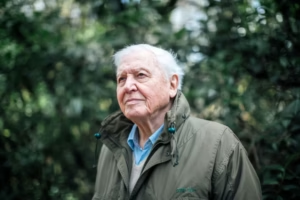
With Sir David Attenborough’s 100th birthday fresh in my mind, I’ve been reflecting on the enormous contribution he has made to raising awareness of our oceans.
Much of Sir David’s career has been devoted to sharing the beauty and wonder of the natural world. But with Blue Planet, there was a noticeable shift. The message became not just “look how incredible this is”, but also “look what we’re losing – and look what we can do about it”.
For many people, Blue Planet was their first real introduction to the issue of marine plastic pollution. Suddenly, images of plastic waste washing through our oceans weren’t just statistics hidden in reports. They became visible, emotional, and impossible to ignore.
Importantly, they also became actionable.
Around the world, governments introduced policies to reduce single-use plastics. Businesses changed their practices. Individuals changed their habits. It became a powerful reminder that conservation challenges can feel overwhelming, but collective action really does make a difference.
That message of hope has stayed with me throughout my own career.
When people think about marine conservation, they often picture coral reefs, turtles, dolphins, sharks, and colourful fish. But for me, marine conservation has often meant birds.
During my time at BirdLife International, I worked extensively on marine seabird conservation. Species like albatrosses spend most of their lives at sea and face significant threats from bycatch – becoming accidentally caught on fishing hooks and longlines intended for commercial fish species.
Programmes such as the Albatross Task Force have shown that relatively simple changes to fishing practices can dramatically reduce these accidental deaths. Again, a reminder that practical solutions exist when we choose to act.
Later, while living and working in the Pacific, I helped support projects protecting globally threatened seabirds breeding on remote islands and atolls.
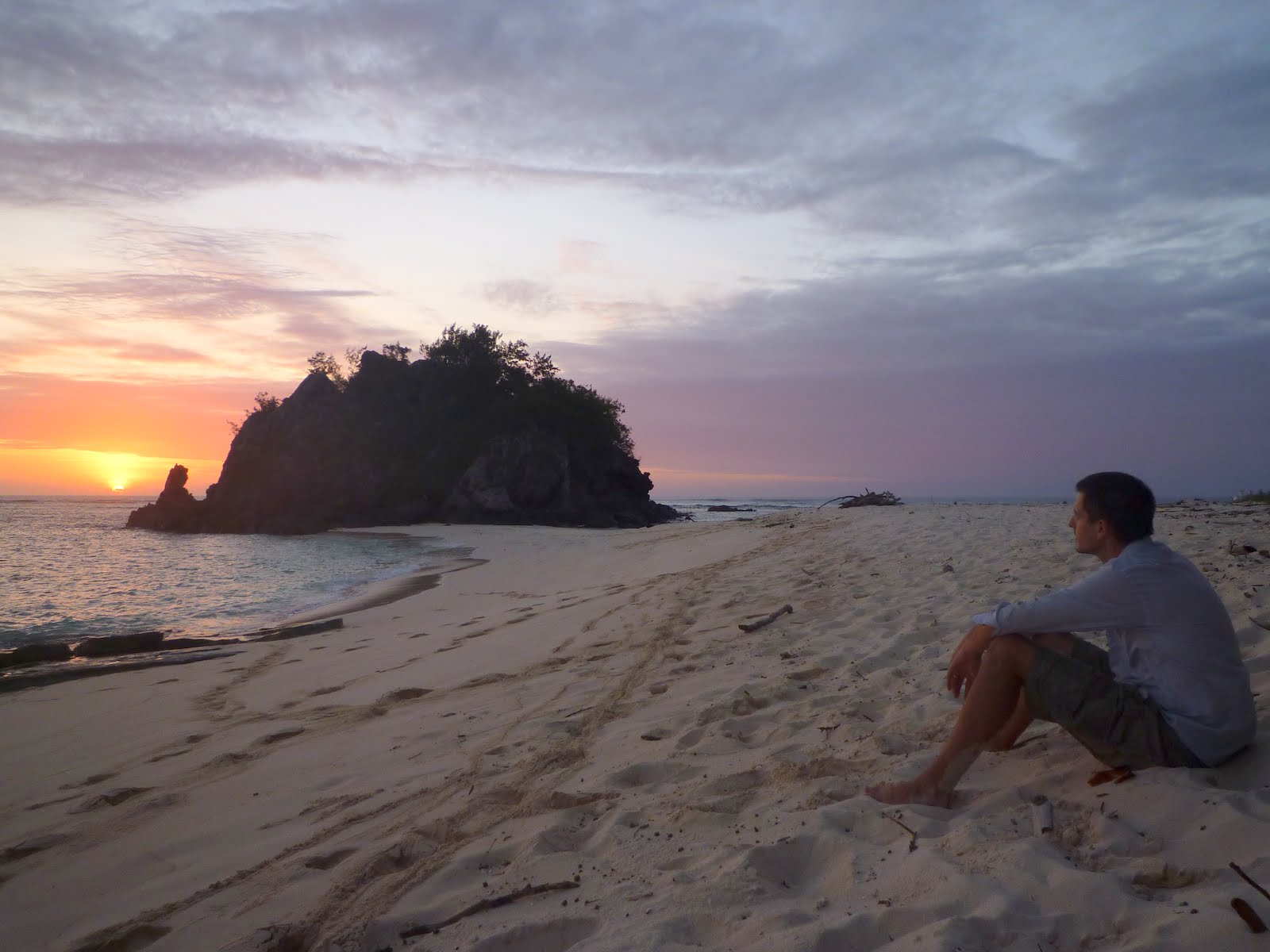
Places like Suwarrow in the Cook Islands and Monuriki in Fiji – pictured below – the island made famous by the film Cast Away.
Many of these islands had been severely impacted by invasive species such as rats, which preyed on eggs and chicks. By removing those invasive species, we saw seabird populations recover remarkably quickly.
It’s one of the things I love most about conservation.
Yes, the challenges are real. But so are the solutions.
Nature can be remarkably resilient when given the chance.
That’s one reason I’m particularly excited about our newest training programme – the Certificate in Marine Conservation.
Led by our Expert in Residence, Dr David Shiffman, the course explores the science, practice, challenges, and opportunities within one of conservation’s most important and fastest-growing fields.
We’re also hosting a free live webinar on Tuesday 30th June 2026 at 7:30pm UK time (GMT) called How to Become a Marine Conservationist.
Together, we’ll explore the incredible diversity of marine conservation careers – from research and policy to communications, advocacy, education, fisheries, habitat restoration, and beyond.
We’ll help you understand the skills employers are really looking for, identify the roles that suit your interests and strengths, and hopefully make the path into marine conservation feel a little clearer.
Because protecting our oceans is one of the most urgent challenges of our time.
And the sector needs talented, passionate people willing to be part of the solution.
Perhaps that could be you.