

From passion to action: Julius Kirumira’s journey to animal advocacy and conservation leadership in Uganda and beyond
In a world increasingly in need of champions for animal welfare and environmental sustainability, Julius Kirumira’s story stands as a powerful testament to the impact one individual can have.
Uganda, located in East Africa, boasts a rich tapestry of biodiversity, from the vibrant wildlife of its savannas to the diverse aquatic ecosystems of its lakes. Yet, like many regions, it faces pressing environmental challenges such as habitat destruction, pollution, and limited awareness of sustainable practices.
One way to address these challenges is by shifting toward plant-based diets, which reduce the pressure on ecosystems by cutting down on resource-intensive animal farming. Plant-based living contributes to the conservation of vital habitats by reducing deforestation, conserving water, and cutting greenhouse gas emissions, all of which directly benefit wildlife and their habitats.
In this context, Julius’s work is a beacon of hope, advocating for animal rights and environmental conservation in meaningful and transformative ways. As the founder of Vegan Planet Africa, Julius is committed to promoting compassion for animals, advancing plant-based living, and protecting the environment.
His journey, spurred by personal loss and a deep love for animals, has grown into a powerful movement that is transforming communities in Uganda and beyond.
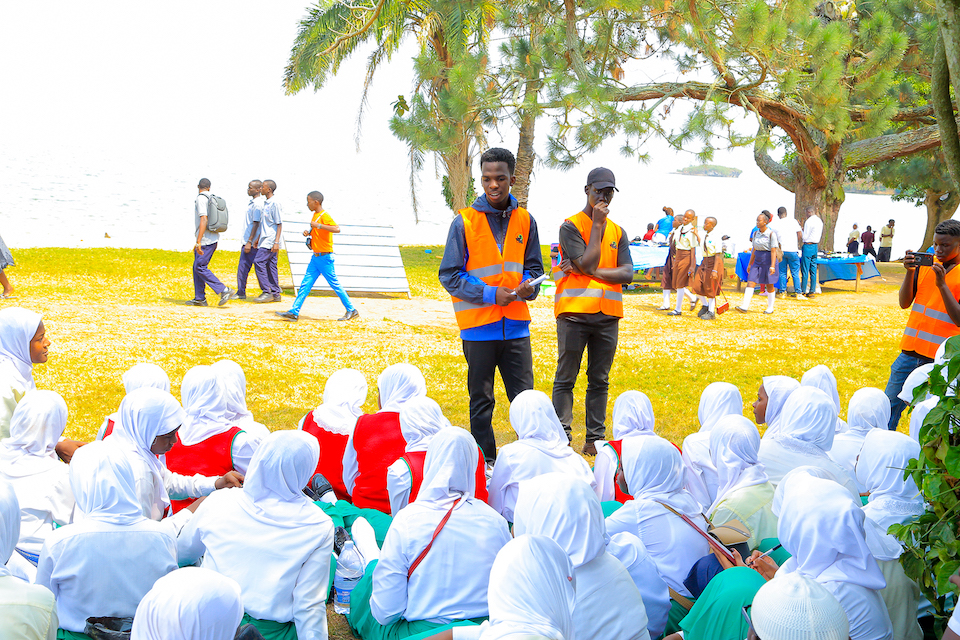
Julius Kirumira educating a group of young people about environmental conservation and animal welfare.
Early inspiration and personal journey
Julius’s passion for animal advocacy came from a deep-rooted love for animals and a sense of duty to protect them. The loss of his beloved dog, Max, was the pivotal moment that propelled him into activism. For Julius, Max was not just a pet; he was family.
“Losing Max inspired me to take action – not just for pets but for all animals,” Julius explains. This painful loss ignited his journey, prompting him to take steps towards making a meaningful difference.
His dedication to animal welfare, inspired by Max’s memory, led him to start projects focused on raising awareness about the lives of farmed animals and protecting marine life. Today, his work continues in his honour, advocating for a world where animals are treated with the respect they deserve.
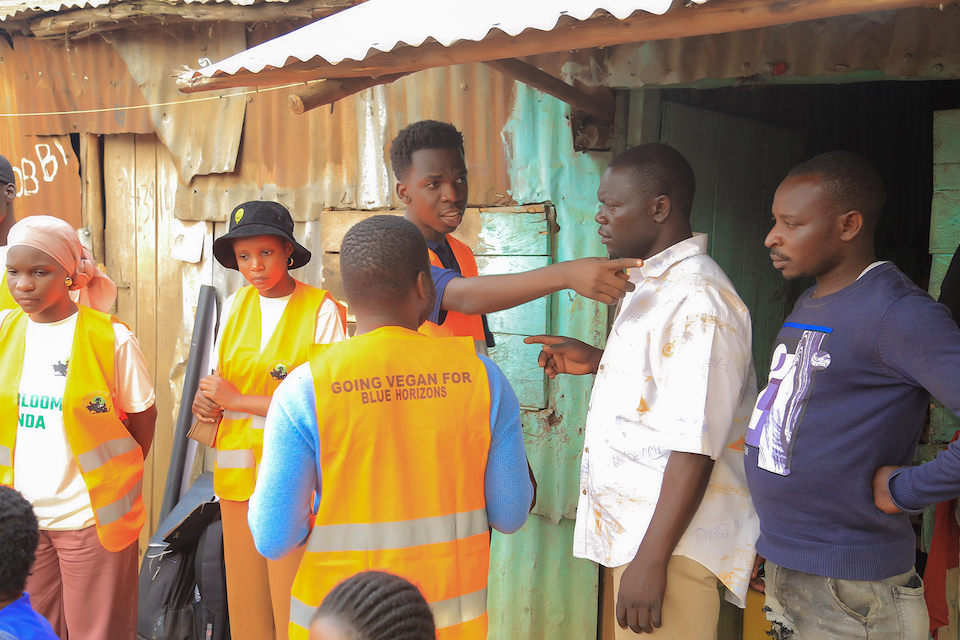
Julius engaging with local residents during a community outreach event for Vegan Planet Africa.
Founding Vegan Planet Africa
As a young advocate, Julius’s journey led him to create Vegan Planet Africa, an organisation focused on spreading awareness about animal rights, plant-based living and environmental conservation across Africa. The founding of the organisation was born out of Julius’s deep concern for the lack of awareness surrounding these critical issues in Africa.
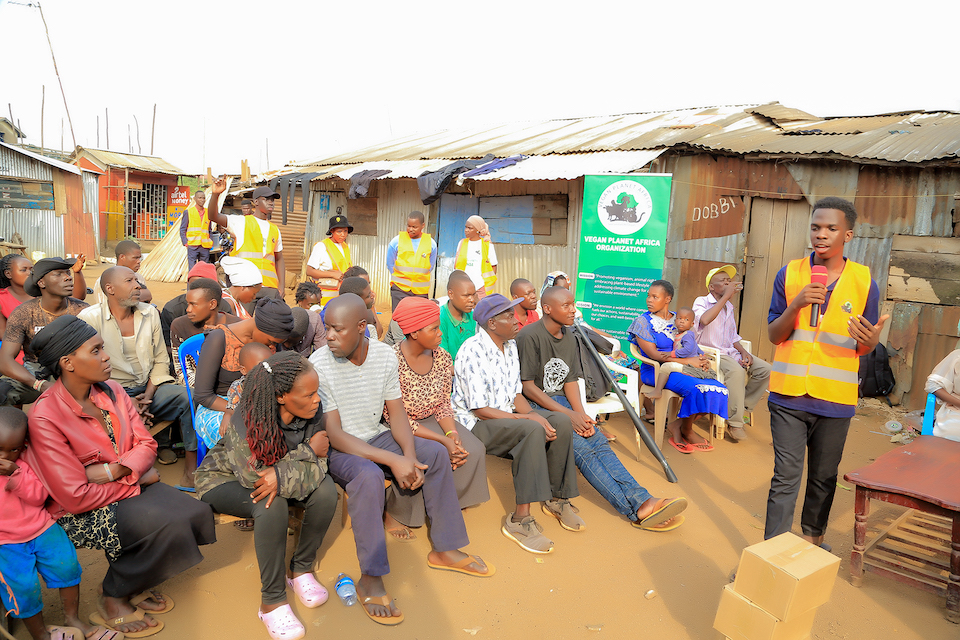
Julius hosting a community workshop with adults, engaging participants in discussions about animal rights, plant-based living and environmental conservation as part of Vegan Planet Africa’s outreach efforts.
“I wanted to inspire positive change by showing people the benefits of treating animals with respect and adopting a plant-based lifestyle,” says Julius. The core mission of Vegan Planet Africa is simple yet powerful: to promote compassion for animals, protect their rights and encourage a shift toward plant-based living.
Overcoming challenges and growing Vegan Planet Africa
Starting an organisation aged 16, as Julius did, is no easy feat. He faced numerous challenges, particularly scepticism due to his age. Some questioned his ability to lead such a large cause. However, Julius overcame these barriers by showing unwavering commitment and producing impactful results.
One of the major challenges he encountered was limited funding, a common struggle for many small organisations. But Julius found creative ways to address this by building partnerships and focusing on affordable, high-impact activities, such as community education and awareness campaigns. This grassroots approach has allowed him to grow Vegan Planet Africa into a credible and influential voice for animal rights.
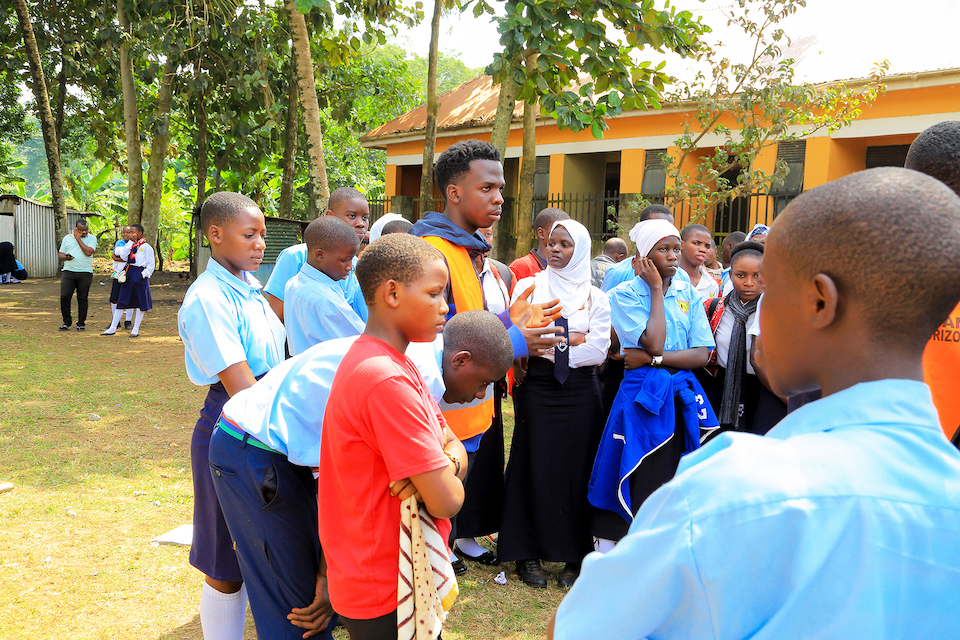
Julius educating a group of high school students in an outdoor setting, discussing the importance of sustainable practices.
The Aqua Bloom Uganda Project
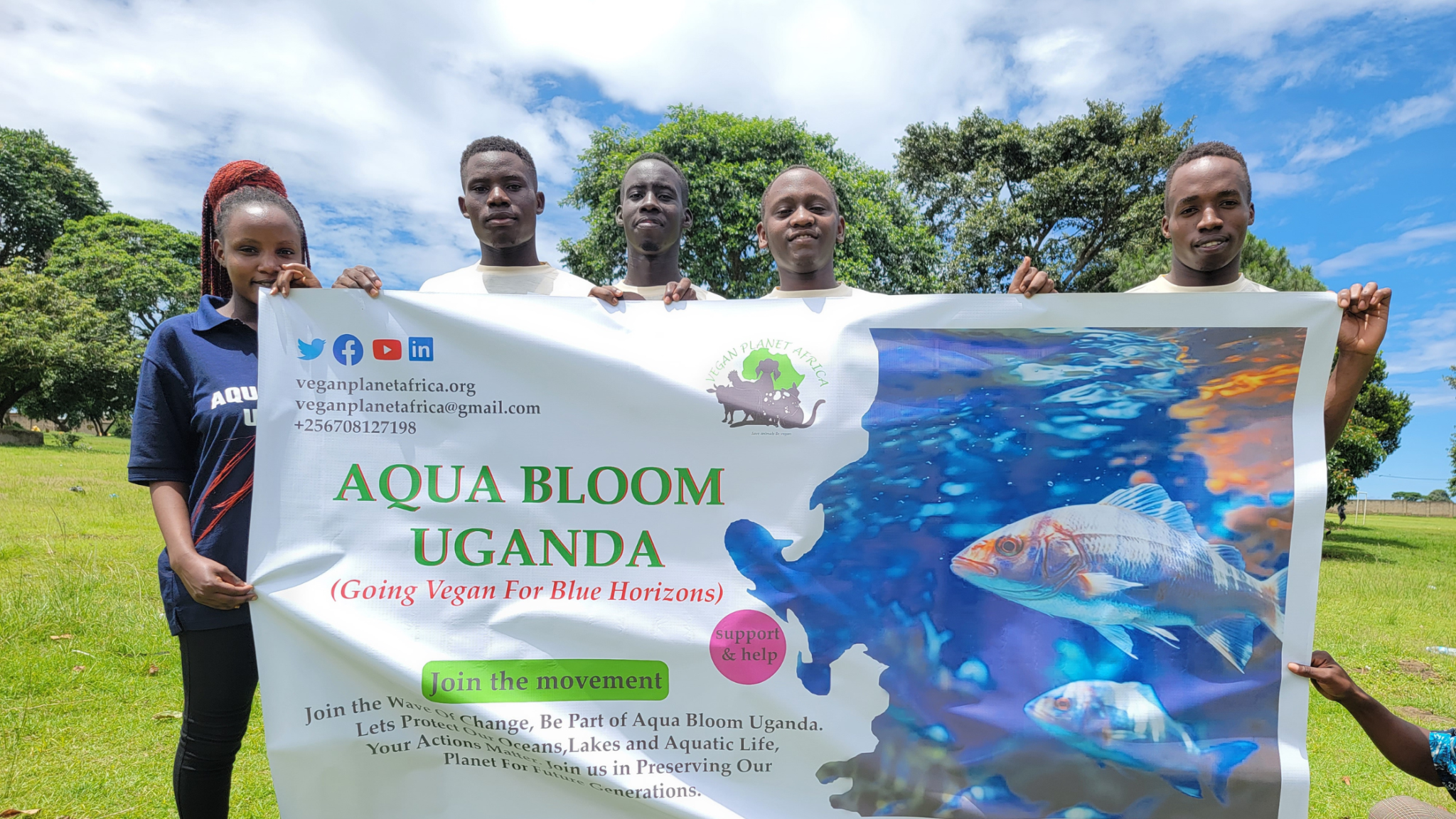
One of the standout initiatives under Vegan Planet Africa is the Aqua Bloom Uganda Project, which focuses on protecting marine life and promoting environmental conservation around Uganda’s lakes.
These lakes, crucial for the livelihoods of many local communities, face severe threats from pollution, overfishing and habitat destruction. Julius and his team are working hard to combat these issues, educating local communities about sustainable practices.
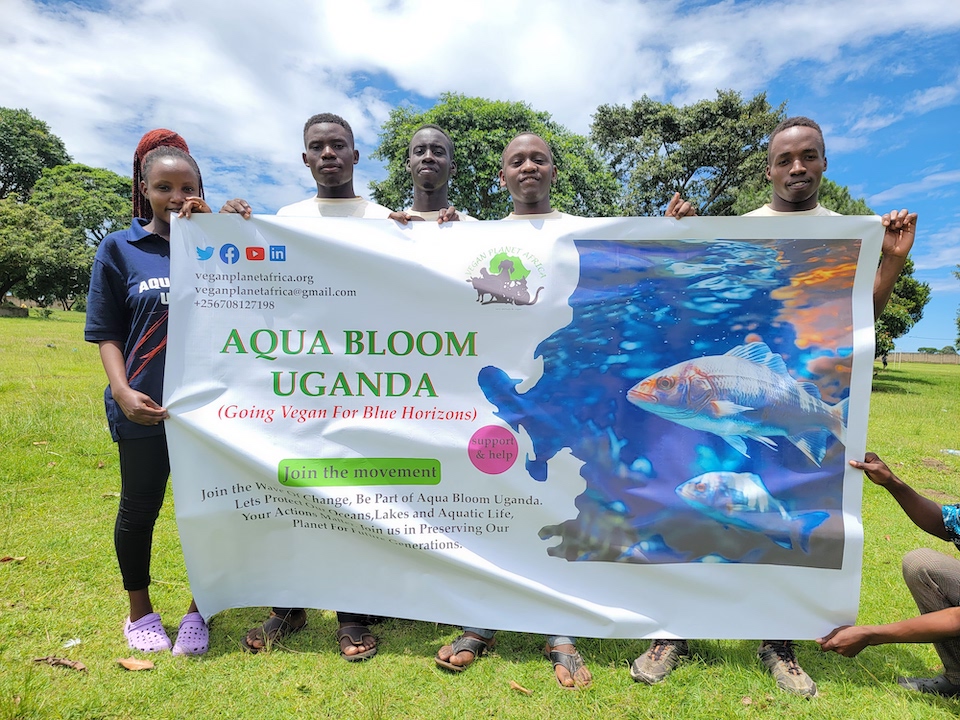
Members of the Aqua Bloom Uganda Project proudly holding up their banner, symbolising their commitment to marine conservation and environmental awareness in Uganda.
“What makes this project so meaningful to me is that it combines my passion for animal protection with a direct, positive impact on people’s lives,” Julius explains. By helping to protect marine life, the Aqua Bloom Uganda Project is also supporting the communities that depend on these resources, creating a lasting impact on both wildlife and human populations.
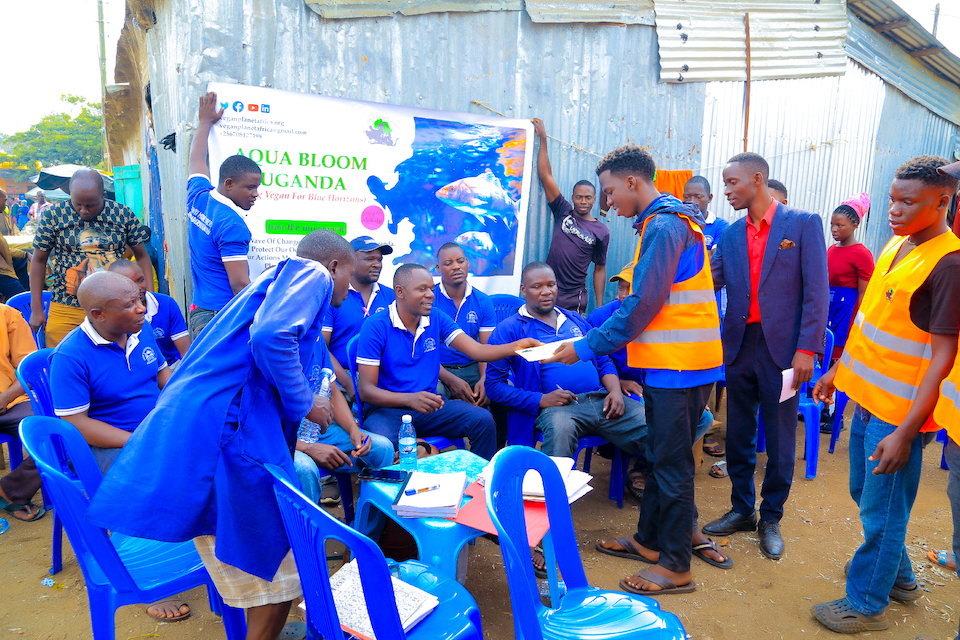
Julius leading a community campaign for the Aqua Bloom Uganda Project, engaging local men in environmental conservation efforts to protect marine life.
Engaging youth and building awareness
Julius has also made significant strides in educating the next generation about plant-based living and animal rights. Through outreach programs in schools and communities, he has impacted thousands of young people, using strategies that are interactive, relatable, and effective.
By focusing on the health benefits of plant-based diets, environmental sustainability, and animal welfare, he has sparked curiosity and engagement among youth.
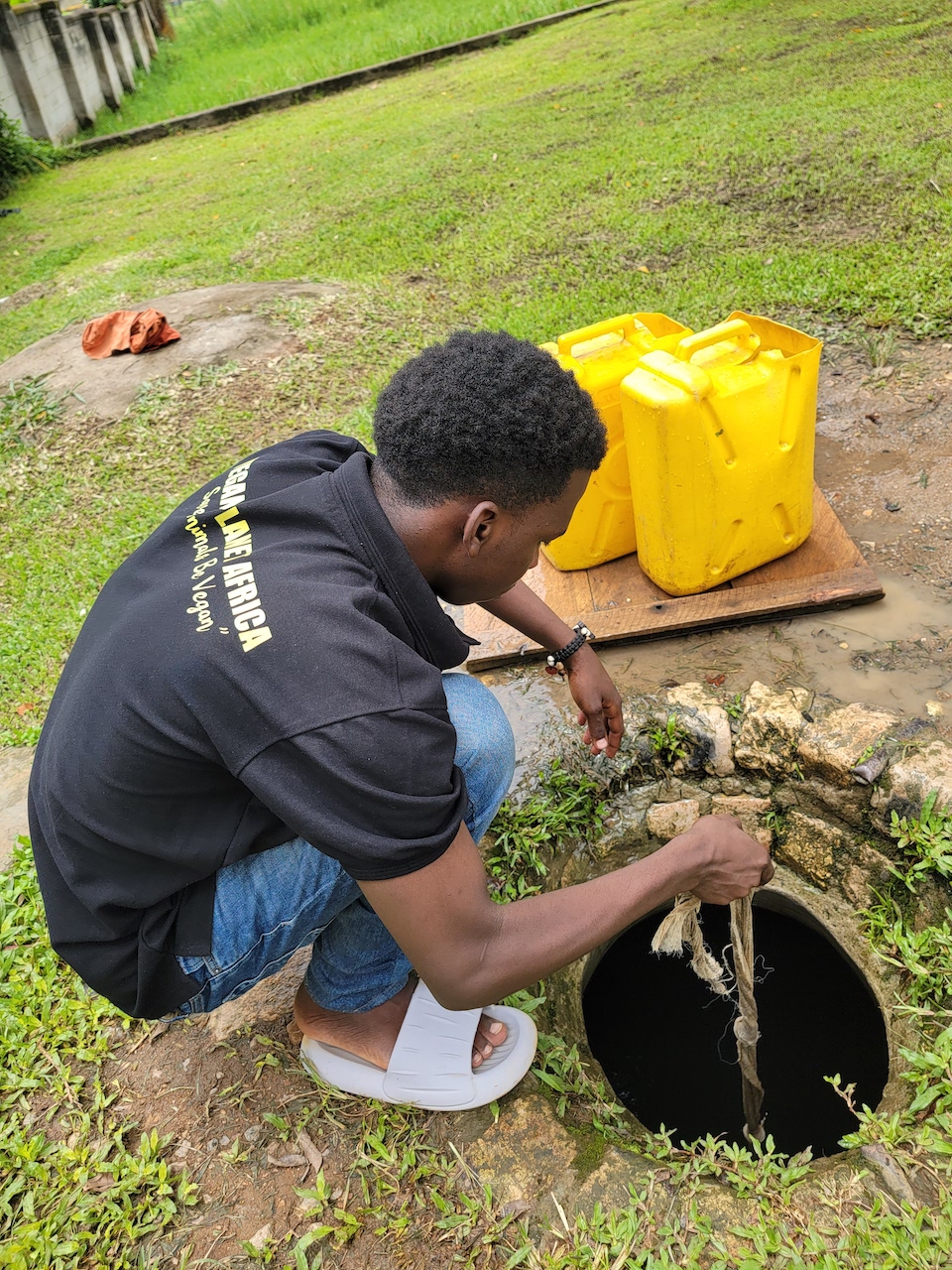
Julius drawing water from a well at Winterland Primary School to assist in preparing plant-based meals for students during a community project.
“I focus on practical, everyday examples,” says Julius. “Plant-based foods improve health and reduce harm to animals, and that resonates with young people.”
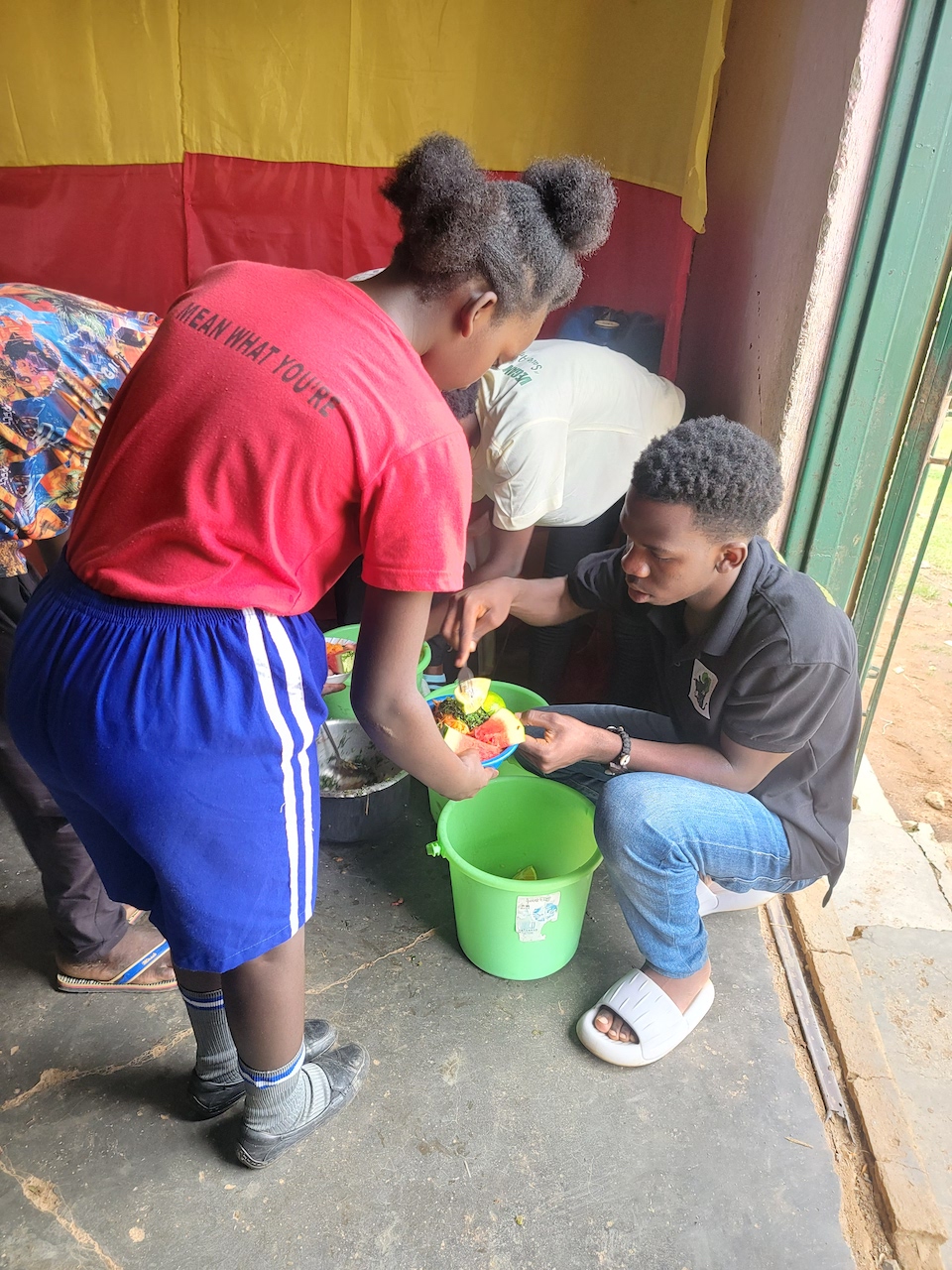
Julius serving vegan food at a local primary school as part of an educational drive to promote plant-based living.
He also uses hands-on activities like planting vegetables or creating awareness posters, which make the ideas more real and memorable.
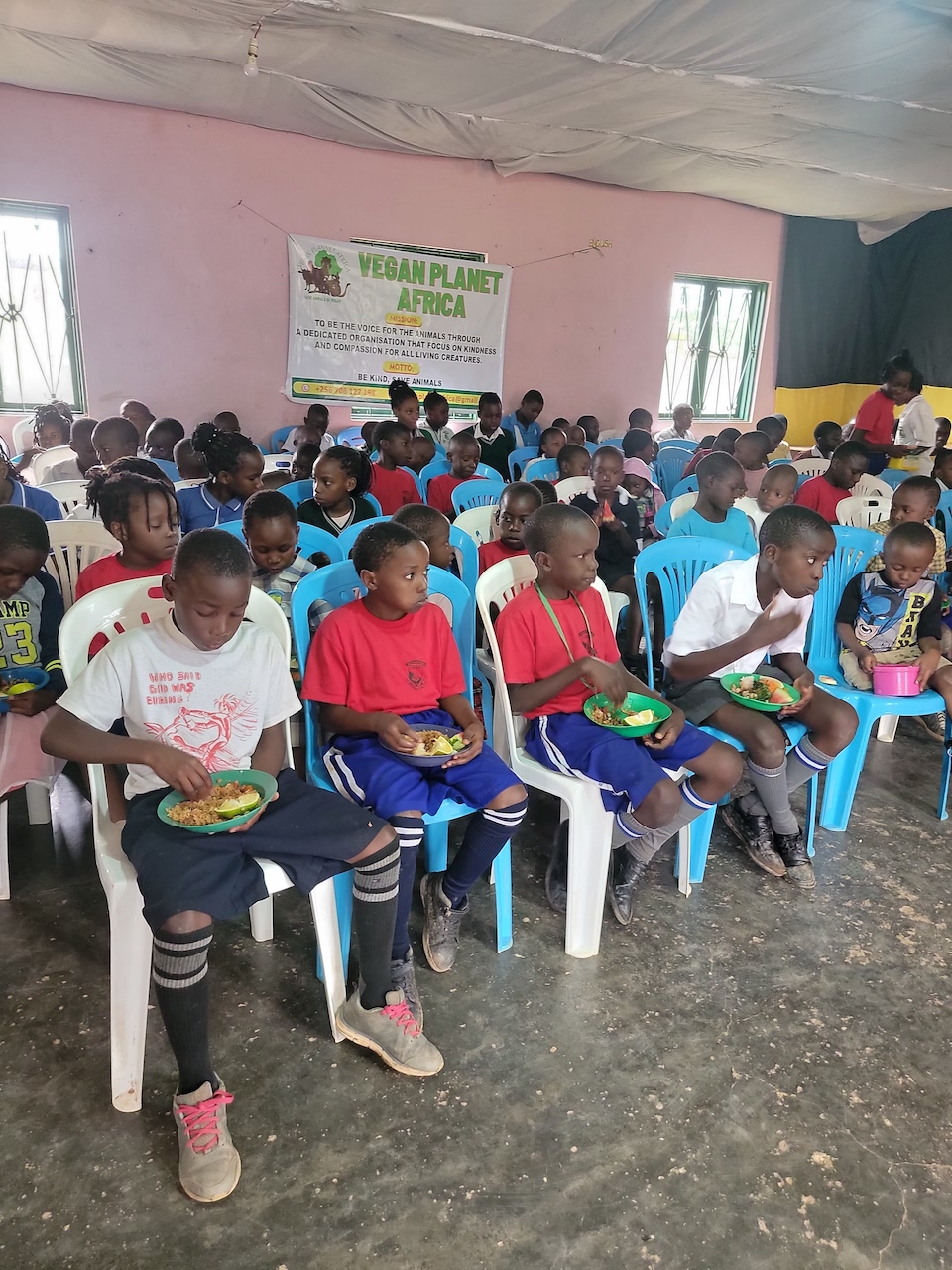
Primary school children enjoying vegan plant-based foods during an educational drive at the local primary school, promoting healthy eating and sustainability.
Addressing challenges in Uganda and beyond
As Julius works to expand his advocacy in Uganda, he is acutely aware of the challenges faced in the region, particularly regarding animal welfare and environmental conservation. Pollution, habitat destruction, and a lack of awareness about sustainable practices are some of the biggest hurdles. However, through education, collaboration, and community engagement, Vegan Planet Africa is addressing these challenges head-on.
The organisation works to raise awareness about animal rights and environmental issues through workshops, outreach programs and partnerships with local organisations. By focusing on sustainable practices, such as reducing pollution and promoting eco-friendly farming methods, Julius is working to create a more compassionate and environmentally conscious society in Uganda.
Humane farming practices not only improve the lives of animals but also support environmental sustainability. By reducing the strain on natural resources like water, land, and biodiversity, these practices help sustain ecosystems.

Humane farming encourages efficient resource use, promotes biodiversity conservation, and supports soil health through methods like crop rotation and reduced chemical use. It also contributes to lower greenhouse gas emissions and minimises pollution, all of which help protect habitats and mitigate the impacts of climate change.
In this way, humane farming is a key strategy in preserving ecosystems and supporting wildlife populations, aligning animal welfare with environmental conservation.
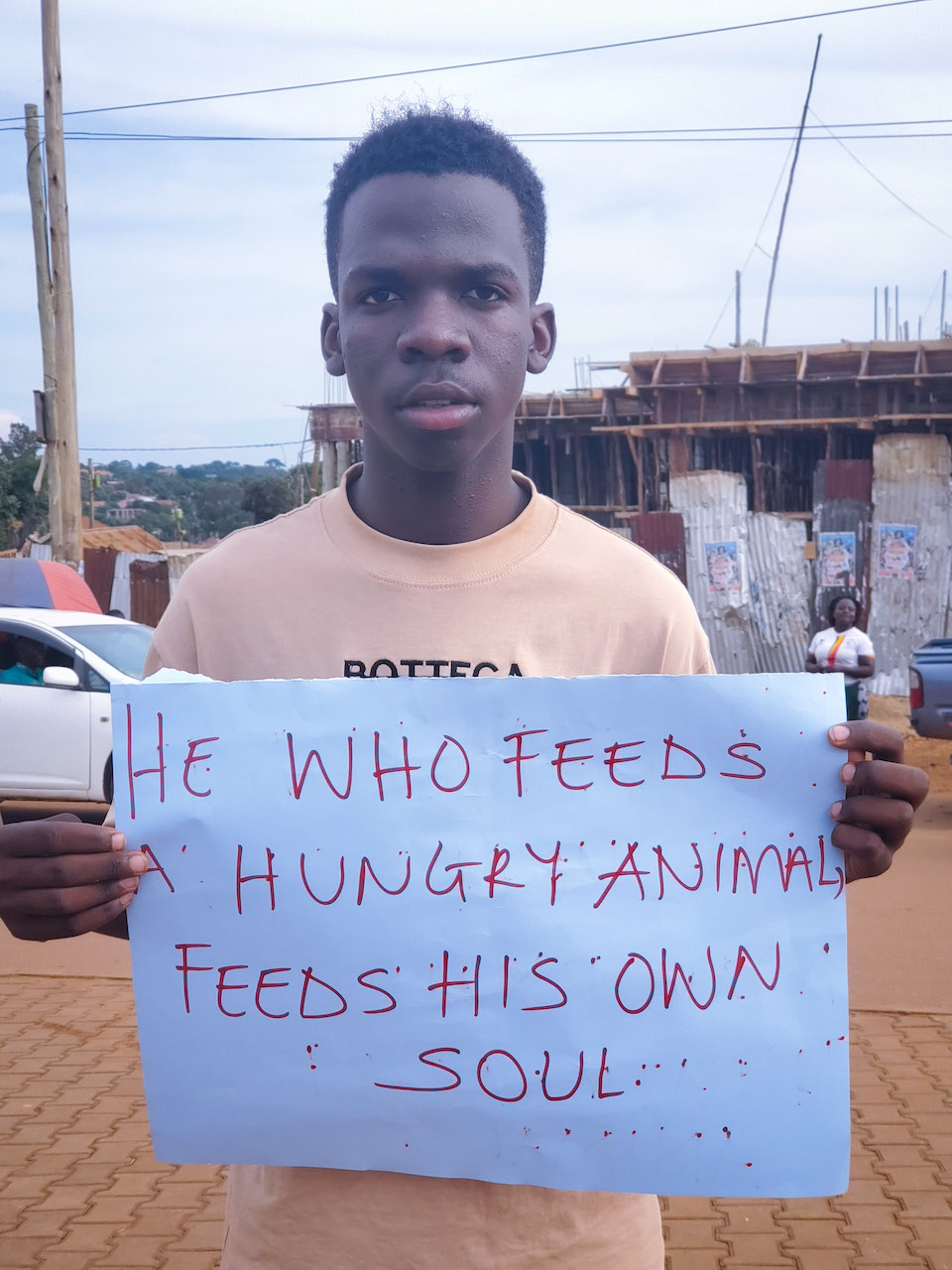
The importance of compassionate, sustainable living
Compassion is at the heart of Julius’s advocacy work. It drives him to understand the struggles of animals and the challenges faced by communities in Uganda. “Compassion inspires me to advocate for those who cannot speak for themselves,” says Julius. “Every small action can make a difference, and that’s what keeps me motivated.”
Julius’s message about the importance of compassionate, sustainable living is clear: “Every choice we make has the power to create change,” he emphasises. By adopting a plant-based lifestyle, people not only improve their health but also help protect the environment and contribute to animal welfare.
“Our actions can spark conversations and lead to a ripple effect in our communities,” he says.
Advice for aspiring conservationists
For young conservationists or activists looking to follow in his footsteps, Julius offers valuable advice: “Stay focused on your mission, understand the issues you want to address, and build strong connections within your community.” He encourages new activists to be adaptable and open to feedback, as this will help them refine their strategies and make a more significant impact.
He also stresses the importance of communication skills, practical experience, and leadership abilities in creating successful conservation initiatives. “Be willing to learn, stay passionate, and always be open to new ideas,” says Julius.
Looking to the future: Focus on farmed animals and creative advocacy
Julius’s vision for the future of Vegan Planet Africa includes exciting new projects that highlight the plight of farmed animals and promote compassionate alternatives. One of his primary goals is to develop the Farmed Animal Advocacy Program, a comprehensive initiative aimed at educating communities about the harsh realities of factory farming and encouraging more humane practices.
“This programme will include workshops, outreach campaigns, and the creation of informative materials that highlight the ethical and environmental impacts of animal agriculture,” Julius explains. By engaging directly with farmers and consumers, the programme hopes to foster a shift toward more compassionate treatment of farmed animals and encourage plant-based alternatives.
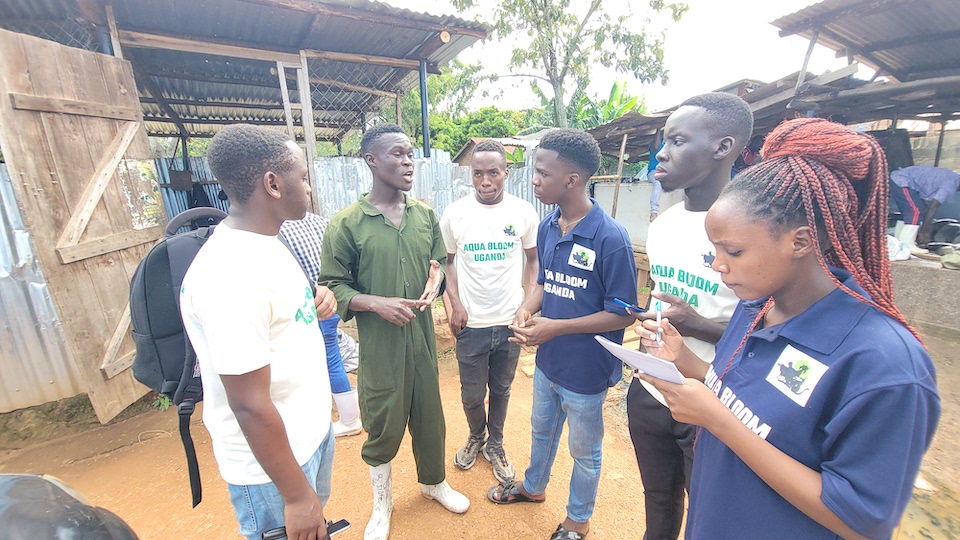
Julius engaging in a conversation with a local farmer during a community outreach event, discussing animal welfare and promoting sustainable farming practices.
In addition to his advocacy work, Julius is passionate about using creative expression as a tool for social change. He is in the early stages of developing the Art for Change initiative, which aims to use art exhibitions, performances, and community art workshops to raise awareness about farmed animal welfare.
“By involving local artists and the community, we hope to create powerful visual and interactive pieces that tell the stories of farmed animals and inspire compassion,” he says.
Though still in development, this initiative has the potential to strengthen community bonds and highlight the urgent need for environmental stewardship. Julius believes that “art has the power to move people in ways that words alone cannot,” making it a unique approach to inspiring change.
As we reflect on Julius’s journey, it’s clear that the future of conservation in Africa lies in the hands of passionate advocates like him. His commitment to animal rights and environmental sustainability serves as an inspiration to all, reminding us that our choices matter.
As he continues his mission, his message is simple: “Choose compassion, make a difference and create a more sustainable world for all.”
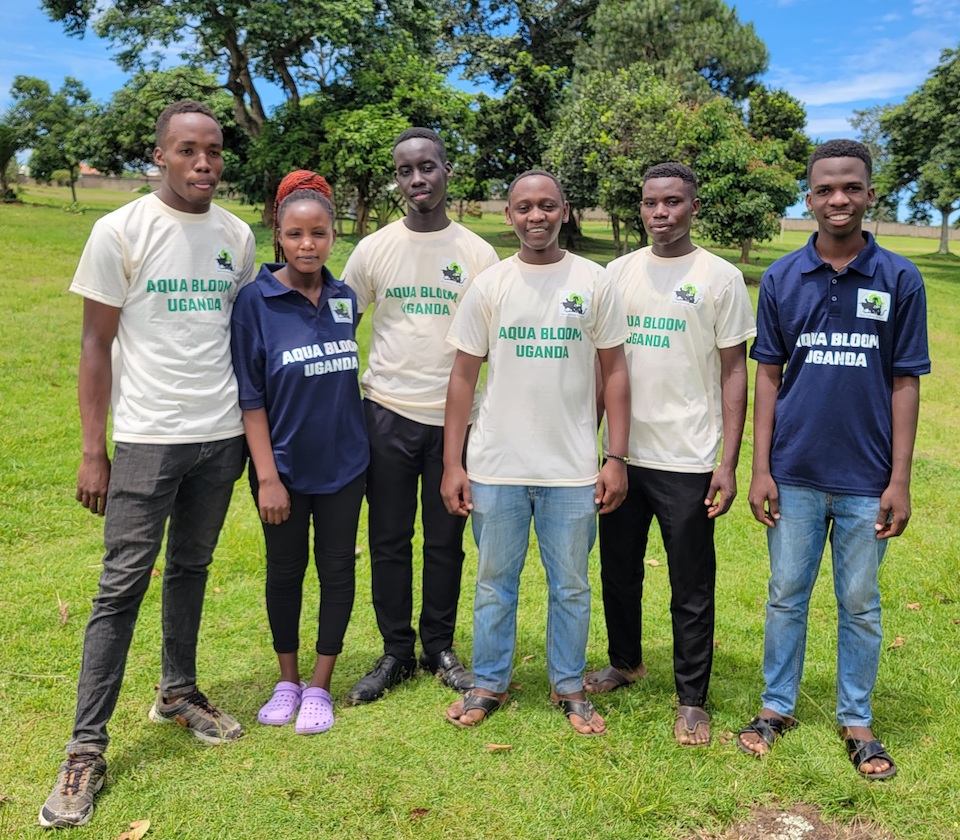
Julius Kirumira standing proudly with members of the Aqua Bloom Project.
For more information on Vegan Planet Africa and how you can get involved, visit their website or connect with them on Facebook and Instagram.
To further explore how sustainable practices like veganism, humane farming and
eco-friendly agriculture contribute to environmental conservation, why not check out the following resources:
- The Vegan Society’s guide to the environmental benefits of veganism.
- Humane Society International: Sustainable Agriculture and Conservation
- The World Wildlife Fund’s (WWF) page on sustainable agriculture.
- United Nations Sustainable Development Goals: Sustainable Consumption
and Production.
These resources provide in-depth information on how adopting plant-based lifestyles and promoting sustainable farming practices can significantly reduce environmental damage, conserve biodiversity and help mitigate climate change.
Author Profile | Stephanie Nicolaides
 Stephanie Nicolaides is a dedicated PhD candidate in Environmental Management at the University of the Western Cape. Her research delves into the impact of plastic pollution on the Mossel Bay coastline (South Africa), with a particular focus on the effects on marine biodiversity. Her work focuses on assessing plastic presence, local knowledge, and developing sustainable solutions. Stephanie holds an MSc in Life Sciences from the University of South Africa, where her dissertation examined the behavioural ecology of African clawless otters. She also earned her BSc Hons in Life Sciences, graduating cum laude, with an honours project on personality in Leopard Tortoises. Passionate about environmental sustainability, Stephanie is committed to advancing knowledge in marine biology and contributing to efforts to protect and preserve coastal ecosystems. Connect with Stephanie on LinkedIn.