

From wildlife vet to conservation leader: A journey of passion and purpose
In Mozambique’s Niassa Special Reserve, Dr Samuell Bilerio, a wildlife veterinarian and passionate advocate for human-wildlife coexistence, is making a profound impact.
His approach to conservation goes beyond veterinary care; it integrates community involvement, innovative solutions, and long-term planning. His career highlights the crucial role that veterinary medicine plays in broader conservation efforts, particularly in addressing the challenges posed by wildlife conservation in Africa.
Samuell’s story is not just about his work with animals; it’s a testament to the integration of science, community engagement, and hands-on conservation. Here’s a deeper look at his journey, his work and the lessons he’s learned along the way.
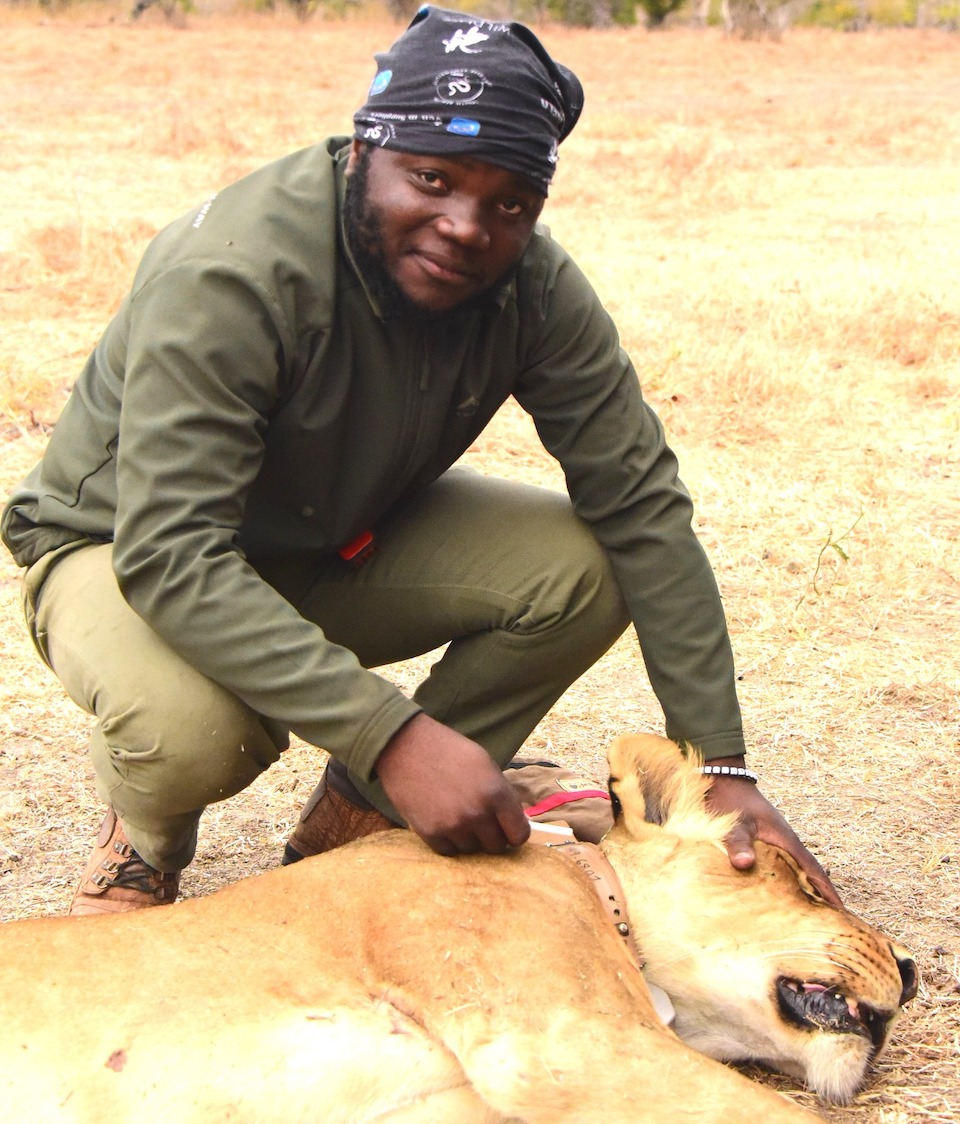
Dr Samuell Bilerio during a lion capture.
A personal journey sparked by curiosity and passion
Samuell’s passion for wildlife and conservation began in his early years when he was greatly influenced by National Geographic documentaries which sparked his curiosity about the natural world. “I was fascinated by the resilience of wildlife and the challenges they faced due to human activities,” he recalls, and this led him to pursue veterinary medicine.
He soon realised the immense potential veterinarians have not only in treating animals, but also in addressing conservation, environmental and public health challenges, particularly those arising from Human Wildlife Conflict (HWC).
Through his early field experiences, especially in the Niassa Special Reserve, Samuell recognised the interdependence of wildlife, domestic animals and human health. This realisation led him to adopt the One Health approach, which focuses on addressing wildlife health alongside broader environmental and human health challenges.
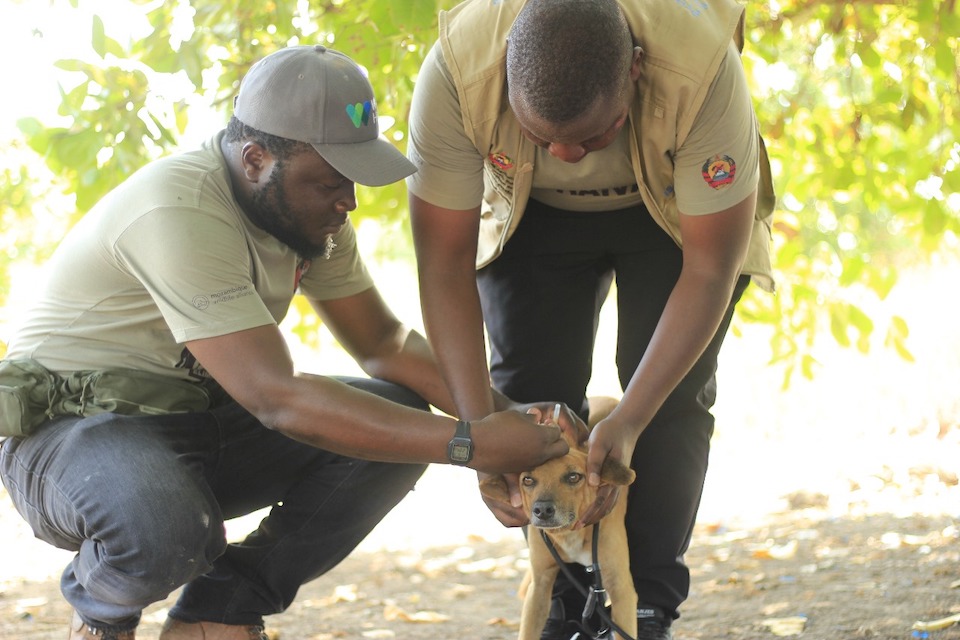
A key step in preventing the spread of rabies through local dog populations. Vaccination programs are an essential part of safeguarding both human and animal health.
A defining career moment
A pivotal moment in Samuell’s early career occurred while he was working in the Niassa Special Reserve, and had to respond to a lion caught in a snare, suffering severe injuries. This wasn’t just any ordinary case. The snare had been set not to target lions, but to catch bushmeat for subsistence. Samuell, alongside the response team, treated and released the lion, but this experience stuck with him.
“It made me realise that conservation isn’t just about protecting wildlife, it’s about understanding the socio-economic realities that drive human behaviour,” he explains.
He also reflects on a powerful quote from Nelson Mandela: “Conservation is about people.” This moment, seeing how conservation overlaps with human survival, reinforced Samuell’s commitment to community-based conservation and the need for solutions that bridge human-wildlife conflict and local development.
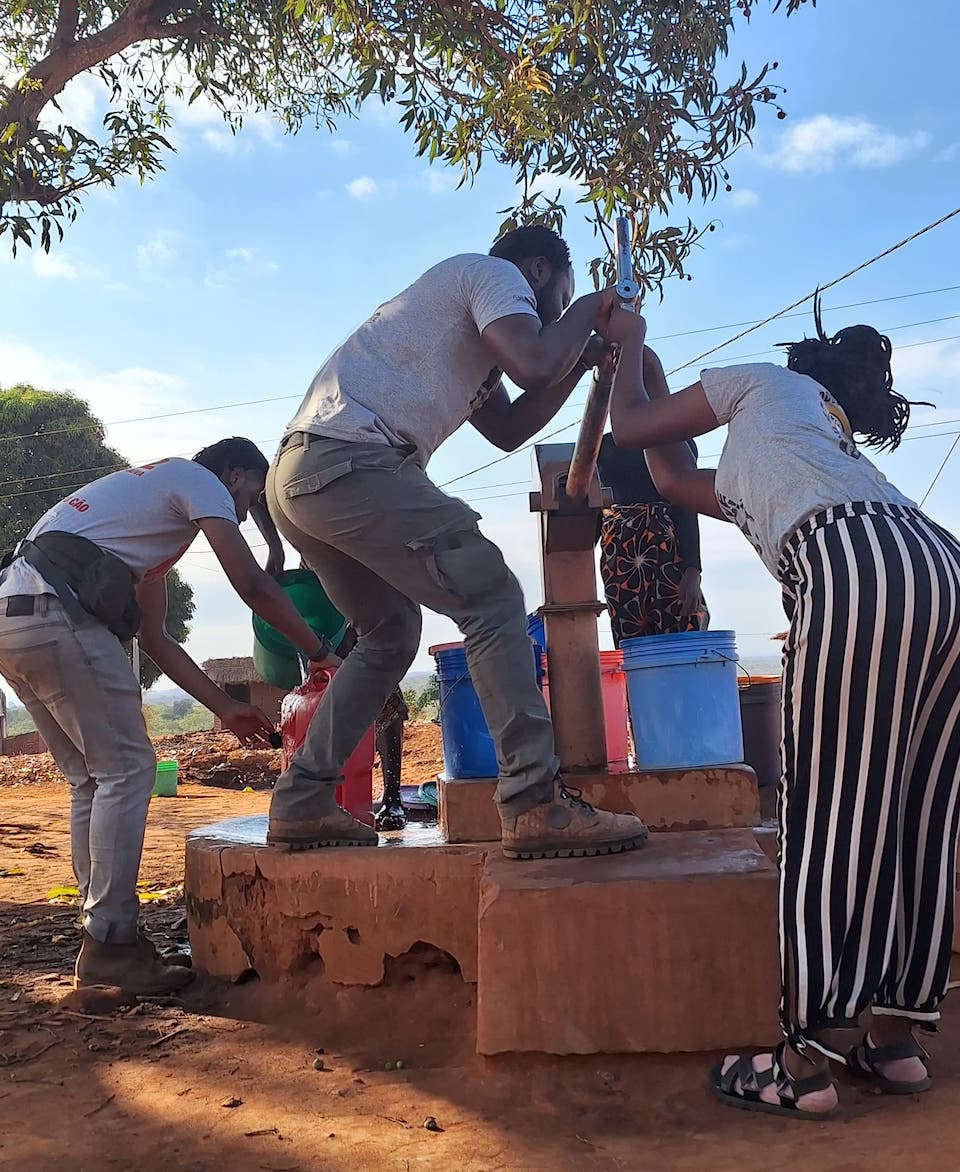
Collaborative efforts in local communities to bring clean water to their homes. Access to fresh water is essential for well-being and environmental sustainability.
The ‘One Health Approach’
A core principle of Samuell’s work is the One Health Approach – a concept that emphasises the interconnectedness of human, animal and environmental health. Samuell has integrated this framework into his daily conservation work, ensuring that veterinary practices support broader conservation goals while addressing human health concerns.
This is especially important in areas where wildlife diseases like rabies can affect both animals and humans. By applying a holistic approach, Samuell and his team are addressing not just the immediate health of wildlife but also the long-term sustainability of ecosystems and human populations.
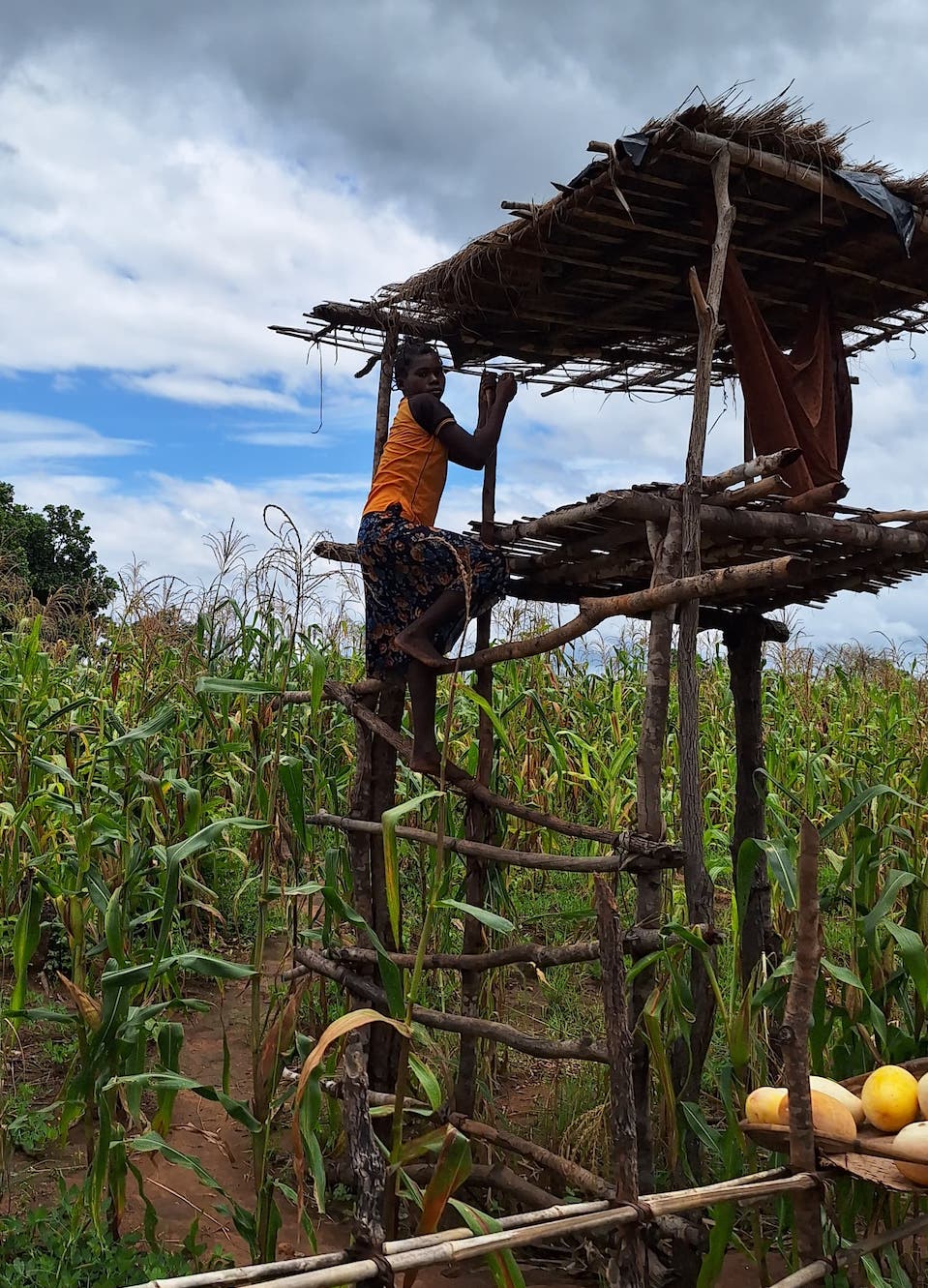
Visiting communities to foster trust and cooperation. Samuell strengthens relationships between conservationists and local populations.
Balancing clinical work with conservation efforts
As a wildlife veterinarian, Samuell’s work goes beyond treating individual animals. His role is a combination of field research, disease surveillance, community engagement and policy advocacy.
“Balancing clinical responsibilities with on-the-ground conservation efforts requires a multidisciplinary approach,” he explains. “It’s not just about treating animals; it’s about finding solutions that consider the ecological, community, and health aspects together.”
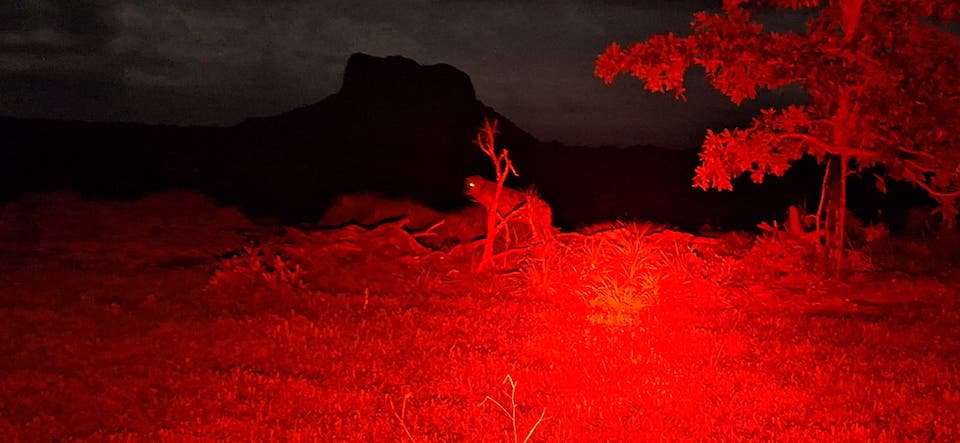
A hyena captured on camera during a routine carnivore monitoring survey.
A typical day for Samuell is never the same. He could start his day conducting health checks on wildlife, such as collaring lions for research or treating injured elephants. By midday, he might be visiting villages affected by human-wildlife conflict, offering training and implementing safety measures.
His afternoons often involve analysing field data, reporting, and preparing proposals. “At times, I work as a field operative during the day and a strategist by night, problem-solving and managing multiple responsibilities,” he adds.
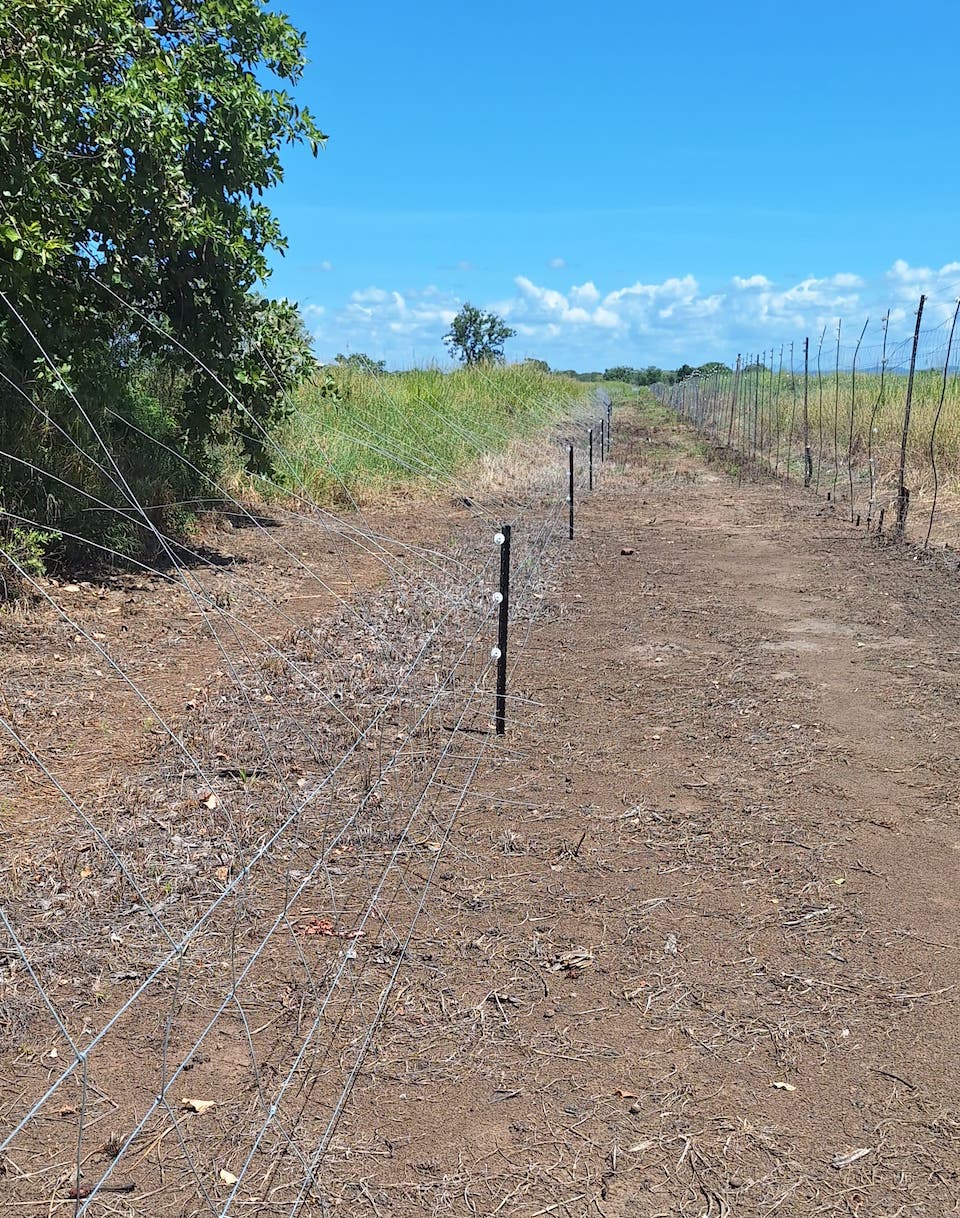
Building protective barriers to safeguard both wildlife and local communities from potential conflicts. This fence will help mitigate human wildlife conflict.
The challenges and rewards of working in the field
Working in Mozambique’s Niassa Special Reserve has brought Samuell face-to-face with some of the toughest conservation challenges, but also some of the most rewarding experiences. One such instance occurred when a lion repeatedly attacked a community, forcing Samuell and his team to respond swiftly to ensure the safety of the people. Samuell’s team spent three days in the bush, capturing the lion and safely relocating it to a protected area away from human settlements.
“This experience reinforced the idea that conservation is about finding solutions that balance community safety with wildlife protection,” Samuell reflects. “Rather than taking a life, the focus was on removing the threat and ensuring the lion could continue to play its role in the ecosystem, safely away from human conflict. The reward came not just from protecting the community, but from showing that conservation can involve solutions where both people and wildlife benefit.”
In addition to the logistical challenges of working in remote areas with unpredictable weather and limited resources, he emphasises the importance of building trust within communities. “You need to show the community that they are part of the solution,” he says. The key is aligning conservation goals with local needs, which is vital for fostering long-term, sustainable change.
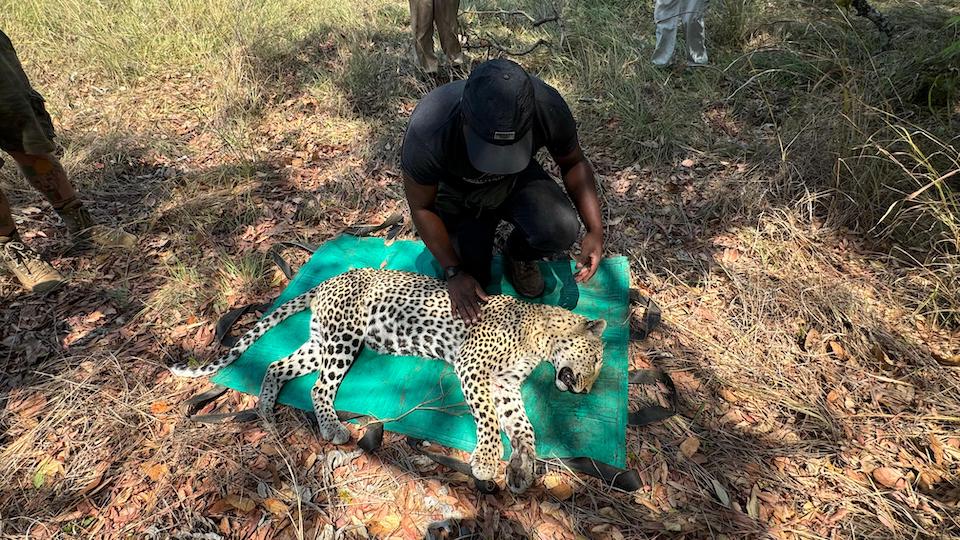
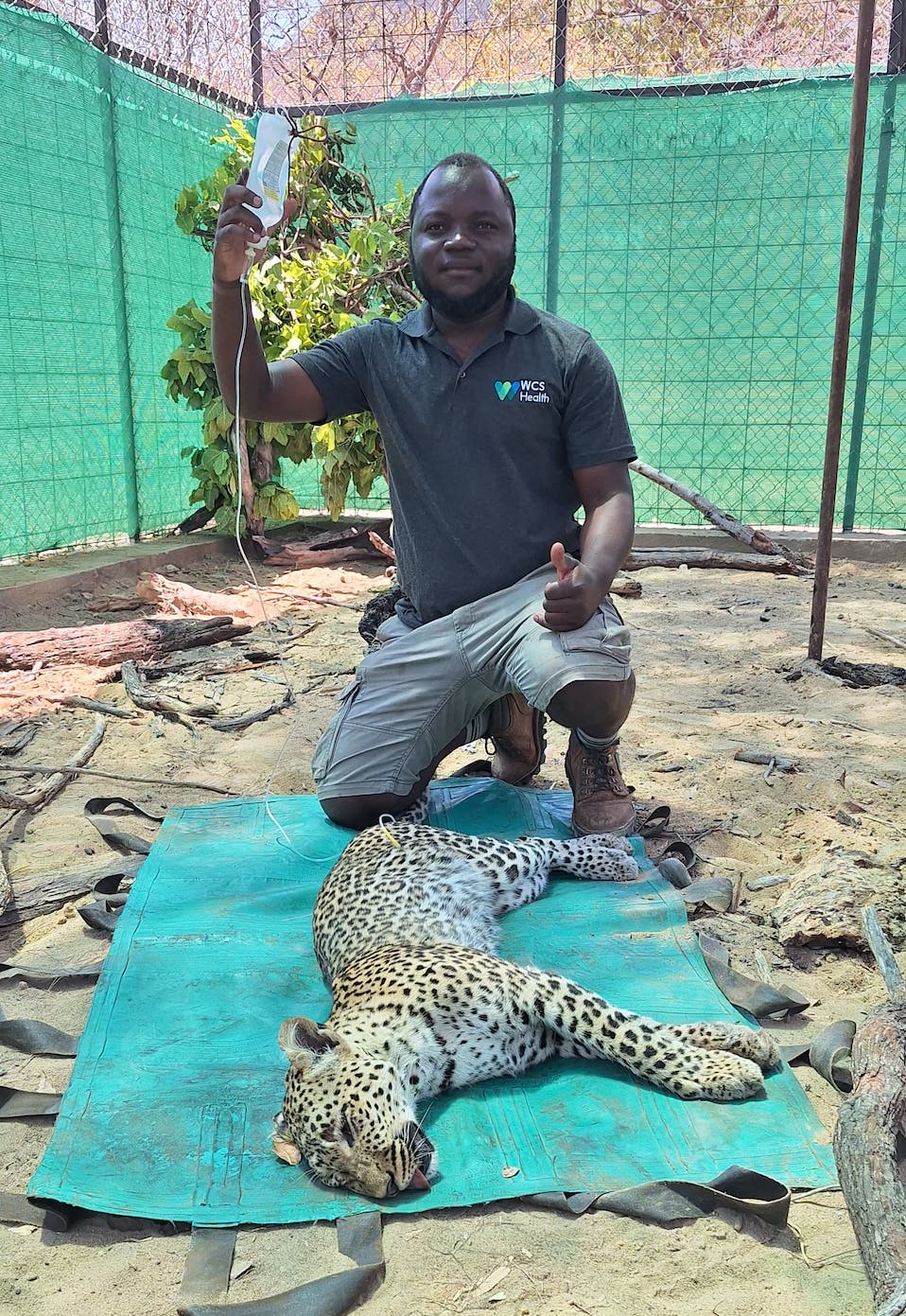
Samuell carefully captures a leopard for a health check, tagging and research.
Addressing human-wildlife conflict and anti-poaching efforts
Human-wildlife conflict remains one of the most significant challenges in conservation. Samuell’s approach focuses on engaging communities and using non-lethal deterrents like chili fences to protect crops from elephants, beekeeping to deter lions and predator-proof enclosures for livestock. These methods help reduce tensions while providing alternative livelihoods to lessen the pressure on wildlife.
For anti-poaching, Samuell has supported rapid response teams and collaborated with law enforcement to tackle wildlife crime. He also uses SMART technology (Spatial Monitoring and Reporting Tool, a technology used by wildlife conservationists and law enforcement), which helps park rangers track animal movements and poaching activity in real time, making patrols more efficient.
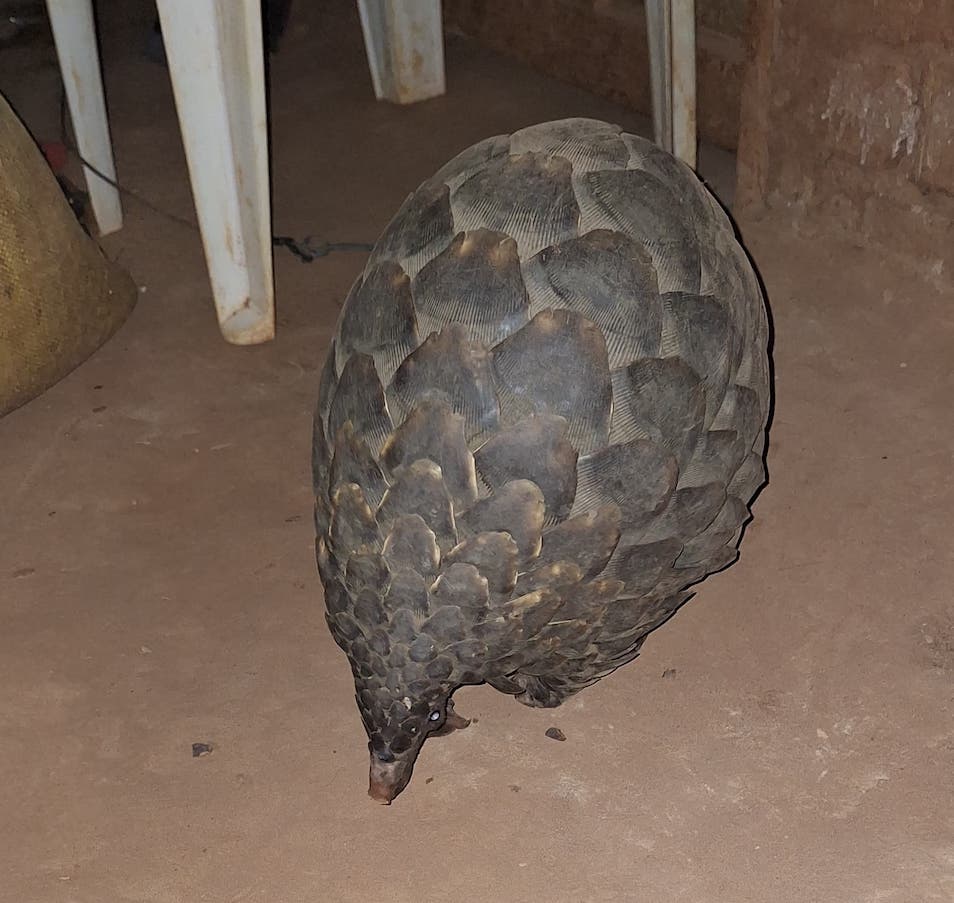
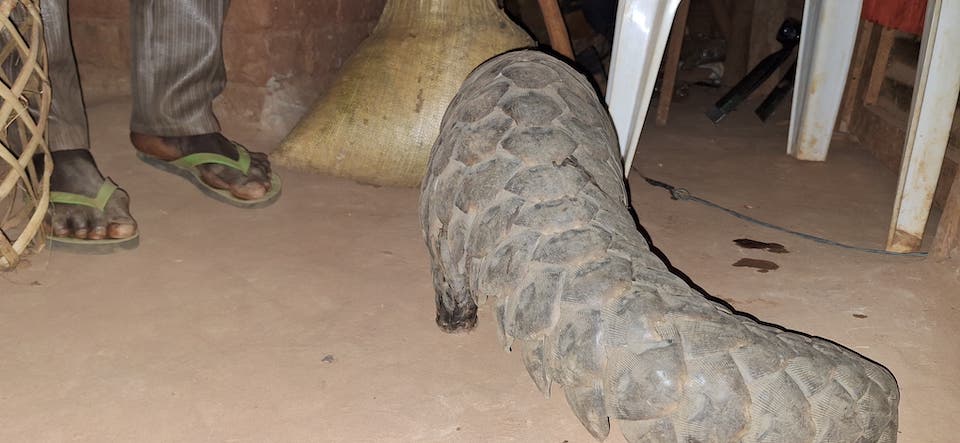
Together with the help of local community members, Samuell safely recovers a pangolin, a Critically Endangered species.
Essential skills for aspiring wildlife veterinarians
So, what does it take to become a wildlife vet like Samuell? It’s all about balancing technical know-how and people skills. On the technical side, you need a solid foundation in wildlife health, disease management, field vet practices and ecological knowledge.
But don’t forget the soft skills! You’ve got to be a pro at community engagement, problem-solving, adaptability, and teamwork.
Samuell’s advice for young conservationists? “Be prepared, stay calm, and build trust with local communities.” It’s not just about the science – it’s about understanding local cultures, learning the language and working side-by-side with communities. After all, conservation is a team sport, and the more you connect with the people around you, the bigger the impact you can make.
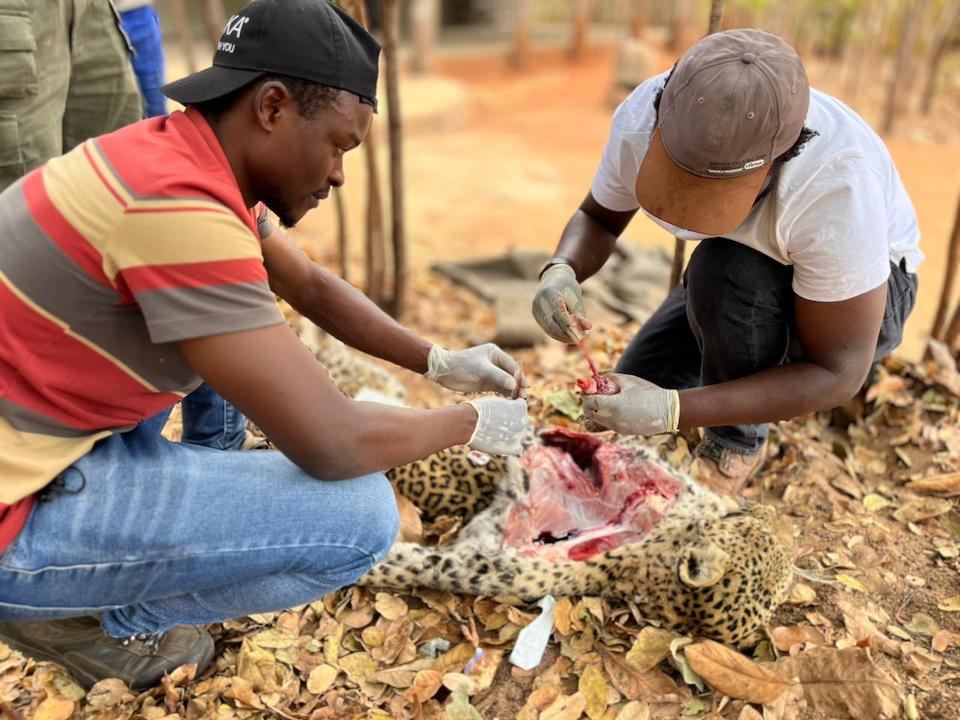
Performing a field necropsy (examination of a deceased animal to determine the cause of death) on a leopard to better understand wildlife health and the environmental factors affecting their populations.
Staying current with best practices and emerging technologies
To stay at the forefront of wildlife conservation, Samuell actively engages with networks and conservation organisations like the Wildlife Conservation Society (WCS) and the International Union for Conservation of Nature (IUCN).
In Mozambique, he is closely involved with organizations like the Mozambique Wildlife Alliance (MWA) and the Niassa Carnivore Project. “These organisations offer invaluable resources, from workshops and webinars to field training and networking opportunities,” he says.
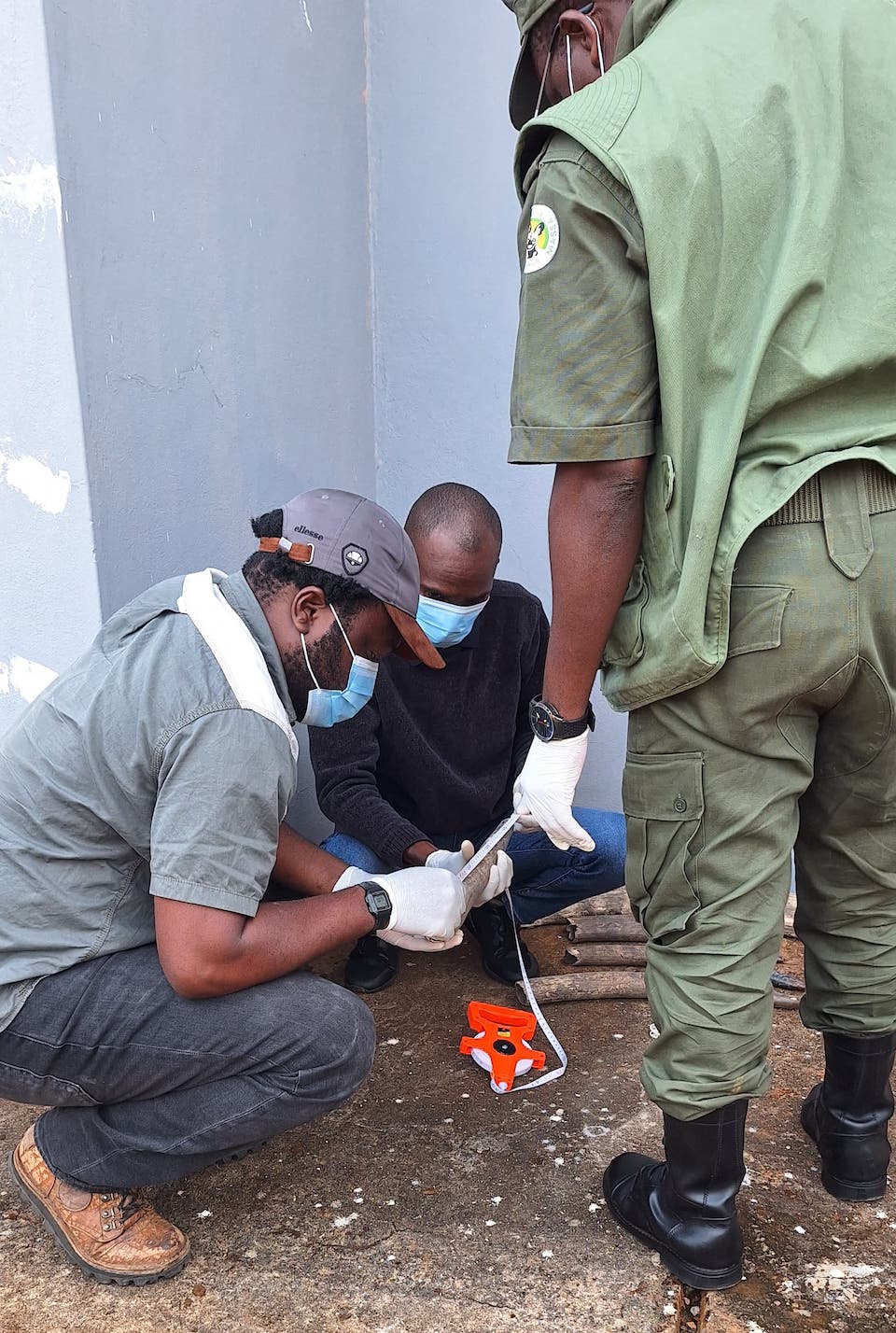
Samuell seizing ivory a critical collaboration between wildlife protection teams and local law enforcement to combat illegal poaching.
The role of collaboration and partnerships
Samuell’s work is a prime example of the power of collaboration. Whether it’s partnering with local communities, government agencies, or other NGOs, Samuell understands that conservation success relies on strong partnerships.
He strongly recommends that aspiring conservationists get involved through internships, volunteering and networking with a range of related organisations, saying “Collaboration is key to understanding the diverse needs of conservation and working toward lasting solutions.”
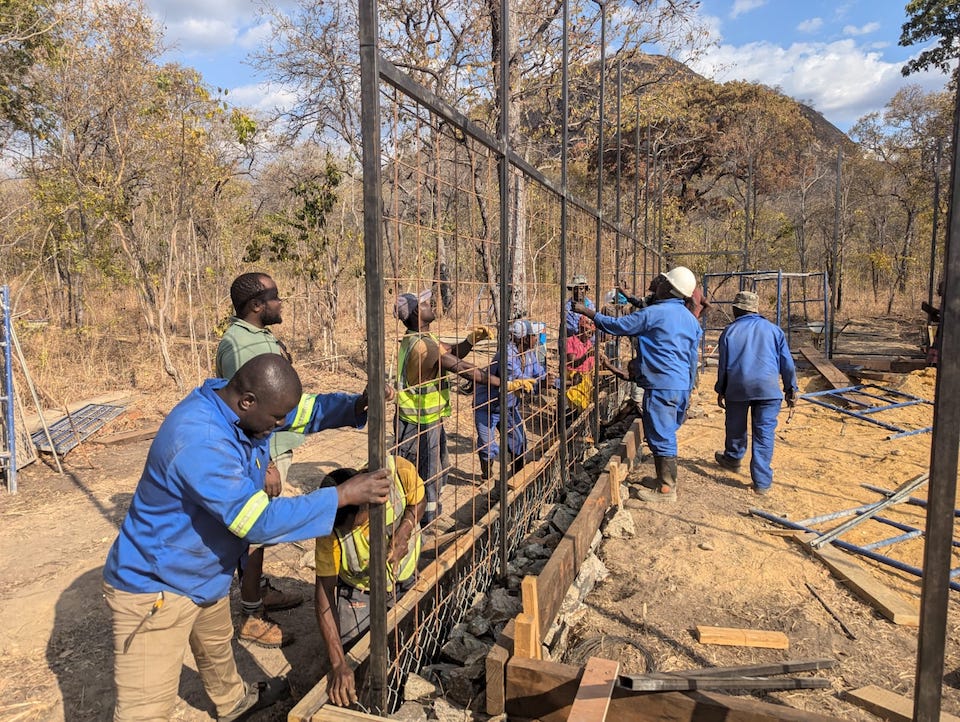
Creating a safe space for leopards. The construction of a boma (an enclosure used for the safe handling of animals during medical treatment, research or relocation) provides a secure enclosure for leopards.
How to become a wildlife veterinarian
Want to make a real impact on the world’s wildlife? Samuell’s journey shows that becoming a wildlife veterinarian is about combining passion, hands-on skills and a deep commitment to both animals and communities. Here’s how you can kickstart your own path:
- Study veterinary medicine. First things first: you’ve got to become a vet! But don’t stop there, focus on wildlife or exotic animal care to dive deep into the world of conservation. Your veterinary degree will be your foundation, but your journey doesn’t end with it.
- Get your hands dirty. Experience is everything in wildlife conservation. Internships, fieldwork or volunteering with wildlife organisations, reserves or conservation projects will give you the real-world knowledge you need. The field is your classroom, so don’t just read about wildlife, work with it!
- Specialise in conservation. Take your vet skills to the next level by specialising in wildlife health, environmental management, or conservation medicine. The more specific your training, the more you’ll be equipped to tackle the unique challenges of protecting wildlife.
- Engage with communities. Conservation isn’t just about the animals, it’s about the people too. Build relationships with local communities, because they’re the ones who live alongside wildlife every day. Their involvement is essential for the success of any conservation effort, and they can be powerful allies.
- Stay ahead of the curve. The world of conservation is constantly evolving. Stay informed by keeping up with the latest technologies, research, and trends. Network with conservationists globally, attend workshops, and seek out mentorship opportunities. The more connected you are, the more opportunities you’ll have to make a lasting impact.
So, if you’re ready to make a difference, step into the field and start learning. The world’s wildlife is waiting for you!
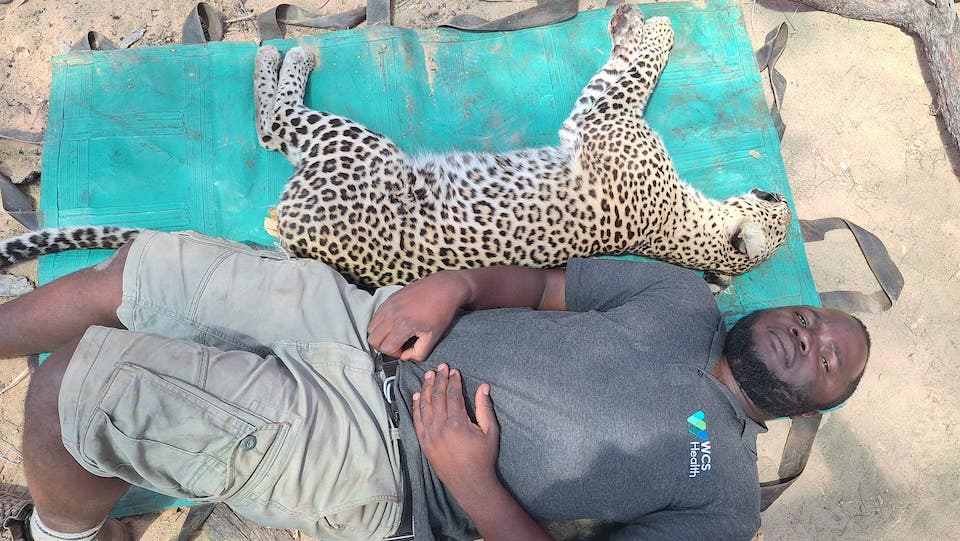
Estimating measurements of a leopard’s size during field research help track the health and growth patterns of these elusive predators.
Global opportunities for aspiring wildlife vets
For those aspiring to follow Samuell’s path, working with organisations like WCS, TRAFFIC, and Panthera is a fantastic way to get started. These international conservation giants provide opportunities to work on large-scale projects aimed at protecting endangered species, combating poaching, and addressing human-wildlife conflict on a global level.
As a wildlife vet, you could work in roles like wildlife health expert, field coordinator, or conservation scientist, all of which contribute to the protection and management of ecosystems worldwide. These organisations also offer training, internships, and networking opportunities that will broaden your skill set and give you access to critical global conservation networks.
If you’d like to learn more about the opportunities, responsibilities, career resources and more for wildlife vets, check out thie Wildlife Carer role profile from Conservation Careers.
Interested in following Dr. Samuell Bilerio’s journey? Find him on LinkedIn Dr. Samuell Bilerio and Instagram @don_bilerio.
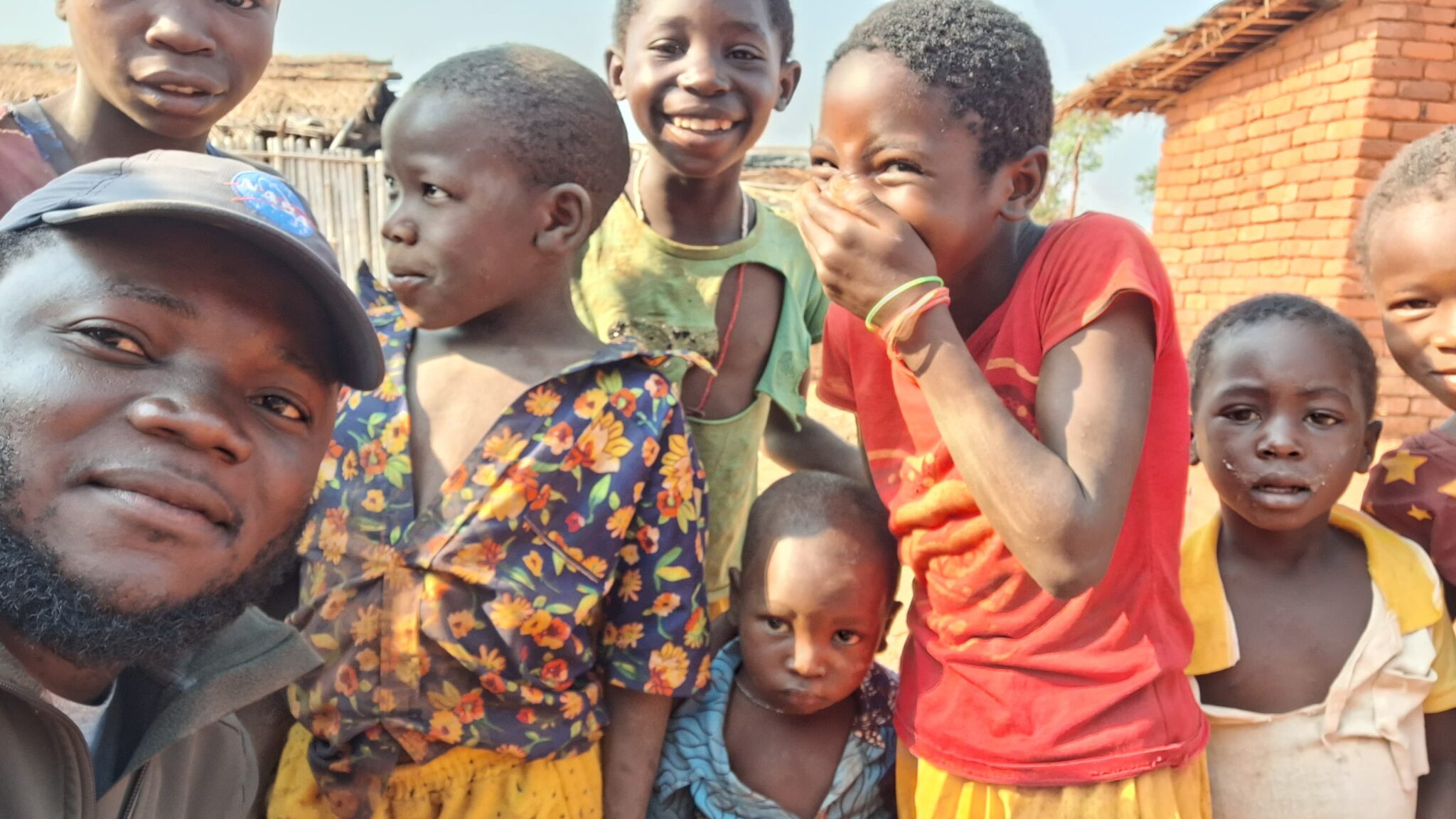
Featured image: A joyful moment of Samuell with local children, strengthening bonds between communities and wildlife conservation efforts. Children are the future stewards of our planet.
Author Profile | Stephanie Nicolaides
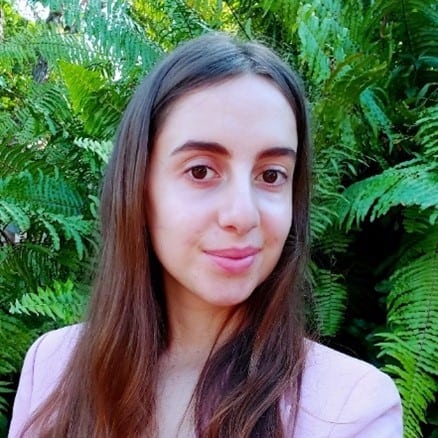 Stephanie Nicolaides is a dedicated PhD candidate in Environmental Management at the University of the Western Cape. Her research delves into the impact of plastic pollution on the Mossel Bay coastline (South Africa), with a particular focus on the effects on marine biodiversity. Her work focuses on assessing plastic presence, local knowledge, and developing sustainable solutions. Stephanie holds an MSc in Life Sciences from the University of South Africa, where her dissertation examined the behavioural ecology of African clawless otters. She also earned her BSc Hons in Life Sciences, graduating cum laude, with an honours project on personality in Leopard Tortoises. Passionate about environmental sustainability, Stephanie is committed to advancing knowledge in marine biology and contributing to efforts to protect and preserve coastal ecosystems. Connect with Stephanie on LinkedIn.