

A day in the life of a conservation ranger: The journey, challenges and rewards of protecting nature
To learn the realities of life as a Conservation Ranger, Erich Goold takes us to the remote and windswept coastline of the Fransmanshoek Conservancy, nestled along South Africa’s Southern Cape near the fishing town of Mossel Bay.
This coastal conservancy, known for its rich marine biodiversity, dramatic rocky shores, and unique fynbos vegetation, is a haven for threatened species and an essential buffer against environmental degradation.
Erich has spent years working on the front lines of nature conservation. As a ranger, His job isn’t confined to a desk, it stretches across rugged terrain, unpredictable weather and delicate ecosystems that demand constant care and attention.
Erich shares insights into what it takes to make a meaningful impact in the conservation world, from the practical skills needed to the mental and physical challenges faced in the field.
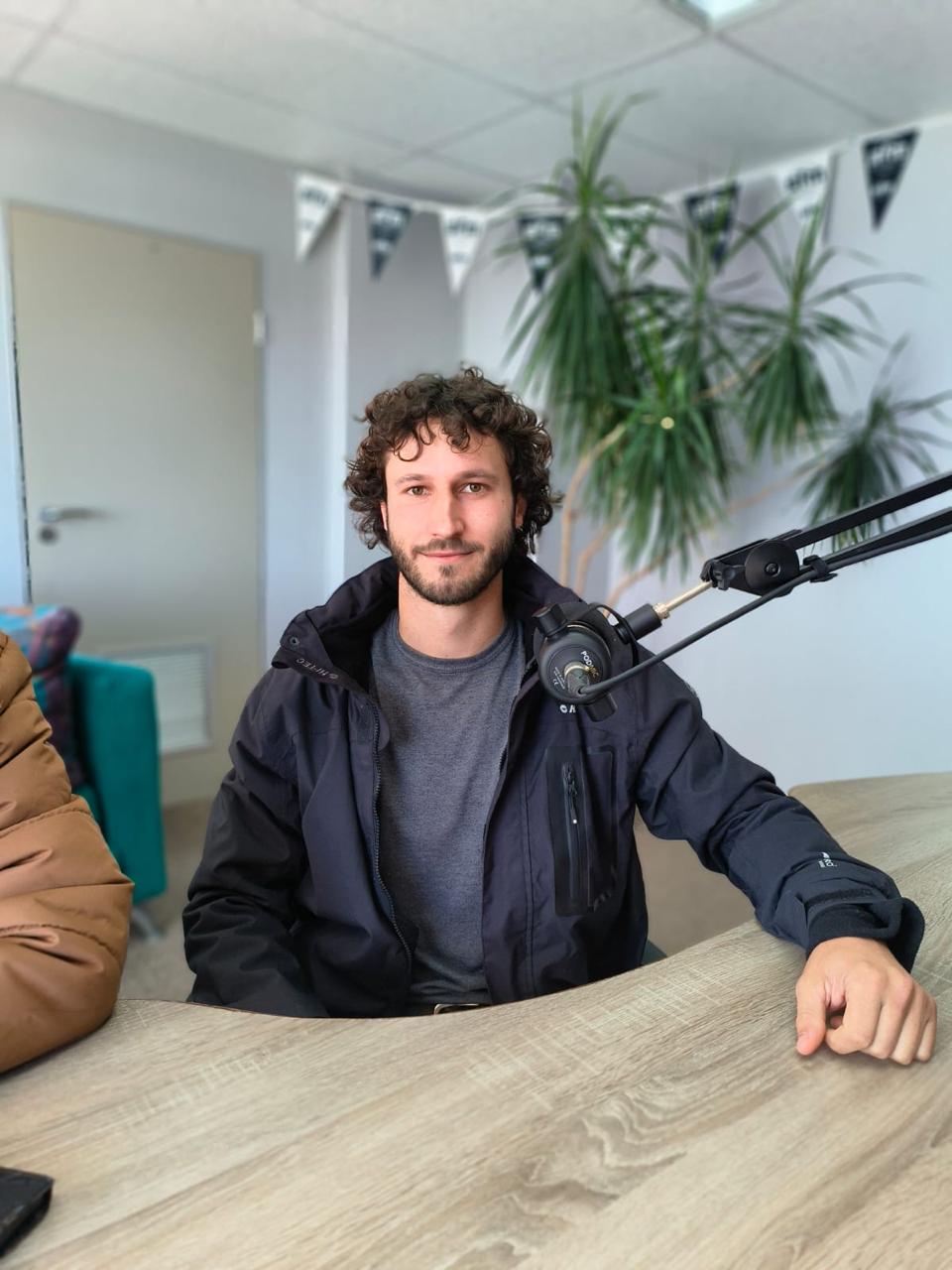
Erich being interviewed for a local radio talk discussing conservation efforts and the importance of community involvement in environmental protection.
A childhood immersed in nature: The early foundations of conservation
Erich’s love for the wild started young, fuelled by camping trips and outdoor adventures with his family. These experiences formed the foundation of his career. “You’re either inspired from a young age or you’re not,” Erich says. For him, nature wasn’t just a hobby; it was a way of life.
Erich’s early exposure led him to pursue a National Diploma in Nature Conservation at Nelson Mandela University. Despite challenges, like studying in a second language (his first language is Afrikaans), his passion for wildlife propelled him forward.
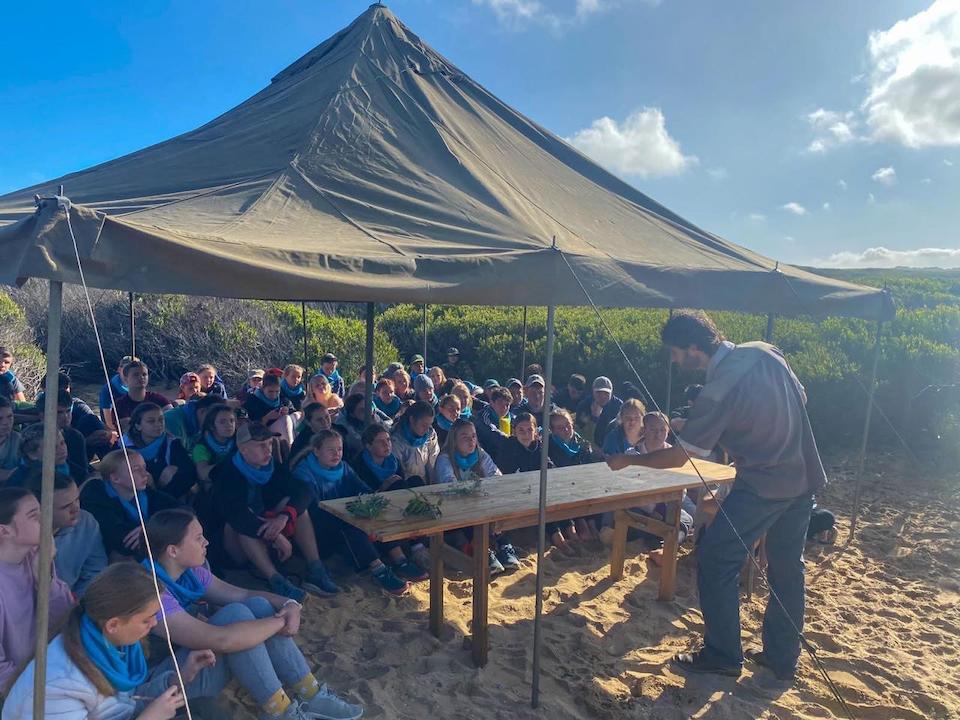
Ranger Goold educates a school group on sustainable harvesting practices and the importance of protecting the coastal ecosystem.
The road to Fransmanshoek Conservancy: Stepping into a role of stewardship
Established in 1994, Fransmanshoek Conservancy is the oldest conservancy in the Western Cape, South Africa. It spans an 18.5 km stretch of coastline from Cape Vacca in the west to Springerbaai Eco-estate in the east, encompassing diverse landscapes featuring a mix of pristine beaches, rocky shores, lush fynbos vegetation and unique coastal ecosystems.
The conservancy’s mission focuses on the conservation, protection, and rehabilitation of its rich biodiversity. This commitment to stewardship has fostered a deep sense of responsibility among locals, aiming to preserve the land for future generations. This ethos of care and community involvement drew Erich to the conservancy.
Erich had visited the conservancy as a student and had even surfed there years before, and after completing his degree, he said returning there ‘felt like it was meant to be’. He began as a student ranger, learning under the mentorship of experienced conservationists who encouraged inquiry and active engagement with the land.
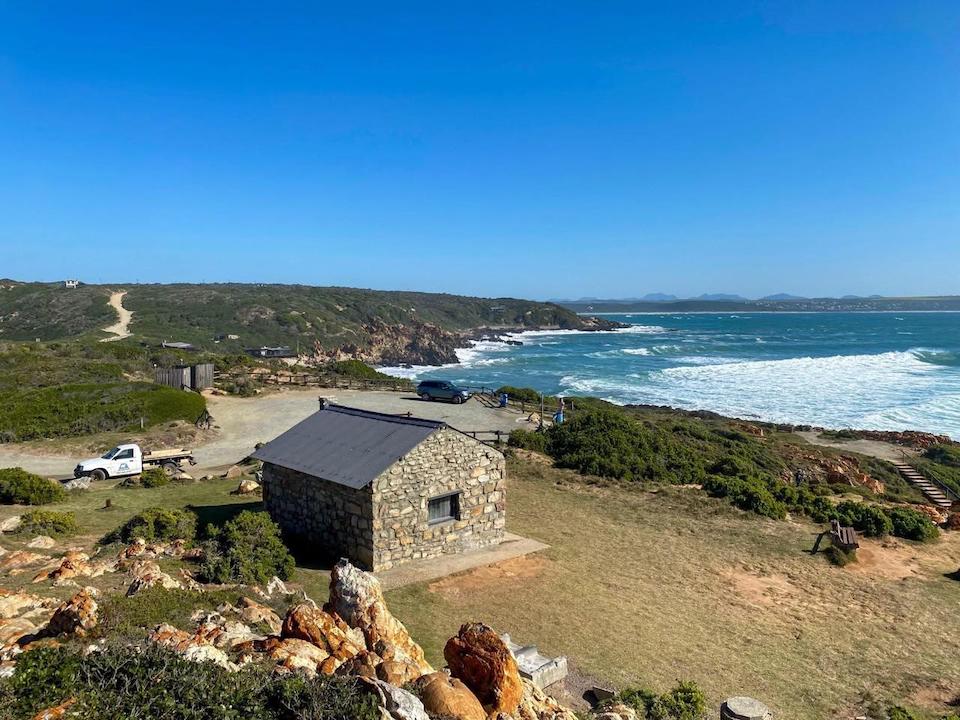
Fransmanshoek Conservancy Info Centre.
The vital role of conservation rangers: A typical week on the job
Understanding the practical reality of the job is crucial. Erich’s role as a conservation ranger involves a wide range of activities:
- Wildlife monitoring: Erich and his team regularly monitor local wildlife, conducting surveys and tracking species to ensure their populations remain stable. This includes documenting the presence of endangered species and assessing their health in the area.
- Community outreach: Engaging with local residents is a key part of Erich’s work. He promotes sustainable fishing practices, educates people on conservation efforts, and organises community events to raise awareness about the importance of protecting the environment.
- Environmental protection: Erich’s team is responsible for ensuring the protection of coastal and terrestrial ecosystems. This includes monitoring for illegal activities like poaching, protecting habitats, and enforcing conservation laws.
- Maintenance duties: On weekdays, Erich often begins his day with tasks at the Fransmanshoek Information Centre, updating educational materials, and ensuring that the centre remains in good condition to serve as an educational hub for visitors.
- Coastal patrols: On weekends, Erich and his team embark on coastal patrols, often hiking up to 24 km along the coast to check for illegal activities such as poaching or fishing in restricted areas. They also interact with local fishermen, providing education on conservation efforts.
- Administrative tasks: Erich’s weekdays often involve administrative work, including planning conservation programs, updating records, and maintaining the visitor centre’s educational resources. These tasks ensure that the conservancy runs smoothly and that ongoing projects remain organised.
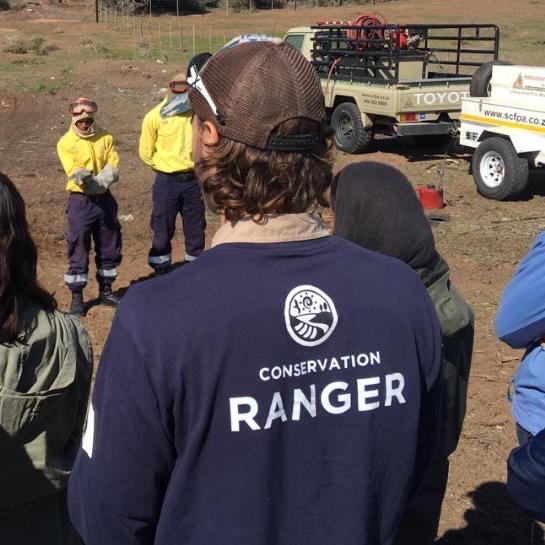
Fire safety training with conservancy team members ensuring they are well prepared for the challenges of working in the natural environment.
Conservation students: Gaining hands-on experience and real-world skills
Each year, Erich mentors conservation students from across South Africa, providing them with the hands-on experience they need to succeed in the field. Students participate in a wide range of activities, from wildlife surveys and research projects to coastal cleanups and educational outreach.
Erich believes that when students are given real-world tasks, they gain a deeper understanding of conservation’s complexities. “It’s about giving students a space to learn, to explore what interests them, and to be part of a larger mission,” says Erich.
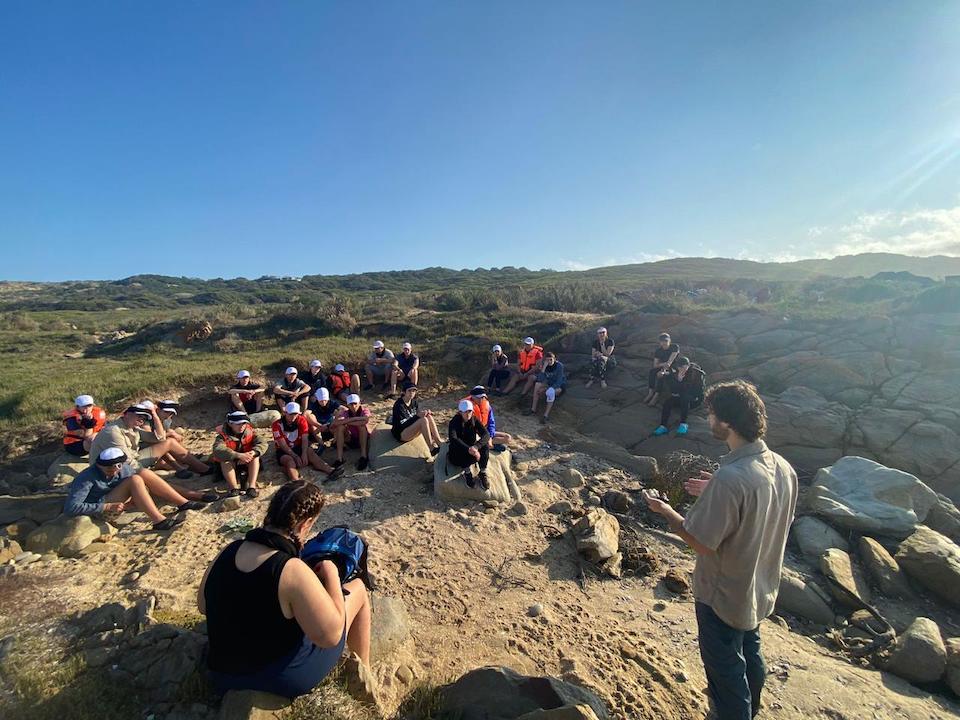
Ranger Erich Goold guiding a group of volunteers through the rocky coastline.
Tackling the challenges: Pollution, habitat loss and people’s engagement
Fransmanshoek faces challenges common to many conservation areas, pollution, habitat destruction, and illegal plant collection. One of the biggest issues Erich and his team tackle is plastic pollution along the coastline.
Erich’s team conducts regular beach cleanups while also collecting data on pollution types, which helps inform national policies. They use this data to address ocean plastic pollution at the source, reducing the flow of waste into marine ecosystems.
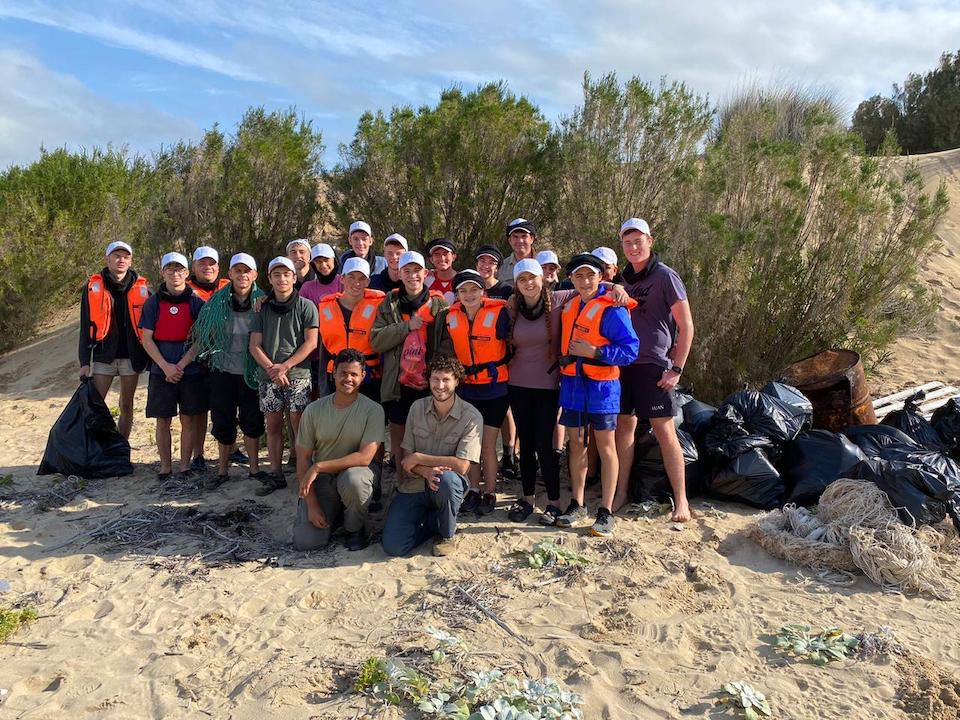
A team of passionate volunteers led by Erich Goold collecting marine debris during a beach cleanup.
The importance of communication and community relationships
As a conservationist, building and maintaining relationships with the community is crucial. Erich reasserts that he cannot overemphasise the importance of communication in conservation. In small communities, particularly in rural areas, building trust through open conversations is vital.
Through ongoing dialogue, conservationists like Erich can foster a sense of shared responsibility, ensuring that everyone is working toward the same goal: protecting nature for future generations. Erich emphasises that while conservation work is about protecting the environment, it’s equally about managing human behaviour.
“People are the problem, not nature,” he states, explaining that wildlife can thrive if given the space and protection it needs. The challenge lies in educating and collaborating with people to create a balance that benefits both wildlife and human communities.
“It’s not about policing,” says Erich, “it’s about fostering relationships and educating people.” Building trust within the community is key, and communication skills are vital.
Erich shares how one day, he was chatting with a local fisherman about sustainable fishing practices. The following day, he was talking to a group of hikers, explaining the importance of preserving the coastal habitats and the unique plants that grow along the shore.
“Each conversation is an opportunity to create awareness,” says Erich. “You’re not just telling people what to do, but showing them why it matters, and how it can help them and the environment in the long run.”
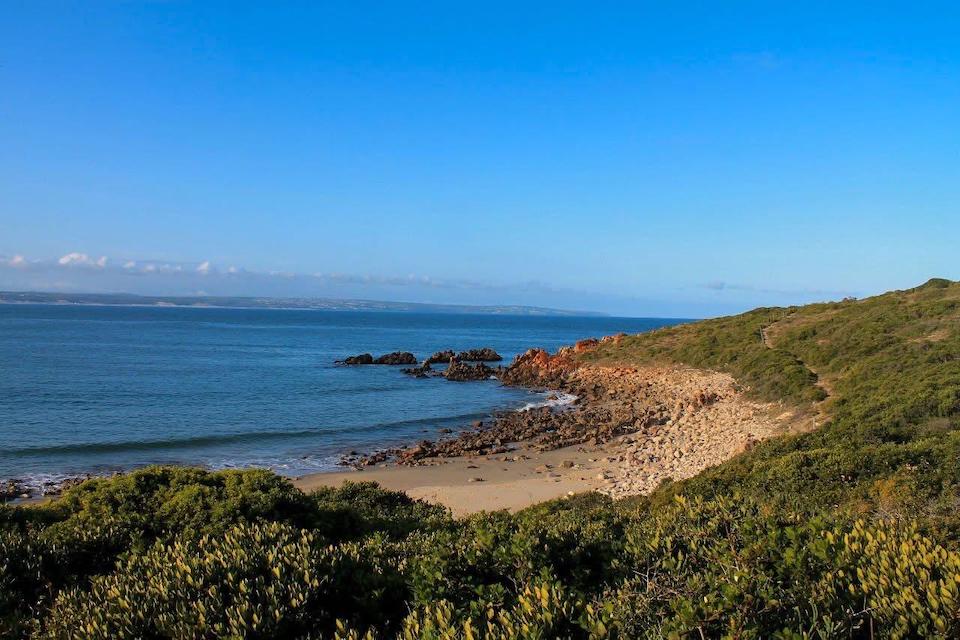
The stunning coastal beauty of Fransmanshoek Conservancy.
Advice for aspiring conservationists
Erich’s advice to those hoping to follow in his footsteps reflects the position mindset that he sees as necessary:
“If you have the passion, you’ll find a way.”
He emphasises that:
- While formal education is important, remember that passion and persistence often overcome obstacles. Choose a path that excites you, whether that’s studying conservation at university or gaining practical experience in the field.
- Field experience is the foundation of success. Start small, whether as a guide or volunteer, and work your way up. “You need to start in the field before managing a team,” Erich advises.
- The road to becoming a conservation ranger may not always be financially rewarding, but the emotional satisfaction of making a difference in nature is priceless. Stay positive and persevere.
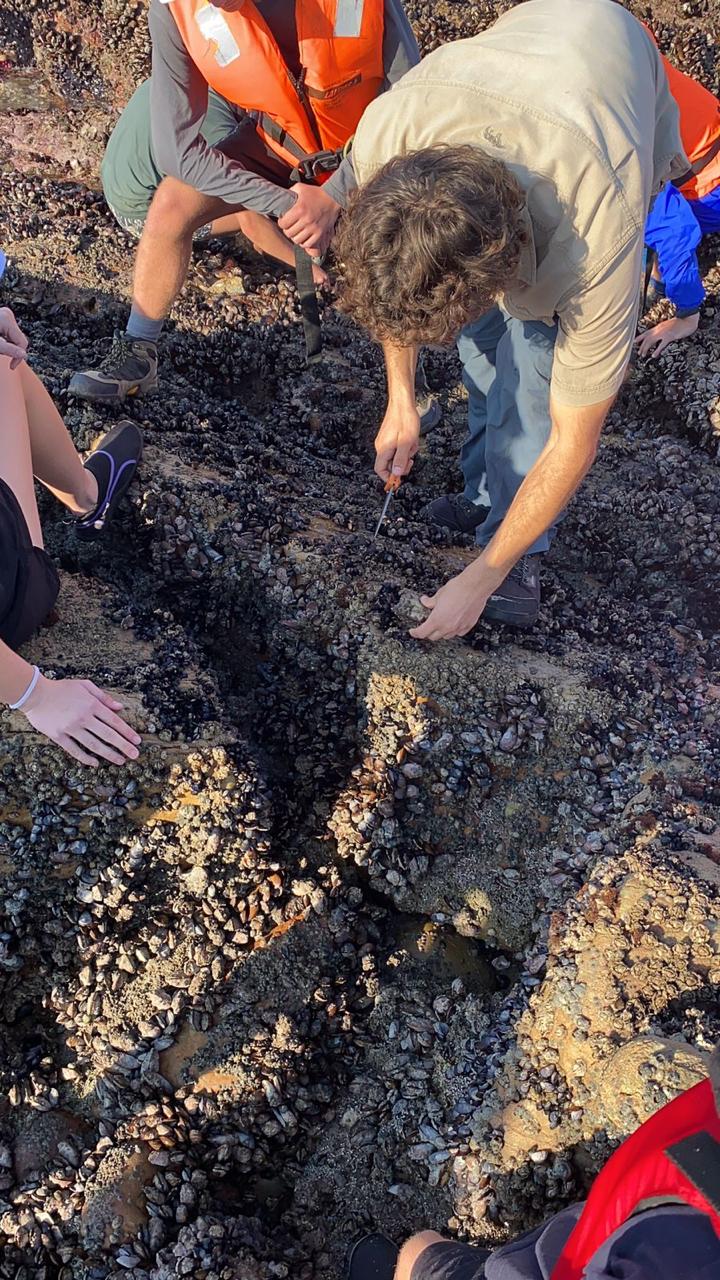
Ranger Goold demonstrates sustainable harvesting techniques on the rocky shores of Fransmanshoek.
It’s important to focus on experience, education, and community engagement. The road may be tough, but the rewards are immeasurable. Get involved, stay persistent, and always keep learning. While formal education is important, remember that passion and persistence often overcome obstacles.
Choose a path that excites you, whether that’s studying conservation at university or gaining practical experience in the field.
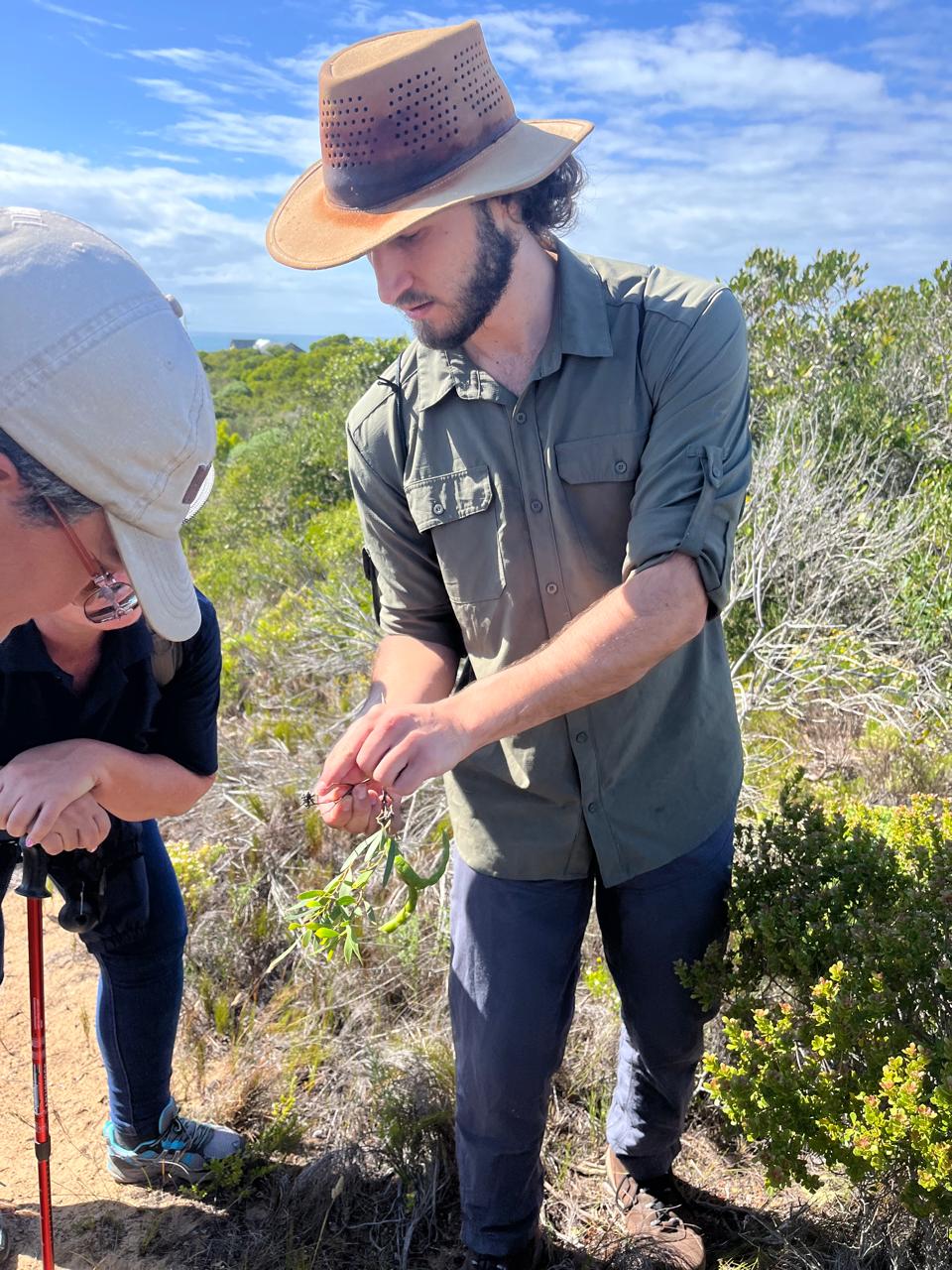
Erich Goold teaches volunteers about the unique flora of the Fransmanshoek Conservancy demonstrating how these plants contribute to the region’s biodiversity.
If you are inspired by Erich’s journey and would like to learn more about becoming a conservationist or a ranger, there are a wealth of resources available to help you take the next step:
- How to Become a Forest Ranger – Learn the steps involved in becoming a forest ranger and the skills you’ll need to succeed in the field!
- Conservation Land Manager – Explore this role profile to learn about roles that manage and protect conservation lands, from duties to requirements and much more.
- Key Conservation Roles – Explore the 11 key roles in conservation, from Conservation Land Manager to Educator to Scientist and more.
These resources can help you continue your journey into the world of conservation, gain more knowledge and potentially find your own path to make a real impact.
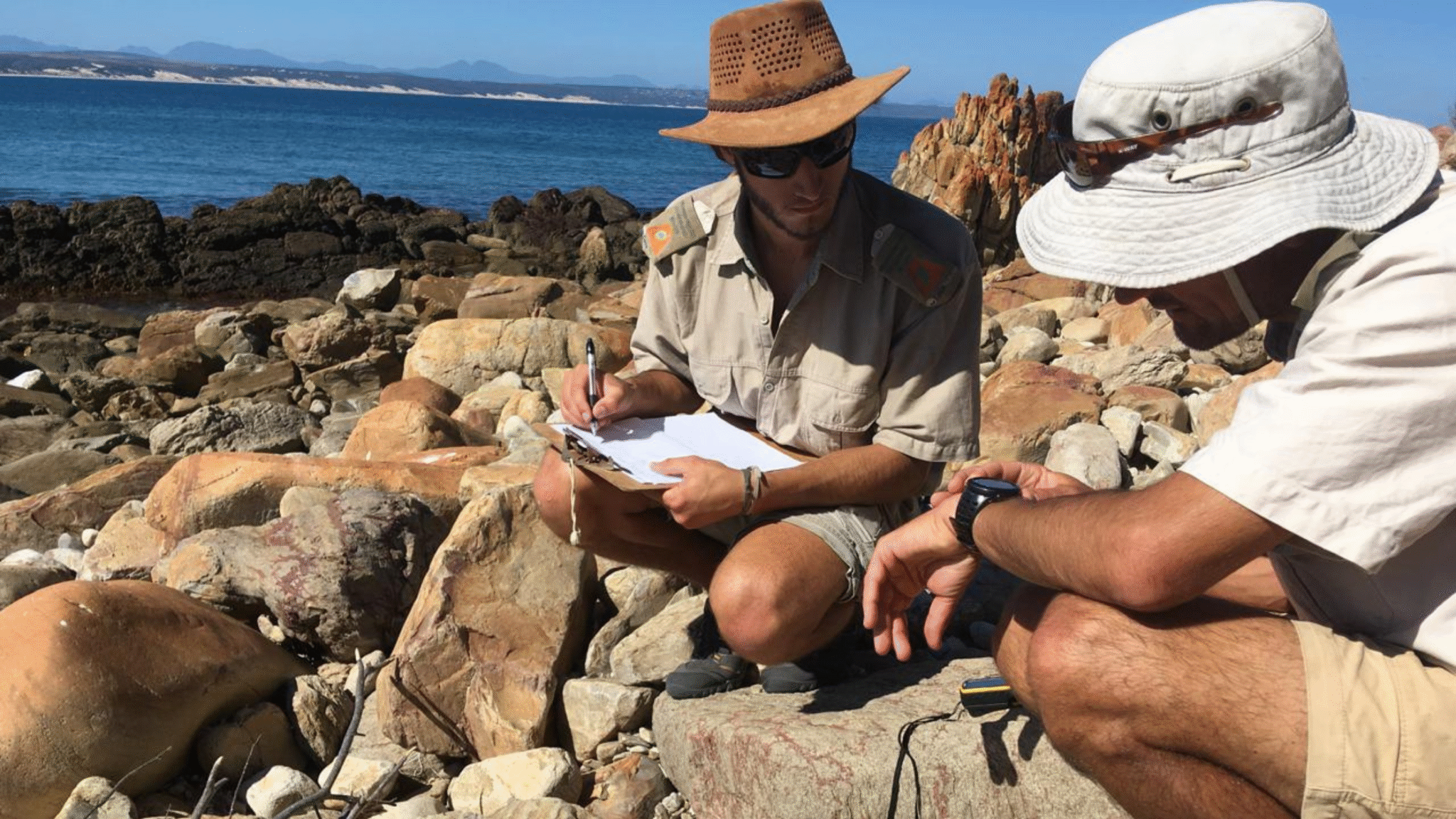
Featured Image: Monitoring Black Oystercatcher nest sites at the Fransmanshoek Conservancy ensuring the preservation of local bird species. Credit: Erich Goold.
Author Profile | Stephanie Nicolaides
 Stephanie Nicolaides is a dedicated PhD candidate in Environmental Management at the University of the Western Cape. Her research delves into the impact of plastic pollution on the Mossel Bay coastline (South Africa), with a particular focus on the effects on marine biodiversity. Her work focuses on assessing plastic presence, local knowledge, and developing sustainable solutions. Stephanie holds an MSc in Life Sciences from the University of South Africa, where her dissertation examined the behavioural ecology of African clawless otters. She also earned her BSc Hons in Life Sciences, graduating cum laude, with an honours project on personality in Leopard Tortoises. Passionate about environmental sustainability, Stephanie is committed to advancing knowledge in marine biology and contributing to efforts to protect and preserve coastal ecosystems. Connect with Stephanie on LinkedIn.