

Sting in the shadows: Fighting wildlife crime in the heart of Africa
The forest near the Congolese border was thick with tension. The mission: intercept the illicit cargo, dismantle the syndicate and avoid casualties.
This kind of covert “sting”, an undercover operation designed to catch criminals in the act, was familiar territory for Grevis Mutendi. In a remote clearing, long exploited as a smuggling corridor, half a ton of pangolin scales sat hidden beneath plastic tarps, prepped for illicit export.
It was just after midnight. A rusted flatbed truck waited under moonlight. Armed traffickers smoked and paced. They had no idea that eyes were watching.
From the brush, a tactical unit held its breath. Radios hissed. Grevis Mutendi, a Senior Intelligence Officer with over a decade of experience in anti-poaching operations, scanned the site. This was his domain.
The signal came. In a flash, boots stormed the clearing. Orders shouted. Weapons dropped. Arrests were made. And just like that, a major link in Central Africa’s wildlife trafficking chain was severed.
As a Senior Anti-Trafficking and Anti-Poaching Intelligence Officer, Grevis has spent over a decade fighting wildlife crime and illegal trafficking across Africa. His journey began with a deep passion for protecting endangered species, inspired by his childhood connection to nature.
Growing up in the Democratic Republic of Congo (DRC), where conservation challenges are particularly pronounced, he has dedicated his life to combating poaching and preserving biodiversity.
For aspiring conservationists, especially those interested in anti-poaching or conservation intelligence, Grevis has invaluable advice on how to build a career and create lasting impact in this field.
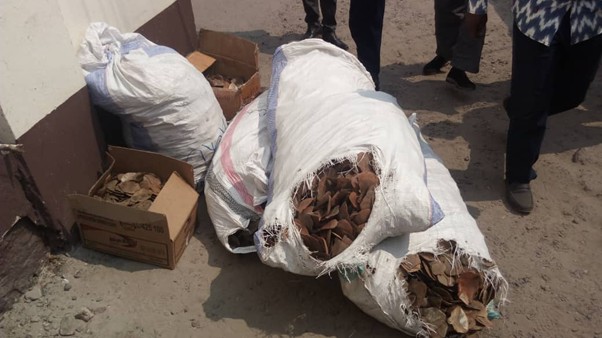
Seized pangolin scales packaged for illegal export. Pangolins are among the world’s most trafficked mammals.
Cultivate passion and curiosity
“Many young professionals express a desire to protect wildlife but feel overwhelmed by the enormity of the task,” says Grevis. The first step is to cultivate a genuine passion for the cause, combined with an insatiable curiosity and a willingness to learn continuously.
Whether you’re working on the frontlines of conservation or in an intelligence role, you need to remain passionate and motivated, even when faced with complex challenges.
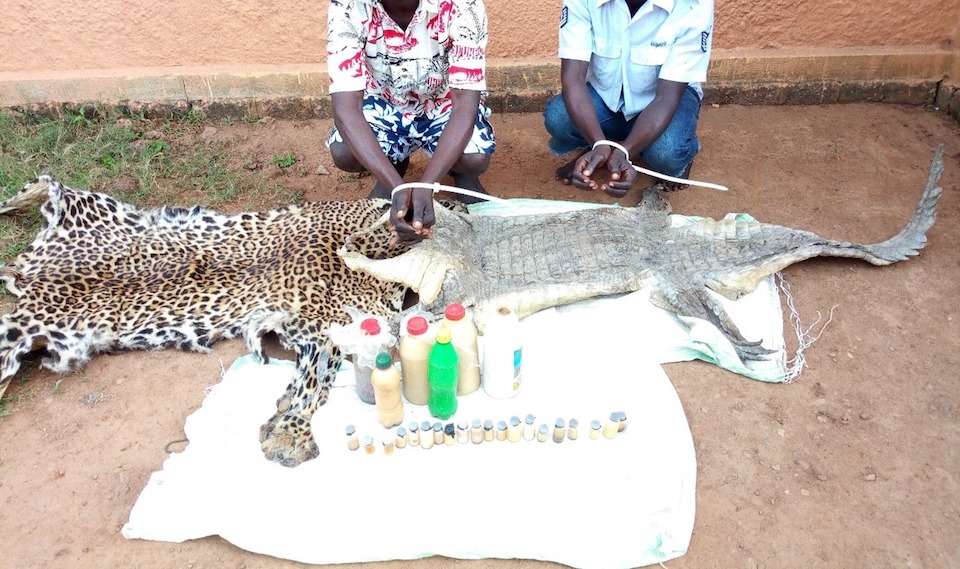
Two traffickers arrested with leopard skin, crocodile hide and wildlife-based traditional medicine products.
Understand the bigger picture
Conservation is not just about the wildlife you see in the field. Grevis stresses the importance of developing a diverse skill set, including technical, scientific and communication skills.
“Conservation doesn’t just happen in the wild,” he explains. “It involves a deep understanding of the social, economic, and political factors that influence biodiversity preservation.”
By cultivating a broad skillset and understanding, aspiring conservation leaders can contribute more effectively to solving the challenges faced by our planet’s wildlife.
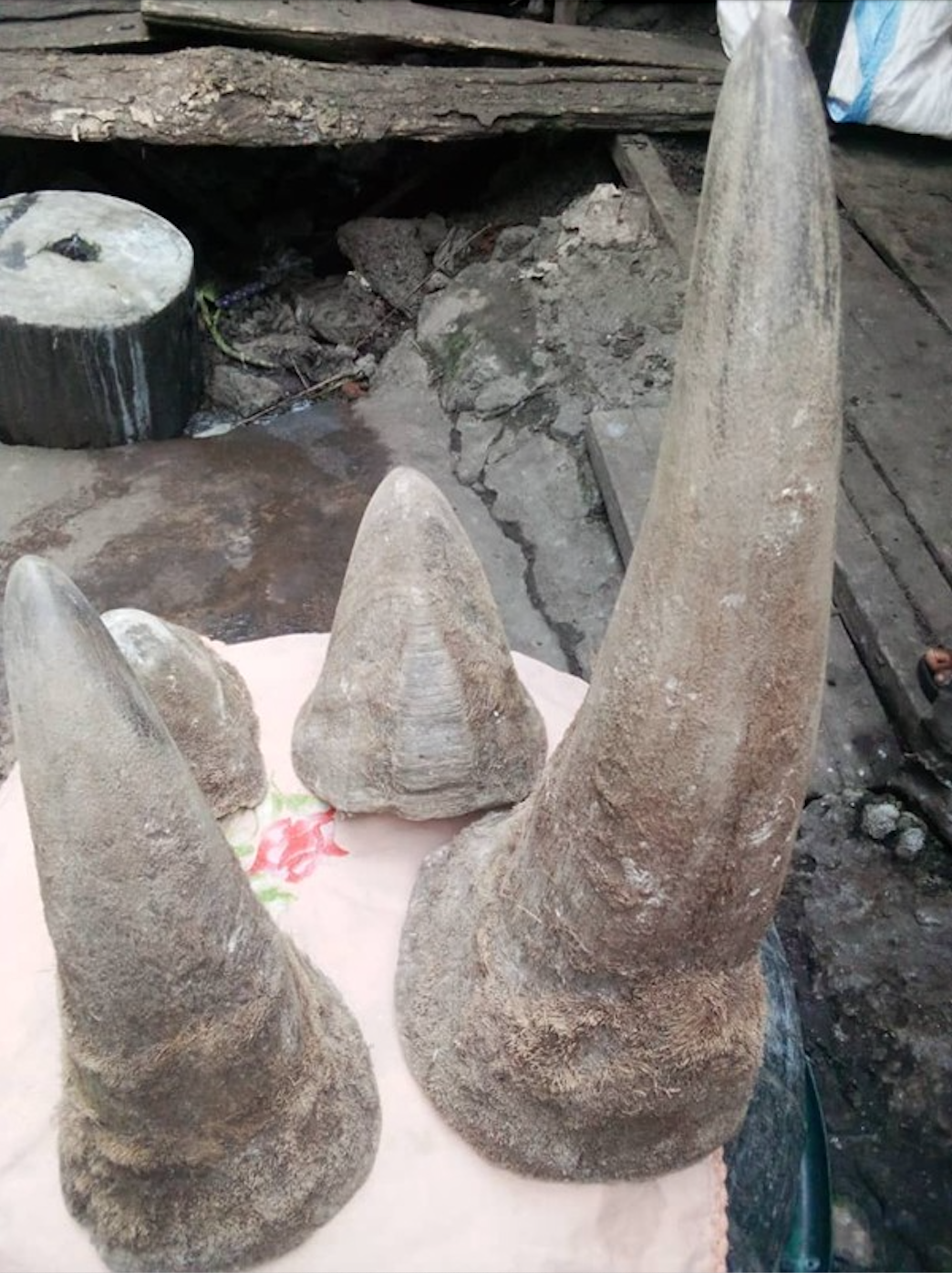
Confiscated rhino horns intercepted before being trafficked across borders. The illicit trade in rhino horn continues to drive poaching across Africa, fueled by demand in illegal market.
Embrace resilience and patience
In Grevis’ career, resilience has been key to his success. He reflects that many moments of growth came through hardship.
“It’s essential to never give up,” he advises. The fight against poaching and wildlife trafficking is long and difficult, requiring perseverance and patience. This mindset, combined with practical experience and ongoing learning, is crucial to achieving long-term success in conservation.
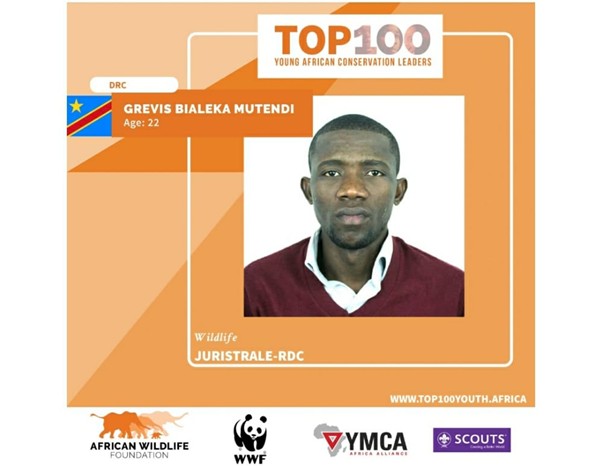
Grevis Mutendi recognised as one of Africa’s Top 100 Young Conservation Leaders.
The nature of syndicates and threatened species
Grevis’ role involves intercepting complex criminal networks responsible for wildlife trafficking. These syndicates often operate across borders, coordinating illegal trade networks that span continents.
Some of the most notorious criminals in wildlife trafficking are linked to organised crime rings involved in the illegal sale of ivory, rhino horn, pangolin scales and exotic animal skins. He and his team also tackle operations related to the illegal trade of rare plants and animals, such as big cats, turtles and exotic birds.
In the DRC, the challenge is heightened by the presence of armed groups that control vast stretches of the landscape, making it difficult to protect species like elephants, gorillas and okapis. Grevis’ intelligence-gathering work has led to the dismantling of several large criminal syndicates operating in the region. These operations often target species that are particularly vulnerable, like elephants for their ivory or rhinos for their horn.
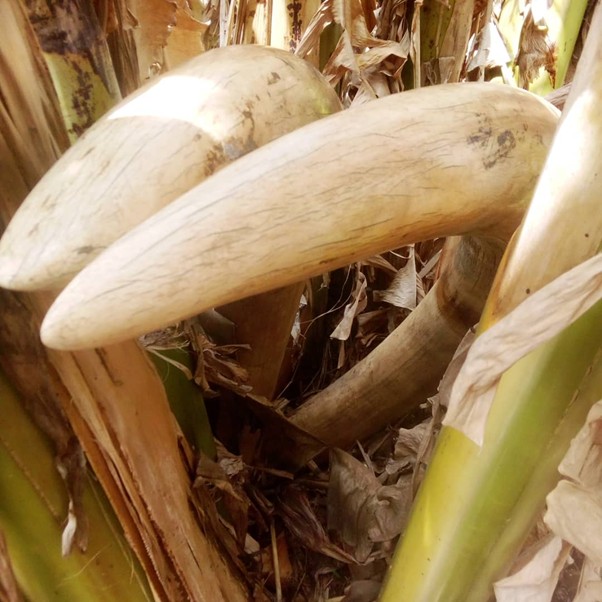
Elephant ivory stashed among banana trees, evidence of how traffickers conceal high-value wildlife products in rural areas to evade detection.
One of the most dangerous parts of his job involves working undercover to gather intelligence and infiltrate these syndicates. In his experience, these criminal groups often use advanced tactics, such as smuggling animal parts through international shipping routes or underground networks.
The criminals behind these illegal activities tend to be highly skilled, operating in well-organised cells (small, organised groups within a larger network of criminals) that span multiple countries. As a result, Grevis’ work requires collaboration with international law enforcement agencies and NGOs to successfully intercept these operations.
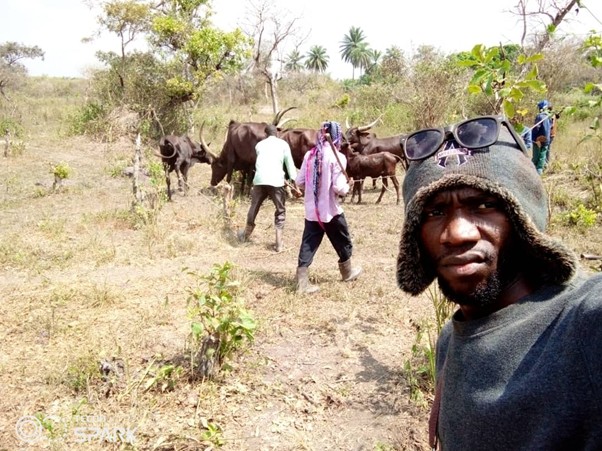
Grevis documenting human-wildlife conflict zones where herders and wildlife often compete for resources, an important dimension in conservation intelligence.
Intelligence gathering: How operations work
Intelligence gathering and strategic planning are the backbone of Grevis’ work. Operations against poaching and trafficking are planned with great care, as the risks involved are high.
He uses a variety of tools to track down illegal activities, including open-source intelligence (information gathered from publicly available sources such as news reports, social media, or satellite images), satellite imagery and information shared from local informants.
The goal is always to stay one step ahead of the criminals, anticipating their movements and identifying key points of vulnerability within the trafficking networks.
“Intelligence is the foundation of our work,” says Grevis. “You need to know who the players are, where they are operating, and what routes they are using to move wildlife products.” Once information is gathered, his team carries out targeted operations with the help of local law enforcement and international partners.
These operations are typically carried out in remote and dangerous areas where poaching syndicates operate, often involving undercover work, surveillance, and the use of advanced technologies like drones and satellite systems.
In a notable operation Grevis led in the DRC, his team dismantled a network responsible for trafficking pangolin scales. Working with local police and international partners, they intercepted a shipment that was destined for an illegal market in Asia. This operation not only resulted in arrests but also led to the seizure of half a ton of pangolin scales, an invaluable victory in the fight to protect this Critically Endangered species.

Illegally harvested hardwood timber marked for transport. Environmental crimes extend beyond wildlife and include deforestation and logging without permits.
Leadership qualities for aspiring conservationists
To succeed in leadership roles, Grevis believes that aspiring conservation leaders must possess certain personal qualities:
- A strong moral sense and ability to inspire trust.
- Passion and commitment to nature and wildlife.
- Communication skills to motivate and mobilise teams.
- The resilience to face challenges and make difficult decisions.
He advises future leaders to engage in training programs, develop project management skills, and learn to communicate effectively. “A leader must be able to guide and inspire others,” Grevis says. “As you move forward, always aim to grow your leadership skills and lead by example.”
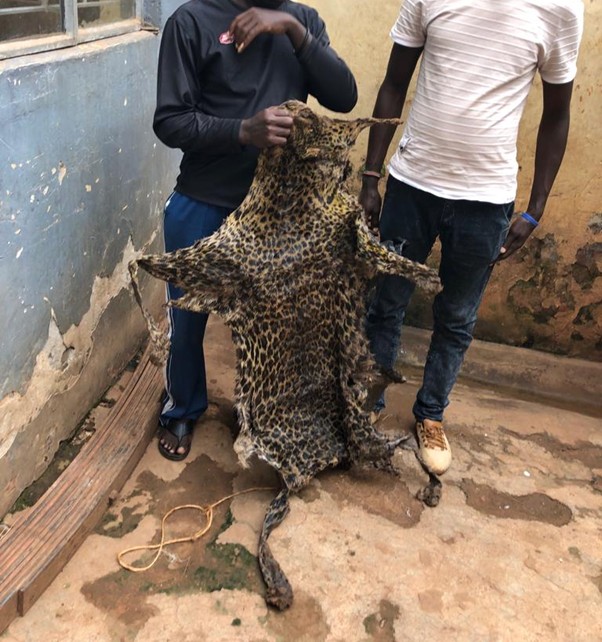
Confiscated leopard skin, evidence from a high-risk sting targeting big cat traffickers.
Cross-border collaboration: The new conservation frontier
The syndicates Grevis fights don’t recognise national borders, which is why global partnerships are key. He works closely with international NGOs, INTERPOL and regional authorities to share intelligence and co-lead operations. “We’re stronger when we work together,” he explains. “It’s about uniting efforts, not duplicating them.”
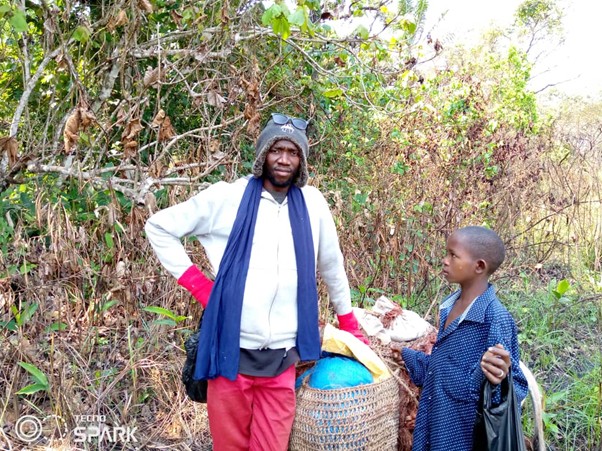
Grevis on assignment in a remote forest village, engaging local communities and gathering critical intel for future operations.
Technology and innovation: Staying one step ahead
In Grevis’ view, the next major challenge in conservation will be adapting to the changing dynamics of wildlife crime and biodiversity loss. Technology and innovation, including the use of advanced surveillance and monitoring tools, will be essential to future conservation efforts.
Grevis is a strong advocate for embracing emerging tools—from drone surveillance to AI-driven data analysis. “Traffickers evolve,” he says. “So must we.” He encourages aspiring conservationists to develop tech literacy alongside traditional ecological skills.
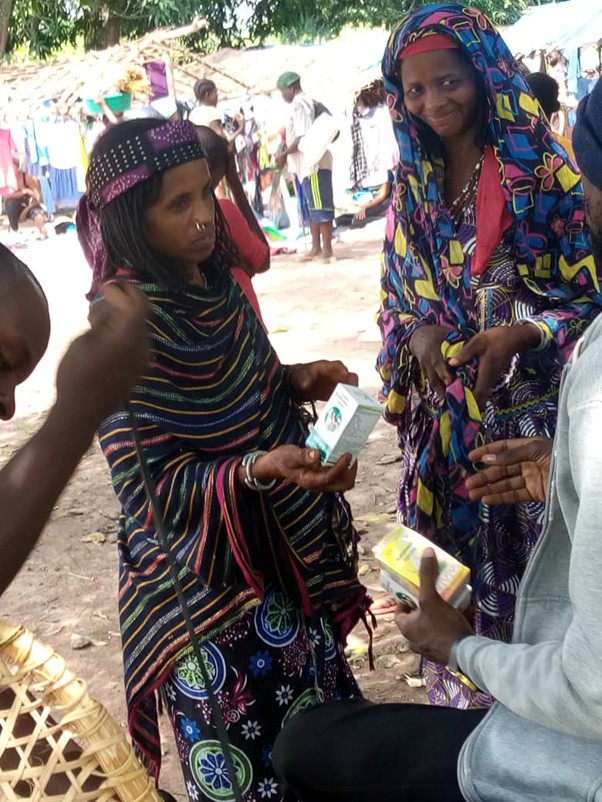
Community outreach remains key to preventing wildlife crime. Here, Grevis engages with local Fulani women during a field mission to promote legal livelihoods.
Legacy and future impact
Grevis’ ultimate goal is to leave behind a legacy where wildlife thrives, protected and valued by all. “Our fight is a legacy of hope for future generations,” he says. For future conservationists, his advice is clear:
“Stay resilient, work together and never stop fighting for nature.”
In his view, every conservationist can contribute to this legacy by making small but meaningful actions every day. “The future of conservation is in your hands.”
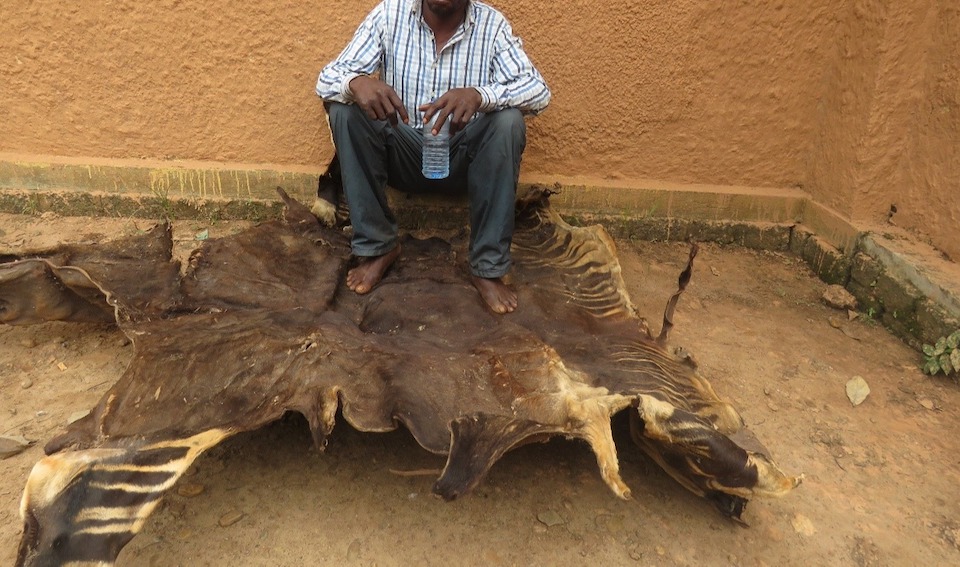
A suspect apprehended with an illegal okapi skin. Poached for their hides, okapi populations are increasingly targeted in bushmeat and wildlife skin markets.
Resources & further reading
Wildlife crime and anti-Poaching initiatives in Africa
Many of Grevis’ operations are coordinated through collaborative efforts with NGOs, INTERPOL and intelligence agencies. To learn more about similar programs:
- TRAFFIC – Wildlife Trade Monitoring Network
- INTERPOL Environmental Security
- African Parks – Law Enforcement
- WILDLABS Tech Hub for Conservation
For aspiring conservation intelligence officers
Interested in building a career like Grevis’? These resources will help you get started in conservation law enforcement, intelligence and anti-poaching:
- Career Development & Training in Forensics & Anti-Poaching: 2‑Week International Course: Wildlife Forensics & Crime‑Scene Management. Hosted at the Wildlife Forensic Academy in South Africa, this immersive course equips participants with hands-on skills in wildlife crime scene investigation, evidence collection, moot courtroom practice and more. A unique opportunity for those aiming to enter wildlife intelligence and law enforcement sphere.
- Conservation Careers Job Board. Regularly updated job listings including law enforcement, intelligence and ranger support roles across Africa and globally.
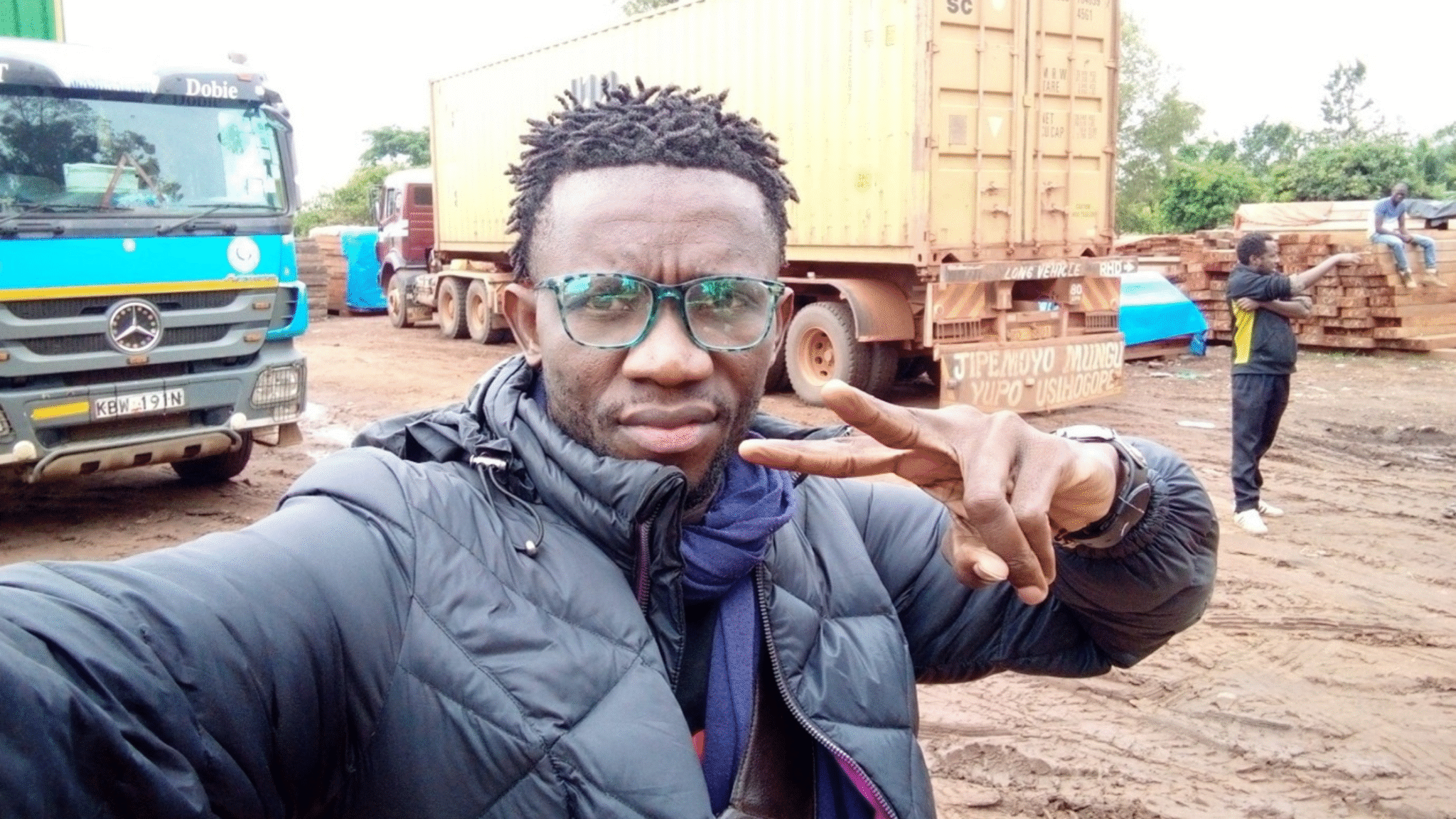
Featured image: Covert intel at a suspected timber trafficking site, blending in to expose the trade.
Author Profile | Stephanie Nicolaides
 Stephanie Nicolaides is a dedicated PhD candidate in Environmental Management at the University of the Western Cape. Her research delves into the impact of plastic pollution on the Mossel Bay coastline (South Africa), with a particular focus on the effects on marine biodiversity. Her work focuses on assessing plastic presence, local knowledge, and developing sustainable solutions. Stephanie holds an MSc in Life Sciences from the University of South Africa, where her dissertation examined the behavioural ecology of African clawless otters. She also earned her BSc Hons in Life Sciences, graduating cum laude, with an honours project on personality in Leopard Tortoises. Passionate about environmental sustainability, Stephanie is committed to advancing knowledge in marine biology and contributing to efforts to protect and preserve coastal ecosystems. Connect with Stephanie on LinkedIn.