
You don’t have a networking problem

Let’s talk about talking to humans.
If you’re trying to build a career in conservation – especially if you’re transitioning in – and you’re not reaching out to people…
…you might think you have a networking problem.
I’m guessing you don’t.
If this sounds familiar:
- You re-draft a message five times… and don’t send it.
- You open LinkedIn… then close it again.
- You tell yourself you’ll reach out when things feel “clearer.”
- You wait until you have something “impressive” to say.
It might not be about not knowing what to say or do.
It might be about something much less comfortable:
Being seen.
Underneath the hesitation, there’s a set of thoughts you’re not saying out loud. It might sound like:
“What will they think about me?”
“What if I don’t belong in this field?”
“What if I say the wrong thing?”
“What if I reach out… and get ignored?”
That’s not a networking gap.
It’s avoidance in a very professional outfit.
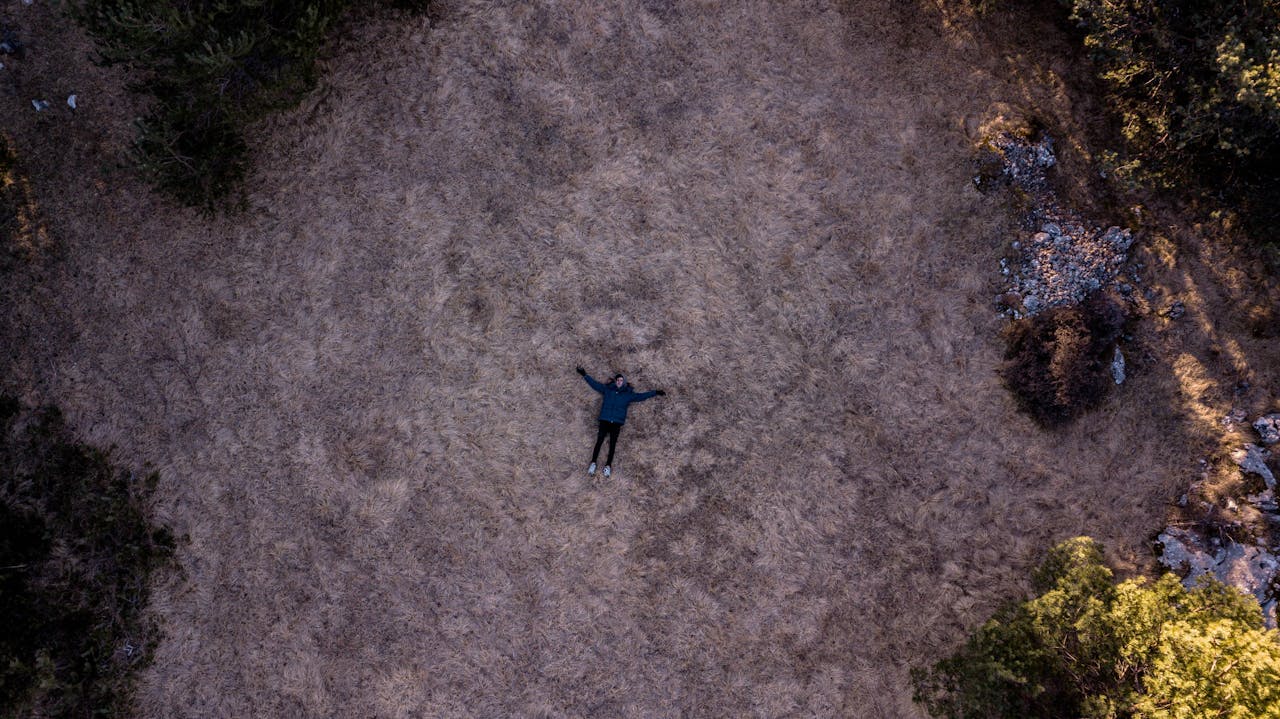
Feeling alone in your conservation career? The solution might lie outside of your comfort zone. Credit: Gaetan Thurin via Pexels.
Why this hits so hard in conservation
Career change is already destabilising.
But conservation adds another layer: meaning, identity, value, purpose.
So the stakes shift from: “Will this work?” to “Who am I if it doesn’t?”
That’s a very different game.
And here’s where it gets more interesting.
Of course there’s fear:
What if I fail?
What if I can’t make money?
What if I’m making a huge mistake?
But fear alone isn’t usually what stops people.
Shame is.
Because shame doesn’t just say: “This might not work.”
It says: “If this doesn’t work, it means something about me.”
“I should have figured this out by now”
“It’s irresponsible to leave a stable job”
“What if they realise I don’t belong here?”

Shame might sound like: “What if they realise I don’t belong here?” Credit: Nathan Dumlao via Unsplash.
What shame actually does
Shame doesn’t just make you feel bad.
It quietly reshapes your behaviour:
You hide.
You wait until things are “ready”.
You avoid the very people who could help you.
And then you call it:
“Being realistic.”
“Doing more research.”
“Waiting for the right time.”
Let’s be real. You’re probably avoiding been seen – and calling it strategy.

Are you avoiding being seen, and calling it a conservation career strategy? Credit: TMS Sam via Pexels.
When we get… weird
When fear and shame take over, we get… weird.
You know the version of you I mean.
A simple email becomes a week-long internal debate.
You rewrite a sentence ten times.
You sound more formal, more careful – less like yourself.
Or you don’t reach out at all.
(Not because you’re lazy – but because it doesn’t feel safe being seen.)
The trap
Fear says: “This might not go well.”
Shame says: “And if it doesn’t, it says something about me.”
So you hold back.
Which probably means:
- no real conversations
- no new perspectives or ideas
- no new opportunities
- no evidence that you’re not alone
And then your internal story gets louder… and more convincing.
Because nothing interrupts it.
The irony
The thing that would support you most – real connection – is the very thing this pattern blocks.
So you try to get it right first.
You try to show up as a more acceptable, more polished version of yourself.
And in doing that… you lose the very thing that creates real connection: authenticity.

The antidote to fear and shame is being willing to be seen. Credit: Omar Lopez via Unsplash.
What actually starts to shift things
You don’t have to feel confident to act.
You just have to be willing to be seen.
Saying something before it’s fully figured out.
Being a bit more honest than feels comfortable.
Reaching out even though you can’t know or control the outcome.
If you want to interrupt this (before you search for better networking tactics)…
…start here:
- What am I afraid might happen if I reach out?
- If that did happen, what would it mean about me?
- Where am I currently holding back from being seen?
- What would “10% more authentic” look like in one conversation this week?
Then act on that last one 🙂
If you’re in this right now, you don’t have to figure it out on your own.
This is exactly the kind of work I do with conservationists who are navigating career transitions – looking at what’s actually getting in the way, and how to move forward without second-guessing yourself or overthinking every step.
If that resonates, you can book a discovery call.
PS: Good news: once you stop getting weird about it, networking gets much easier. We can help with the practical side too 🙂
Author Profile | Kristi Foster

Kristi Foster is the Head of Coaching at Conservation Careers and has a Master’s in Conservation Biology. Her own conservation career journey has led her across the globe from East Africa to the Amazon, working with organisations such as Fauna & Flora, the World Agroforestry Centre and Ecotourism Australia. Since joining Conservation Careers in 2019, she has coached over 100 conservationists in career direction and fulfilment, and consulted in job applications, interviews and more. Today a key part of her mission is supporting conservationists to transform who they are and want they do in the world. Learn more.