






How to work abroad in conservation
Welcome to conservation without borders: Your practical guide to working abroad in conservation, wherever you’re starting from.
Table of Contents
Conservation without borders
Conservation is a global challenge – and increasingly, so is the work. Many of today’s conservationists are building careers that cross ecosystems, borders and cultures, contributing to efforts far beyond their home countries.
Working abroad in conservation can open doors to new environments, experiences and perspectives, reshaping how you see the planet – and your purpose within it.
But unlike sectors like international development or humanitarian aid, there aren’t clear-cut pathways for how to work abroad in conservation. Structured support is rare, and the process can feel confusing, uncertain or out of reach.
That’s where this guide comes in. Whether you’re a student, job-seeker, professional or career switcher, you’ll find honest insights, practical tools and real-world advice to help you build an international conservation career – with more clarity and courage.
Clarify your goals for working abroad in conservation
If you’re scrolling job boards or researching visas and feeling confused or overwhelmed, it might be a sign that you need to take a step back – and get clear on what you’re actually looking for.
Each conservationist is different. One person may have a lifelong dream to work on the savannahs of East Africa. Another may want to build a career with an international NGO. Someone else might just want to find a place where they feel a deeper sense of belonging.
Some people thrive on uncertainty and adventure, ready to book a one-way ticket without a plan. Others feel grounded knowing they have a job, housing and structure in place before they move.
There’s no right or wrong way to work abroad in conservation – but it helps to be really honest with yourself.
Ask yourself:
- What’s motivating me to go abroad?
- Is the location or the role more important?
- What are my non-negotiables?
- How much uncertainty am I willing to embrace?
Tip: If you’re struggling to find clarity, check if any fear, expectations or other commitments might be clouding your decision-making.
Why working abroad pushes you outside your comfort zone
For many people, working abroad in conservation means stepping into the unknown.
You’re likely to face uncertainty, risk and moments when you feel out of control – which can push you so far outside your comfort zone that you may want to give up.
It’s normal to feel this way.
And you don’t have to do it alone.
Building support early – whether it’s talking with family and friends, joining a community like CC Pro, or connecting with a mentor or coach – can make the difference between fear and growth.
Here’s what stepping outside your comfort zone can bring:
- Personal growth: Building confidence, resilience, adaptability and self-awareness – challenging and expanding your identity.
- Professional development: Experience with diverse ecosystems, species, conservation models, socio-environmental challenges and organisational cultures – building your skills and knowledge.
- A broader perspective: Exposure to different ways of thinking and working can lead to more innovative, inclusive and open approaches.
- Connections: Building relationships with people across the globe – collaborators, mentors, friends and allies.
- Impact: Making a difference to conservation efforts around the world.
Ways to work abroad in conservation
There’s no single path to working abroad in conservation, but there are many options depending on your goals and needs. Here are the most common approaches:
Conservation experiences (volunteering, internships, expeditions, etc.) Short-term experiences are often more accessible from a legal/visa standpoint than formal jobs. Check out these useful resources:
- Webinar: Conservation Internships & Volunteering that Won’t Break the Bank
- Webinar: How to get conservation experience
- Ultimate Guide: Top Conservation Experiences | PAID or FREE Opportunities
- Ultimate Guide: How to find the best conservation internships & volunteering opportunities
- Ultimate Guide: Top Sea Turtle Conservation Internships & Volunteer Opportunities
Paid jobs: These include short-term contracts, consultancy and freelance work, roles with a travel component and permanent positions.
Remote work: A growing number of conservation roles are location-independent – allowing you to work from anywhere. Some people take their work abroad as digital nomads, while others join remote teams.
Self-directed vs. supported work abroad: What's right for you?
In the conservation sector, international work can take many forms – from independently arranged opportunities to fully supported placements. Here’s an overview:
Self-directed
This is most common in the conservation sector.
You arrange everything – from research and planning to visas and housing.
Pros: Maximum flexibility, more opportunities
Cons: Less security, more uncertainty
Semi-supported
Both you and the employer handle logistics.
You receive some support, such as a visa sponsorship or structured internship, but handle other elements independently.
Pros: Some security
Cons: Fewer opportunities available.
Employer-supported
This is least common in the conservation sector.
The employer provides significant support, such as arranging visas, relocation, housing and/or transport.
Pros: High security, low risk
Cons: Opportunities are rare and competitive.
Which conservation employers hire international candidates?
Some organisations are more likely to be open to hiring international candidates than others. They include:
- Large international organisations (e.g. WWF, TNC, Fauna & Flora, UNEP, IUCN, etc.)
- Organisations running projects abroad
- Remote-friendly employers
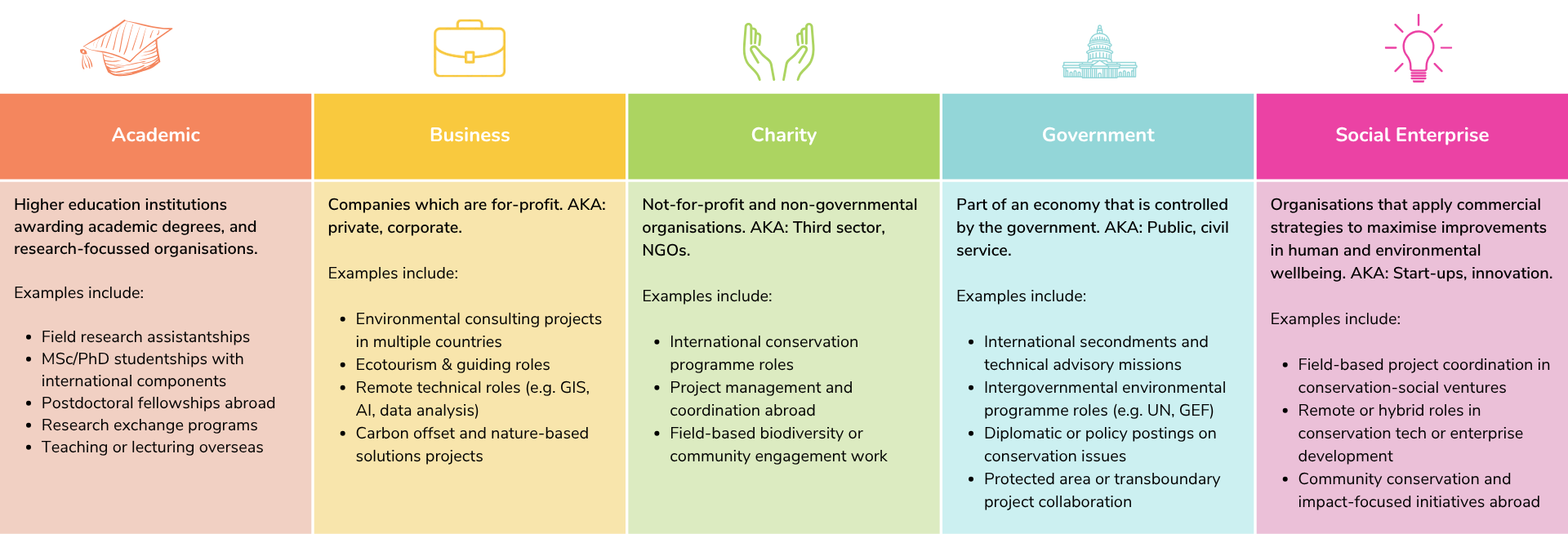
Here are just a few examples of opportunities abroad offered by different employer types:
Employers less likely to support international candidates include small local organisations or government agencies with national hiring restrictions.
What are the best jobs to work abroad in conservation?
Roles more likely to accept or seek international applicants include:
- Technical or specialist roles (e.g. GIS, climate science, conservation finance, wildlife veterinary skills, etc.)
- Research positions (MSc, PhD, postdoc, visiting fellowships).
- Location-based roles such as programme managers, technical advisors and regional coordinators.
- Remote or digital roles (e.g. anything from communications and fundraising to data analysis or online education).
- Field roles with infrastructure to host international participants (e.g. long-term wildlife programmes).
- Positions in global hubs (e.g. Nairobi, Kenya; Geneva, Switzerland; Cambridge, UK; Washington, DC, USA, etc.
Roles that are less likely to accept international applications include:
- Entry-level admin or support roles (often reserved for nationals).
- Roles requiring language fluency or local cultural knowledge.
Requirements to work abroad in conservation
The only universal requirement for working abroad is the legal right to work in the country where the role is based. You usually need to meet one of the following conditions:
- Already have the legal right to work – through citizenship, permanent residency, refugee/asylum status, or an existing visa.
- Be eligible to independently apply for a visa.
- Find an employer who is able and willing to sponsor your visa.
Beyond legal eligibility, you may also need to meet additional criteria. These might include:
- Language skills.
- Relevant qualifications (e.g. driver’s licence, certifications).
- Previous international or cross-cultural experience.
- A strong professional network or institutional ties in the target country.
- Knowledge of local ecosystems, species, sociopolitical context, etc.
Do you need a degree to get a conservation job abroad?
There’s no single degree that guarantees a job in conservation abroad. What matters most is whether you can demonstrate that you meet a specific employer’s criteria.
When can a degree help?
If an employer lists a degree in the job criteria, then you know it’s important. But even if a degree isn’t essential, it can sometimes offer advantages:
- It may grant access to student or post-study work visas.
- It helps you build a local network in your target country.
- It gives you insight into the country’s job market and conservation landscape.
Is there a clear path to a conservation career abroad?
There’s no universal formula to work abroad in conservation. The sector is incredibly diverse and employers value different things for different roles in different contexts.
One organisation might be impressed by your hands-on field work. Another might value academic credentials or a network of international contacts. A third might care only that you can prove you’re the best person for the job.
However, here are four strategies that can increase your chances of landing a job abroad:
- Be known before you’re needed. Building relationships with people and organisations may increase the chances of advocating for your hiring – even across borders.
- Use one opportunity to unlock the next. Volunteering, internships or short-term roles might lead into consultancies or permanent jobs – especially if you perform well.
- Get closer – physically or digitally. Being in-country can help, but digital proximity matters too. You might join an online community, attend a virtual conference, take part in a remote role, enrol in a relevant course, or similar.
- Demonstrate unique value. You’d be amazed at what can happen if you shift your mindset from ‘I’m at a disadvantage as an international applicant’ to ‘What do I have to offer that other applicants don’t?’
Where to find conservation jobs abroad
You can apply for advertised opportunities, search for hidden opportunities or proactively create your own.
Here are some places to start:
- Job boards: Search sites like Conservation Careers, as well as job boards focussed on the region, country or city/state/province/county you’re targeting.
- University networks: Explore career services, alumni networks and/or faculty connections.
- LinkedIn: Filter by location or remote roles.
- Personal and professional networks: Reach out to people in your professional and personal networks. Even if they can’t help, they might know someone who can.
- Social media groups, particularly expat (expatriate) groups. Join groups focussed on your career interests and/or target location. Most cities and regions have dedicated groups on platforms like WhatsApp, Facebook, LinkedIn, etc.
- Create your own opportunities! Build a ‘hit list’ of organisations you love that offer opportunities abroad, and monitor opportunities or approach them to build connections.
[Pro Tip: Our CC Academy members can research over 100k jobs from the past 12 years in our job archive].
Search live conservation jobs across the globe
What visa do I need to get a conservation job abroad?
There are many different types of visas and visa rules vary widely by country, so you’ll need to do your research.
Types of visas that may allow you to work abroad in conservation include:
- Work visas: Required for paid employment.
- Working holiday visas: Often for young people (typically 18-30 or 35).
- Volunteer visas: For unpaid roles with registered organisations.
- Student visas: Linked to study, but often allow short-term employment.
- Post-study work visas: For recent graduates to remain and seek employment.
- Research or academic visas: For conducting academic or scientific research.
- Digital nomad visas: For remote work.
- Entrepreneur / self-employment visas: For starting a business or freelancing.
- Spousal / dependent visas: For partners of citizens or legal residents.
- Tourist visas: This is often all you need for unpaid internship or volunteering roles.
Can I get my visa sponsored?
Some work visas require employer sponsorship. Employers are most likely to sponsor you if:
- You offer specialist skills or experience not readily available locally.
- They can justify the hire legally (e.g. via labour market tests).
Can I work without a visa?
Technically, no. It’s illegal to work abroad in conservation without a relevant visa or work permit and we don’t recommend it.
How to know if you’re eligible to work abroad in conservation
Knowing whether a specific job will consider international candidates can save you – and the employer – time and effort. Use this decision tree to quickly assess your likelihood of being considered.
STEP 1: LEGAL ELIGIBILITY
1: Do you already have the right to work in the target country?
➔ Yes → Proceed to application
➔ No ↓
2: Does the job listing mention visa sponsorship or welcome international candidates?
➔ Yes → Proceed to application
➔ No / Not sure ↓
3: Is the employer large or known to hire internationally?
(e.g. international charity, university, global consultancy)
➔ Yes → Contact them to ask about applying as an international applicant*
➔ No → Sponsorship is less likely
STEP 2: ROLE REQUIREMENTS
4: Does the job require specialist or hard-to-fill skills? (e.g. GIS, conservation finance, etc.)
➔ Yes → Higher chance of visa support
➔ No ↓
5: Could a local applicant easily fill the role?
➔ Yes → Less likely to justify international hire
➔ No → Potential opportunity
STEP 3: JOB FORMAT
6: Is the job remote or location-independent?
➔ Yes → More likely to consider international applicants
➔ No ↓
7: Does the employer offer relocation and/or visa support?
➔ Yes → Apply with a strong case
➔ No → You’ll need to independently pursue the right to work
STEP 4: EMPLOYER TYPE
8: What type of employer is it?
- Academia →
Often supports international staff / students
- Large charity →
May have multiple country offices or offer sponsorship
- Small charity →
Rarely able to support visas
- Government →
Usually restricted to nationals
- Business / Social Enterprise →
Depends on scope and resources
Regardless of type, the employer must also be willing and able to hire internationally:
- They must be legally permitted to employ non-nationals
They need the administrative capacity to sponsor a visa or hire remotely - They must see your value clearly enough to justify any extra effort
STEP 5: ALTERNATIVE PATHWAYS
9: Can you independently obtain a visa or work permit?
➔ Yes → This may increase your chances. Clarify this in your application (or before).
➔ No → Unless the employer can sponsor you, you won’t be considered.
FINAL CHECK
Mostly green paths? Great! You’re likely eligible.
Mixed responses? Uncertain – do more research or ask to be sure.
Mostly red flags? Unlikely – explore other pathways.

How can I learn more about visa options?
- Check the official immigration website for the country you’re targeting.
- Research if employers have sponsored similar roles in the past.
- Ask others who’ve worked there with your nationality – alumni networks, LinkedIn connections, etc. can help.
Tip: If you plan to reach out to an employer to ask about eligibility to work or the potential for visa sponsorship, it’s your responsibility to do your research first (and you might even stand out if you do).
How to apply for conservation jobs abroad (and succeed)
In some cases, hiring someone from abroad may take extra effort. To be considered, your application will usually need to meet at least 70% of the job criteria, and also justify any additional cost or effort involved in hiring you.
Step 1: Use any of our foundational guidance to create a strong conservation job application:
- Ultimate Guide | Step-by-step job application system
- Webinar | How to apply for conservation jobs
- Training | How to Apply for Any Conservation Job
Step 2: Follow these tips to stand out as an international applicant:
- Show how being an international applicant is a strength. Start by reframing your international status from a barrier to a benefit by identifying how you add value. For example, you might consider anything from your global perspective or multilingual ability to your regional experience or knowledge. Find specific evidence for each way you add value.
- Demonstrate global readiness. Identify evidence that assures the employer that you can handle international work – such as adapting to new environments, working across cultures, taking initiative in unfamiliar settings, collaborating remotely, etc.
- Tailor your CV/resume and cover letter strategically. Using the above, customise your application documents to highlight your strengths and readiness, using specific evidence.
- Prepare for virtual interviews. Most international hiring begins online. Be ready for:
- Time zone differences – double-check interview times.
- Tech platforms – test your camera, mic and internet connection.
- Cross-cultural communication – be clear, warm and professional.
Tailor your communication to the employer’s cultural and organisational context. Research the employer to understand their values, working style and communication norms. Are they formal or informal? Do they value brevity or storytelling? If you sound like them, you’re more likely to be seen as a member of their team.
Working abroad in conservation: Strategies from the Global South and North
Your ability to work abroad in conservation isn’t determined only by your skills or passion – your passport, region and access to resources can significantly influence your journey. But no matter where you’re starting from, there are ways to significantly increase your chances.
Conservationists from the Global South
Conservationists from the Global South often face systemic barriers – but they also bring critical strengths, such as:
- Deep understanding of local ecosystems and communities.
- Regional language fluency and cultural insight.
- Grounded conservation experience in high-priority areas.
If you’re from the Global South, here are some suggestions to strategically boost your chances of working abroad in conservation:
Understand visa systems early: Research visa categories in your target country and track successful examples from others with your nationality.- Maximise funding opportunities: Apply for programmes and fellowships aimed at Global South professionals (e.g. EDGE Fellowships, Conservation Leadership Programme, etc.) Start by exploring our Conservation Funding Board.
- Tailor your applications for global audiences: Adapt your CV/resume and cover letter to international formats. If possible, ask for feedback from someone familiar with Global North hiring practices. Use our free application guide to get started.
- Leverage your local knowledge: Highlight your ecological, cultural or other expertise – lived experience in local contexts is a major asset.
Conservationists from the Global North
While Global North professionals often have more freedom of movement and institutional support, this comes with the responsibility to act ethically in international spaces. Here’s what to keep in mind:
- Be thoughtful in choosing opportunities: Seek roles that prioritise collaboration with local professionals. Ask how your skills can support – not replace – community leadership. Avoid parachute-style placements and prioritise programmes with long-term commitments.
- Use institutional support: Tap into your university or national programs for structured placements and research funding.
Stay open and humble: Be willing to learn local customs, values and approaches – even when they differ from your own.

What to prepare before you start a conservation job abroad
To make the most of an international opportunity, you might want to consider:
Language: Even if this isn’t a requirement for employment, learning the local language (even the basics) can make a world of difference to your experience.
Cultural awareness and sensitivity: Depending where you’ll be based, local etiquette, cultural norms and/or organisational culture may be very different to what you’re used to. The best source of information is often the organisation you’ll be working with, and/or other international workers who’ve gone before you. However there are also lots of great resources available, including:
Books:
- The Culture Map by Erin Meyer.
- Kiss, Bow, or Shake Hands by Terri Morrison & Wayne A. Conaway.
- When Cultures Collide by Richard D. Lewis.
- Global Dexterity by Andy Molinsky.
- Third Culture Kids by David C. Pollock & Ruth Van Reken.
Articles & reports
- Harvard Business Review articles like “Cultural Intelligence: Working Across Cultures” and “How to Work with Someone from a Different Culture”.
- Devex and Bond (UK): Reports and articles on cross-cultural dynamics in international development.
Tools & Resources
- Hofstede Insights – Country Comparison Tool
- Culture Crossing Guide
- InterNations
- Culture Matters: Peace Corps Cross-Cultural Training Workbook
- Cultural Intelligence (CQ) resources & assessments (often paid, some free)
Podcasts & TED Talks
- Cultural Differences & Cultural Diversity (The Culture Guy Podcast)
- The Expat Experience Podcast
- The Danger of a Single Story by Chimamanda Ngozi Adichie
- Don’t Ask Where I’m From, Ask Where I’m a Local by Taiye Selasi
Health Insurance: You may choose to purchase health insurance, use in-country health services (some countries provide healthcare to foreigners) or both. Research insurance options and local health systems to help make your choice. Note: if you’re purchasing insurance, some activities and/or locations aren’t covered (e.g. if you’re conducting remote fieldwork) and you’ll need an add-on to ensure you’re covered.
Vaccinations: Depending where you’re going, vaccinations may be required and/or recommended. Note: risk can be highly location-specific – e.g. malaria may be prevalent in a region but there may be no cases in certain areas; dengue might be rare regionally but there could be a recent outbreak in a populated city. Medical practitioners are the experts here, but locals can sometimes offer great guidance as to what to be aware of and what questions to ask.
Financial planning: Things to consider include:
- Budgeting for travel, visas, health and living expenses.
- How you’ll manage money – e.g. the best local payment method(s), how to withdraw cash, whether you need banking services, how to transfer money internationally, etc.

Staying safe and well when working abroad in conservation
Living and working in a new country is exciting, but it also comes with challenges. Taking care of yourself – physically, emotionally and socially – can help you stay grounded and make the most of your experience.
Once you arrive, it’s important to:
- Give yourself grace and space to settle in. Expect an adjustment period (practically and emotionally) as you adapt to a new culture, routines and systems. It takes time.
- Stay safe: Safety can look different depending on where you’re living or working. Talk to locals and expats to understand local safety norms and how to stay safe – including where and when to go out, how to use transport, and what to carry (or avoid carrying) with you.
- Prioritise your wellbeing: Being far from home can affect your wellbeing and you might not notice what’s out of balance right away. A simple tool that can help you notice areas of your life that could improve your overall wellbeing is a Wheel of Wellbeing, such as this example.
- Build relationships and community (personally and/or professionally): Building relationships creates a support network that can help you feel more at home in your new environment. You might consider joining local groups, taking part in social activities, connecting with colleagues and exploring other ways to create community.
- Manage expectations. Things won’t always work the way they did at home – whether that’s bureaucracy, internet speed, timekeeping or communication. Expect differences, stay open and flexible and find humour in the hiccups.
How to handle reverse culture shock after working abroad
Returning home after working and living abroad can be unexpectedly challenging. You might discover that your experiences have changed you – but your home environment hasn’t changed in the same way. This mismatch can lead to what’s often called reverse culture shock.
You might feel:
- Frustrated by things you once accepted as normal.
- Isolated because friends and family can’t fully relate to your experience.
- Restless or disconnected from familiar routines.
- Surprised by how much you miss the country you just left.
This is a normal part of reintegration. To support yourself as you return:
- Give it time – just like adjusting to a new country, coming home requires a transition period.
- Stay connected to people and communities abroad that are meaningful to you.
- Reflect on what you’ve learned, and find ways to integrate those lessons into your life or career at home.
- Seek out others who’ve had similar experiences – who often understand what you’re feeling.
- Channel your experience into something positive – which could be anything from journaling to sharing your story, mentoring, or even pursuing internationally minded work.
Coming home might feel like going backwards. But with compassion and reflection, it can become the foundation for your next adventure.
There are many resources available to support you with reverse culture shock – such as Reverse Culture Shock from the University of Colorado Denver.
Real stories from conservationists working abroad
Nick Askew | Director, Conservation Careers | United Kingdom to Fiji
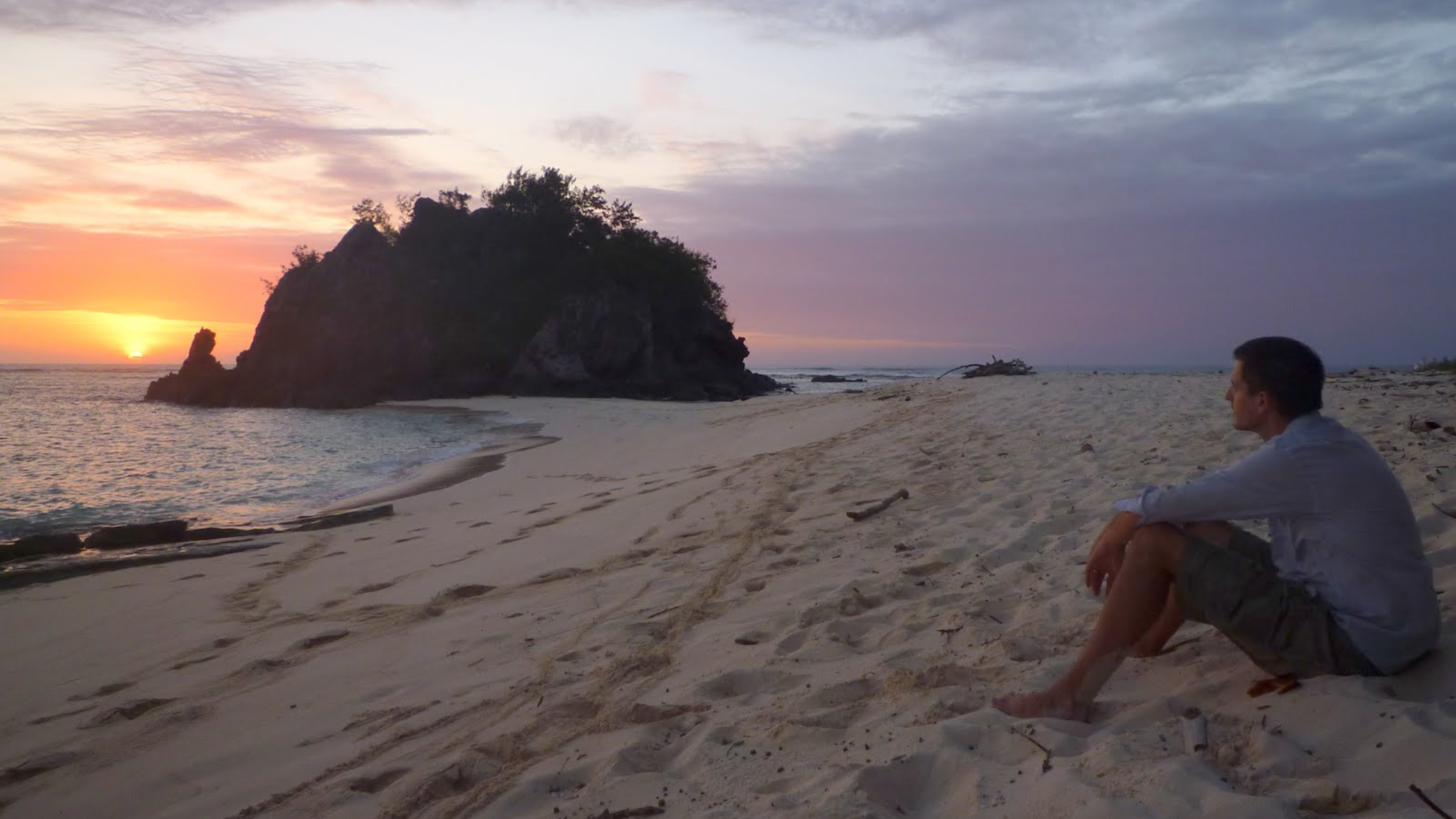
My move from the UK to Fiji was prompted by a unique opportunity with BirdLife International, where I shifted from being a global Communication Manager role in the UK office, to taking on a new challenge Pacific Programme Development Manager based in the regional office in Suva, Fiji.
The transition was made smoother by BirdLife’s existing agreement with the Fijian government, which enabled visa sponsorship and meant the process was handled entirely on my behalf. I was lucky that I didn’t need to arrange the visa myself – everything was managed by the organisation.
To prepare for the move, I focussed on practicalities like shipping, accommodation, and getting to know the local culture and context. I also connected with colleagues already based in the region. As a result, the transition felt surprisingly seamless – Fiji quickly felt like home. The experience has been deeply rewarding, offering fresh perspectives on conservation and fundraising in a global and community-based context.
Kristi Foster | Head of Programmes, Conservation Careers | Canada > Kenya
I applied for an internship programme with the International Institute for Sustainable Development (IISD) that sponsored potential young leaders to undertake 6-month internships abroad with partner organisations. Together these organisations paid for training, flights and accommodation and arranged visas.
I worked with the World Agroforestry Centre in Nairobi – a pivotal experience in my career, which established my skills in science communication and exposed me to international conferences. Nairobi is a vibrant international hub so I was exposed to an incredible diversity of colleagues and friends – who formed an important support network inside and outside work.
Canada > United Kingdom
I applied for an advertised 1-year maternity cover position with Fauna & Flora International (now Fauna & Flora). The organisation didn’t offer support for international applicants, so I researched potential visa options independently and found that I was eligible for a Working Holiday visa.
I reached out to the hiring manager before submitting an application, and expressed 1) my motivation and potential fit for the role, and 2) that I was willing and able to obtain a work visa by the start date – and asked if they’d consider me. They said yes, and in the end I was offered the job.
Key to my success were:
- Communicating with the employer to show them that I was serious and reassure them that I’d done my research and could obtain a visa within their timeline.
- Presenting strong evidence that I could do the job, helping them justify hiring me (I applied for a communications role and shared very relevant examples of articles I’d published) (an example of Demonstrate unique value).
Kristi Foster | Canada > Australia
While completing my master’s abroad in Australia, I applied to volunteer part-time with Ecotourism Australia. This led to a temporary paid, part-time role, which was possible on my student visa (an example of Use one opportunity to unlock the next).
Combined with my master’s, this work experience gave me a lot of insight into conservation challenges and opportunities across Australia’s diverse ecosystems. The organisation I worked for was interested in hiring me more permanently, but the sponsored visa process was too complex and expensive for either myself or the organisation to pursue.
Canada <-> Brazil
Since joining Conservation Careers in 2019, I’ve worked remotely online, diving my year between Canada and Brazil. This kind of ‘digital nomad’ing’ – or ‘annual migration’ as I sometimes call it – offers incredible location flexibility. I also love the shift in perspective when changing countries – it opens up my mind and allows me to see things with new eyes, almost like resetting my personal operating system.
Some things I’ve learnt working remotely are:
- The importance of balancing working alone with other social interaction.
- That having a sense of community is key – and this can be more challenging when you’re mobile. Even in places where I’ve already established great networks, it can take weeks to months to reintegrate and build them.
- Committing to things and planning into the future can be more complex when your location isn’t fixed (no surprises there!)
- Check visa requirements and know the timelines associated with them: The visa process took months for me and wasn’t complete by the time I landed in Namibia to start. THANKFULLY the customs officer gave me a few day’s grace for the paper work to process and that ended up being enough. I got lucky though – I think a different customs officier might have sent me back to South Africa at my own expense without even setting foot in Namibia.
- Know the vaccine requirements MONTHS ahead of time: again, I left this too late. (Now I know travel health clinics are a great resource). I knew I needed to be vaccinated for rabies for my internship; I didn’t realise that there were 3 doses involved for the rabies vaccine and that there was a required minimum wait period of days/weeks between each dose. I ended up having to travel to Namibia with the last dose in a freezer box and luckily found a veterinarian willing to administer it to me (she said I was one of her best behaved patients!)
Each job, I felt like I was starting back at square one. I spent a summer learning in great detail what kind of habitat turtles like and how to catch them and track them with radio telemetry in Ontario. Some valuable transferrable skills aside, there was still a lot of new knowledge to pick up when one of my next jobs was tracking martens and fisher in British Columbia from a snowmobile, finding and then following their footprints in the snow. All of a sudden all my knowledge of turtles, which don’t even live in that part of Canada, was totally irrelevant. You risk losing a lot of momentum changing natural environments all the time when trying to learn about natural environments.
- What ecosystems had I most enjoyed working in? For me it was terrestrial ones – prairies had been unexpectedly fun and a few ventures into the mountains too.
- What were my top employers I’d want to work for? Where were their main offices based?
- What was the cost of living of the place?
- Where was the conservation research that I found most exiciting happening? What universities were involved and where were they located? Even if I didn’t see myself working in academia, this gave me a sense of where conservation funds were being focused, so there may be more work opportunities there in general.
However, the book’s strategy worked for me. I moved to a city, started networking and sometimes drove out of the city to volunteer at conservation events on the outskirts. I met a lot of conservation people who had to spend a certain amount of time in the city – especially over fall/winter – and built relationships with them. Eventually, I was offered a job.
There is no single roadmap to working abroad in conservation – because each path is highly individual and shaped by your goals and circumstances. But if you’re open to opportunities, and make the most of resources and support, you can craft a journey that’s meaningful and impactful.
So, what are you waiting for?! The world needs conservationists like you – everywhere. And your experience might just change how you see the world and your role within it.
Featured image credit: Lucas George Wendt via unsplash.
Want to work abroad in conservation?
Whether you’re starting, switching or progressing in your conservation career, we’ll help you get there quicker.
Get started now with a free account.