Amplifying conservation genetics: Protecting African primates with Dr Maria Joana Ferreira da Silva
Dr Maria Joana Ferreira da Silva grew up in Portugal, and later became a conservation genetics and primatology researcher in the African bush. In this interview, she shares her pathway and offers advice to anyone following in her footsteps.
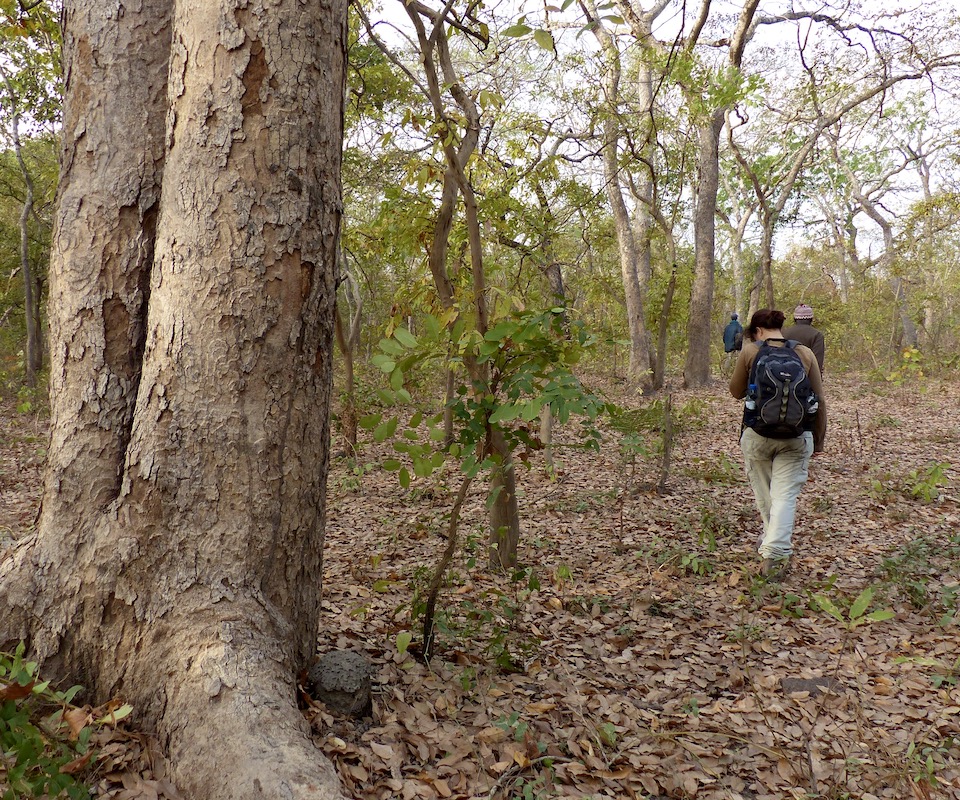
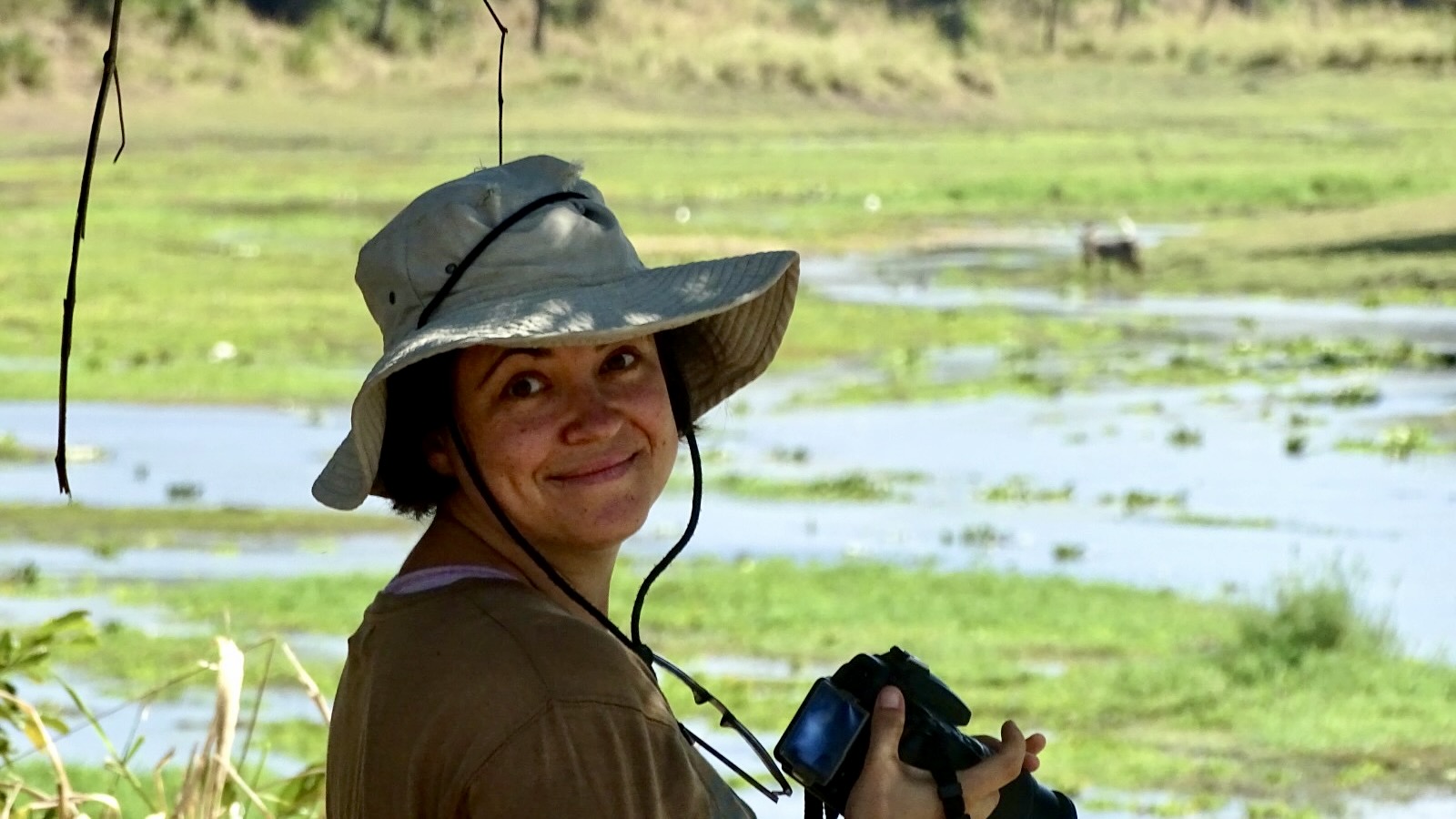
Dr Ferreira da Silva in the field.
Initial inspiration
It all began in Portugal in the 1990s when Dr Ferreira da Silva was around 12 years old. She was exposed to the ‘think globally, act locally’ movement and learned about anthropogenic impacts, or human influences on the environment. Along with conservation biology media, this inspired her to choose biology as her secondary school focus.
Travelling to Africa: Chacma baboons in Cape Town
Dr Ferreira da Silva enrolled in the Universidade de Lisboa for her BASc (Bachelor of Applied Science), as their biology programme focused on ecology and conservation. There, she jumped at the opportunity to intern in South Africa at the University of Cape Town studying chacma baboons.
This incredible experience allowed her to observe baboons in their natural environment to understand their behaviour and improve human-baboon interactions. She saw how they gathered food from local ostrich farms and adjusted to farmers’ schedules. Her research also contributes to the work of NGOs like Baboon Matters, which help to reduce human-baboon conflict in Cape Town.
After witnessing how these primates adjusted to human presence, Dr Ferreira da Silva returned to Portugal feeling inspired. She realised something essential: some primate species adapt quickly to our behaviours. This gave her hope, because it meant they could adapt not only to disruptive human influences, but to positive changes as well.
Dr Ferreira da Silva presented her findings at the Iberian Primatological Conference through the Portuguese Primatological Association. She was then invited to carry out a study in population genetics and conservation as part of the research to obtain her Master’s degree at the University of Porto. This is what led her to Guinea-Bissau, West Africa.
On to Guinea-Bissau: A biodiversity hotspot
Guinea-Bissau is a diverse West African country with woodland savannah in the northeast and humid tropical forests in the south, all within a few hundred kilometres. There are also over 30 ethnic groups there, with many different languages and cultures.
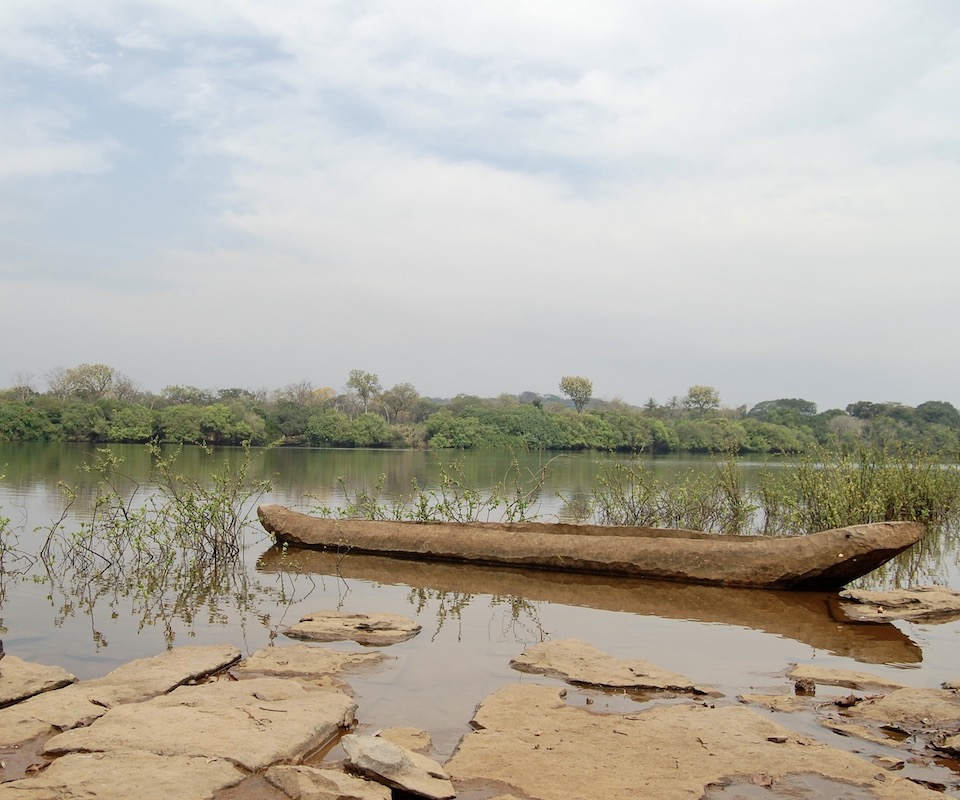
One of many unique scenes is the Corubal River, Guinea-Bissau’s main water body. Photo taken in Dulombi National Park.
While diverse, it struggles with political instability. It’s also one of the poorest countries in the world. This means the area has unique benefits and challenges for researchers. Dr Ferreira da Silva had to find usable samples while also respecting the local people and animals.
In Guinea-Bissau, she collected primate droppings for analysis. This involved going deep into the bush because these baboons weren’t used to human presence or were afraid due to local hunting. She enjoyed this challenge and preserved 30 usable samples to bring back to Portugal:
“This was magical because it was really difficult to find the baboons. This was a huge difference from what I was used to in Cape Town.”
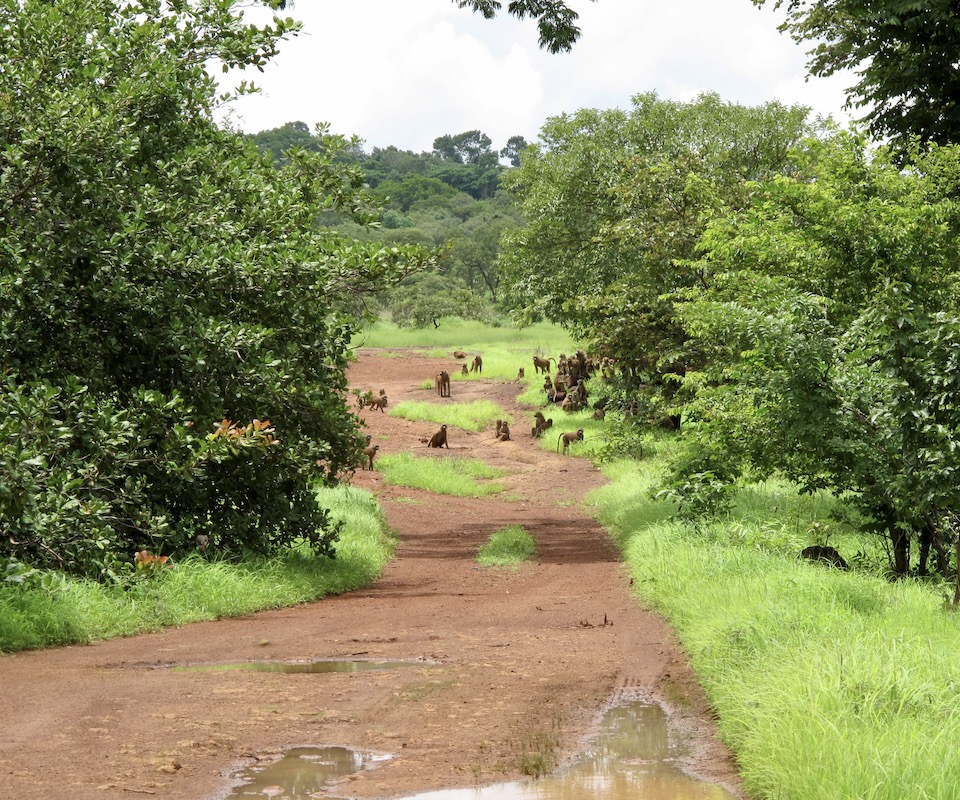
Tracking Guinea baboons (Papio papio) in Boé National Park, Guinea-Bissau. (Photo credit: Joost Van Schijndel, published with permission.)
DNA analyses of these samples showed, for the first time, that Guinea baboons have low genetic diversity, which can make them vulnerable. This initial study also suggested that the female baboons were more likely than males to leave their birth groups and join new ones, which is a rare pattern in baboon species. Recent studies confirmed these results using more in-depth sampling.
The potential of conservation genetics
Many people aren’t aware of the great potential of conservation genetics. According to Dr Ferreira da Silva, conservation genetics can be described as “the study of genetic factors that affect species’ risk of extinction, with the goal of improving their conservation.”
These researchers study genetic diversity, track changes and determine if animals are at risk. Collecting droppings as samples falls under non-invasive genetics, meaning that animals don’t need to be touched or trapped in the process. This causes less stress for the animals and often requires fewer resources (for example, environmental DNA uses water, soil, and air samples to identify species in the area!).
“Instead of opening trails in the middle of the forest to observe the primates yourself, you can do this without interfering in their lives.”
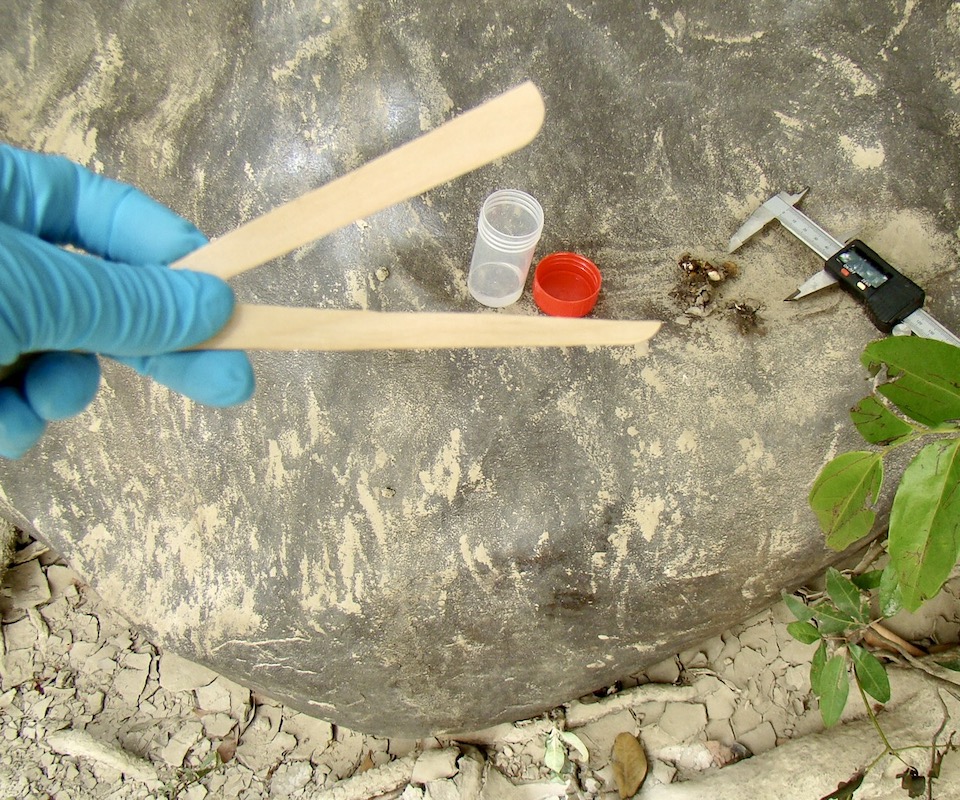
Sample collection in the field. Photo taken in Cufada Lagoons Natural Park.
Another important application of conservation genetics is getting a snapshot of current species in an area. For example, although Sooty Mangabeys were declared extinct in Guinea-Bissau in the 1990s, Dr Ferreira da Silva was able to prove that they were actually still present.
War, conflict and local perspectives
Dr Ferreira da Silva’s research in Guinea-Bissau inspired her to complete a PhD in Conservation Genetics and Primatology (Cardiff University, UK) and work as an Associate Researcher for BIOPOLIS-CIBIO in Portugal. In one project, she interviewed hunters and used non-invasive genetics to see if local stories about baboons matched what their DNA showed.
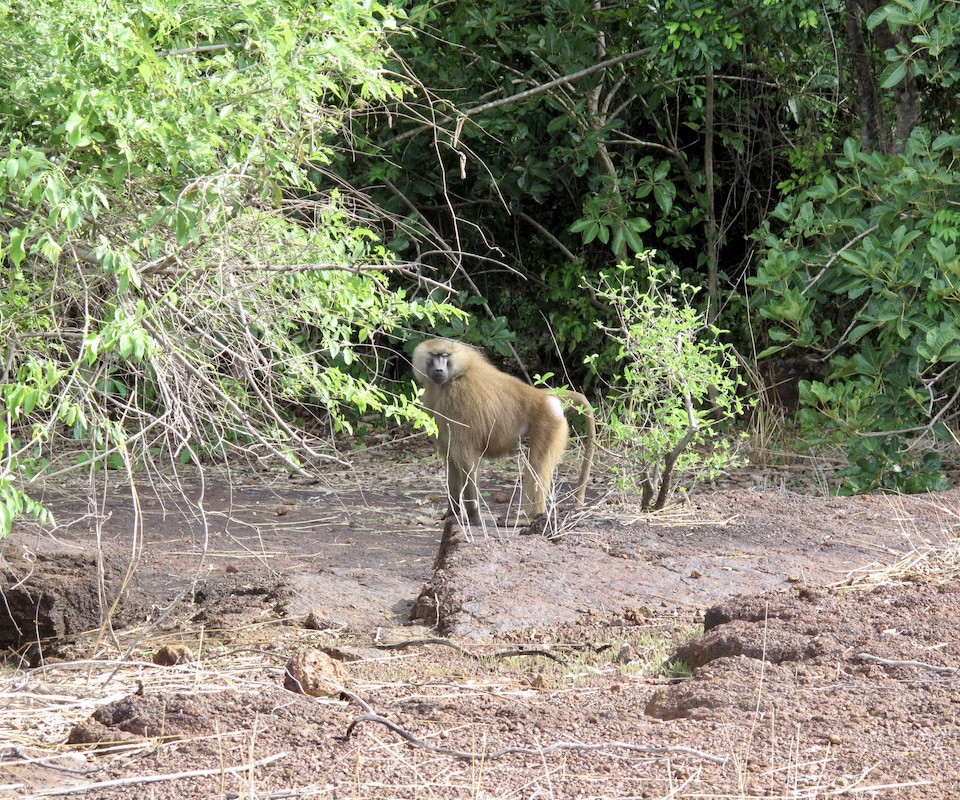
A male Guinea baboon (Papio papio) in Boé National Park. (Photo credit: Joost Van Schijndel, published with permission.)
Interestingly, a collective memory surfaced in interviews across different locations. Many locals described the same account from the Civil War many years ago, when the military killed hundreds of baboons at a time while they slept:
“People were feeling sorry for the baboons, because it was families being killed.”
Since baboons are often seen as troublemakers by locals, this was an interesting shift in perspective. Here, she understood the importance of recording how war and conflict impact primates and public views. Other researchers currently study similar topics.
The primate pet trade: Rescuing chimpanzees
Dr Ferreira da Silva has also worked on many other projects. For example, she became interested in the conservation status of other primates in Guinea-Bissau and the impacts of hunting on populations.
She learned more about the conservation consequences of the illegal primate pet trade, particularly for western chimpanzees (Pan troglodytes verus). This species has been classified as Critically Endangered by the IUCN and is facing an extremely high risk of extinction in the wild.
She contributed to developing an operational protocol with the support of The Born Free Foundation that helps the Institute of Biodiversity and Protected Areas (IBAP) confiscate western chimpanzees kept as pets and move them to safety. Since Guinea-Bissau doesn’t have its own sanctuary, those involved had to navigate many international laws and procedures to transport the rescued chimpanzees, Bella and Bo, to Sweetwaters Chimpanzee Sanctuary in Kenya.
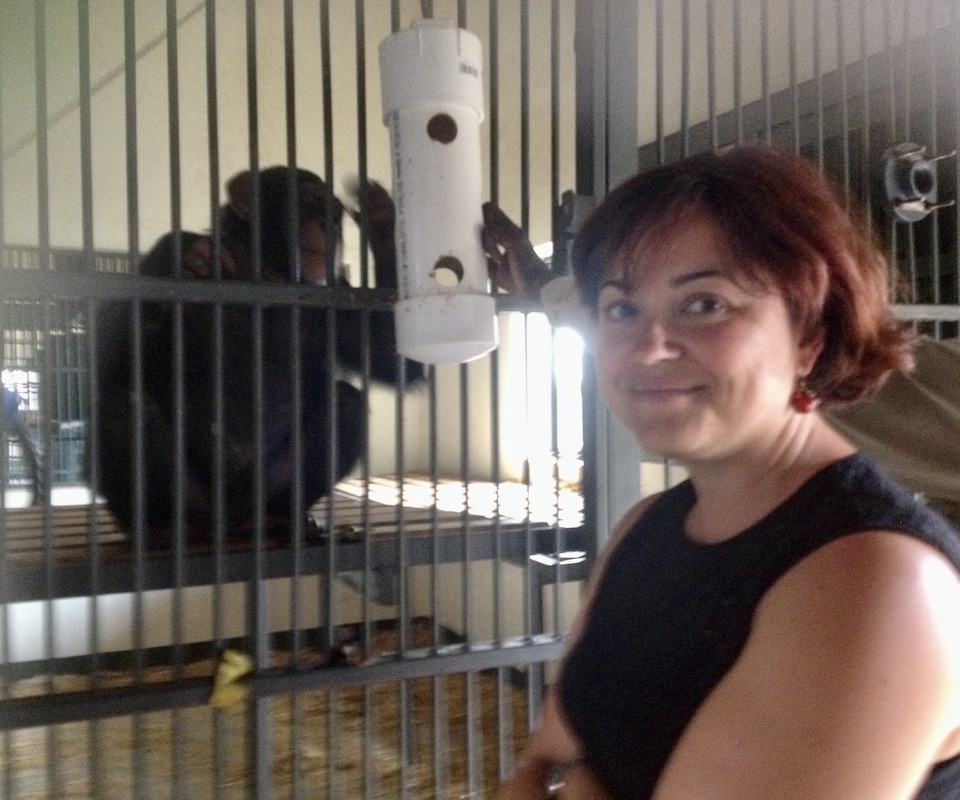
Dr Ferreira da Silva with Bo, after the chimpanzees’ safe transfer to the Sweetwaters Sanctuary in Kenya. By coincidence, Bo and Bella were transported from Guinea-Bissau to Kenya on the 25th of April, a day known in Portugal as the “day of freedom”.
You can read more about their journey, or watch the documentary below (the subtitle language can be changed in ‘Settings’):
Real-world advice: How to prepare for a career in conservation genetics
According to Dr Ferreira da Silva, there are some important ways you can prepare yourself to succeed in this field:
- Get a formal education (and remember that your grades don’t need to be perfect!)
- Do hands-on fieldwork outside your comfort zone. Take time to learn the deeper context by talking with residents and staff.
- Understand that you might see things you aren’t comfortable with, like extreme poverty or deceased animals. This can be challenging, so try to be an objective researcher while in the field, and work through emotional challenges once you get home.
- Funding can be difficult to secure, so be prepared to advocate for your projects.
- Learn to respect others’ cultures and beliefs and determine what matters most to them. As an expert, you should be an advisor and focus on how you can help. Try not to be judgemental and be aware of your own prejudices.
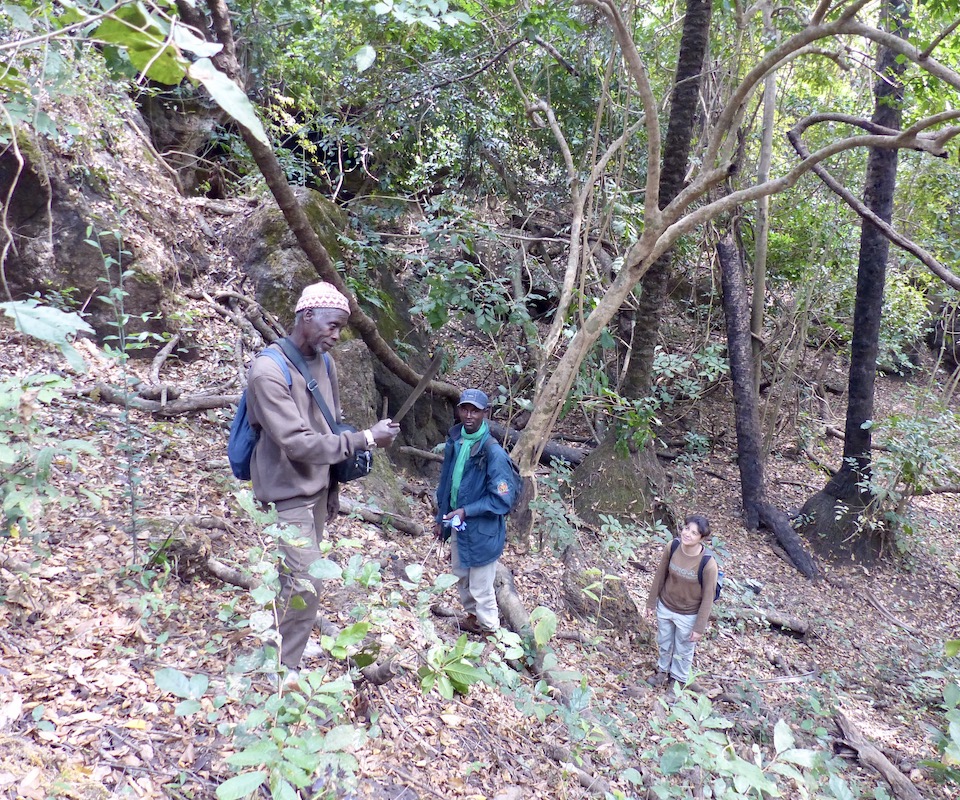
Dr Ferreira da Silva doing fieldwork in Dulombi National Park alongside her local guides. From left to right: Sadjo Camará (left, deceased in 2024), PRIMACTION Project Research Assistant Saidil Lamine Djaló (middle), and Dr Ferreira da Silva (right).
Creative applications: Small moves make big impacts
Even small actions can be influential! This is location-dependent, so you might need to get creative. Some examples of Dr Ferreira da Silva’s impacts are:
Music: She and her colleagues worked with famous local singer, Karyna Gomes, and musical producer, Remna Schwarz, to create and release a song in the Guinea-Bissau Creole language called Mato i Bida (“The forest is life”).
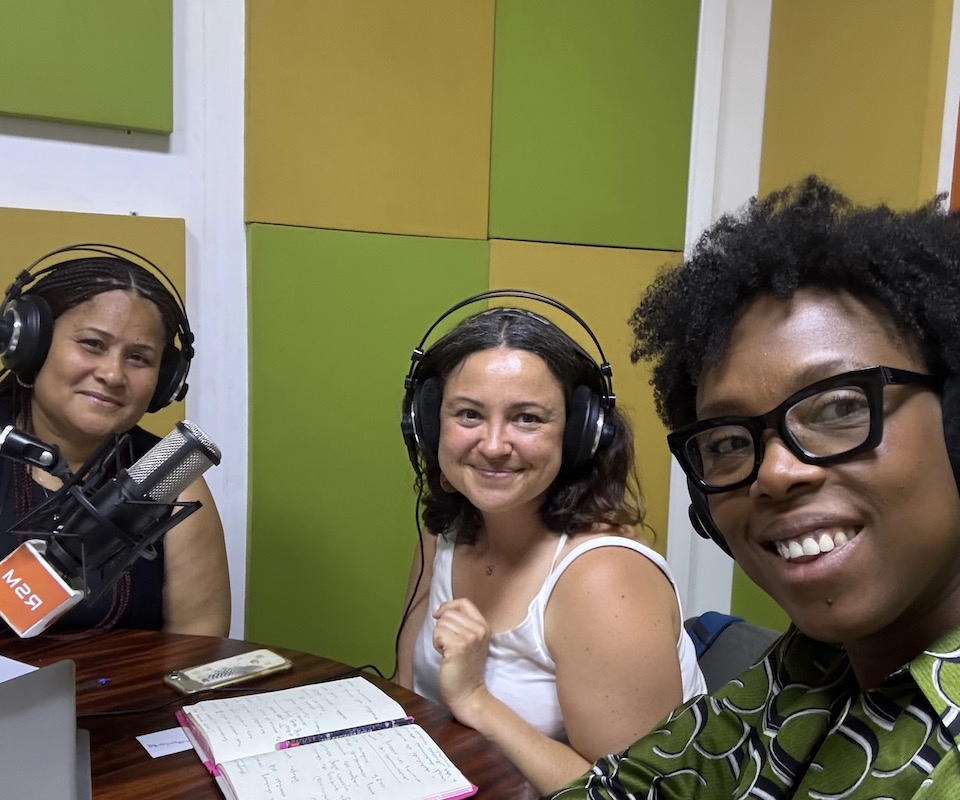
Launching the song at the Guinea-Bissau Radio Sol Mansi in February 2025. From left to right: Aissa Regalla, Director of the National Institute Managing Biodiversity – IBAP (left), Dr Ferreira da Silva (middle), and singer Karyna Gomes (right). Shared with permission from all parties.
The song was played over the radio to connect with locals. It includes a statement from Dr Jane Goodall where she mentions the importance of conserving Guinea-Bissau western chimpanzees.
Radio theatre: She helped fund investigative journalists’ environmental studies in southern Guinea-Bissau (O Democrata newspaper). Their research was brought to the capital city of Bissau and turned into radio theatre to help locals learn about the country’s environmental challenges.
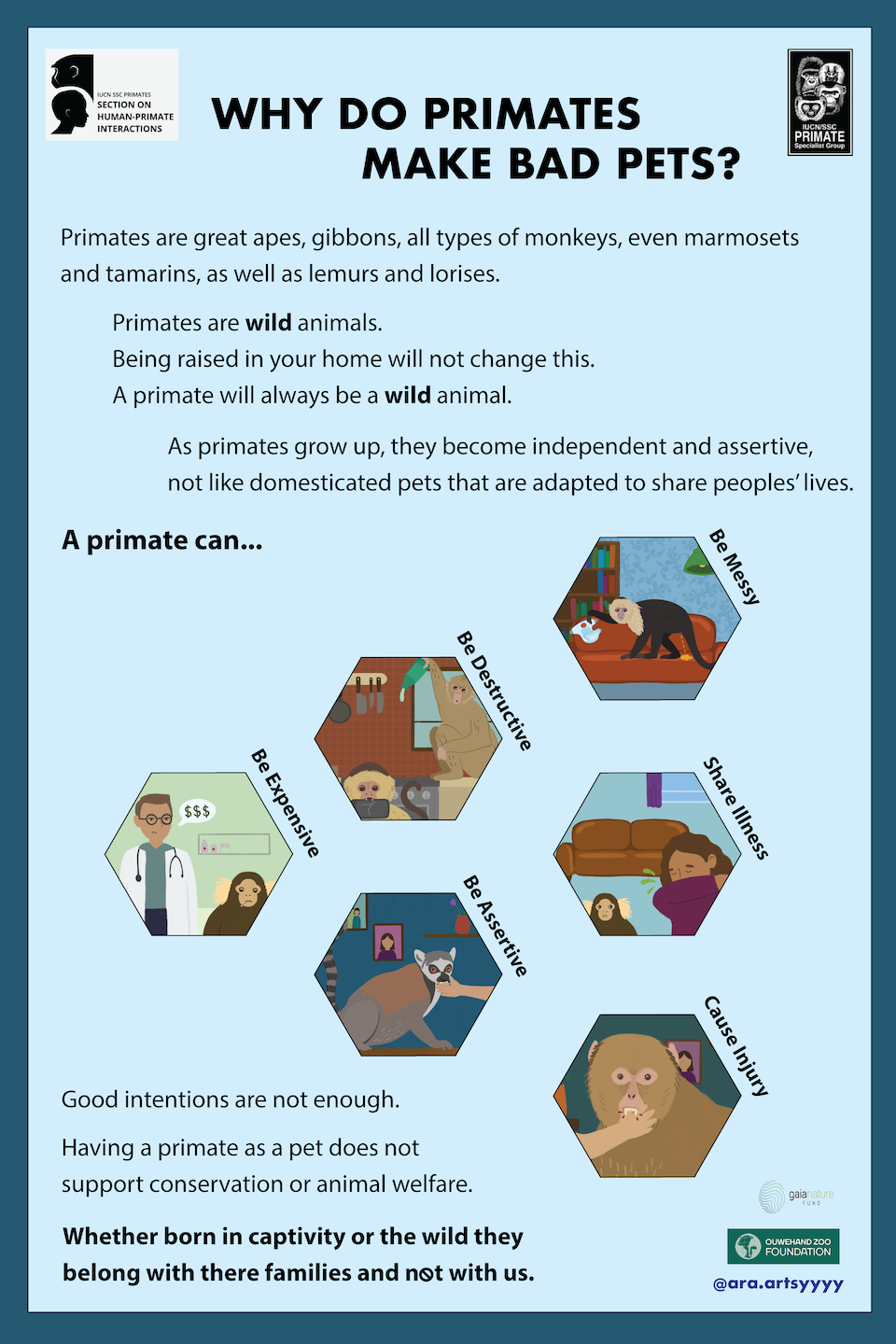
Infographics: She and her colleagues collaborated with the Human-Primate Interactions Specialist Group to create an infographic in local languages about why primates make bad pets, which they posted around the capital. This encouraged many residents to discuss the topic with her directly.
IUCN participation: The IUCN Red List completes new assessments every few years, so she regularly contributes her research findings (for example, Guinea baboons).
Areas of future focus in conservation genetics
To anyone looking to follow in Dr Ferreira da Silva’s footsteps, there are many areas that need attention. For instance, you could:
- Explore creative tools for studying wildlife without disturbing them, such as non-invasive genetics.
- Share information with residents so they can advocate locally.
- Join groups dedicated to conservation and meet people with similar interests – together, we are stronger.
- Work to open and support primate sanctuaries in places like Guinea-Bissau to help local conservation and economic development through ethical ecotourism.
- Educate tourists about respecting nature in foreign countries, especially as once-remote forests become more accessible.
- Consider both conservation and restoration projects, depending on the problem.
- Explore the ecological impacts of hunting, especially during war and conflict.
- Study how animals adapt and consider positive ways to help.
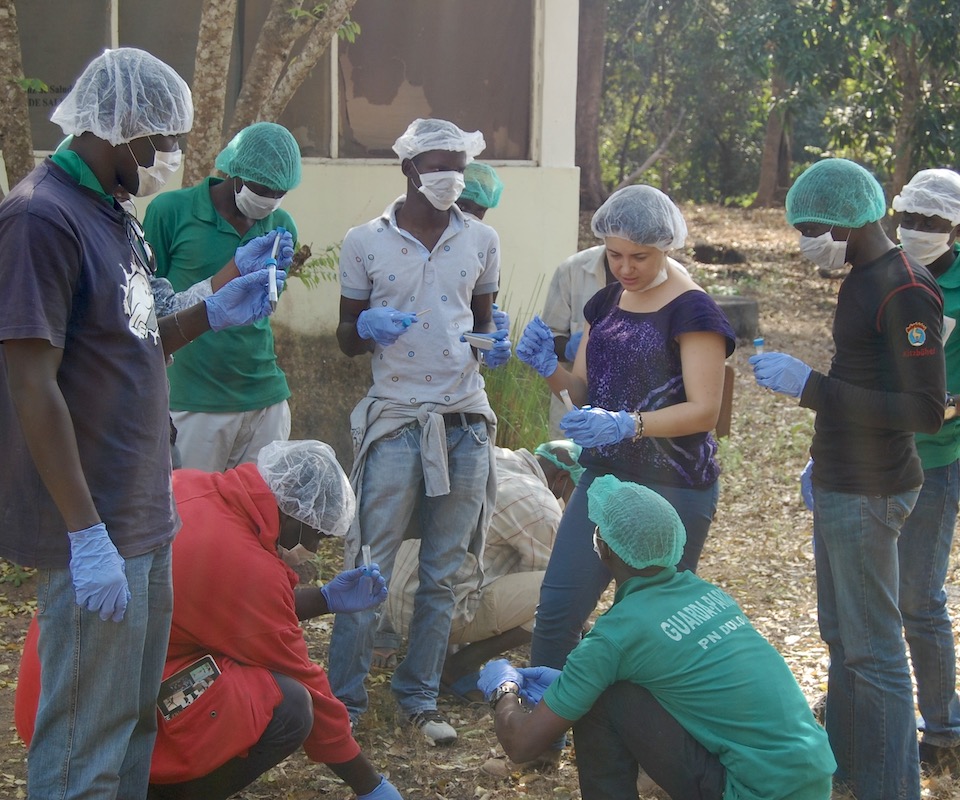
Dr Ferreira da Silva leading a non-invasive genetics sampling workshop with Guinea-Bissau Rangers (Dulombi National Park).
Final thoughts: Stay hopeful and persistent! Consistency is power.
Dr Ferreira da Silva is encouraged about the future, especially if we have patience:
“You need curiosity, but also consistency. We need to be patient. We need to be hopeful. Look at the objective at the end, not just immediate objectives.”
She has seen positive change happen with her own eyes. If she can do it, so can you!
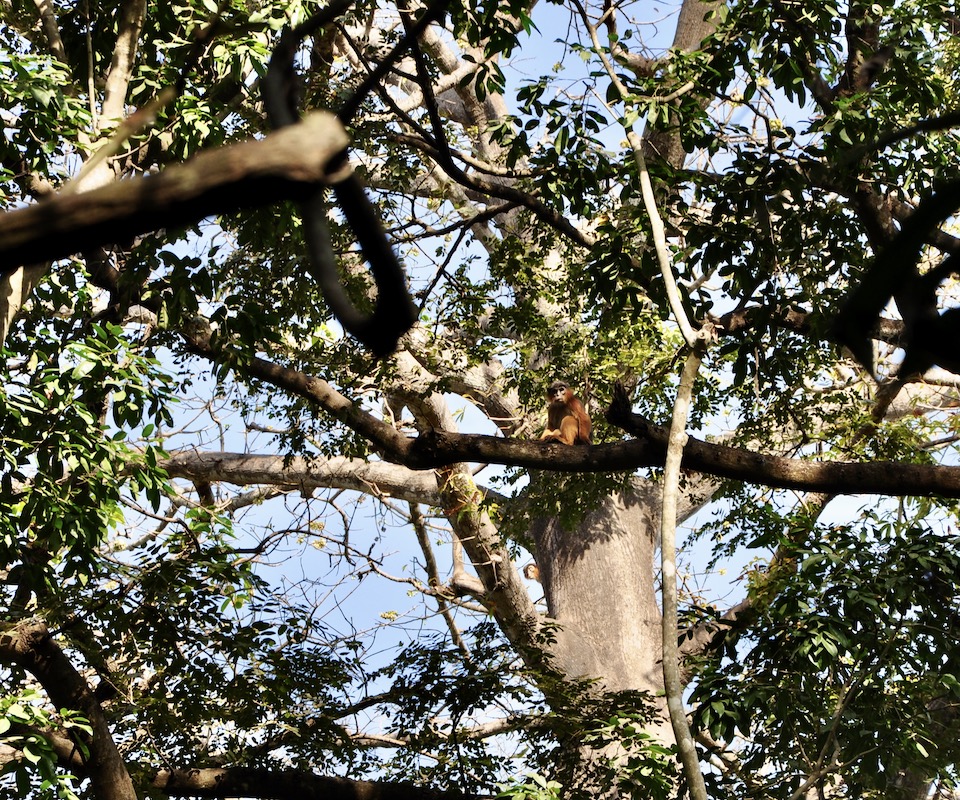
One of the best parts of the job is seeing endangered primates climbing free in the wild! This is a western red colobus (Piliocolobus badius temminckii), classified as endangered by IUCN – a rare sighting in the world, but still possible in Guinea-Bissau’s forests.
You can connect with Dr Maria Joana Ferreira da Silva on LinkedIn and ResearchGate.
Check out her primate conservation genetics projects and activities in Guinea-Bissau in the Primaction Facebook Group.
If you also want to help protect primates, you can read more about how to become a primatologist.
Author Profile | Katie Cohan
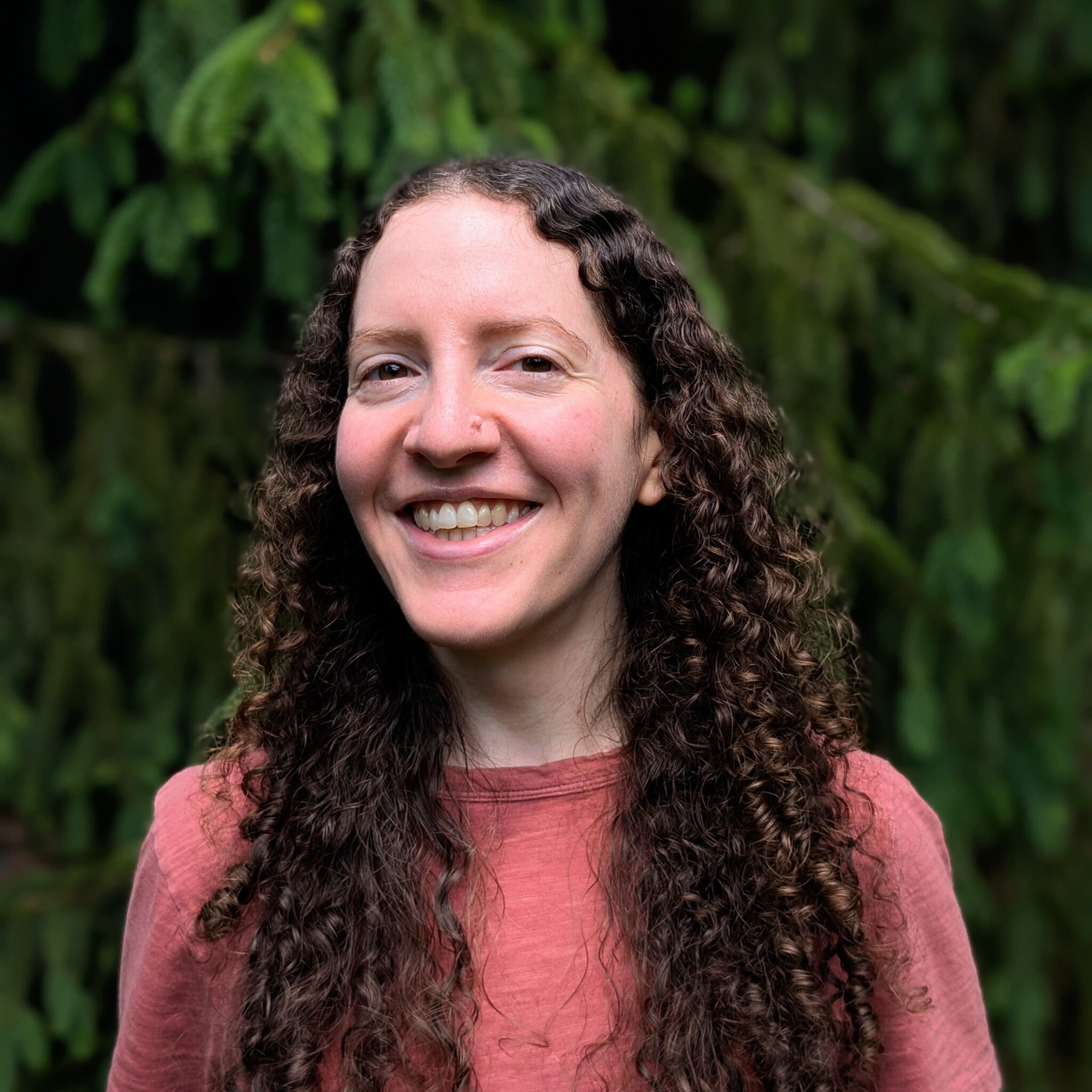 Katie Cohan has felt a strong connection to nature and culture since childhood. This inspired her to work in anthropology, veterinary medicine and wild and domestic animal care. As a writer, she now aims to highlight the intersection between human systems and the natural world. She is especially passionate about showcasing overlooked narratives and bringing attention to endangered and misunderstood species. Connect with Katie on LinkedIn.