Saving pastures by selling cheese: A case study of an economist’s vital role
Traditionally when thinking of conservation, we may not have considered economists on the sector’s front line. However, Georgia’s Aleksandre Mikeladze clearly illustrates the vital role of the economist through his work with SABUKO (Society for Nature Conservation).
SABUKO is an organisation focused on finding long-term, sustainable solutions that benefit both Georgia’s biodiversity and its people – where economists’ skills can help save both ecosystems and long-standing traditions.
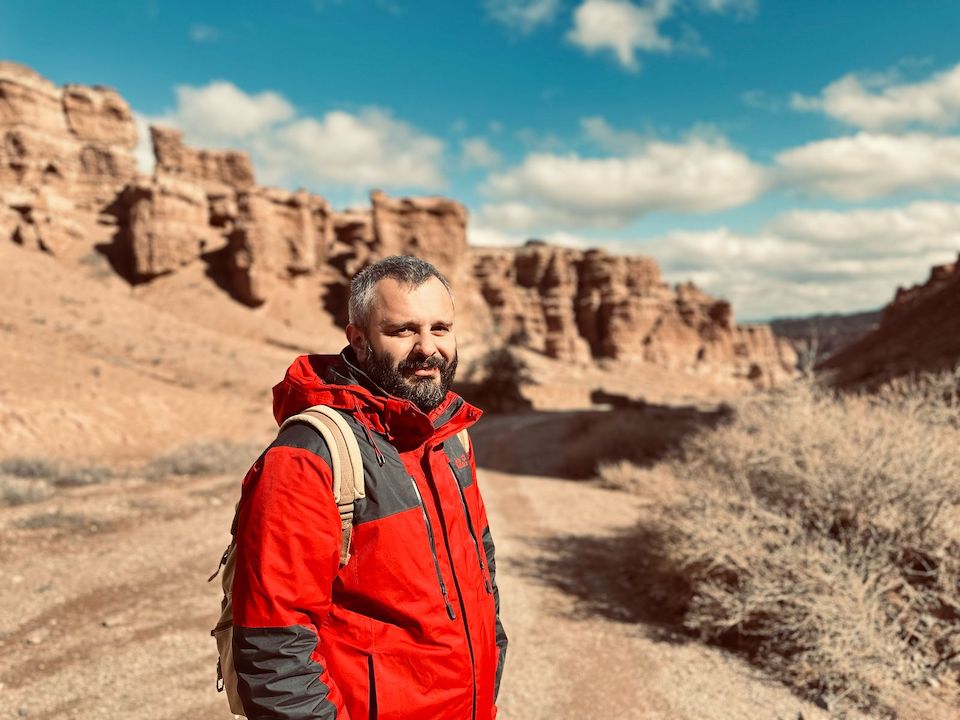
“As an economist, I’ve worked on all kinds of projects aimed at boosting agricultural productivity and efficiency,” Aleksandre says. “These efforts brought real results, but I always felt we could go further – support nature in ways that also benefit people.”
“I’ve never seen people and nature as separate. We’re part of one system. That idea shaped me early on. I’ve always been curious about what sustainability really means in practice – and how we can bring different perspectives together to achieve it.”
With SABUKO he is currently project manager and financial director for ‘The Kakheti Steppes: A Fragile Balance Between a Living Landscape or a Future Desert.’ It was the kind of opportunity he’d been looking for – a project which could boost both economic value and ecological restoration.
Perseverance and trust
“When I was a student, I read a lot of models and theories in these huge books. And I remember something that stuck with me – at the end of each chapter, it said: these are just models and assumptions.
“Since there’s no one-size-fits-all solution, you’re free to explore,” Aleksandre recalls. “Maybe it’s a bit naive, but why not consider the role of wildlife in the value chain?”
He found a way to pursue this vision through a landscape restoration project launched in 2019 by SABUKO, BirdLife International’s local partner. The initiative is backed by Arcadia and managed by the Cambridge Conservation Initiative. Aleksandre joined the team, using his economics background to help shape the project.
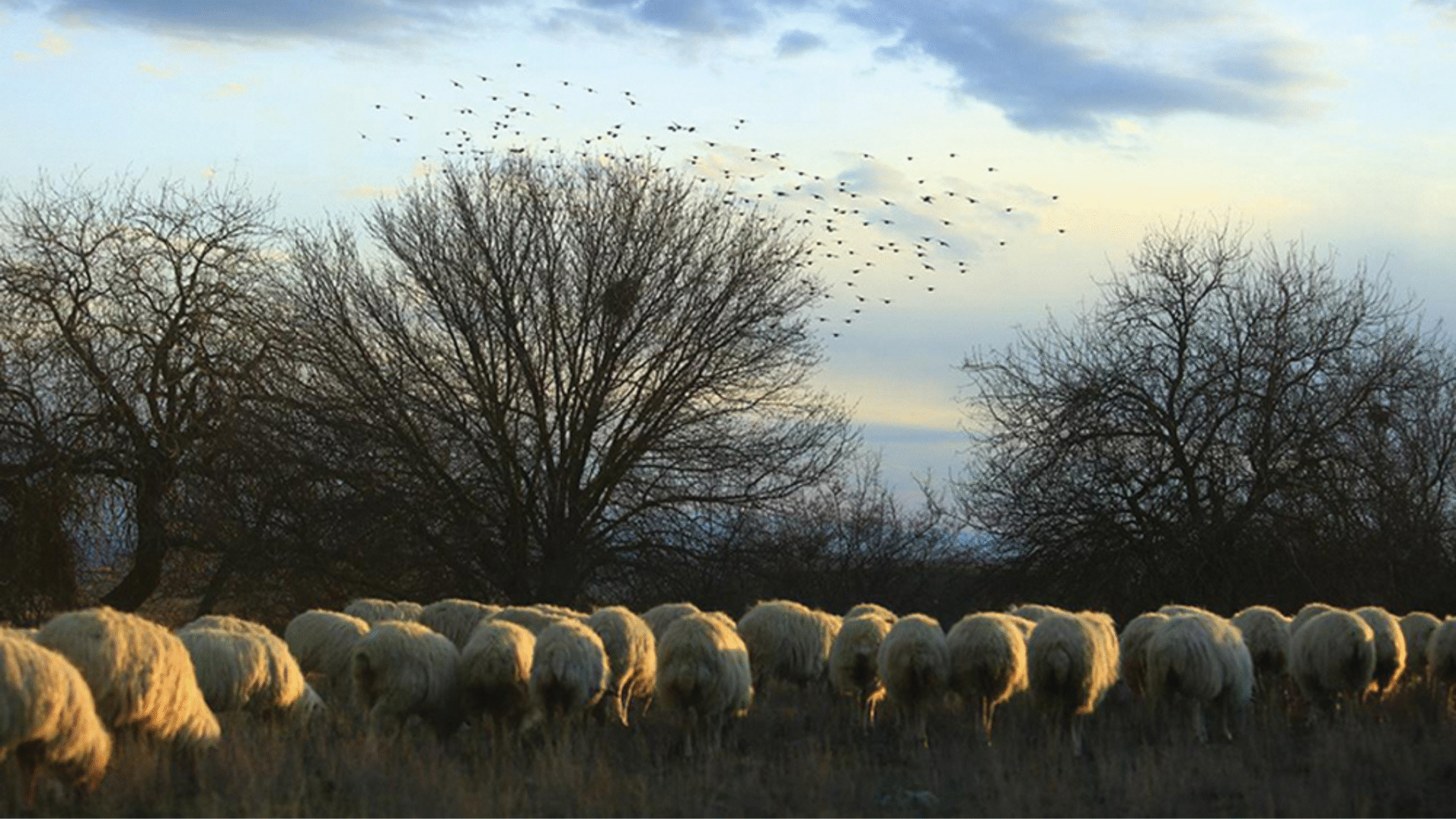
The main goal is to stop overgrazing on the Iori Plateau. After the Soviet Union collapsed, Georgian shepherds lost access to many traditional pastures and were forced to rely on the Plateau’s limited grasslands. The sudden concentration of livestock led to overgrazing and serious soil erosion, threatening both the local ecosystem and the future of agriculture in the area.
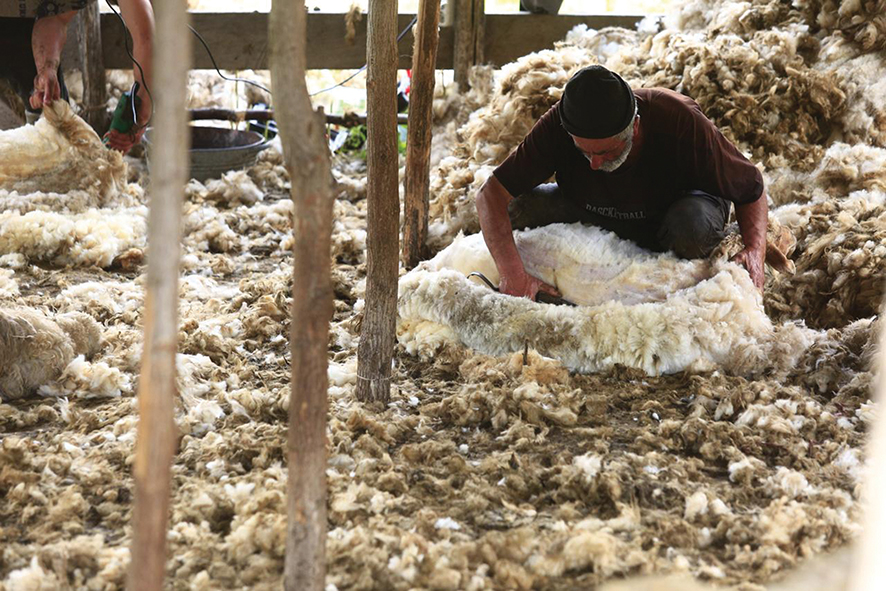
SABUKO’s approach relies on scientific research and close community engagement and it demands patience and persistence. To build a sustainable grazing system, the team spent years conducting ecological studies and maintaining open, ongoing conversations with local farmers.
“There are just over 80 farms in the area,” Aleksandre says. “When we started, we visited each one – going door to door to talk directly with the farmers. We knew the project couldn’t work without their input, so we really listened to their experiences, challenges, and ideas. We began by asking how things used to be, and what they thought might work now.”
“Many were skeptical, some figured we’d vanish after our 2019 visit. But we came back, month after month, year after year. Five years later, we’re still here and that consistency built real trust.”
Farmers recognised the pastures were deteriorating but were hesitant to reduce herd sizes, since that would hurt their already fragile incomes, especially with the limited market for sheep products.
Entrepreneurial vision
This challenge required a unique solution.
“I started gathering and analysing data to figure out how farmers could keep or even grow their income while easing the pressure on the land,” he explains. “I looked at the resources they use and tried to find which products had the most promise. That’s when we discovered something interesting – Guda cheese.”
The idea was to give farmers a new path, one that honoured tradition while encouraging innovation.
“Sheep’s milk Guda is a niche product,” Aleksandre says. “It’s not as popular in Georgia as, say, Imeretian or Sulguni cheese. So, we focused on adding value.”
To increase visibility and market access, the team created an umbrella brand called DOVLATI – a Georgian word meaning “wealth” or “abundance.”
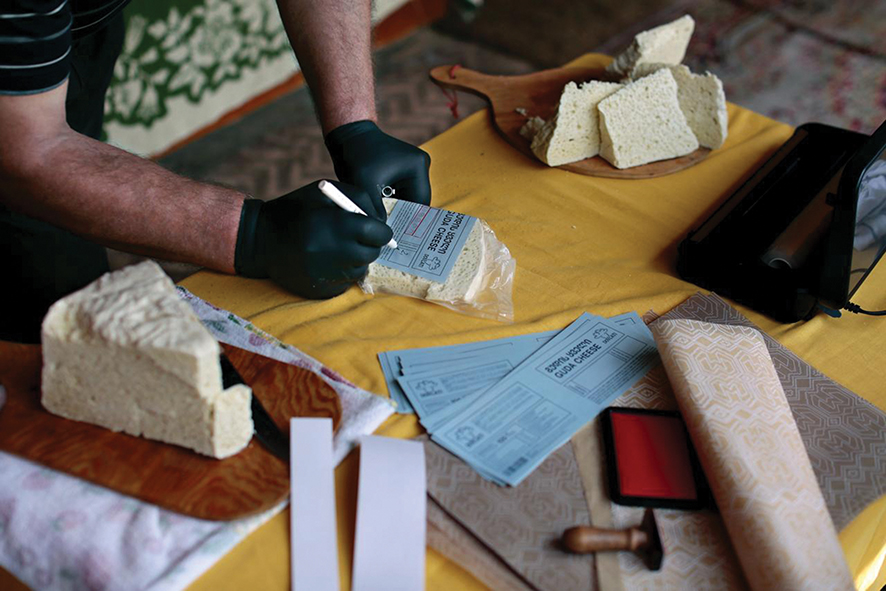
SABUKO’s long-term vision is that with this brand and its focus on sustainability, farmers can produce better Guda cheese and reduce herd sizes without losing income.
“Farmers liked the idea,” Aleksandre says. “But then we hit another issue: production volumes were too low for large retailers. That’s why DOVLATI also acts as a cooperative platform. It helps farmers pool resources, share knowledge and contacts, and strengthen their supply chain.”
While farmers work toward joining forces, SABUKO has taken the lead on promotion. They reached out to the Dairy Association of Georgia to help improve the cheese’s quality and flavour and provide training for farmers.
“We’ve also lined up early agreements with some players in the HoReCa (Hotels, Restaurants, Cafés) sector. Several businesses want to buy Guda at premium prices because they value its uniqueness and the story behind it. It’s made in a remote, ecologically significant area and that makes it special.”
Creativity and collaboration
To build awareness of the DOVLATI brand, SABUKO teamed up with Wingmen to produce a documentary about the everyday lives of local shepherds.
“It tells the story behind the cheese,” Aleksandre says. “It shows the complexity of farmers’ lives, our shared push for sustainability, and the reality of seasonal migration between pastures. It also captures the cheese-making process and our approach to conservation.”
The film is both educational and inspiring for both farmers and the wider public. It shows the connection between livelihoods and biodiversity, and encourages people to support conservation just by choosing Guda cheese. Every purchase helps protect endangered species like the goitered gazelle, the eastern imperial eagle, and many others native to the region.
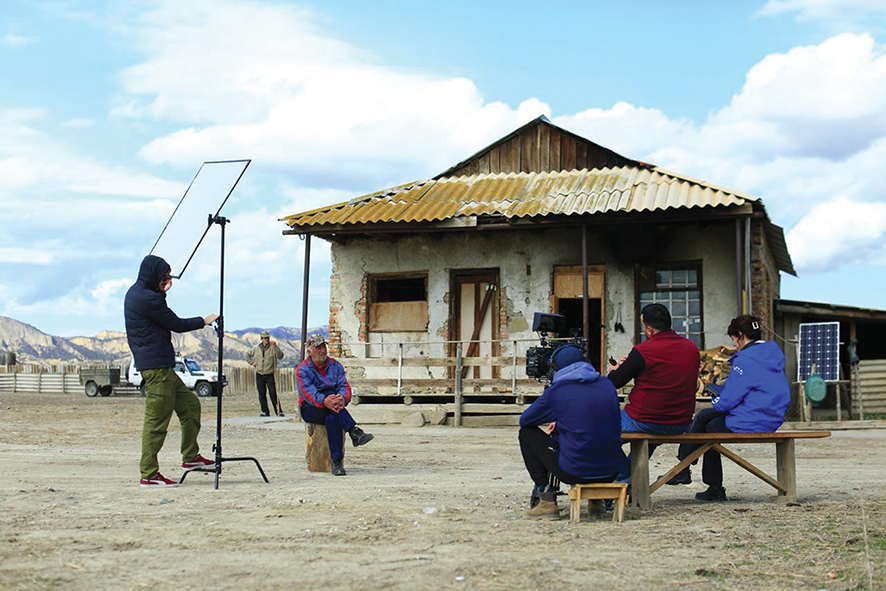
“I believe conservation gets stronger when people from different backgrounds are involved, whether they come from education, economics or ecology,” Aleksandre says.
“This project is complex. It takes many perspectives to make it work. Different experts shaped the technical parts. Others turned that into practical steps farmers could follow. Creative partners helped us tell the story in a way that reached people.”
“I’ve also learned that you’ve got to stay open to ideas and not take criticism personally,” he adds. “If someone doesn’t get your idea, it might mean you need a better conversation – or maybe it needs rethinking. Ideas aren’t final; they grow, and sometimes not being understood is just a sign that you need to see it from a new angle. Communication is everything.”
So, Aleksandre’s message is simple: collaborate with people from different fields, stay open to dialogue and keep checking that your efforts are making a real difference.
Learn more
Find out more about SABUKO’s projects.
- Are you also an economist willing to find your path in conservation? Check out this role profile, Conservation Economist: Putting a value on nature.
- Explore other roles in conservation with this guide to the Key Conservation Roles – you might discover something unexpected and inspiring.
- Want to learn more about teamwork in conservation? Listen to this podcast episode, The importance of community in our careers.
Author Profile | Anna Titova
 Anna is a non-fiction writer and environmental communicator with a strong passion for environmental history. She explores a wide range of topics, from the global waste crisis to climate change challenges. Committed to wildlife conservation and climate action, Anna aims to advance the field of environmental communications by helping scientists, environmentalists, and activists amplify their voices and gain the recognition they deserve.