Beneath the surface: What it really means to be a marine biologist
In just about every kindergarten or preschool class, half the kids say they want to be a marine biologist. Were you one of them?
As we grow up, that number shrinks and only a few adults actually get to live out that childhood dream. Maybe that is because becoming a marine biologist actually means becoming a research scientist, a career path that is pretty abstract until you find yourself several years into graduate school.
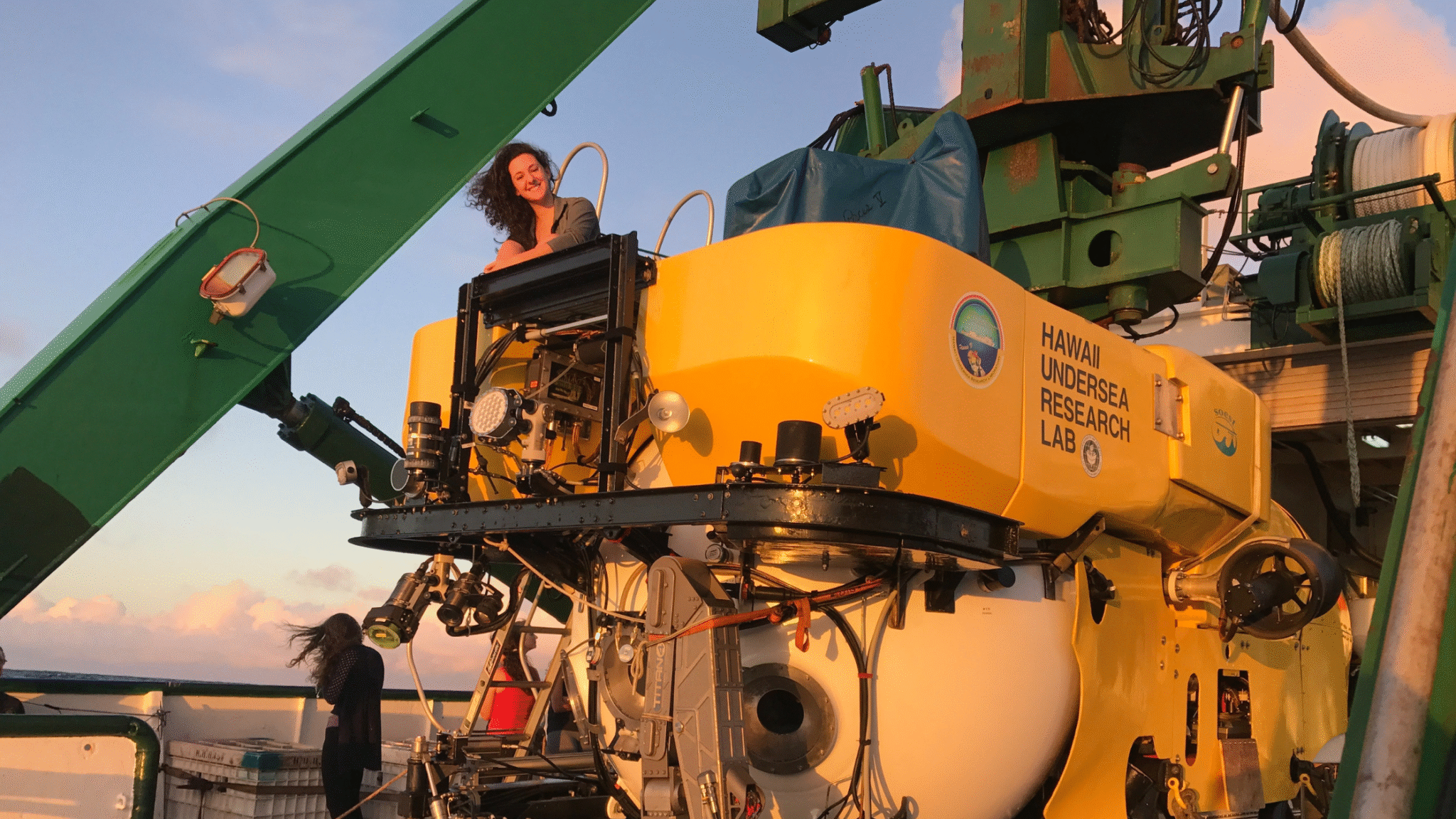
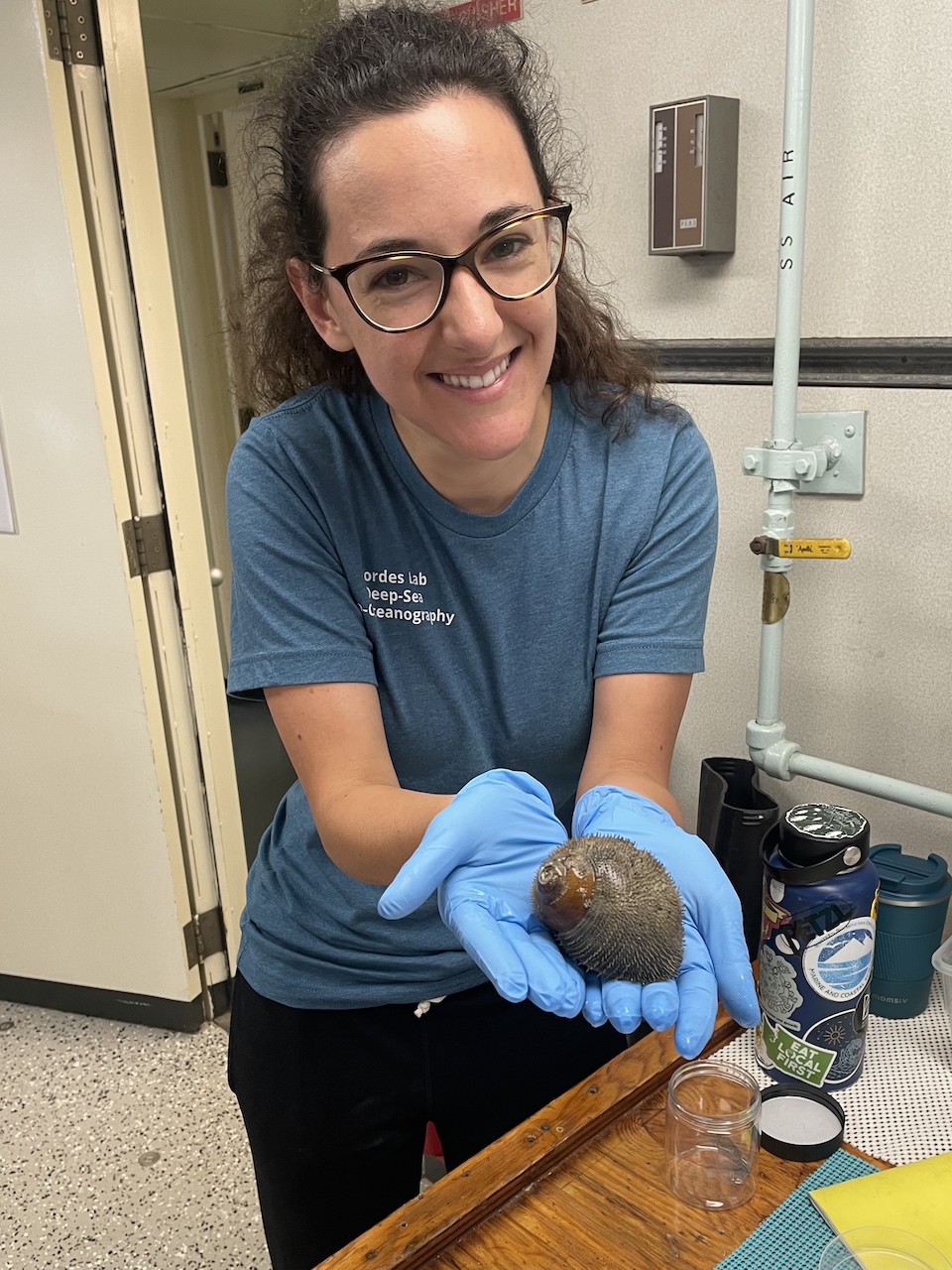
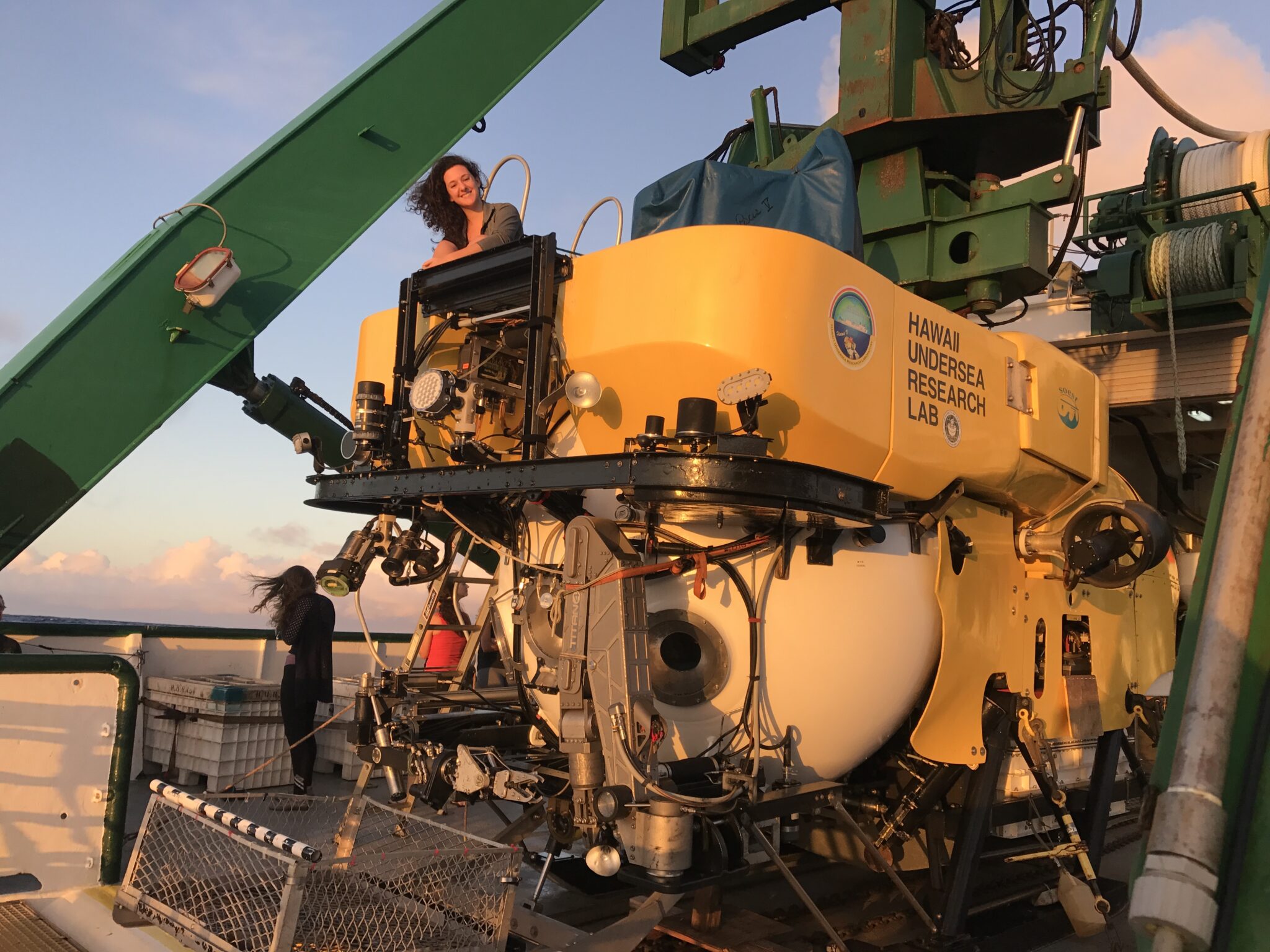
But for those with a deep passion for the field, that drive can take you far. Just ask Dr Melissa Betters, a postdoctoral researcher with the Smithsonian Institution in Washington, D.C., USA. Her dedication has taken her 1,200 meters under the sea, on four separate deep-sea research cruises, and led her to discover multiple new species along the way!
Reimagining the deep sea
We’re often taught to imagine the deep sea as an alien world – strange, extreme and unexplored. That mystery is part of what draws so many people to it: the promise of discovery and doing something that nobody has done before.
While Dr Betters has defined new species and worked in unknown waters, she hopes that her work will help people to see the deep sea a little differently than how we may be picturing it right now.
“The ocean is an ecosystem, like any other ecosystem. Like how we are interested in a desert, or a rainforest or a savannah. There are deep-sea mountains, there are deep-sea canyons, there are deep-sea hydrothermal vents,” says Dr Betters.
It’s not ‘otherworldly,’ it’s earthly – and deeply connected to the rest of our planet. To help with that understanding, Dr Betters has started designing deep-sea travel posters, to help people get a sense that these are places that actually exist in our world.
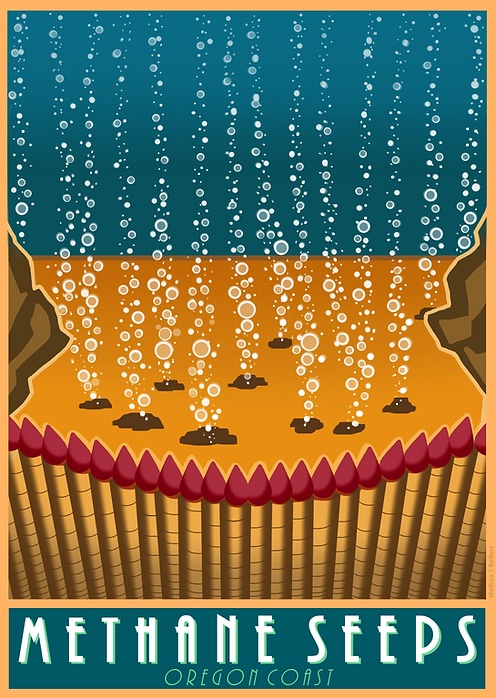
A deep-sea travel poster done by Dr Betters.
While her insights help the deep sea feel a little closer to home, she also has made some enticing discoveries herself.
During both her PhD at Temple University in Philadelphia, USA, and her current postdoctoral research with the Smithsonian Institution in Washington, D.C., USA, Dr Betters defined several new species of deep-sea snails using a combination of genetic, morphological (what the snails looks like) and geographic data to determine if the specimen is truly something new to science.
That means spending a lot of time looking at preserved snails in jars – looking at their shells, body structures and DNA to determine if they are different enough to be officially classified as a new species.
Speaking up for science
Even when deep-sea science feels distant to many, Dr Betters is passionate about bridging that gap and bringing the ocean’s hidden wonders to light through storytelling and outreach.
In Spring 2025, as an independent researcher, Dr Betters added her voice to a science communication workshop in Washington D.C., USA, designed to help scientists articulate the value of their work to broader audiences, specifically to policy makers.
The program culminated in meetings with members of Congress, where Dr Betters had the chance to advocate directly for the importance of government funding in this type of science and explain why deep-sea research matters – not just to scientists, but to society.
“You don’t necessarily know where your research is going or what it will lead to ten, twenty, thirty years down the line. It’s more likely than not going to lead to some returns – whether that’s a compounding of the research, or the establishment of a marine protected area…
“A lot of that foundational research is only funded by these federal agencies and advocating on behalf of that was a very important conservation step,” says Dr Betters as she describes the hopeful and motivated atmosphere of the workshop.
More than one way to explore the ocean
Dr Betters encourages anyone dreaming of a career in marine biology to make sure that this path is the one that they want to be on.
There are many ways to explore the deep-sea and to get to know the unknown, many of which do not require a biology PhD. Through her work she has collaborated with so many people on other career paths like chemists, geologists, engineers and more.
Whether you’re drawn to the science, the technology or the creative side of exploration, there’s likely a place for you in this field and it may not require several tough years of graduate school.
But, if you are that kid from your kindergarten or preschool class, the one who’s been saying for years that you want to be a marine biologist, this might be the space for you. You could be the one discovering new species and understanding more about what we don’t know on our very own planet.
Even better, you get to be more than a marine biologist – you can be a science communicator, an advocator and an artist, making all the difference for these species and areas that are still unknown to us. Maybe you will even get to describe a new species with Dr Betters someday!
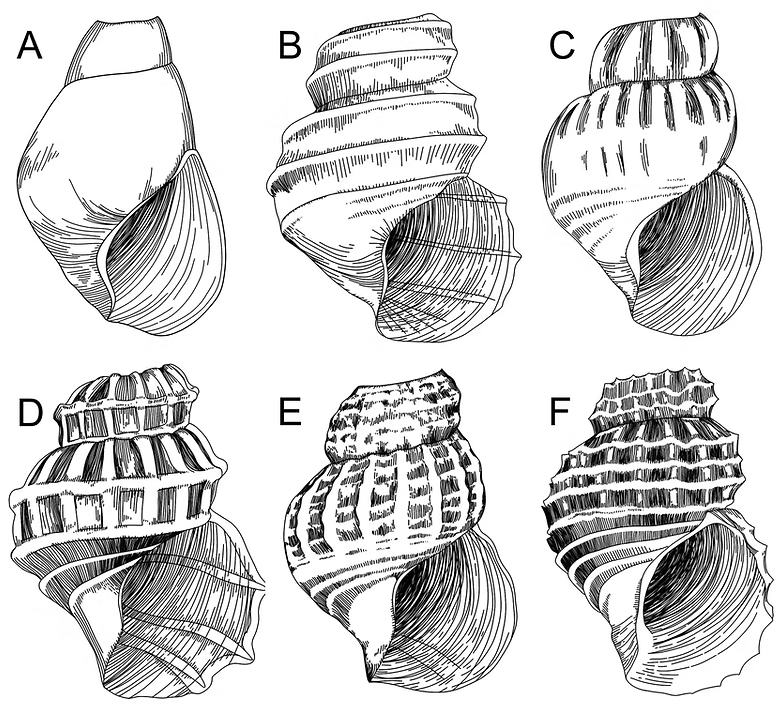
Scientific illustrations done by Dr Betters that she used to define new species.
Learn more
Have you wanted to be a marine biologist since kindergarten (preschool), or more recently developed a curiosity about this career path? Check out the guide How to become a marine biologist and read the role profile, Conservation Scientist | Answering key questions to tackle biodiversity loss to learn more about the role, the requirements and much more.
Are you called to the marine world, but aren’t sure which type of role might be a fit for you? Explore the diverse roles available in the ultimate guides Marine Conservation Jobs | Protecting the Blue Planet and Key Conservation Roles.
Author Profile | Molly Schools
 Molly Schools is a conservation geneticist, science writer and lifelong herpetologist. With a PhD in biology and a passion for communicating science, she specialises in making complex research accessible and inspiring for all audiences. In her free time, she enjoys being outside, traveling, cooking and spending time at the zoo where she currently works.