Building inclusive conservation from the coast up

Molly Fairclough, an outdoor enthusiast and nature advocate, currently works as a Coastal Project Officer at the Vale of Glamorgan Council in South Wales.
To learn more about her people- and place-centred conservation journey, read Swimming in home waters: Conservation starts at home. In this article, we will cover Molly’s ambition to make conservation a more inclusive place that not only welcomes but celebrates different paths into the sector.
Some context: a central part of her current role is coordinating the Vale Coastal Forum. A network of people and organisations which represent the three key pillars of the Vale of Glamorgan: community, nature and economy.
For Molly, people are integral to conservation work. The Forum’s success lies in welcoming diverse volunteers to support these pillars. As Molly puts it, “They have come forward because they’ve been part of conversations that made them feel heard.”
She is passionate about creating a more inclusive and welcoming conservation job market, encouraging people from varied backgrounds and abilities to get involved. “I’m in a place of privilege where I’ve been able to afford university and have the mental and physical capacity to take on multiple jobs to gain experience.”
Molly also highlighted the challenges of being a woman in conservation: “I’m postponing family planning because the next contract will probably be one or two years. How can I have maternity leave in that time?”
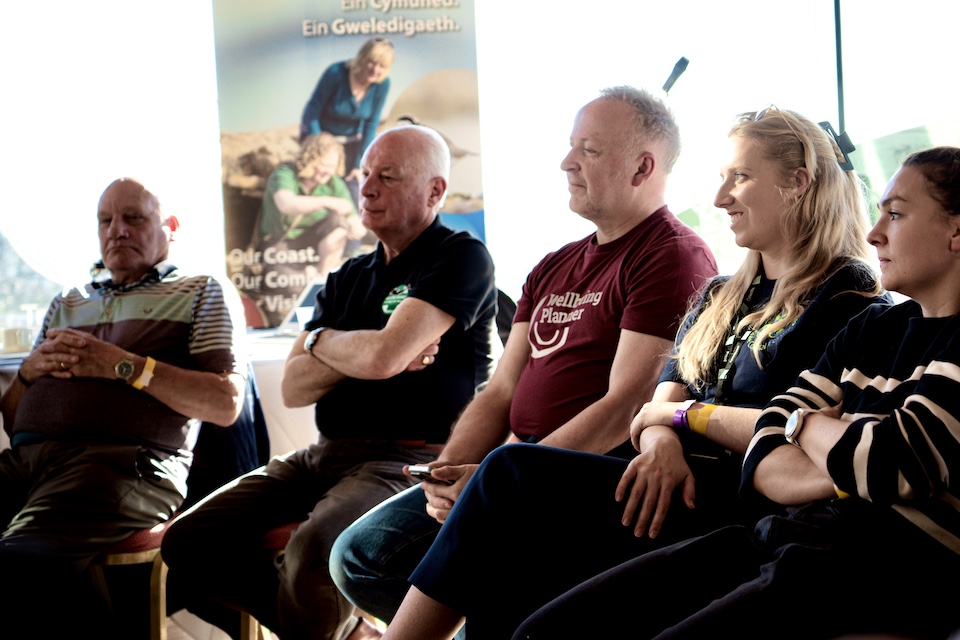
Molly working at a Vale Coastal Forum session.
Drawing from her own experience she champions different perspectives in the conservation space. Molly has worked multiple non-traditional conservation roles which have provided her with a unique skillset.
As a swim teacher, she learnt how to communicate with children the importance of the environment whilst they are immersed in it. As a dive equipment manager, she learnt the importance of safety in the water and the ability to command a team. (More on this below!)
As a big believer in creating your own future, she advocates the following when applying for jobs in conservation, especially when you feel that you don’t have all the right skills or experiences.
Molly recommends:
- Frame your experiences: Keep a spreadsheet of skills gained from different roles. Once mapped out, categorise them to highlight your relevant experience.
- Taking your time: Look thoroughly through the job spec and description. Match it to your experiences in your spreadsheet and expand with stories.
- Don’t worry if you don’t hit all the criteria: If you do hit all the criteria, you are probably overqualified for the job. Instead focus on what you can offer and how this offers an advantage.
- If you don’t ask, you don’t get: Actively seek opportunities.
- Use your downtime wisely: When you have free time attend free webinars and listen to conservation talks. This might help you realise there is a job or contact somewhere you hadn’t thought about.
- Network effectively: Create a dedicated email account for conservation-related news, job listings and events. Stay active on LinkedIn.
Molly also advocates for personal growth through new hobbies and part-time jobs. While at university in the UK, she learned to dive through a student society which provided affordable and flexible training that fit around her work and study. She strongly believes in ongoing professional development and makes time for courses, webinars, volunteering and conferences.
The importance of transferrable skills in conservation
Molly champions the idea that everyone has a role in conservation. In her experience, many crucial skills aren’t the ones traditionally associated with the field. Three key ones from her background stand out:
1. The importance of safety
Molly’s lifeguard experience made safety second nature, a huge asset in early conservation roles. During internships in Egypt, Tobago, the Maldives and Greece, she noticed that many marine scientists were not as strong swimmers as herself.
“The safety training has helped me because, when I’m in the water, if something goes wrong, I can command a team,” she explains.
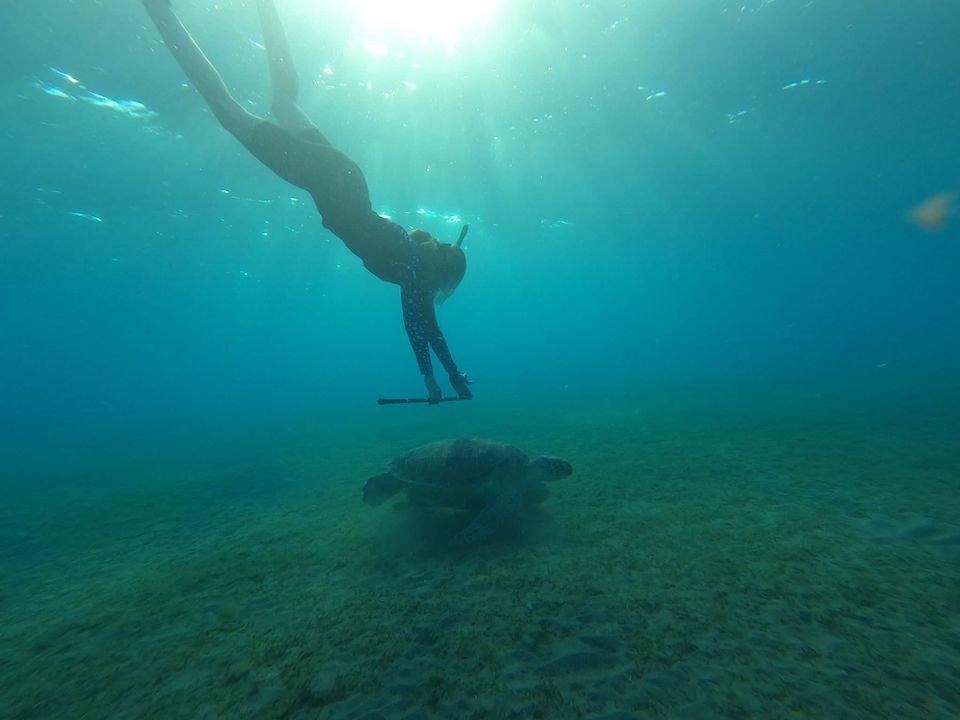
Molly in the water in Egypt conducting fieldwork.
2. The power of communication
Working with children sharpened her ability to explain complex conservation ideas in engaging ways. She uses informal education to inspire independent thinking.
In one memorable activity, she used microscopes to compare plankton and microplastics. She began by showing the children a picture of SpongeBob. This provided a point of reference and something the children could connect to. She then asked them to look through the microscope and spot the difference between plankton and plastic. It helped them grasp how hard it is for marine life to tell them apart.
Molly adapts her communication for less engaged students and those with special educational needs (SEN), making lessons relatable and accessible. These experiences have taught her how to change her tone depending on her audience.
“Not everyone cares about what you care about, and not everyone understands things the way you do,” she says.
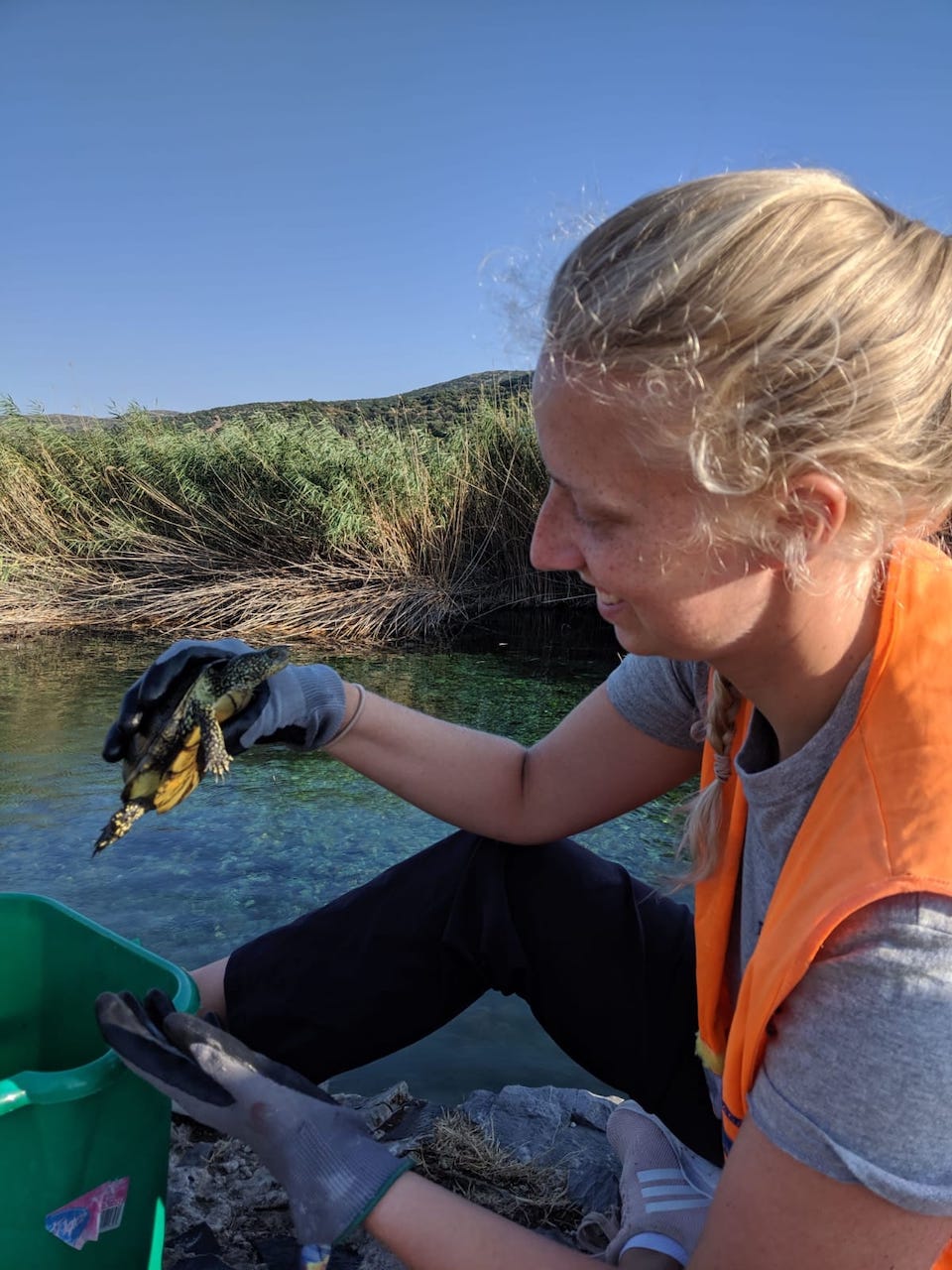
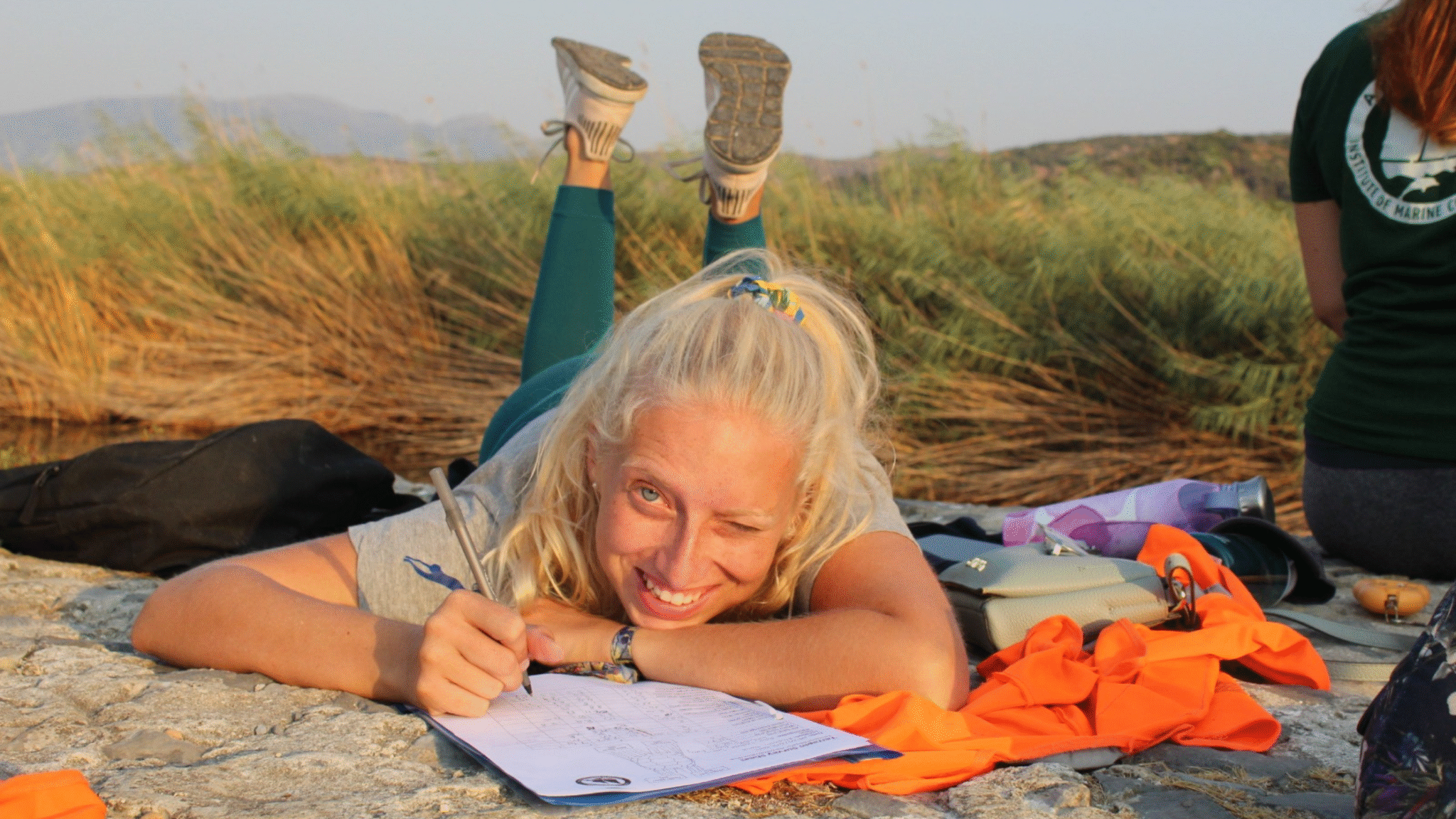
Molly conducting fieldwork during an internship in Greece.
3. Placing people in the environment.
During her undergraduate studies, Molly was told, “You’re not doing environmental science just for the environment – it will recover. You’re doing it for humans to stay here.” This perspective solidified her belief in human-centric conservation; to preserve the environment we must involve people.
Parting the water for others
Molly’s journey highlights a powerful truth: conservation isn’t just about protecting nature; it’s about including people in the process. Her story reflects the growing need for a more inclusive, accessible, and community-rooted approach to conservation.
Whether it’s through building local networks, drawing on unexpected skills or opening doors for others, Molly shows that creating meaningful change starts where you are, with what you have.
If you are interested in Molly’s work as a Coastal Project Development Officer at the Vale of Glamorgan Council you can keep up to date with her work via LinkedIn.
If you are interested in becoming a conservationist in your local area, check out the role profile of a Conservation Project Manager. If you are an outdoorsy person like Molly, and looking to make your passion your paycheck, check out this article on how to find an outdoor conservation job.
Author Profile | Laura Hayter
 Laura is a creative professional with a Master’s in Marine Systems and Policies, she is driven to combine her passion for writing with ocean conservation. Her focus lies in understanding human relationships with natural environments. As a Sustainability Officer for her local council, Laura applies her expertise daily while pursuing creative writing in her free time. Explore Laura’s portfolio or connect with her on LinkedIn to learn more about her work in marine science and sustainability.