Urban roots, wild futures: inspiring the next generation of conservationists
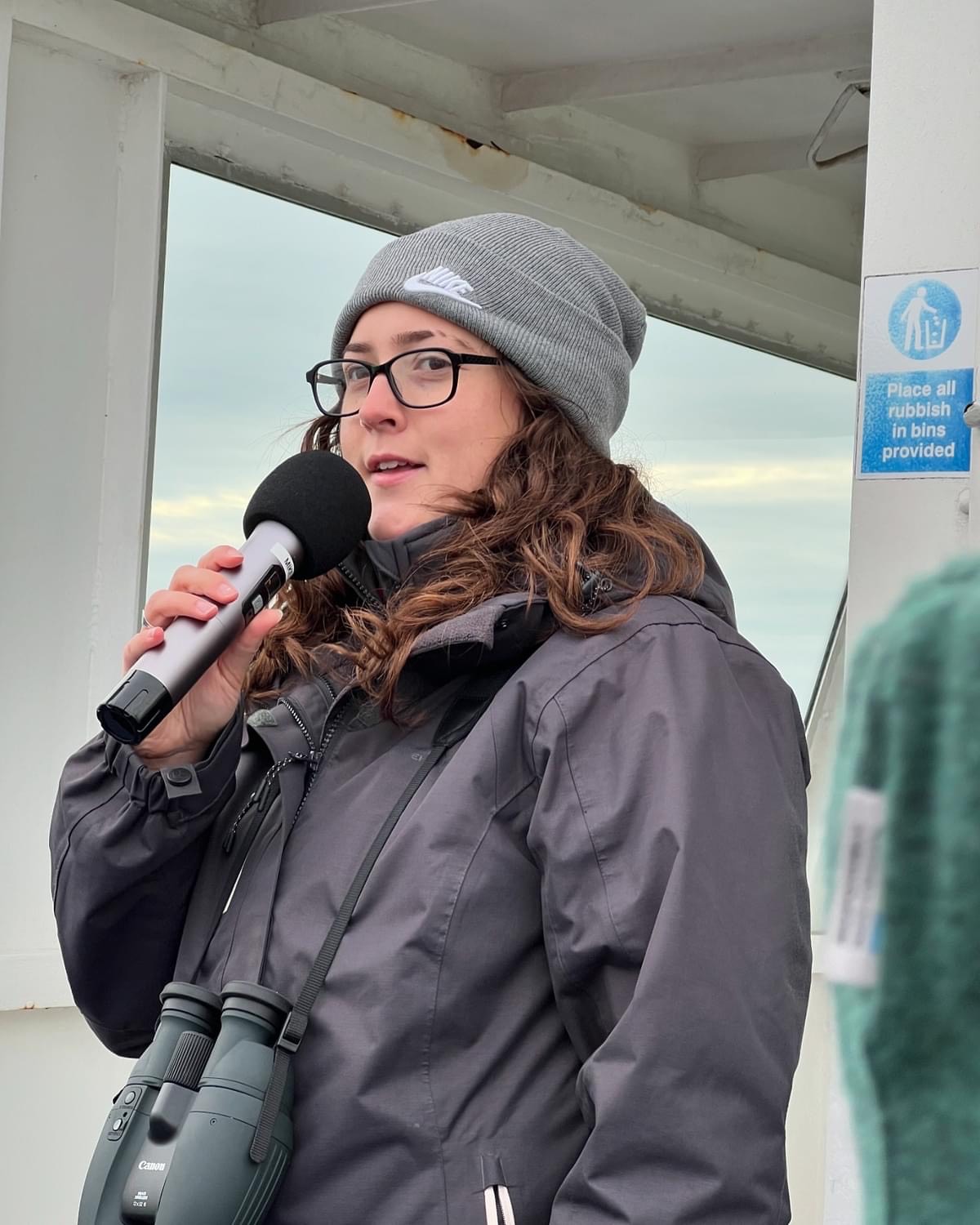
Mya Bambrick is a rising force in UK conservation – an award-winning wildlife conservationist, filmmaker and writer, who’s turning heads and winning hearts. At just 23, she’s out in the field working for the Birds of Poole Harbour charity in the UK, leading wildlife experiences, school’s education programmes and public events. Her aim? To spark curiosity and ignite a love for the wild in every visitor. Her impact is already clear: two conservation awards, a regular column in the Guardian’s Country Diary, and the launch of her own film production collective – all driven by a fierce commitment to outreach and inclusion.
Every step of Mya’s journey reflects a deeper mission: not just to protect wildlife, but to break down barriers and help people from all walks of life feel at home in nature. Through commitment and drive, she’s creating space for the marginalised to connect with the wild.
From street dance to bird watching
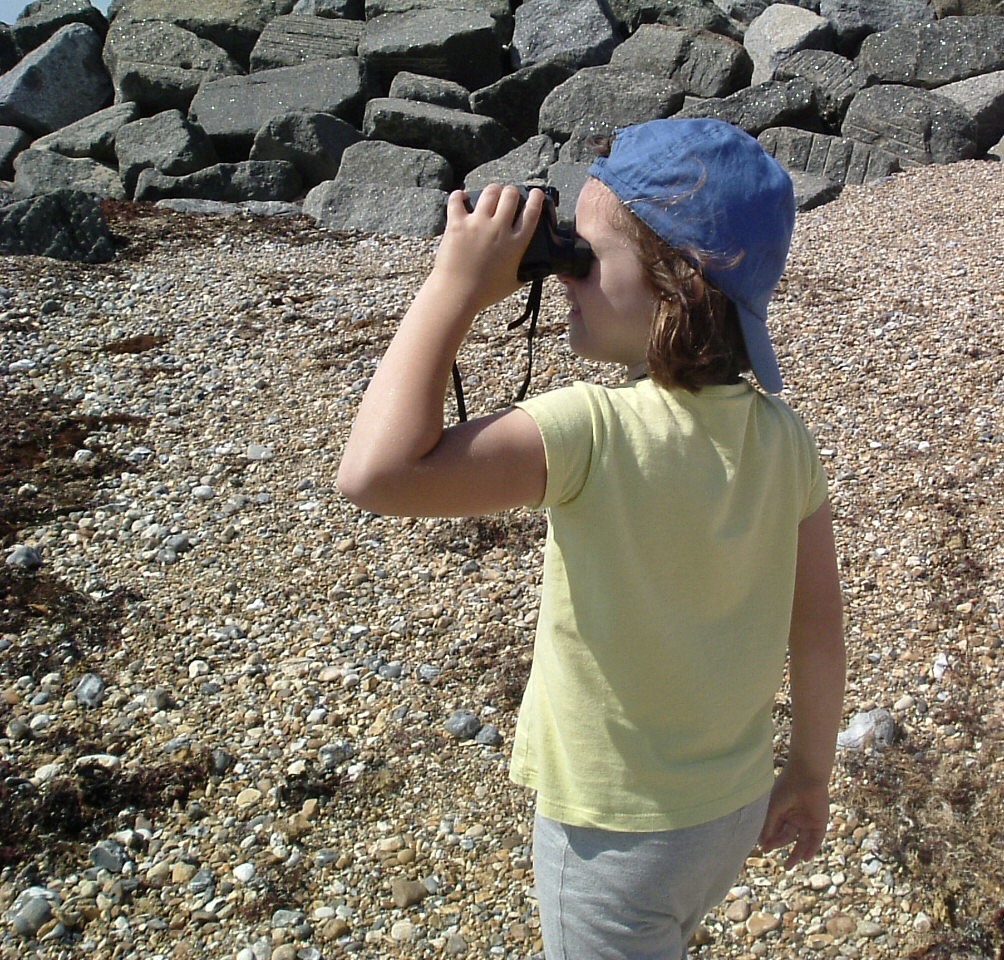
“I’ve always loved wildlife,” says Mya, “but growing up in an urban town like Crawley, it wasn’t exactly the norm. No one in my family was into nature, and as a kid, my main hobby was street dance.”
Everything shifted the day she stumbled across Springwatch on BBC television. “It was all about wildlife – and it looked cool. I knew instantly I wanted to be part of that world. Mum was so supportive, taking me to the local nature reserve every weekend. We’d head out early, and I’d sit for hours in the hide, often freezing, watching woodpeckers and kingfishers. I started chatting with the regulars, and they taught me about the birds. That’s really where it all began.”
Finding her flock: bird camps and ringing at dawn
At just 13, Mya leapt at the chance to attend one of the British Trust for Ornithology’s (BTO) residential bird camps. “I’d never travelled beyond Sussex (region in southern UK) – let alone stayed away from home,” she recalls. “It was a huge step, but it opened my eyes to the idea that birding wasn’t just a hobby – it could be a career. And for the first time, I realised I wasn’t alone. There were other young people just as passionate as me. At school, I was the only one into birds, and honestly, I often felt a bit weird.”
Inspired by the experience, Mya began training as a bird ringer, committing to 4am starts and long mornings in the field. None of her peers were into birdwatching and being a young girl in a male-dominated space only deepened the sense of isolation. “I was always very shy,” she says. “I found it hard to speak up in class. But through social media, I started connecting with other young conservationists, and suddenly, everything shifted.”
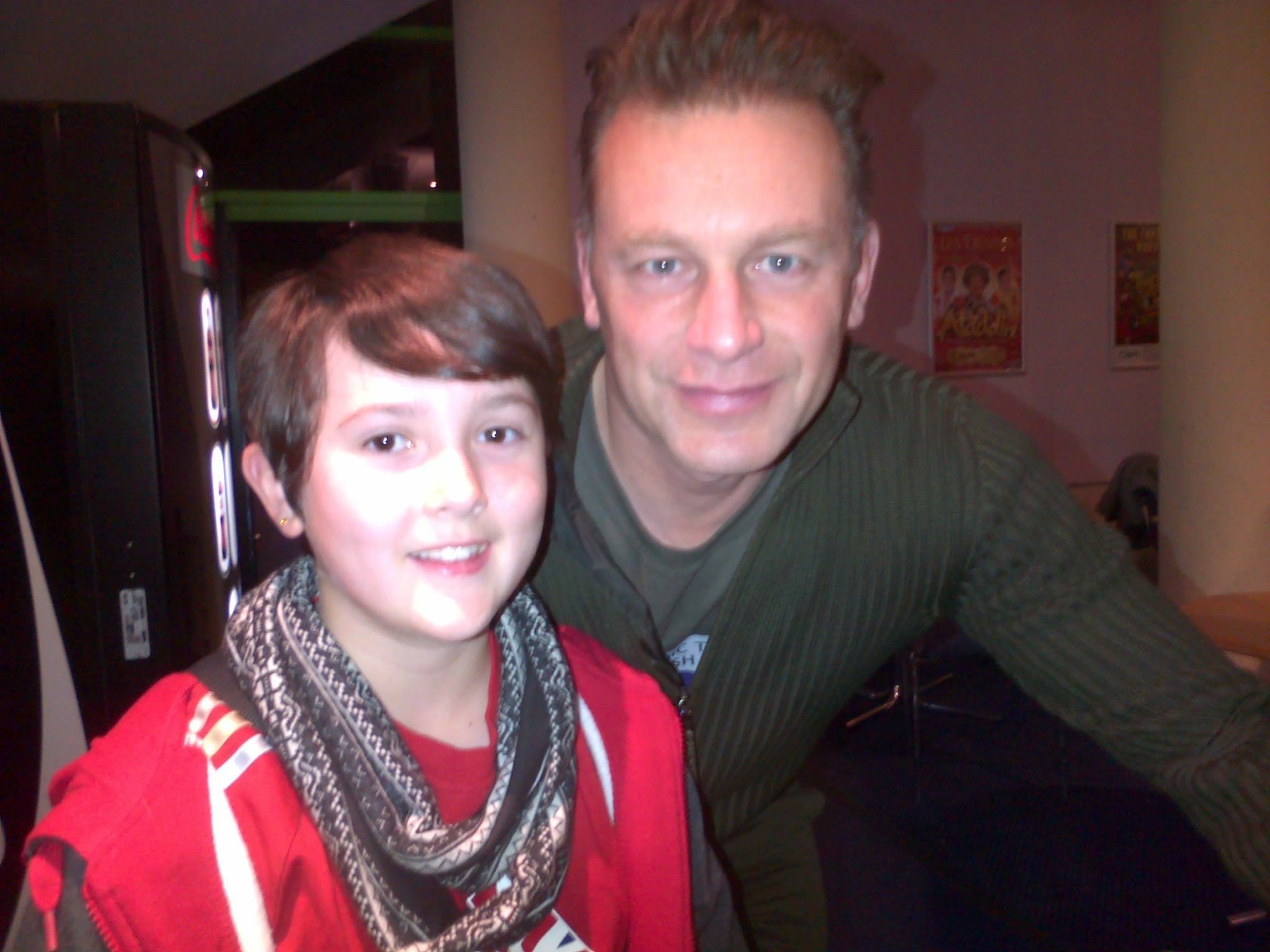
As Mya’s confidence grew, so did her involvement in the conservation community. She became a youth representative for the British Trust for Ornithology and, at just 15, joined the council of the Sussex Ornithological Society – and was the youngest person in the room. “It was all older men, and as a young girl, it was daunting to walk in. It’s much more inclusive now, but back then, there were no other women on the council. They were welcoming, but I was still shy. It took a couple of years to find my voice.”
University and a passion for youth engagement
Mya’s love of science led her to Bournemouth University, where she studied Ecology and Wildlife Conservation. The transition wasn’t easy – coming from a close-knit home with just her mum, she found the social side challenging, and wildlife took a back seat during that first year. That changed when she began reaching out to conservation organisations. “I realised I didn’t want nature to just be a hobby,” she says. “I wanted to get involved, inspire more young people, and make it more accessible and inclusive.”
In her final year, Mya made a bold move: she took a year out to complete a placement – the only student on her course to do so. She already had connections with Sussex Wildlife Trust, having won their David Streeter Award in 2020 for her work in engaging young people with the natural world in Sussex. When she got in touch, the Trust offered her an internship tailored to her passion for youth engagement.
It was her first real job in conservation and a turning point. Mya helped design a youth engagement scheme for 16 to 25-year-olds, working on everything from idea generation and consultations with youth-focused organisations, to managing social media and writing for the Trust. One of her proudest achievements? Helping transform the Deneway – a narrow, overlooked strip of land in urban Brighton (in Sussex) – into a thriving youth-led nature reserve.
Ospreys, eagles and a new chapter
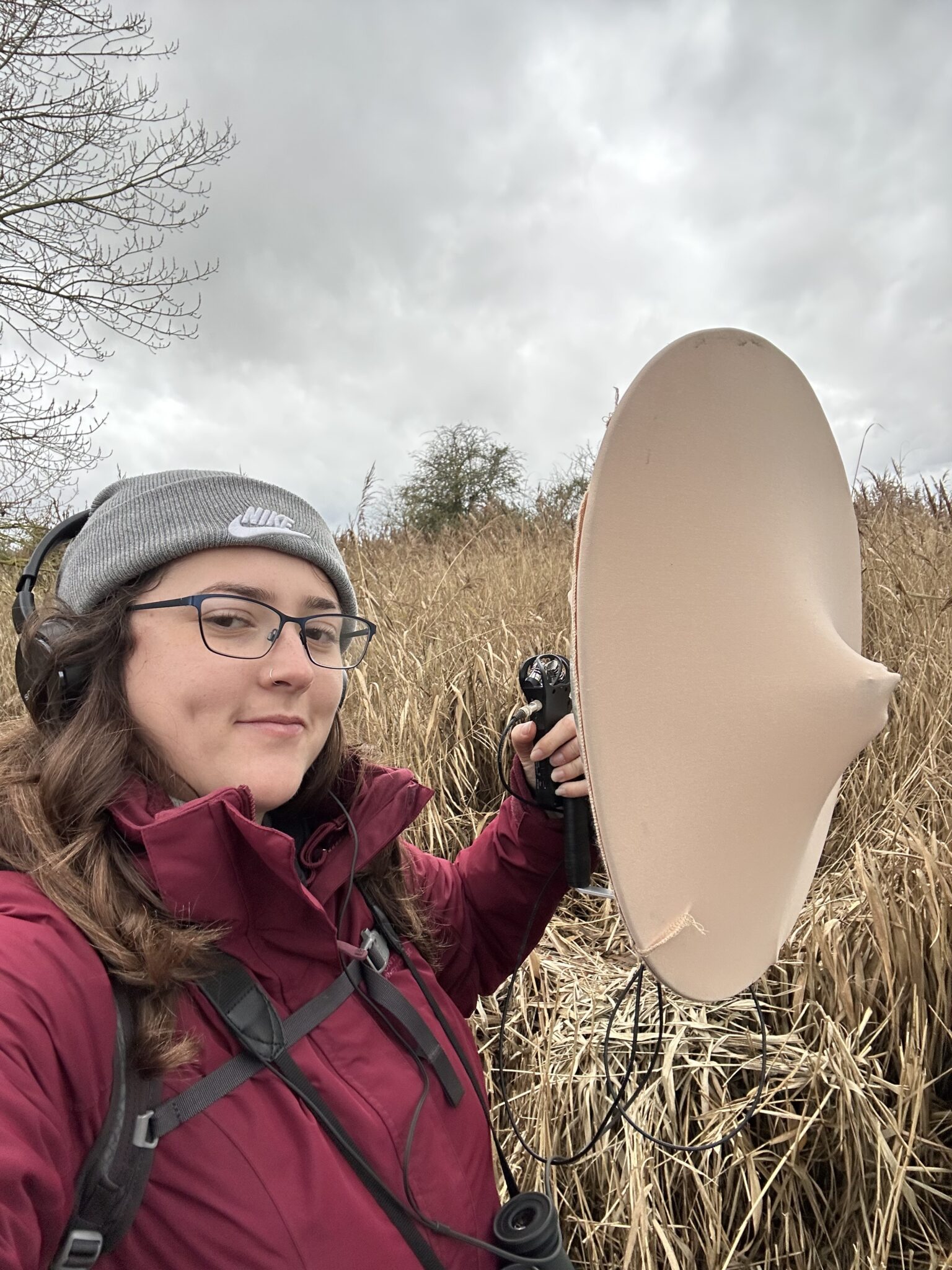
When Mya’s internship finished in March, she found herself at a loose end with a few months before she returned to uni. Then a friend tagged her in a job post for an Events Assistant at Birds of Poole Harbour. It felt like the perfect fit. “Even then though, I was thinking, am I really good enough?” she admits. “I knew I loved birding, but did I have the depth of knowledge they’d need? It also meant leaving home again and finding somewhere temporary to live. But in the end, I thought – just go for it. There’s nothing to lose.”
Following a successful interview – bird quiz included – Mya landed the role. The job centred on osprey tours, so everything hinged on the birds returning from migration. When they finally did, Mya packed up and relocated, diving into a hectic season of walks and wildlife cruises. From white-tailed eagles and marsh harriers to peregrines and ospreys, she guided visitors on unforgettable encounters with some of the UK’s most iconic birds.
For Mya, the early mornings and high-energy days are more than worth it. “Seeing the joy on people’s faces is amazing.” One of her favourite projects involves working with primary school children. It was a learning curve, but now she sees herself reflected in the young girls who ask questions about how they too can get involved. “Knowing I might be helping shape the next generation of conservationists – that means so much.”
Balancing fieldwork and finals
Mya’s final year at university was a whirlwind of fieldwork, exams, and opportunity. She was lucky enough to be able to continue her role with Birds of Poole Harbour, which evolved into full-time work, and she was able to weave her real-world experience into her assignments. Her dissertation focused on nightjar distribution – a species she’d come to know through her time with the Dorset Nightjar Study Group, where she’d helped tag, track, and ring birds.
Balancing revision with full-time work was intense, especially toward the end. Her final exam allowed her to write about osprey translocation (moving osprey chicks from their birthplace to an artificial site, elsewhere – crucial for the survival and recovery of osprey populations) and when her results came in, she was thrilled to have earned a First. Her recent promotion to Engagement and Projects Assistant means she’s now even more hands-on: running pop-ups and event stalls, helping with young birder sessions, leading conservation projects, and assisting with boat safaris.
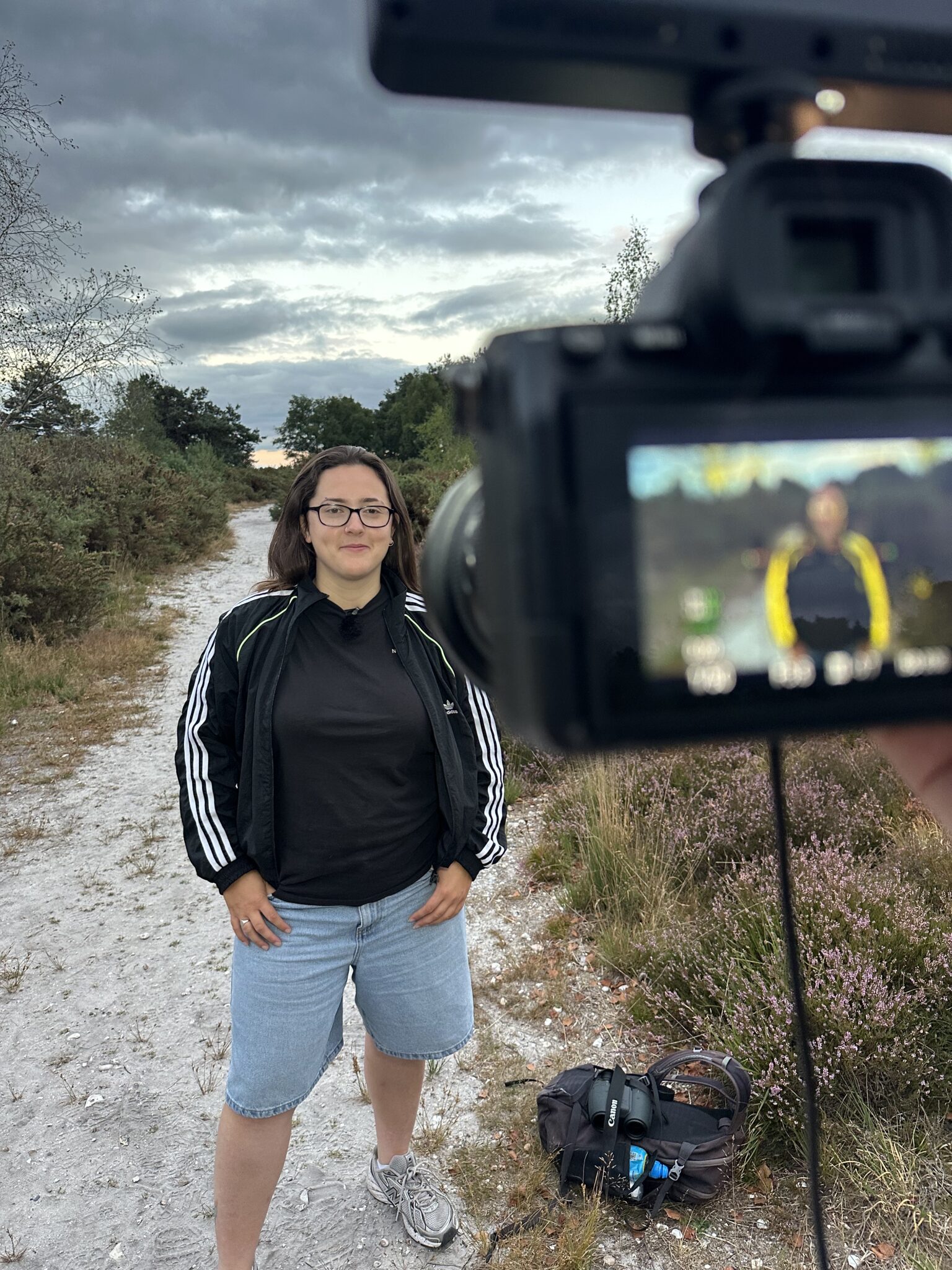
Alongside that I’ve been setting up a film production collective with a filmmaker called Amy King. We created a four-part series called Birds of the Urban Jungle, featuring peregrine falcons in Horsham, starling murmuration’s over Brighton Pier, and great crested grebes in Tilgate Park, Crawley.” Together they went on to create Conservation: The Next Generation, a 25-minute documentary featuring four young people with passions ranging from moths and butterflies to urban wildlife.
Beyond filmmaking, Mya’s exploring sound recording, particularly nocturnal migration and species like the nightjar. Inspired by her love of music, she’s even learning to DJ. Her dream? To produce original music using bird sounds – blending conservation and creativity to reach new audiences in unexpected ways. Conservation needs fresh thinking, and combining nature with music could be a powerful way to bring more people in.
Advice for aspiring conservationists
Mya’s advice to anyone pursuing a career in conservation is simple but powerful: don’t be afraid to ask. Many of her opportunities, from writing for Birdwatching magazine and the Guardian’s Country Diary to going on a press trip to Colombia, came from a simple email. She started writing at age 12, reaching out to Wildlife Watch magazine with a piece about her favourite birds, and that early approach of ‘taking a leap’ set the tone for everything that followed.
She emphasises the importance of networking – attending events, joining local wildlife groups, and making yourself known. Even if you feel underqualified, she says. show up anyway. People remember enthusiasm and initiative, and when opportunities arise, they’re more likely to think of you. Battling imposter syndrome is tough, she admits, but putting yourself out there is key. “The worst someone can say is no,” she says, “and sometimes, they say yes.”
Find out more about Mya on:
- Her website: https://www.myabambrick.com/
- YouTube: https://www.youtube.com/@MyaBambrick
- TikTok: https://www.tiktok.com/@myabambrick1
- Instagram: https://www.instagram.com/myabambrick/
- Birds of Poole Harbour website: https://www.birdsofpooleharbour.co.uk/
Author Profile | Julie Singleton
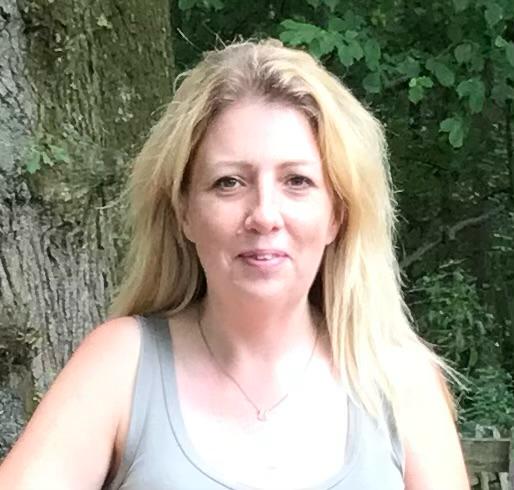 Julie is a storyteller, fundraiser and lifelong wildlife enthusiast who’s turned passion into purpose. With a Masters in Creative Writing (Distinction) and current studies in Conservation Management, she blends communication with conservation – bringing nature’s narrative to life for diverse audiences.
Whether surveying raptors with the Hawk Conservancy, guiding visitors at the Chichester Peregrine Project or championing swifts as part of her local group, Julie thrives where communication meets ecology. A keen birder and devoted wildlife gardener, she finds magic in feathers, foliage and the power of community-driven change. Connect with Julie on LinkedIn.