Finding field jobs as a bird biologist

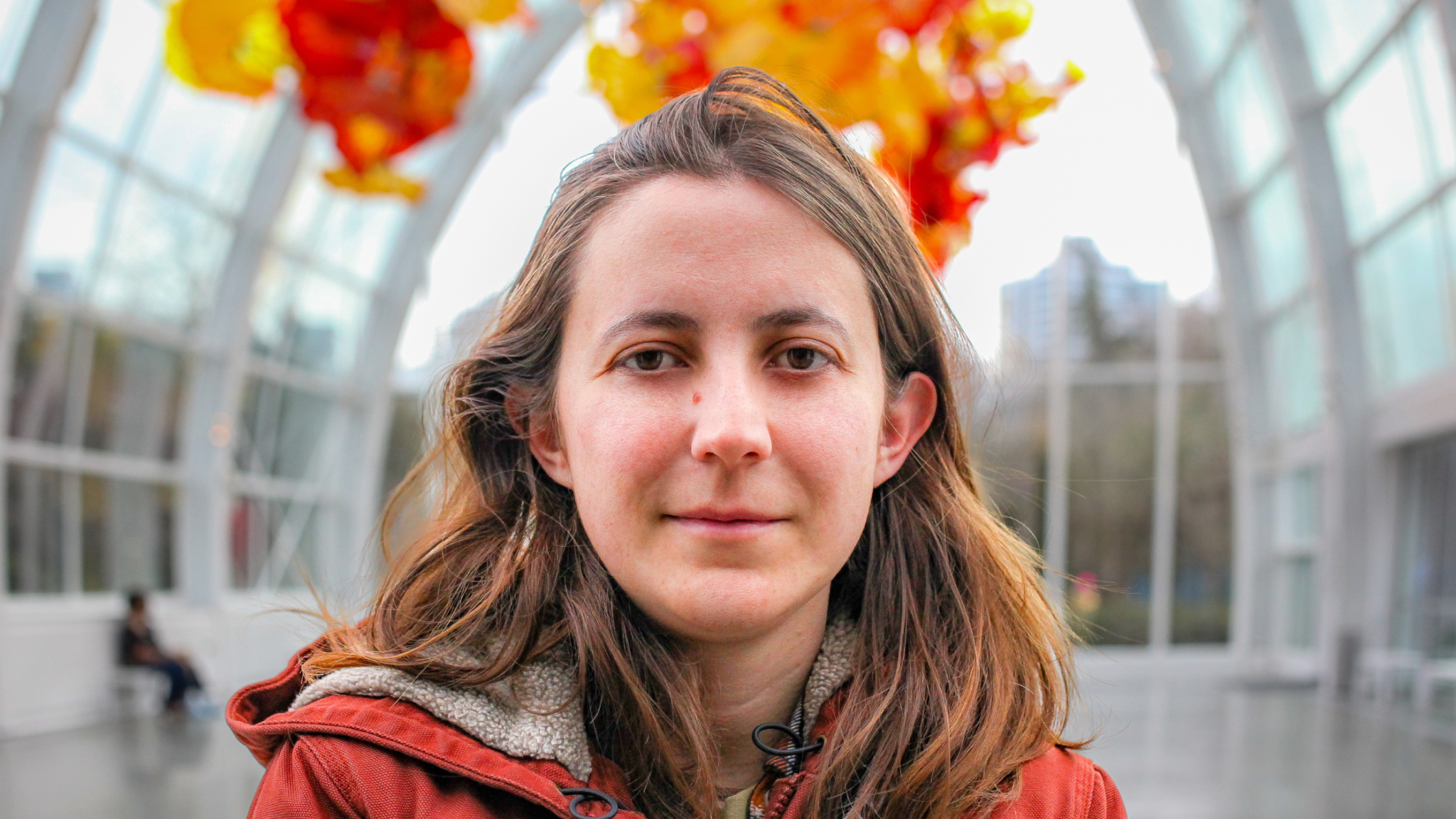
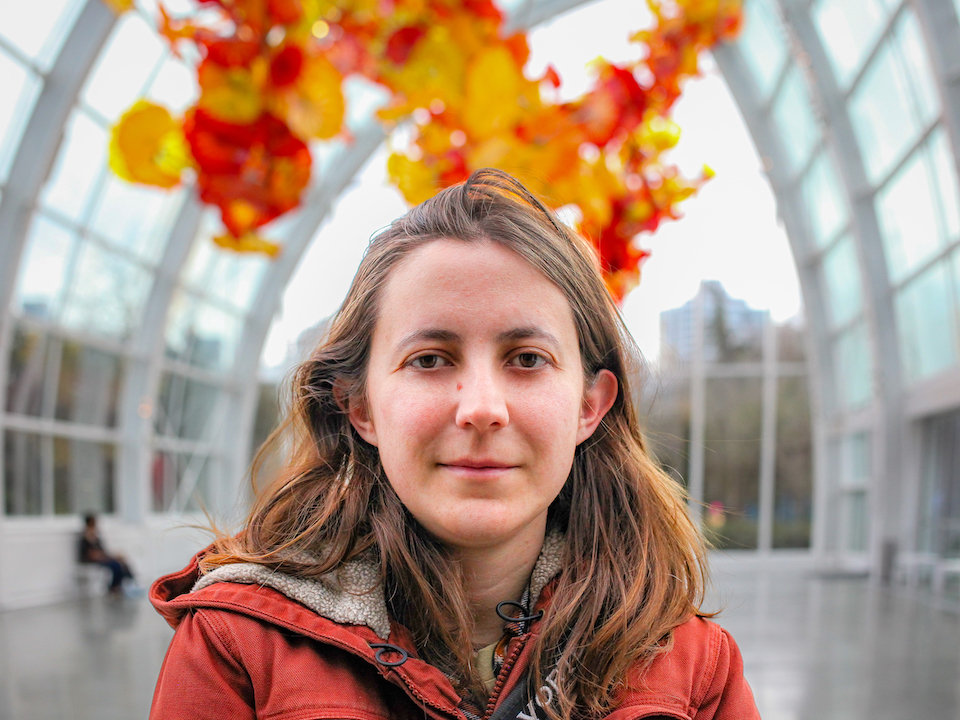
Megan Miller is a graduate student at Colorado State University Pueblo, in the United States and has been on the seasonal fieldwork circuit (jumping from short-term contract to seasonal role to volunteer experience and back again) for many years.
As a passionate bird lover from a young age, Megan has pursued bird-related experiences. She has used her university degree to land field job after field job working with various bird projects across the USA.
Megan shares her insights into finding field jobs as an entry-level biologist, where to find ornithological field work and what to look for in a role. We talk about ways to sustain yourself in the field – especially when jumping between short-term contracts – and how to navigate those periods of unemployment.
Megan’s journey
“Like most people in my position, I sort of got here via this wild, meandering path!”
From a young age, Megan had always been obsessed with birds and started volunteering at her local Audubon Centre (a national organisation for conservation of birds and their habitats across the USA) as soon as she was old enough. She furthered her passion via volunteering and participating in bird hikes, bird banding and public outreach.
After school, Megan took a year off before enrolling in community college – a slightly less conventional route for aspiring ecologists. By the time she’d completed her undergraduate degree, she had built a wide range of skills and experiences. She says:
“By the time I graduated I already had some pretty good skills that I could use to apply to jobs which is good because I struggled in my undergrad and my GPA was pretty low. So, I got to sort of bolster that with some new skills and field experience.”
Since she finished studying, Megan has been working field jobs since 2017 and is “casually looking for graduate programs to go into.”
Finding field jobs as a biologist
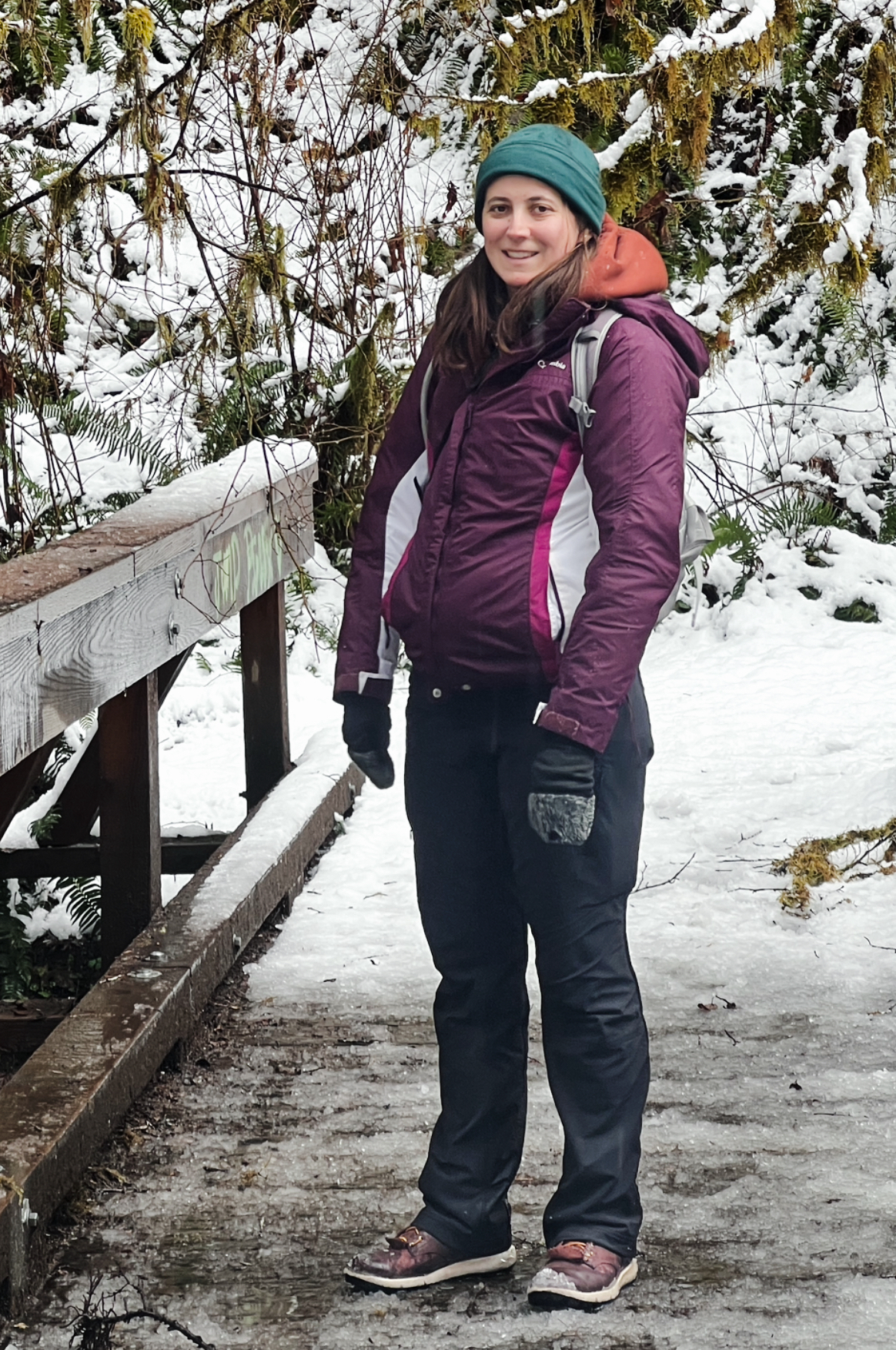
“At first, it was immensely difficult.”
For Megan, having contacts and people who could vouch for her skills was extremely useful. She feels forever grateful for the people who offered to be her referees in those early days.
“It was really nice having all these birders who watched me grow up and were excited to see where I went and were willing to say, Oh, she’s great, even though her grades are pretty bad!”
Building experience with field jobs is also very important – moving between different field roles and locations takes resilience and practice. Learning how to cook and take care of yourself is also incredibly valuable as it will help you sustain yourself in this style of work. Megan also says that, while initially you may not have the best field gear or know what you need to take care of yourself:
“My first field job was probably the hardest of my entire life – because I was a kid! I didn’t know how to take care of myself. I was eating quesadillas for every meal, I had the cheapest hiking boots I could buy, and it was immensely uncomfortable.”
Seasonal fieldwork
Megan spends a lot of time sitting on job boards, especially between November and January – lining up her roles for the following season. Megan shares her process:
“I collect all the jobs I’m interested in, then I write all the cover letters for each, then customise the resume and send them off. And that’s sort of what I’ve been doing year-in, year-out.”
While this can be extremely time consuming and stressful at times, it is an important part of seasonal field work. During this off season, Megan goes home to her family and works casually in hospitality. She also dedicates her time and energy to fulfilling her other passions including artwork.
But with time, Megan says, it does get easier! Each role you take will build your connections and expand your network to line up future work opportunities for subsequent seasons. However, moving between the seasons of field work, and time back home, is still a challenging transition to navigate! Megan explains:
“It’s a big culture shock, I think, going between the two. But it’s also nice to have a gentle winter to recover from some of those more intense conditions in the field.”
Sustaining yourself to work with wildlife
It’s the little things in life right!?
That sentiment certainly resonates with Megan as she explains some of the key ways she has found to sustain herself throughout her seasonal field work.
Gear
Having appropriate field gear is such a game changer for wildlife work – and it certainly takes a while to build your knowledge of what you really need. Megan shares:
“I think it took probably two or three seasons for me to really feel comfortable in the field. And I think a lot of that was keeping track of the things that I was struggling with and coming up with some creative solutions.”
Megan recommends using thrift shops and university-organised gear swaps to kit yourself up on a budget.
Taking care of your mind and body
Megan reminds us to take down time to rest and take care of your mind and body. Anxiety is natural – especially when you’re navigating new field contracts often with challenging conditions, low pay, long hours or remote components. Megan explains:
“I think very early on, I had a lot of anxiety just in general that contributed to insomnia and lots of other issues in the field. But after a while, as I got better at doing field work, the anxiety decreased.”
Megan suggests sitting with the discomfort and embracing the way you feel, whether you’re in a good space or otherwise – and taking those low times as opportunities to take care of yourself. She says:
“I’m out here doing something that I love, and it doesn’t always feel good, but there are ways that I can still take care of myself – eat something and get some sleep – and things will feel better in the morning. Obviously, this doesn’t solve all of our problems, but sitting with the discomfort and knowing there are better days ahead is a powerful action.”
Bringing creature comforts
Sustainability is all about making things feel possible and doable in the long-term. Megan shares:
“I feel like at one point in my career, I decided I’d let myself have it, even if it felt silly… so I’d bring two pairs of boots, yummy snacks and video game consoles for Mario parties.”
“I think there are lots of little ways to improve the quality of your life, especially on those really tough days, it always makes a difference.”
Nurturing support networks
The value of having a support network – your friends, family and partner – who understand what you’re doing and why, cannot be understated. Also having flexibility around rent (short-term agreements) and other financial obligations at home can be incredibly helpful. Megan shares:
“It’s so hard to leave your family and your support group to live with a bunch of strangers for six months, but then coming home can be even harder because we really love what we do so returning home can feel like coming down from this intense high.”
Thinking ahead of time about coping strategies around losing the structure of your field season and maintaining relationships with your support networks can be really helpful.
Finding seasonal field jobs
For Megan, finding seasonal field jobs as a bird biologist is usually on Texas A&M and Ornithology Exchange job boards. As for red flags – Megan says that while these can be difficult to determine from a job listing, she looks for an hourly wage that will support her field expenses (mostly food) and any expenses she has back home (rent or mortgage), as well as whether or not overtime is paid.
And regarding work health and safety, Megan says a good question to ask in the interview is: What is the greatest risk to my personal safety? “I’ve discovered some really interesting things about the position by asking that question. It’s a great way to get information without putting them on the spot – and people will tell these wild stories!”
“So you can tell if the person who’s interviewing you is passionate about their field site as they’ll have some weird stories. And if the story is, for example, somebody slipped on a rock, that’s usually a pretty green flag, but if it’s we’ve had three technicians flip ATVs, maybe it’s not a supportive role.”
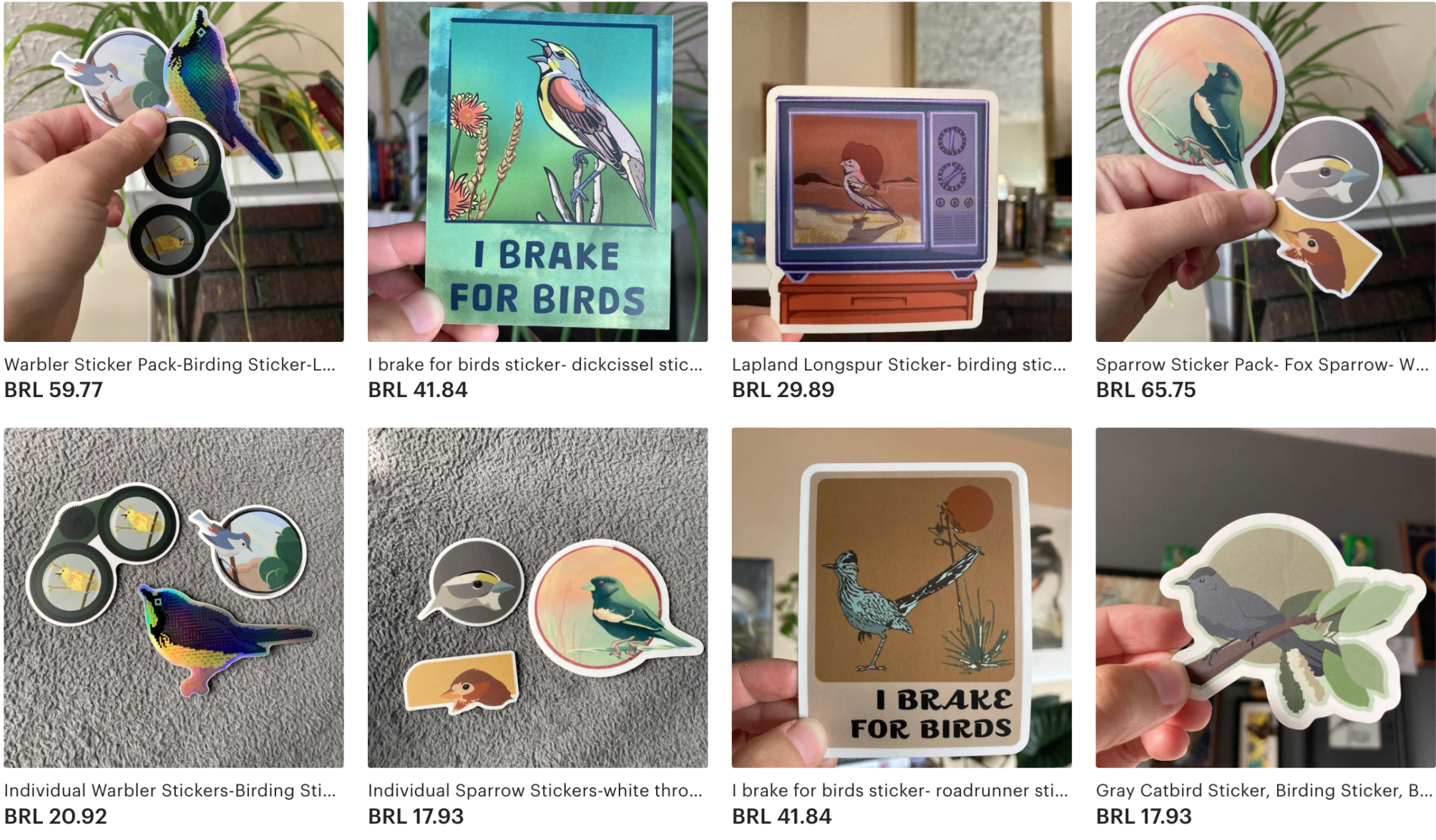
A screenshot of Megan’s artwork on Etsy: www.etsy.com/shop/wasthatanaardvark.
Resources for aspiring ecologists
Megan shares a comprehensive list of resources that are extremely valuable, especially for early-career bird biologists and students looking to find meaningful work with wildlife.
- The Wildlife Society – A great organisation to get involved with at the campus, state, and national level. Campus chapters often have some funding to send folks to conferences. These conferences have actual agency folks giving lectures and workshops. Go prepared to ask lots of questions. If you are a graduate student, do a poster or give a presentation. Going to these events can really help build your network up.
- Field Inclusive – Great work connecting people of colour and folks with disabilities to wildlife positions. They also do gear swaps and free gear donations.
- National Audubon – Positions open across the United States. Most locations pay at least an hourly wage, but always double check as it varies a lot by location. Housing is usually provided.
- Smithsonian Migratory Bird Center – Megan’s had good experiences with them. Pays a stipend but usually comes out to USD $2,500-3,200 / month. They also sponsor visas which is really nice for international applicants, and also students who are having a hard time finding work experience because so many places require citizenship. They often provide housing as well. Bird jobs for Smithsonian are posted on Ornithology Exchange.
- Conservation Job Board – This site is usually pretty good, says Megan, but always double check the wage and work week requirements because weird positions do get posted every once in a while.
- Cactus Quoll – Lots of resources for seasonal wildlife folks.
- USAJobs Resume Builder – This is how Megan built her resume in USAJobs and has had success getting interviews and job offers.
- Pirange/ Nature Instruct – A great tool for novice and experienced bird banders learning to age passerines. Specific to the USA, Canada, and Mexico.
- Western Banding Association – Great webinars from graduate students and other scientists. A great way to get connected with bird researchers and ask them questions. They also have an active Instagram account.
- IMBCR/ Bird Conservancy of the Rockies – They hire ~90 point-count positions every summer, many of them entry-level. The pay ranges from USD $17-21 / hour and you often get a rental car or mileage reimbursement. They recommend going in with some bird ID knowledge but doesn’t need to be perfect or exceptional. Hiring usually starts in December so look early! These jobs are also posted on Ornithology Exchange
Keep in touch
Want to hear more from Megan? You can see her wildlife art, follow her adventures or get in touch using Instagram @was_that_anaardvark.
Are you interested in becoming a biologist or ornithologist (scientist who specialises in the study of birds)? Check out our Conservation Scientist role profile and How to become an ornithologist guide.
Author Profile | Susie Stockwell

Susie with a Purple-crowned Lorikeet, during work as a bird bander.
Susie Stockwell (she/her) is a field ecologist, science communicator and creator of the blog and podcast, #itsawildlife, a platform to support people on their journey to work their dream job in wildlife science or conservation. Based on beautiful Menang country on the south coast of Western Australia, Susie is passionate about finding novel solutions for wildlife conservation and opening up the space to promote engagement and involvement for everyone interested in pursuing this career.