They don’t want to let me in: How one conservationist got their foot in the door

Yongki Lee is an environmental activist working for the Korea Federation for Environmental Movements (KFEM). His career spans environmental policy, advocacy and activism, ensuring that citizens’ voices are amplified.
His experiences working with different social justice NGO’s led him to the KFEM, where he was inspired to be involved in environmental activism. Since 2018, he has been at the forefront of pursuing change in Korea for the betterment of the environment.
He has learned that sometimes the hardest part of making an environmental change is getting a seat at the table.
Getting his foot in the door
During his time at the KFEM, Yongki has participated in various committee roles, all he has secured through perseverance and determination. He has served on the Convention for the Conservation of Antarctic Marine Living Resources (CCAMLR) and between 2020 to 2022, administered the Government-NGO Ocean Environmental Policy. His member role on the international cooperation committee on the Management of Marine Waste came with similar challenges.
“They don’t want to let me in…Nobody wants me to join the committees because I’m always the watchdog. There are a lot of business members, commercials industries and fishers talking without me. I always follow them to see what they are saying, – if they are doing anything they shouldn’t be, I report it to the authorities”.
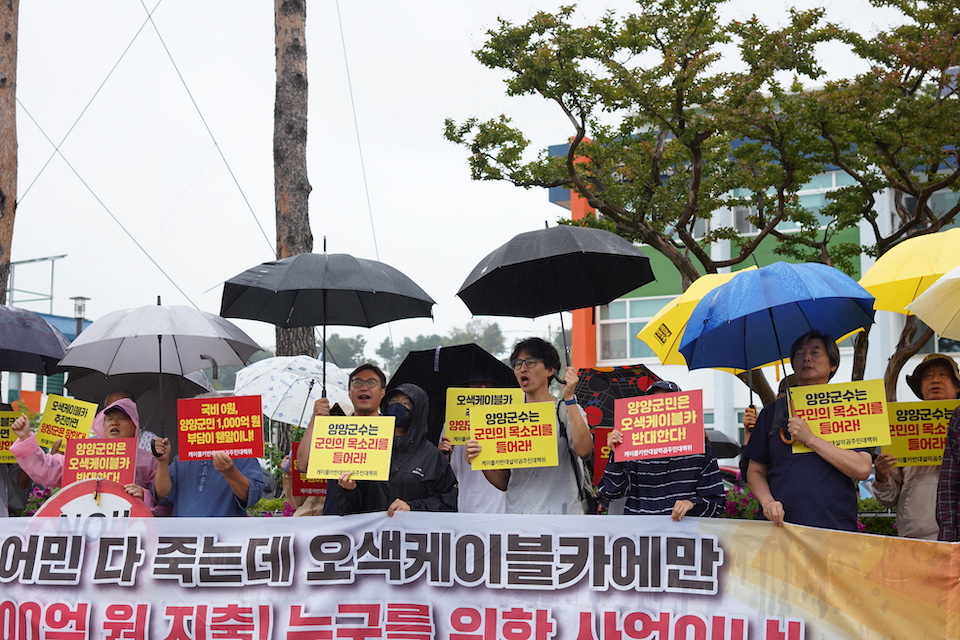
Yongki campaigning.
Yongki’s attendance on certain committee delegations was made possible by the government in power at the time. When he joined the CCAMLR delegation in 2020, the elected president was President Moon, a former NGO and human rights lawyer.
This alignment provided Yongki with an opportunity to build relationships with key parliament ministers and, crucially, allowed him to request a seat as a South Korean delegate at the CCAMLR meetings.
When securing a place at the table, it is crucial to know firstly who to ask and secondly when. Forming relationships with the right people can get you into rooms with closed doors.
Navigating tensions
When Yongki finds himself in difficult situations, he remains focused on the task at hand. His role as a watchdog often puts him at odds with commercial interests, when South Korea was designated as an Illegal, Unreported, and Unregulated fishing nation in 2019, this was magnified. His presence in committees has created tension, as he frequently challenges commercial sectors on their practices.
Despite the friction, Yongki strives for common ground and shared goals. In 2023, Yongki was invited to join the Committee for National Biodiversity Strategy & Action Plan, which includes high-ranking officials such as the Minister of the Environment. He has observed that in South Korea, final decisions are up to the government, forming relationships with those with similar interests is key to being invited to the table.
“We need to co-operate with other environmental NGOs, because in ocean conservation, there is around 10 campaigners, 10 activists working on one issue, ocean conservation even within conservation it is still a very small area. There is not many of us, our voices need to work together to be heard”.
Internally at the KFEM, there are 53 federations which cover a variety of regions and social and environmental issues across South Korea. When developing strategies to influence policy, these federations collaborate closely, pooling resources and expertise to create a unified approach.
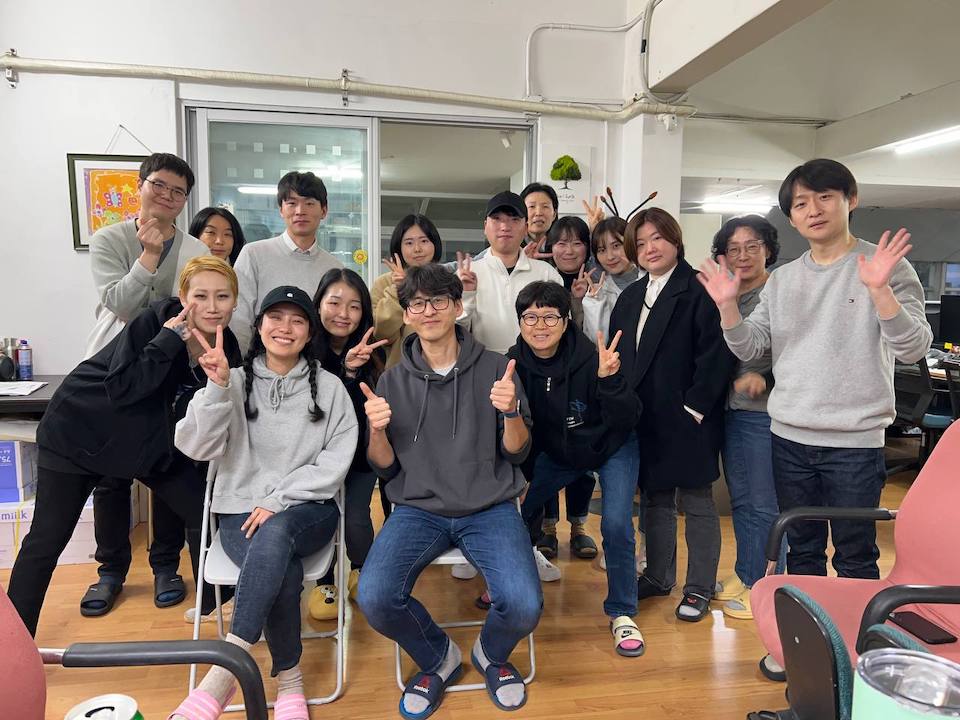
Yongki with colleagues at the KFEM.
Drawing from his experience, Yongki offers advice for the next generation of conservationists:
- Values first: Take the time to discover your own values and philosophy. This self-awareness is essential to understanding your unique role in bringing about positive societal change.
“I think they need to find their life value and philosophy; I spent a lot of time finding my value and my philosophy. I tried lots of different things; I went to a commercial company and several NGOS it takes a long time to find your value”.
- Remaining optimistic: Keep going, even when progress seems slow or when others don’t immediately adopt the changes you advocate for.
“Do not be frustrated by people who are not changing, even if they listen to our voices and ignore our voices. Don’t worry about; go on your own way”.
- Acknowledge slow progress: Don’t be put off by lack of action. Yongki pointed out that in South Korea there is always a lack of people in conservation. As there are few paid positions, people need to volunteer first. Once you have established yourself as a volunteer, they will then bring you into their organisation.
- Volunteer in the Charity Sector: Yongki suggested getting volunteer experience in non-related fields as they can teach you a lot about how NGOs work. As there are lots of NGOS in South Korea, find an organisation with your life value.
Vision for the future
Looking ahead, Yongki advocates for protecting 30% of marine areas by 2030 and implementing a comprehensive national biodiversity plan. While changing species protection laws might be as simple as amending a letter, Yongki understands that the real challenge lies in effective implementation.
“If the Korean government follows through with this national strategy it would transform conservation in Korea”. For Yongki, getting his foot in the door is just the beginning – the real challenge lies in asserting meaningful environmental change.
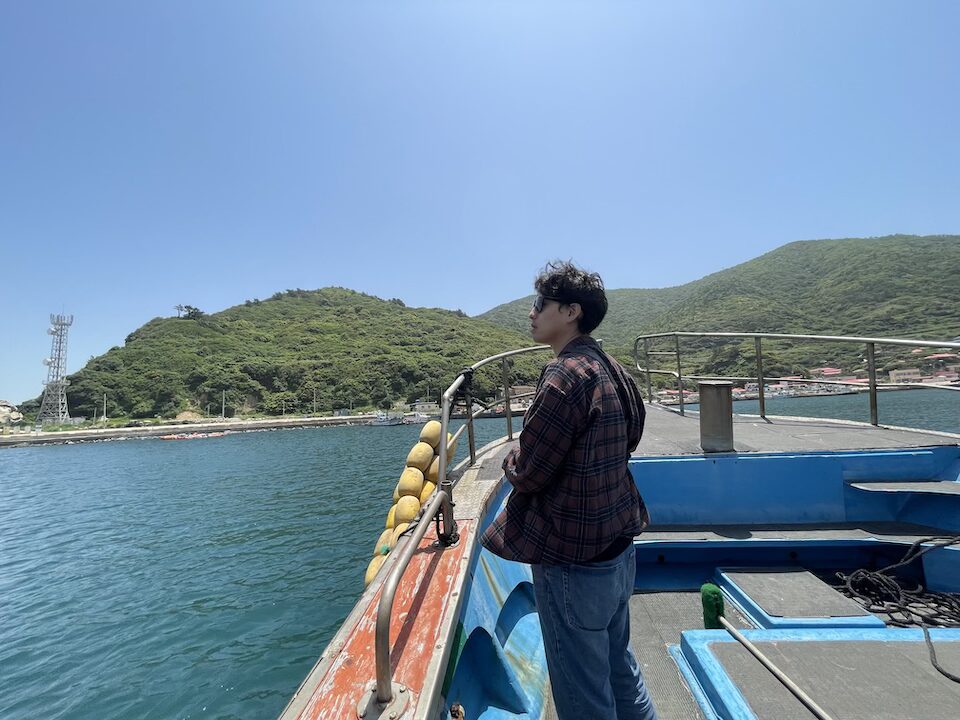
Yongki out in the field conducting fieldwork.
Stay in touch!
If you’d like to know more about Yongki’s work at the KFEM, why not read the article Loneliness of the Sea: An interview with Korean conservationist, Yongki Lee.
Find your conservation career path
Unsure which conservation career is the right one for you?
- Discover your pathway through our short survey, giving you ideas about which roles might be a good fit for you, as well as next steps to get you to where you want to be.
- Have questions about working in conservation? Our Ultimate Guides give in-depth answers – from the key conservation job types, to the top paid and free internships, to how to apply for jobs and much more.
- Want to be confident in securing the best volunteering and internship role, one that will guide and aid your budding conservation skills? Check out our guide How to Find the Best Conservation Internships & Volunteering.
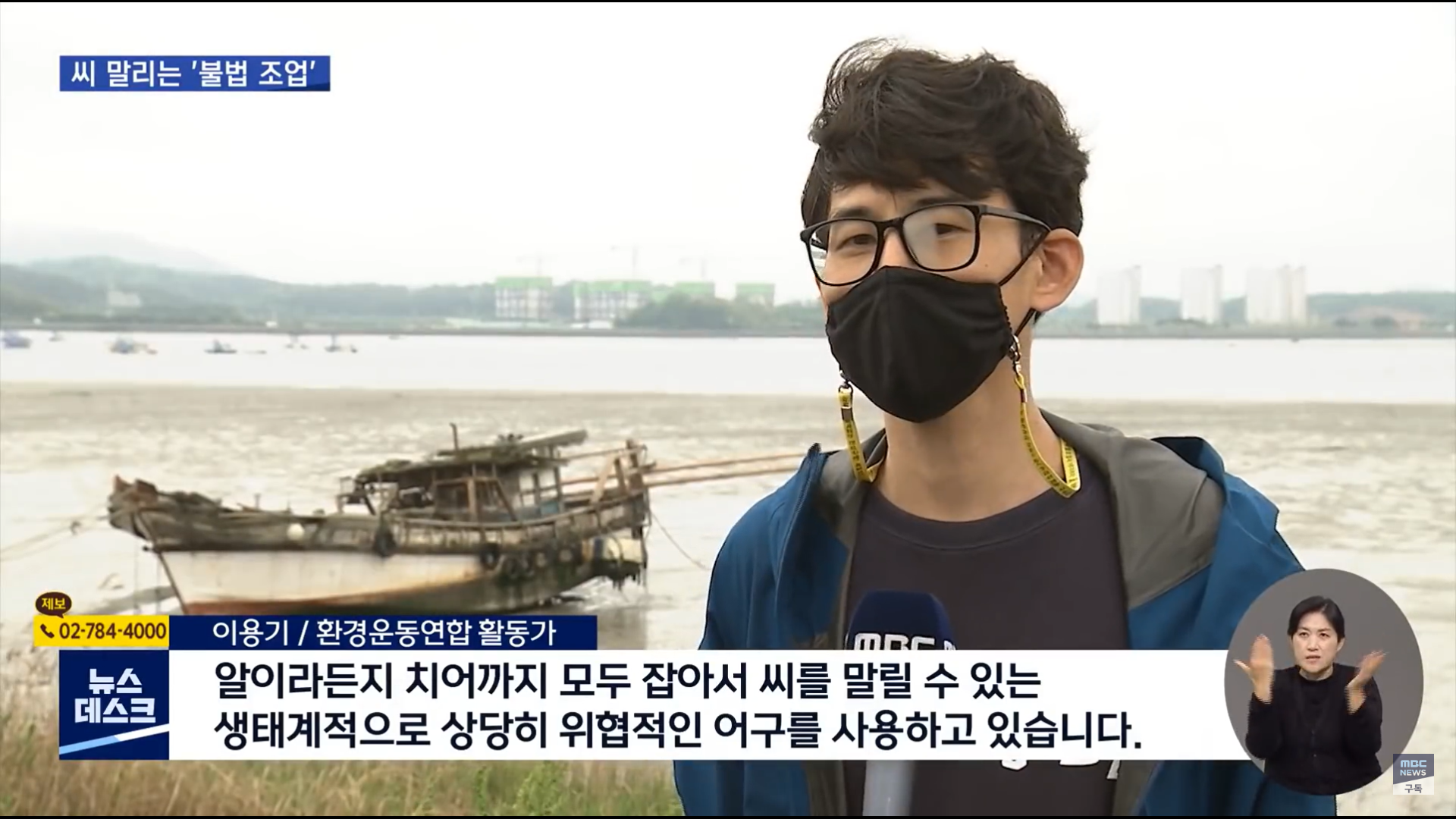
Featured image: Yongki talking about Illegal, Unregulated and Unreported fishing during an interview.
Author Profile | Laura Hayter
 Laura is a creative professional with a Master’s in Marine Systems and Policies, she is driven to combine her passion for writing with ocean conservation. Her focus lies in understanding human relationships with natural environments. As a Sustainability Officer for her local council, Laura applies her expertise daily while pursuing creative writing in her free time. Explore Laura’s portfolio or connect with her on LinkedIn to learn more about her work in marine science and sustainability.