How to become a big-5 African safari guide

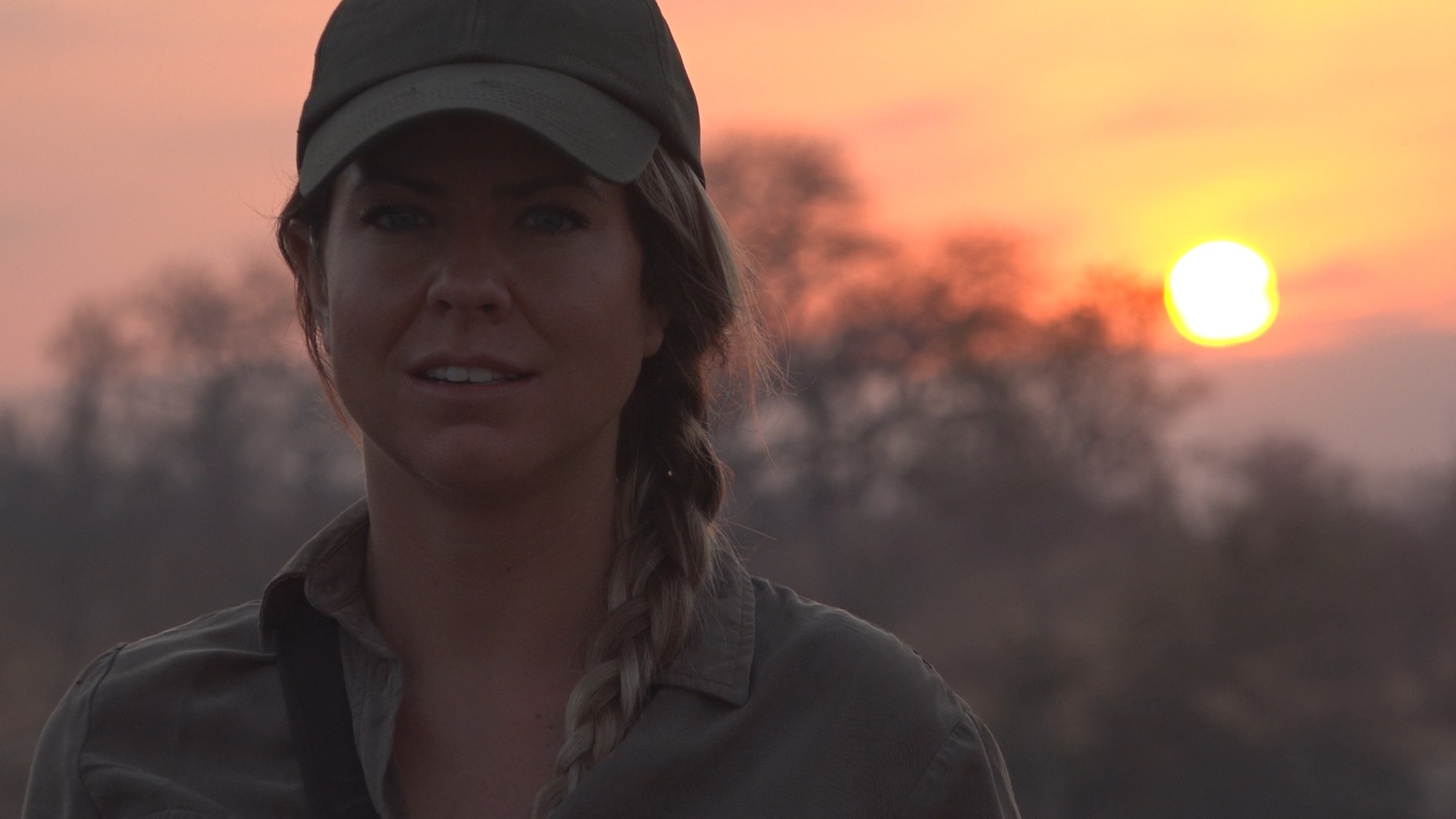
Lauren Arthur is a biologist, content creator, wildlife educator and TV presenter as a live safari guide with Wild Earth, a daily wildlife show that is broadcast across the world.
She shares the journey she took to work with wildlife as well as insight into her life as a safari guide on live broadcast. We also discuss the over-glamourisation of the conservation industry as well as Lauren’s advice for starting and sustaining a career with wildlife.
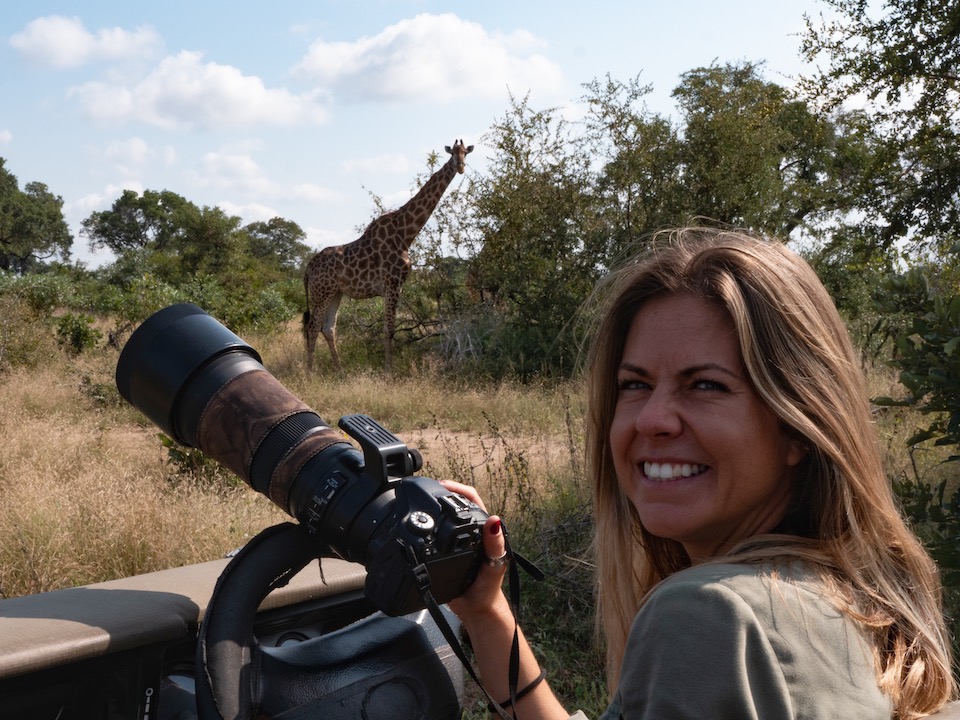
Lauren’s journey
Lauren started out in the wildlife space at 17 years old studying zoology but discovered midway through that she was more drawn to the ocean. She shares:
“I completed my undergrad and I decided to go on an expedition into the marine conservation world in Fiji, and naturally, I loved it!”
Lauren completed several PADI (the Professional Association of Diving Instructors) scuba diving courses and decided to return to university and do her master’s in marine biology, tropical coastal management. This provided Lauren with the opportunity to complete her thesis on whale sharks in the Maldives.
“I had been passionate about sharks all my life growing up on the east coast of Scotland. Sharks were just fascinating to me – other girls loved barbies. I just loved sharks.”
At this time, it was 2011 and marine biology was in its infancy – whereas today marine biology is prevalent and every resort has a resident marine biologist. Lauren shares:
“I just landed lucky, I met the right people, I networked, I connected, and it all just fell into place. So as soon as I left the Maldives, I actually received a job offer as a marine biologist. So, of course, I jumped at that and ended up staying for eight years.”
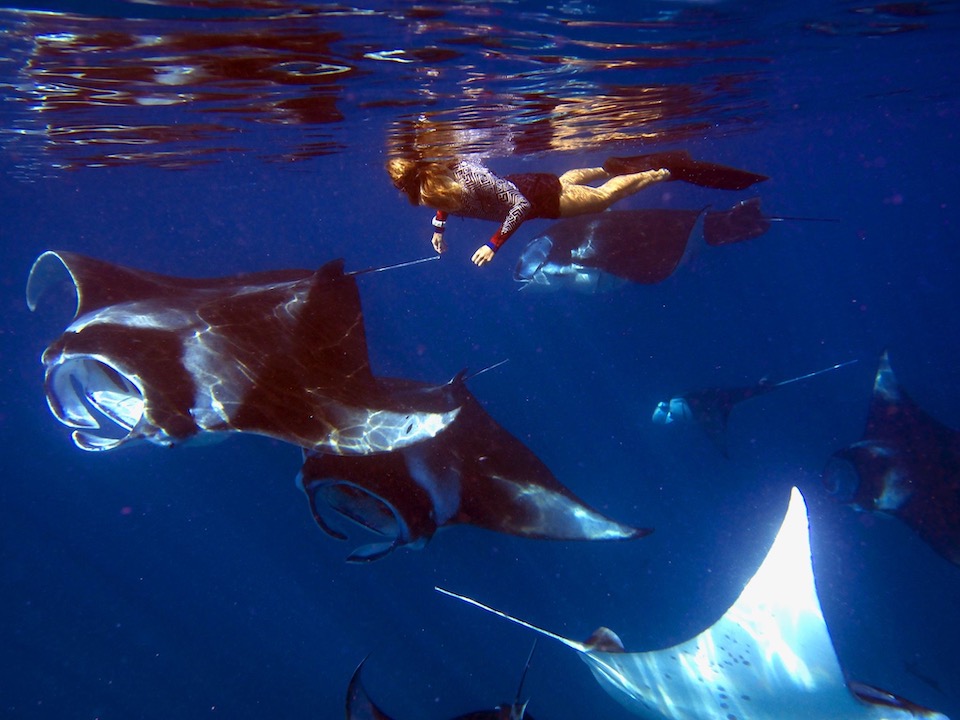
Lauren’s work as a marine biologist in Maldives involved getting underneath manta rays to take ID photos of their belly for Manta Matcher and Manta Trust (their ID spots are underneath so you have to be a professional freediver).
“I just loved the Maldives so much, and I still do. But after eight years, the Maldives felt like a small place, and I was at the top of my career ladder, so I decided it’s time to go.”
Although Lauren left the Maldives not knowing what she was going to do, she trusted the universe and knew that everything would fall into place. And it did, as Lauren explains:
“There was actually a job offer for a marine expert on a brand-new pilot show with a company called Wild Air, and they were piloting a new series underwater at the Cayman Islands, where you go live with a marine biologist underwater, answering questions from the audience.”
“I did not expect to get it, but off I went to the Caribbean and I did this pilot show for three months and it was both fun and hard – and when I finished that, the company called me and said, Hey, we really like you. Do you want to come over to South Africa and be a safari guide?”
“Immediately I said, no. No, thank you, I’m a water baby. The company said, Please just try it. Give us one month. Just come over, see how you feel.”
Lauren had always wanted to go to Africa and decided she’d try it out and see how she felt – and from the moment she arrived, she loved it! The team was incredible, she learned a completely different set of knowledge and she loved the experience. She shares:
“And fast forward five years later, I became a safari guide and one of the top-level presenters for Wild Air Safari Live. And that is where I am today.”
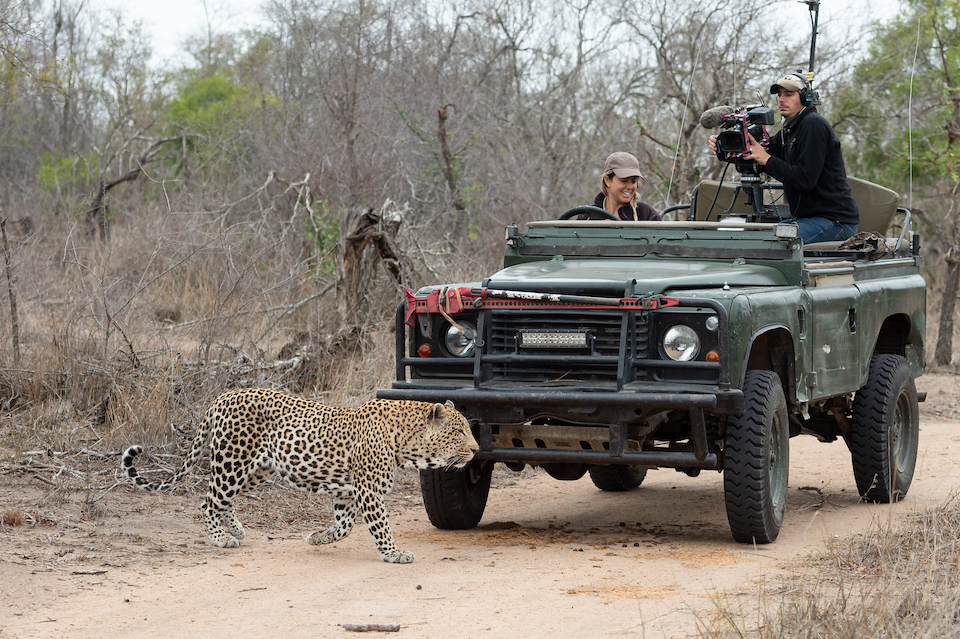
Lauren live with a leopard. Credit: Jors Dannhauser.
A day in the life of a live safari guide
From her unique perspective as a biologist, safari guide and live TV presenter, Lauren sees the stark contrast between the realities of working in the wildlife conservation world – and how it is perceived from the outside, especially on social media. Lauren explains:
“I think a lot of people out there have glamorised and romanticised working in the wild. I think social media plays a big part in that and, although I would encourage absolutely everybody to follow their dream, I also think it’s really important for people out there to fully understand what they’re applying for and what it is they want to do.”
“Working with wildlife or in any wild environment, no matter which avenue you go down, is really tough. It’s exhausting, but it’s also incredibly rewarding and amazing.”
In her role as a presenter and guide with Wild Earth, a typical day was focused on education, Lauren’s favourite part of wildlife conservation.
“Conservation is a huge topic and you can do it through field work, education, analysing data, fundraising – there’s so many different avenues of conservation. The one that resonates with me is definitely educating people.”
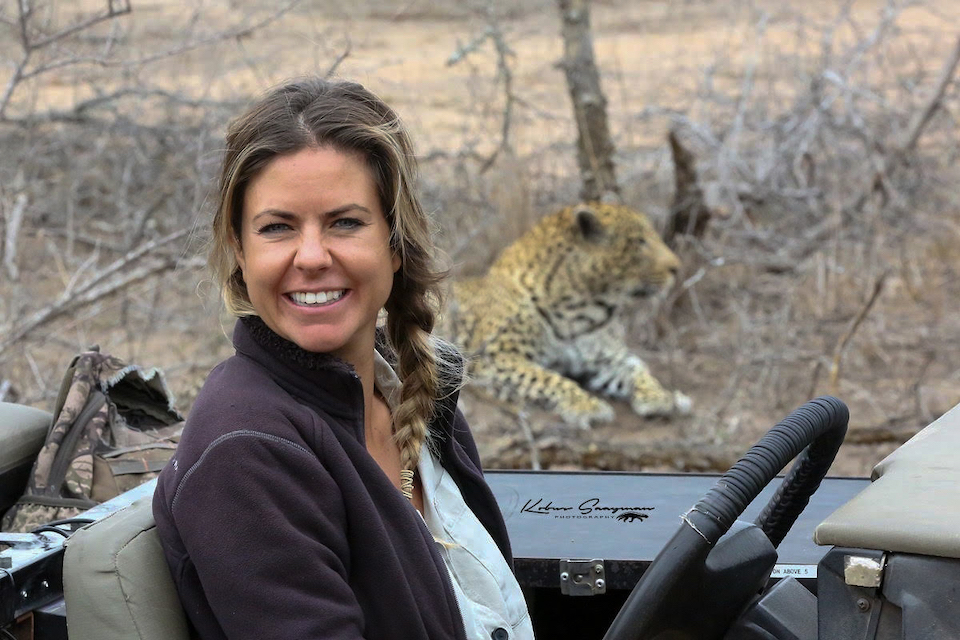
As part of her role, Lauren would wake up at 3.30 AM to get ready for morning game drive. She explains:
“Straight to the kitchen for coffee (coffee is my sacred routine!) before getting ready in the dark, doing all the vehicle checks with your cameraman and then doing checks with the final control in Johannesburg to make sure your audio and pictures are okay, you’re in sync and the signal’s okay.”
After all these checks are complete, eventually it’s time to get in the field and you go live on TV. As Wild Earth is a daily wildlife show broadcast across the world, Lauren and her team would head out with literally no idea what will unfold!
“You may drive out and there’s a pride of lions just sitting on your doorstep. You may drive out. And follow tracks for three hours and never get lucky – one of those quiet, painful days.”
After the safari broadcast, Lauren and her team would return for brunch together. The middle of the day is filled with other duties – meetings, cleaning cars, swapping out tyres, refuelling and studying for the next tour.
“Lots of camp duties and then you’re ready to go out for the afternoon drive. Same story. So, it’s quite repetitive, and a large proportion of the day will involve studying – a big part for me.”
“I find that guides or people in this field can sometimes think that they know everything, and I think it’s really important when it comes to the natural world to understand that we will never know everything, not one single human. There’s still so much to learn – so, it’s still really important to keep on top of new science, new topics, read, be aware of what’s trending, what people talk about. That was a large part of my job as well with Wild Earth.”
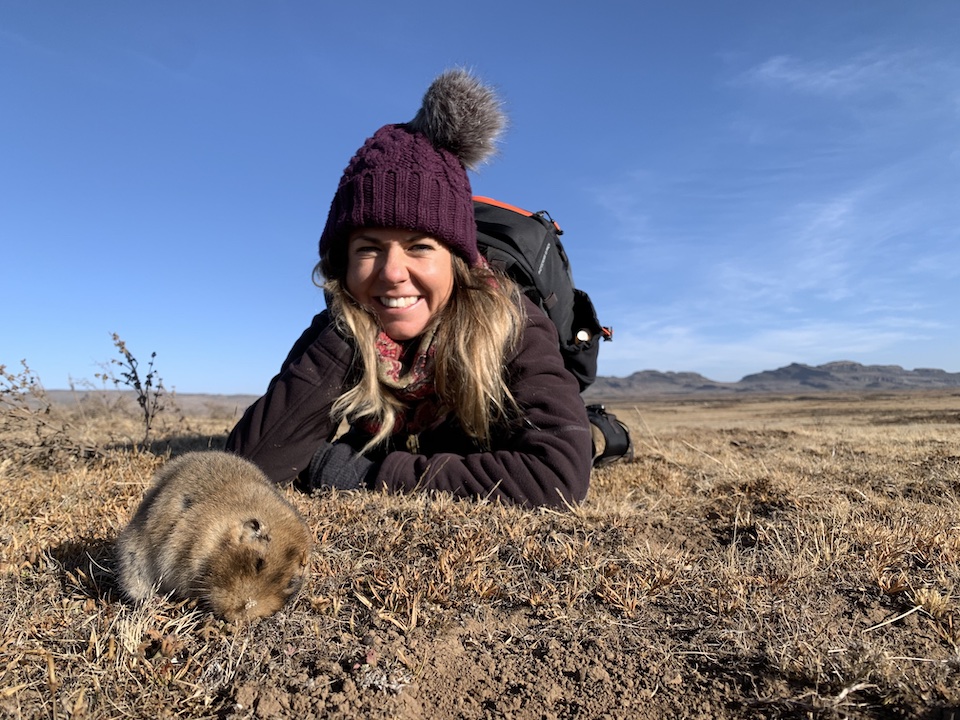
Lauren filming giant mole rat in Ethiopia.
Sustainability in your career
When working in passion-fuelled industries like this one that require huge amounts of energy each day, we asked Lauren, how do you take care of yourself and maintain a routine to keep this style of career sustainable?
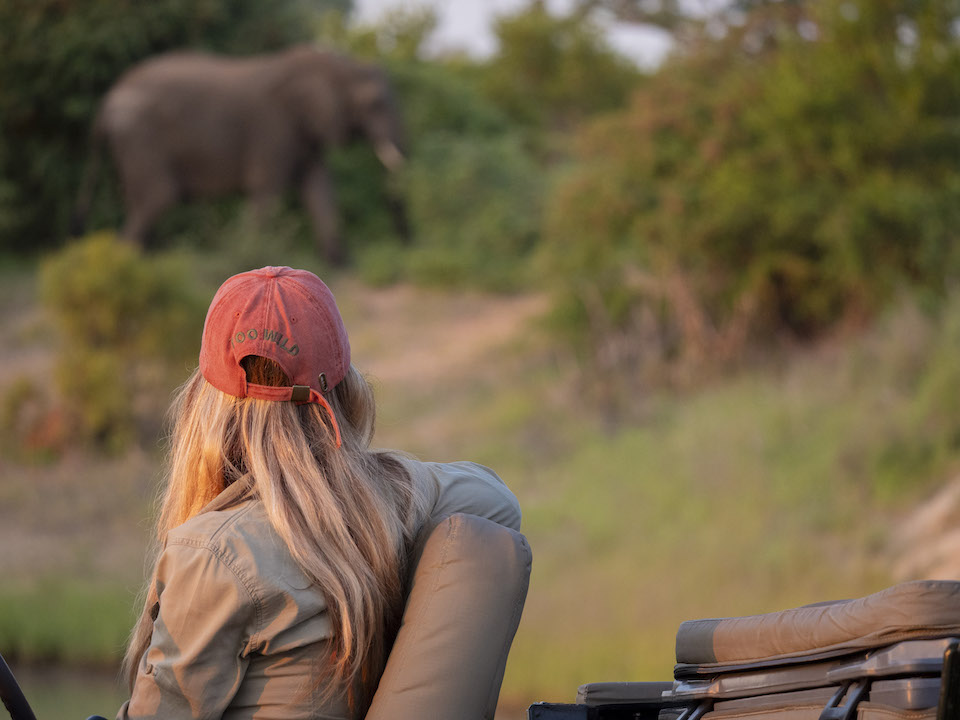
“I think that’s the toughest part! Here at Wild Earth, we do six-week cycles. And I have to say by the end of the six weeks you are just tired! It’s every single day – good days, bad days you’re out there.”
“And for me, as I’ve gotten older, I mean, I’m 36 now. I have realised I need to prioritise self-care. Realise that you will go through the rollercoaster of emotions in six weeks and just really take time to just chill, calm down, go for a run and maybe put on a face mask or take an hour to do your hair. Otherwise, you will burn out.”
“And I think as a youngster, in my twenties, burnout was cool. But as you get older you realise that’s really not sustainable, it’s not cool, and it’s really not good for you. So, now in my career, I definitely understand the importance of looking after yourself.”
Addressing the glamourisation of the conservation industry
And, in terms of the industry being glamorised, what does Lauren wish more people knew?
Although it depends on which job you’re pursuing within this space, on the whole, Lauren sees that social media just has this way of glamorising everything. She explains:
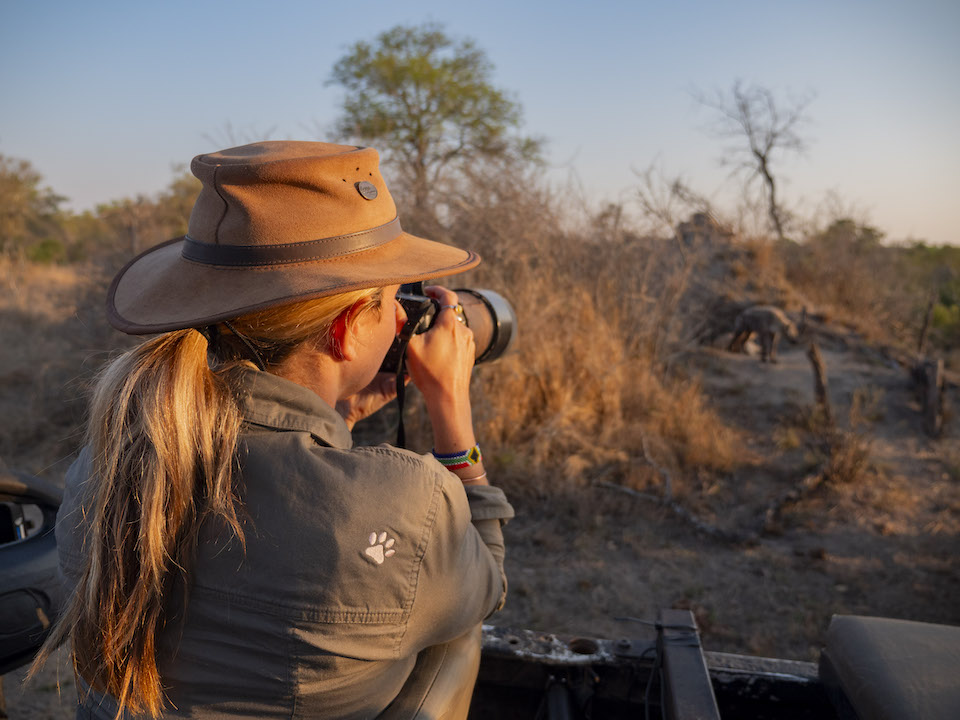
“I see the younger generation thinking, I want to take cool photos of lions and selfies with me and these animals. And I just think not enough emphasis is put into understanding the nature of the job – the tough parts in uncomfortable conditions and emotional challenges.
“You have to deal with boiling hot and freezing cold. Changing a tire in the gathering dark when you’re racing home for dinner after a long day.”
Another thing Lauren thinks most people don’t realise when pursuing a career with wildlife – is how important it is to build people skills and to become extremely self-aware and forgiving.
“It’s quite an intimate job – working in the field normally involves working with really small teams – often for long hours, in uncomfortable conditions or when you’re over-tired. You need to learn how to dance around each other and understand that everyone has bad days.”
“I just don’t think a lot of people realise that working with wildlife comes with its challenges – you have to be fully dedicated and you’re going to see some difficult things.”
Career advice for aspiring wildlife enthusiasts
For Lauren, her biggest advice for wildlife enthusiasts pursuing a career with wildlife, is to take the pressure off immediacy and take the time to explore your options and try out different roles before jumping in blindly. As a starting point, Lauren suggests:
“Get the foundations. Once you’ve grown and evolved and you know yourself a little better, make your decisions as to what part you want to go further with.”
And like everyone pursuing a career in this industry, regardless of what stage they’re at, Lauren says we all know what it’s like to feel lost:
“I know what it feels like when you just finished uni, you’ve had those great four years, probably partying and studying and then you’re just expected to know where to go next. It’s really tough – but everyone goes through that.”
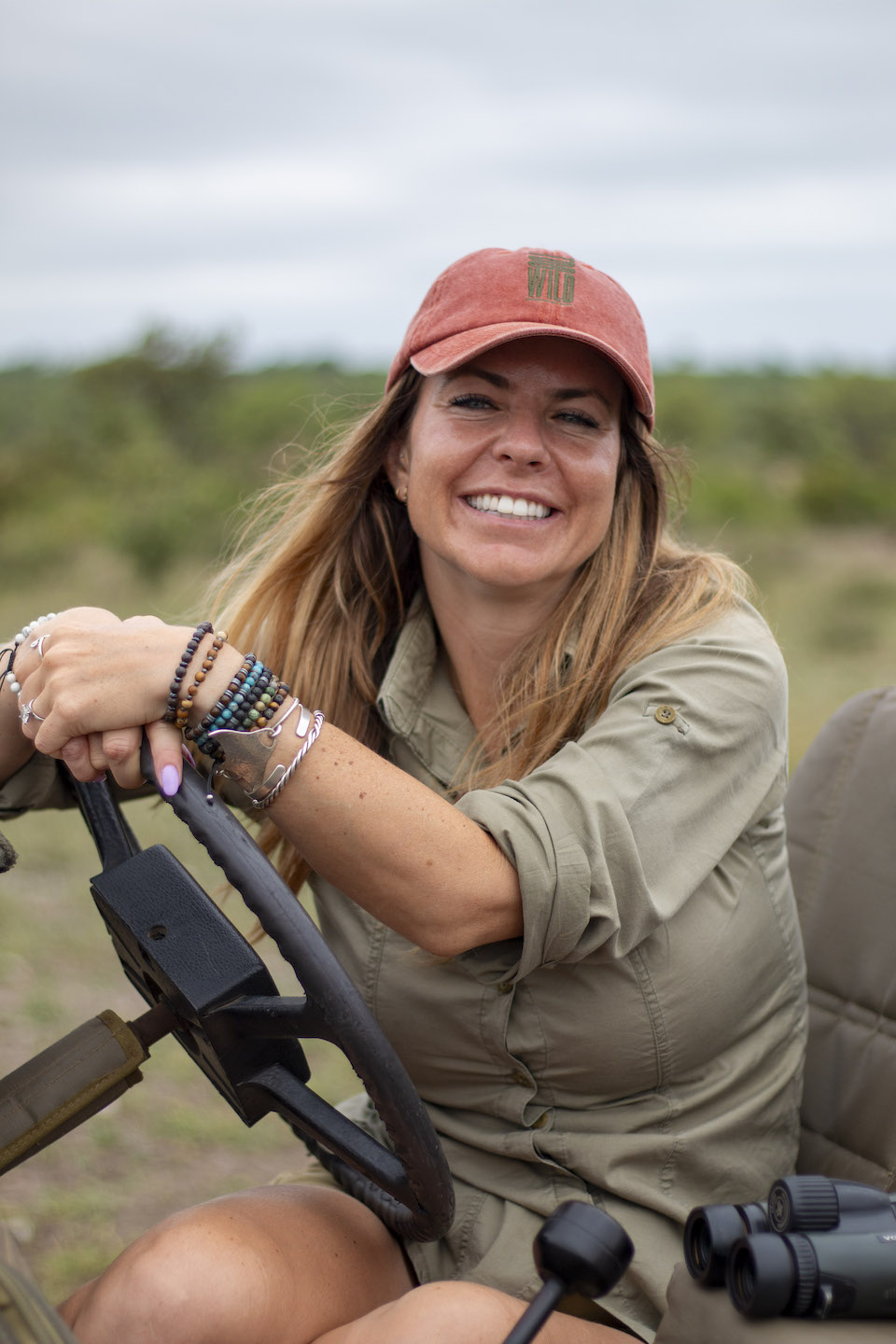
“You will receive rejections, but rejections are what make you stronger. So don’t take it personally and stay focused. You will get that job. If it’s meant for you, it will happen!”
Keep in touch
Recently, Lauren left Wild Earth for the time being to embark on a brand new and exciting journey, so for more information on that head to her social media.
Want to hear more from Lauren? Follow her on Instagram @lauren_arthur7 and head to YouTube @WildEarth to watch the live safari broadcast channel.
Are you interested in educating people about wildlife in your own career? Check out our Conservation Educator role profile.
Author Profile | Susie Stockwell

Susie with a Purple-crowned Lorikeet, during work as a bird bander.
Susie Stockwell (she/her) is a field ecologist, science communicator and creator of the blog and podcast, #itsawildlife, a platform to support people on their journey to work their dream job in wildlife science or conservation. Based on beautiful Menang country on the south coast of Western Australia, Susie is passionate about finding novel solutions for wildlife conservation and opening up the space to promote engagement and involvement for everyone interested in pursuing this career.