Protecting Portugal’s skies: How Inês Pereira found her true calling in conservation

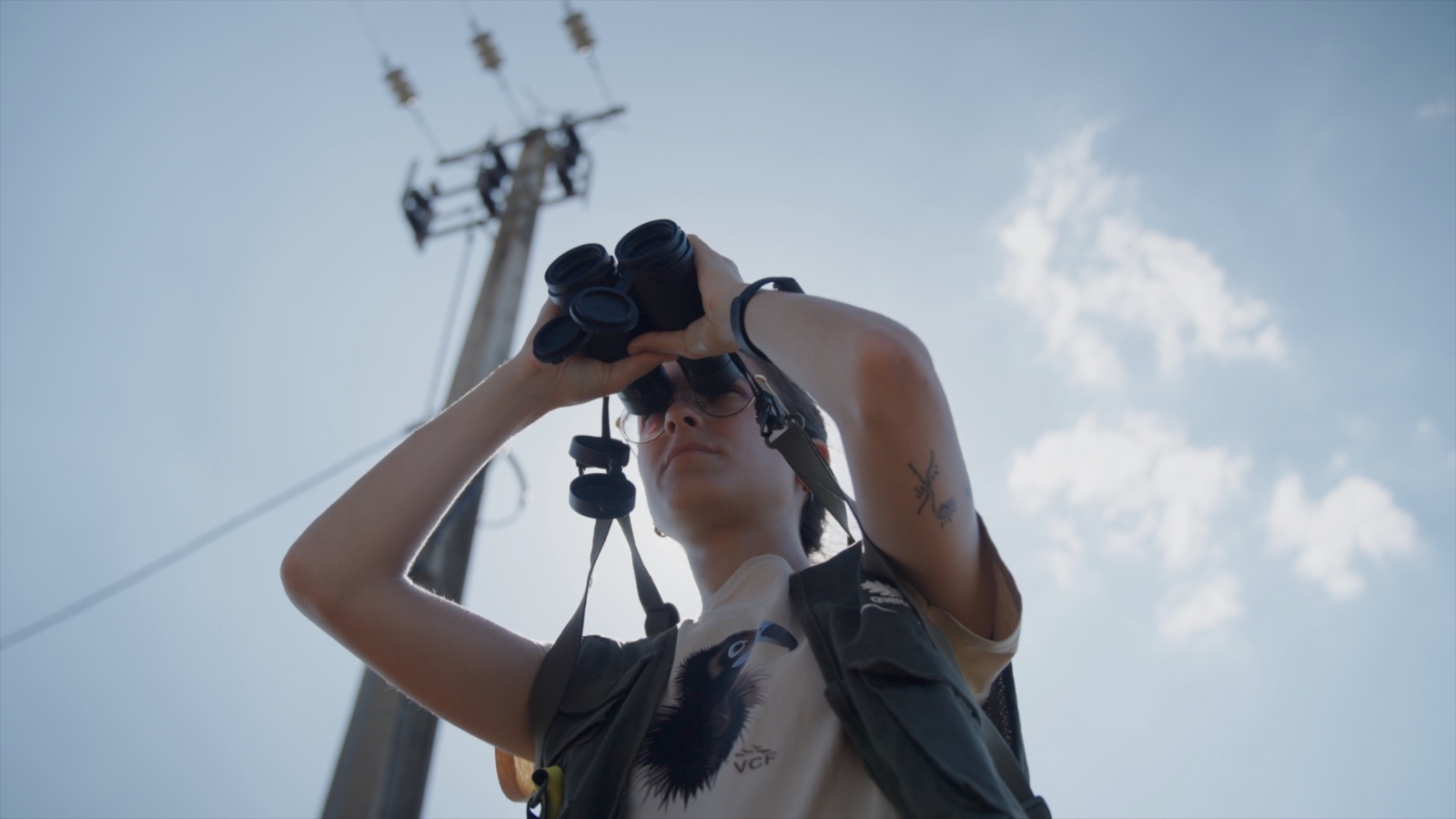
To most of us, power lines are just part of the background of modern life. But for a biologist like Inês Pereira, they represent one of the greatest hurdles for bird conservation in Portugal. From her desk at the NGO Quercus to the windswept fields where eagles soar, Inês is on a mission to redesign our relationship with the landscape. Through the LIFE Powerlines4Birds project, she’s transforming dangerous ‘black spots’ into safe passage for Europe’s most iconic species.
Finding her path: From neuroscience to the field
Inês didn’t always know she would end up protecting vultures. With no family background in the sector, her initial plan was to pursue neuroscience. However, it was direct contact with nature during her undergraduate studies in Lisbon that shifted her compass.
After discovering her love for the outdoors, she specialised with a Master’s in Conservation at the University of Évora. Her career path offers a vital lesson in professional flexibility:
“If you want to work in biology, and specifically in conservation, you have to be willing to move to get what you want,” Inês asserts.
Real impact: LIFE Powerlines4Birds
Currently, Inês focuses her efforts on LIFE Powerlines4Birds, an ambitious initiative co-funded by the European Union that brings together NGOs and electricity companies (such as E-Redes). The aim is to reduce mortality from electrocution or collision involving flagship species such as the Cinereous Vulture and the Spanish Imperial Eagle.
This project is far more than theoretical; it involves direct on-the-ground intervention. To date, the team has achieved an impressive milestone: the correction and retrofitting of over 50 km of critical power lines.
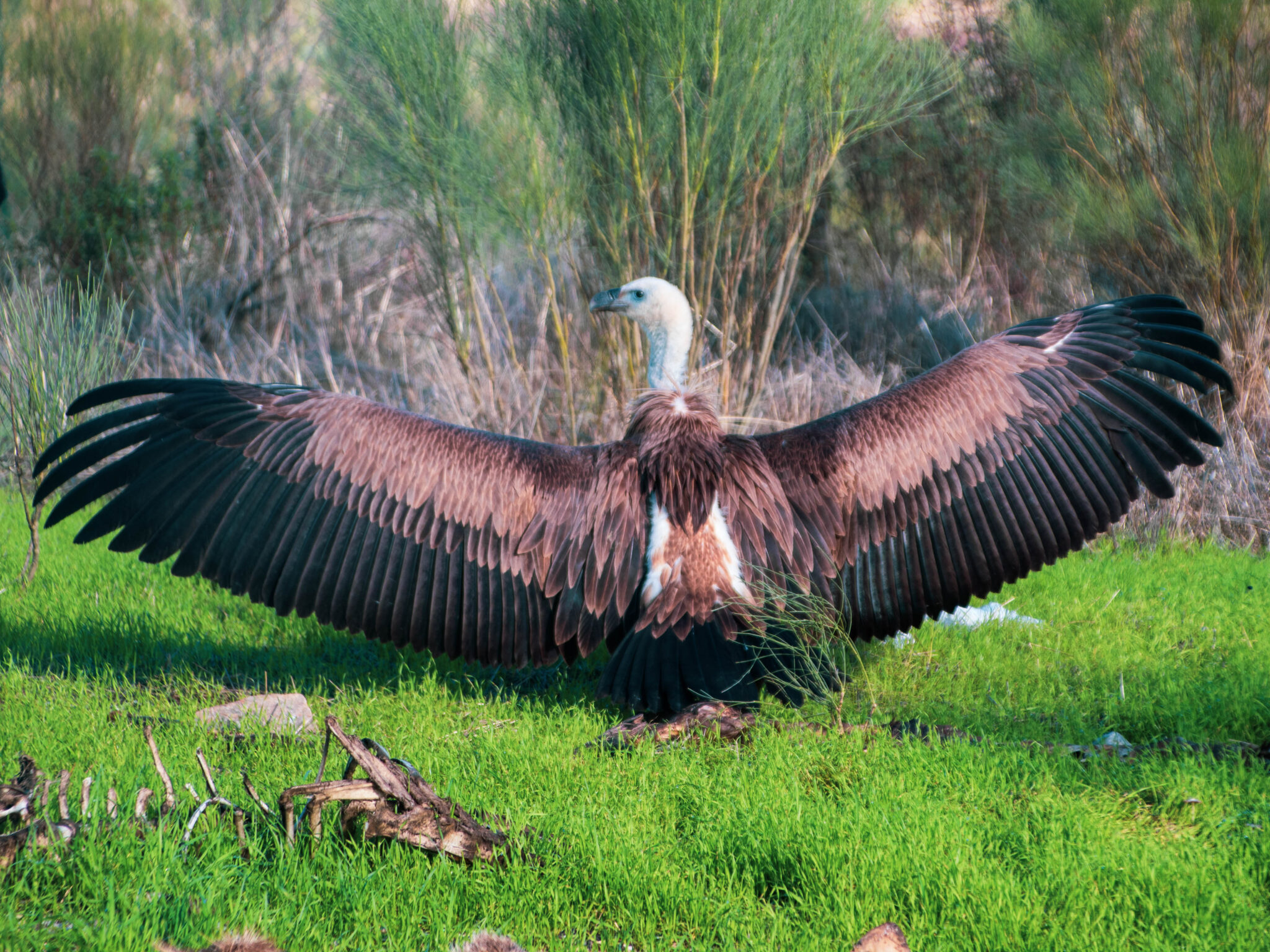
Credits: Jaime Hernández Pérez
What does this work entail?
The project deploys three core technical strategies:
- Insulation of conductors: Covering cables to prevent electrocution when birds perch on the pylons.
- Bird Flight Diverters: Installing visual devices that make the cables visible to birds in flight, preventing fatal collisions.
- Constant monitoring: Exhaustive fieldwork to identify “black spots” and collect data that allows the team to act where the need is greatest.
The human element: Beyond the data
Inês highlights that communicating with the local population is often the most complex challenge. In regions like Castelo Branco in eastern Portugal, gaining the trust of private landowners is essential for access.
“Some people still believe that vultures attack livestock, so we have to explain the ecological importance of these animals so they don’t end up being killed out of a lack of knowledge,” she explains. This role as an “ambassador” is a critical soft skill in any modern conservation career.
Balance and well-being:
Working in conservation can be emotionally taxing. Inês stresses the importance of having an identity outside of work:
“My hobby is dance,” she says. Dancing allows her to clear her head and recharge her batteries. Although, like a true biologist, she confesses that even on her holidays, nature remains her destination of choice. This balance is vital for avoiding burnout in such a vocation-driven sector.
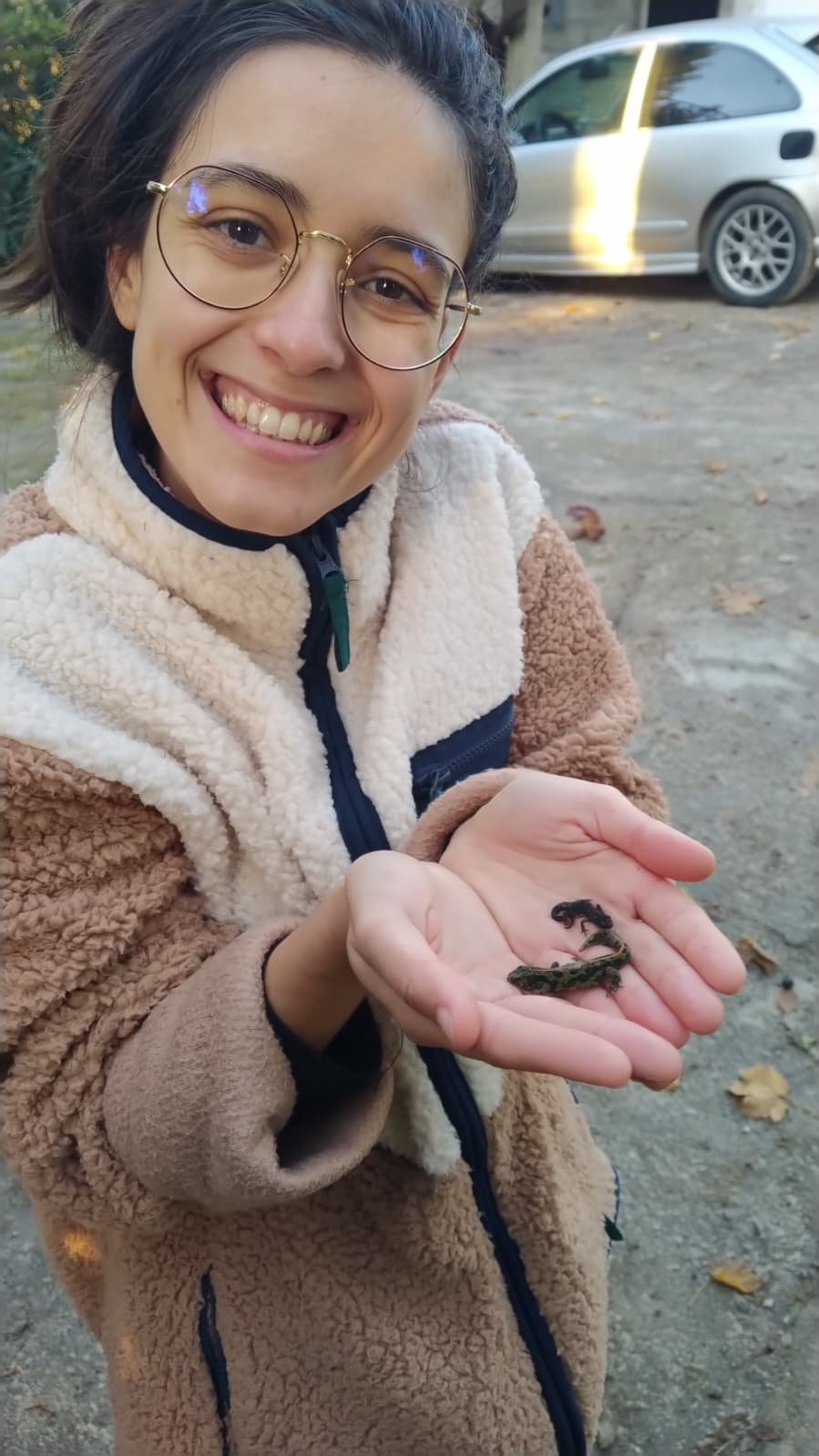
Advice for aspiring conservationists
If you are looking to follow in Inês’s footsteps, these two attributes are especially important:
- Resilience and Long-term Vision: “It’s important not to give up quickly.” Not every job will be your “dream role” at first, but every environmental consultancy or a technical project builds your professional network.
- Proactivity in Volunteering: Inês began collaborating with CERAS (Wildlife Study and Rehabilitation Centre) while performing other roles. This hands-on experience is often the deciding factor in a recruitment process.
Take action!
Are you passionate about ornithology or habitat management?
- Explore the work of Quercus.
- Follow the progress of the LIFE Powerlines4Birds project.
Many of these projects rely on citizen science and volunteering. If you are based in Portugal or are passionate about bird conservation, get in touch and become part of the solution for safer skies!
Featured Image Credit: Lengalenga Films
 Author Profile
Hi! My name is Jaime Hernández Pérez, I’m from Tenerife- Canary Islands. I’m a nature lover who’s been concerned about ecosystem drift since I was little.
Now, I’m looking for a way to share that enthusiasm with others and join the amazing people who dedicate their lives to the conservation and scientific study of the natural world we live in.