Roots and research: From plants to primates in conservation science
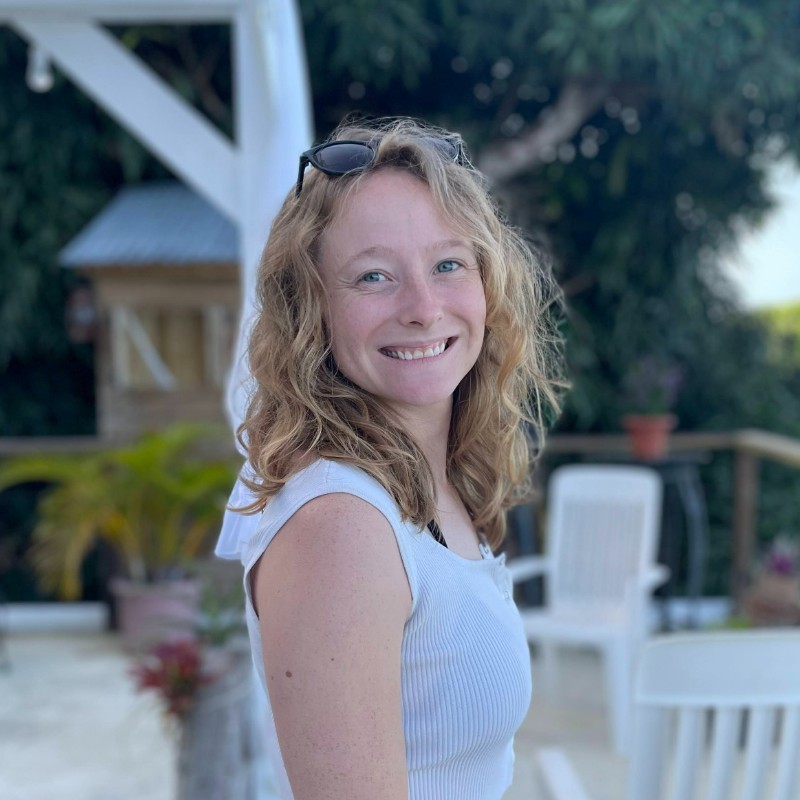
As a kid growing up in the Pine Barrens of New Jersey, USA, Dr Cynthia Frasier didn’t picture herself working in conservation. In fact, she wasn’t sure she even wanted to go to college.
But now, as a Research Scientist at Omaha’s Henry Doorly Zoo and Aquarium, she’s spent years helping protect Madagascar’s lemurs and is excited to share her career path and advice with future conservationists.
Planting the seeds of a career
Dr Frasier knew that she loved being outdoors, but she didn’t initially picture that passion leading her to a college degree. Actually, she imagined a future in the trades instead.
However, when the time came, she enrolled in university and found herself working towards a bachelor’s degree in plant sciences. Before long, she realised just how many doors that degree could open.
“With this, I could go anywhere in the world,” she said. “I could be in agriculture, I could be in biotech, conservation…”
Trading leaves for lemurs
After earning her PhD in plant systematics, Dr Frasier really did get the chance to travel when she took a postdoctoral position based in Antananarivo, Madagascar, working for the Missouri Botanical Garden (MBG).
While the work was interesting, she noticed that she especially enjoyed the times when she could leave the densely populated capital and do fieldwork in the more remote areas of Madagascar.
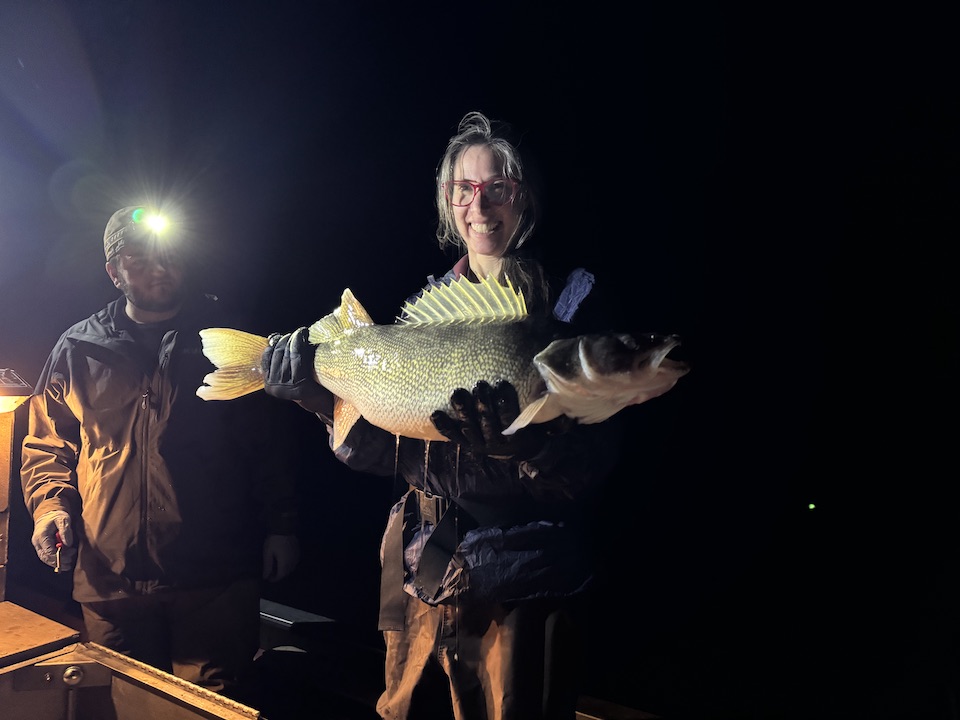
Dr Frasier studying a Walleye fish for a conservation genetics project.
Her second postdoc, which later led to her current Lead Scientist position, was working with Omaha’s Henry Doorly Zoo and Aquarium and the Madagascar Biodiversity Partnership (MBP). In this role, she would spend six months out of the year in Omaha, NE, USA, and the other six months working at various research sites around Madagascar where she studied lemurs.
Positions like these (postdocs and lead scientist roles) are relatively rare in zoos and more commonly found at academic institutions. Dr Frasier was initially hesitant to accept the role, in part because of the ongoing debate over the role that zoos play in conservation and animal welfare. But the Omaha Zoo changed her mind in two key ways:
- They were committed to ethical research practices, including a policy to use non-lethal means of designating types when describing new species.
- They demonstrated deep care for animal well-being, especially during end-of-life stages.
Having personal values that match those of your workplace is incredibly important. Dr Frasier wanted to make sure this alignment was there before committing to a career!
Conservation across cultures
International conservation work can be incredibly rewarding, but it also comes with a unique set of challenges. One key challenge is learning to navigate cultural differences while building genuine, respectful relationships with local communities.
“Doing this work has made me really care about my own backyard and treating that well,” Dr Frasier said. “Because how can I go somewhere else and tell people what they can be doing better without doing it myself?”
She recalls one particularly memorable experience in Madagascar when the locally hired research team lost a drone in the forest while trying to collect aerial data. When they began asking around, community members told them that “the spirits” had taken the drone.
Dr Frasier describes the whole situation as an “eye-opening” moment for a few reasons. First, it showed that the people from the area needed to be informed in detail about what was going on and why it was important. Second, the idea that spirits had taken the drone became a useful tool in allowing everyone to discuss the incident without blame. After the situation was cleared up and everyone involved was properly informed, the spirits gave their blessing and the drone was returned.
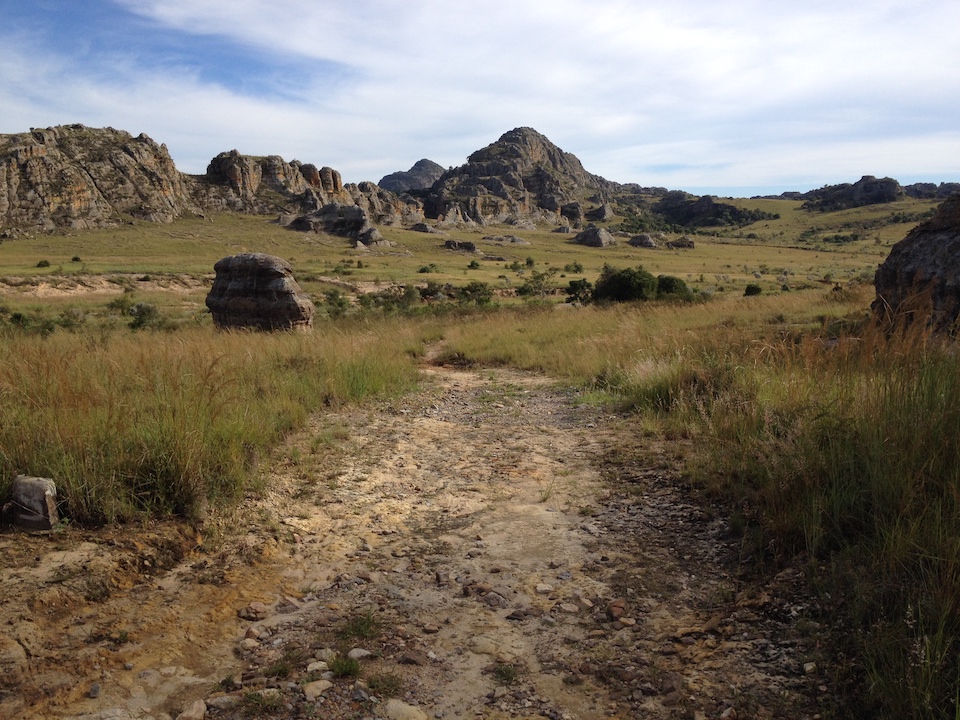
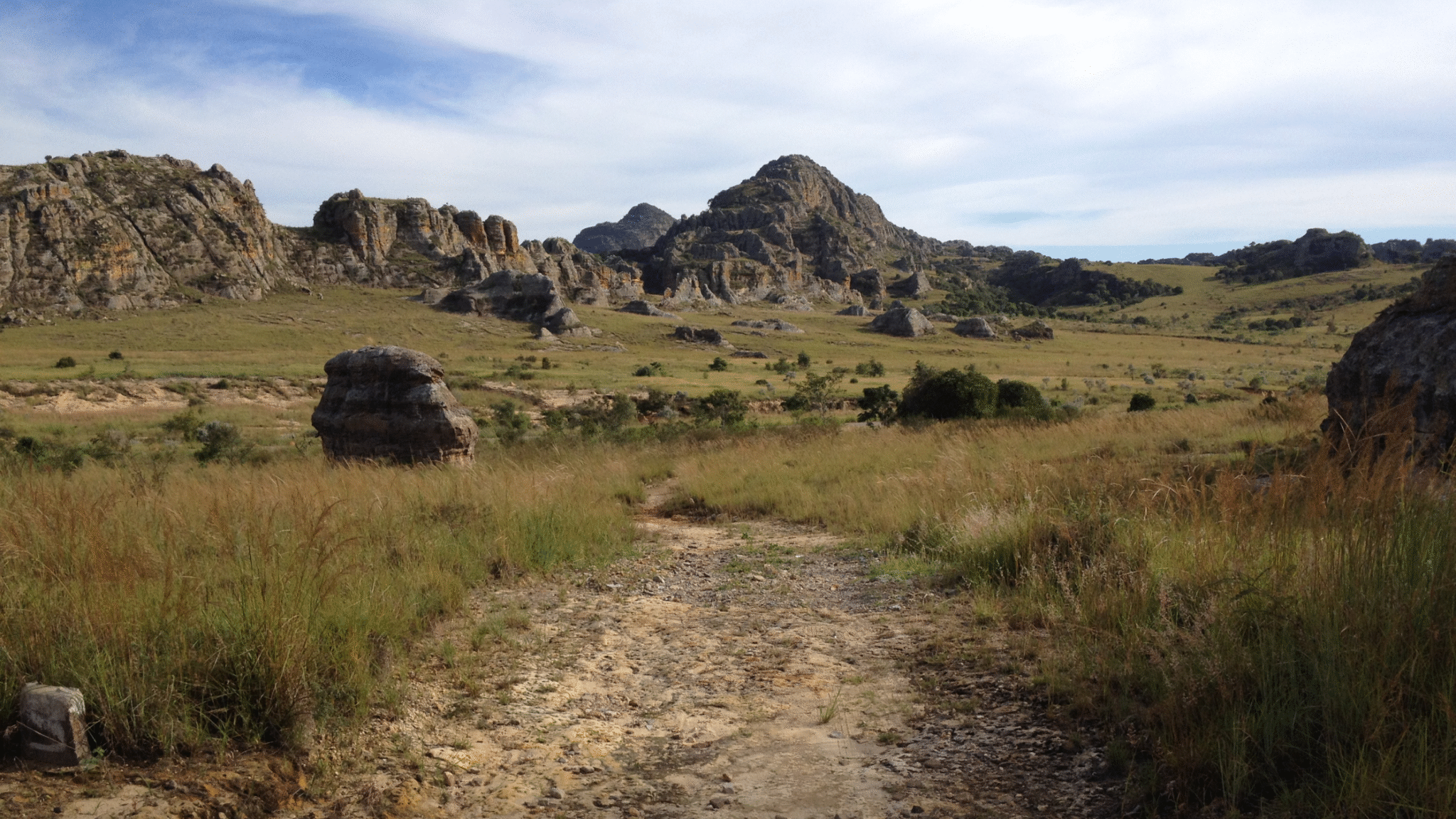
One of Dr Frasier’s worksites in Madagascar.
The lemur site that was left alone
One surprise success story happened when Dr Frasier realised that a bamboo lemur monitoring site had reported no habitat disturbances for an entire year! Curious, she followed up with the local crew collecting data and received a simple explanation – they hadn’t documented any disturbances because there weren’t any.
The reason? The local mayor had placed protections for the site the previous year to help safeguard the bamboo lemurs. And those protections worked!
This meant a lot for Dr Frasier because it showed what can happen when conservation messages are not only heard but adopted by local leadership. International conservation depends on collaboration and communication. When local people and governments recognise the importance of species and habitats, long-term success becomes possible. In this case, the message being conveyed by the local crew had been embraced, and it led directly to meaningful, locally-driven action.
Advice for future conservationists
Dr Frasier has several pieces of advice for aspiring conservationists, especially those who may want to follow a similar path to her:
- Volunteer – Get that experience! Many jobs in this field require hands-on experience, so take every opportunity you can to get involved. Do fieldwork, help in a lab, or see if any professors have side projects you can help with. The good news is that conservation researchers are often “generalists” with many different skills, so you will likely find yourself cashing in on all your various work experiences in one way or another!
- Reach out – Talk to people! Don’t be afraid to contact professors or scientists doing work that interests you. “What do you have to lose?” says Dr Frasier, “The worst that could happen is that they may not respond because they are busy, but more likely than not you will get a polite and friendly response.”
- Reference letters – Help us to help you! If you’re asking someone for a recommendation letter, know that they’re used to getting those requests and are usually happy to help. But make it easier for them to advocate effectively on your behalf. Remind them of specific projects you worked on or accomplishments you’re especially proud of so that they can focus on what you want to be highlighted.
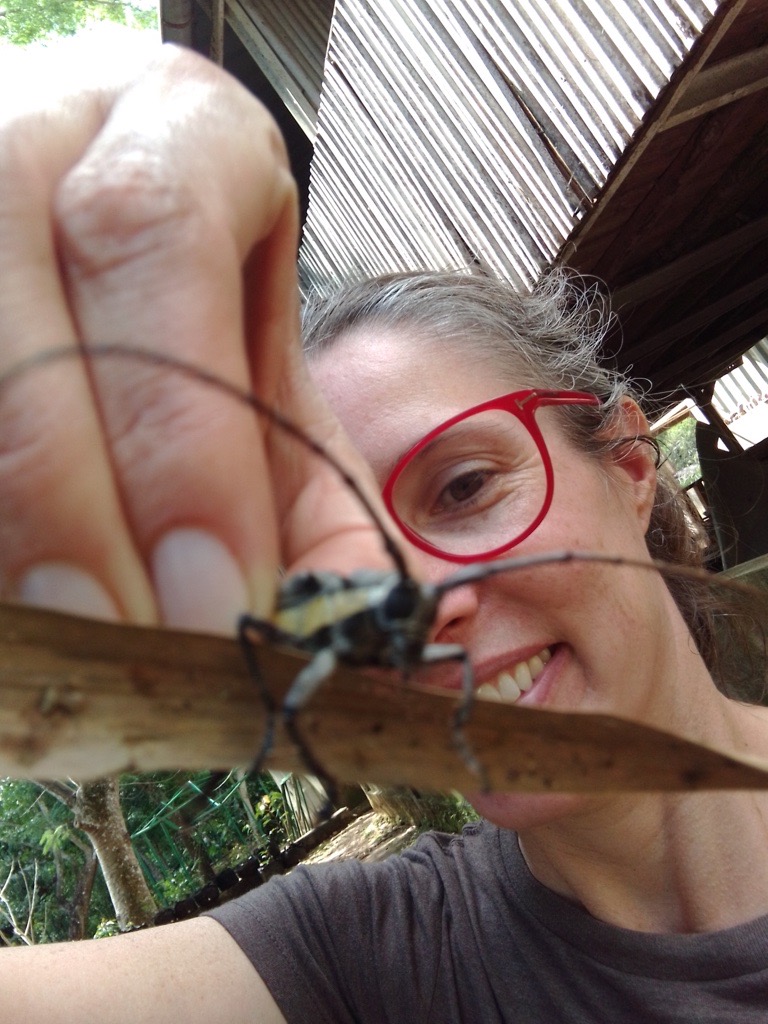
Dr Frasier working with a very cool insect.
Dr Frasier’s road from the Pine Barrens of New Jersey, USA to the forests of Madagascar shows that conservation careers may not follow a straight line. The experiences you’re having now may open doors you don’t yet see or even know exist.
With curiosity, persistence, and a willingness to learn, you can carve your own path. Whether you’re volunteering in your local park or emailing a scientist whose work inspires you, every step brings you closer to making a difference.
Learn more
Want to learn more? Keep reading about what it looks like to be a Conservation Scientist and how to get (and stay) on that career path!
If you’re interested in conservation projects on the island, you can even explore opportunities and jobs based in Madagascar.
Or, stay tuned to learn more about the ongoing conservation projects happening at Omaha’s Henry Doorly Zoo and Aquarium!
Author Profile | Molly Schools
 Molly Schools is a conservation geneticist, science writer and lifelong herpetologist. With a PhD in biology and a passion for communicating science, she specialises in making complex research accessible and inspiring for all audiences. In her free time, she enjoys being outside, traveling, cooking and spending time at the zoo where she currently works.