Speaking for sharks: From research to policy with Dr David Shiffman
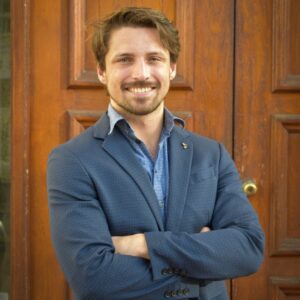
Dr David Shiffman has loved sharks since he was young, so he naturally gravitated towards studying them and became a marine conservation biologist. But he soon discovered that, in the conservation world, there is often a gap between what the research suggests we should do to help animals, versus what actually gets done.
“I went to conferences, I went to seminar talks, I read papers, and everyone was saying, ‘Wow, the science side of this is showing the sharks are really in trouble. Someone should really work on the conservation policy side’.”
So, he decided to become that person and made it his mission to bridge that gap.
He was further inspired when he learned more about the real-world impacts of policymaking. This led him to becoming the CEO and Chief Consultant of his own firm, David Shiffman Scientific and Environmental Consulting, Inc. based in Washington, D.C., USA. The aim is to help sharks, many of which are Endangered or threatened.
His clients now range from federal agencies like the United States Bureau of Ocean Energy Management to international organisations like the United Nations Convention on Migratory Species.
Science in translation: How to connect & find balance
Dr Shiffman saw the need for more cohesive communication between educators, scientists, government officials, the public and other interested parties when it comes to shark conservation:
“I realised that a lot of people were having the same conversations talking about the same topics, but talking about them very differently in a way that was actively harmful to shared goals. So, being able to speak to all these different groups and get them to speak to each other is an incredibly useful skill.”
Thus, he learned how to best communicate with different parties and help them talk to each other. This helps inform policies that have useful, real-world applications.
One example of this is when Dr Shiffman’s PhD research on recreational fishing positively impacted hammerhead sharks by influencing changes to shark fishing laws in Florida. He feels a great sense of pride about this:
“Tens of thousands of Critically Endangered hammerhead sharks are alive now because of that.”
Dr Shiffman’s goal is to help protect vulnerable shark species while also acknowledging the role of sustainable fishing practices in human populations. Sharks are an integral part of our ecosystem, so finding balance is key.
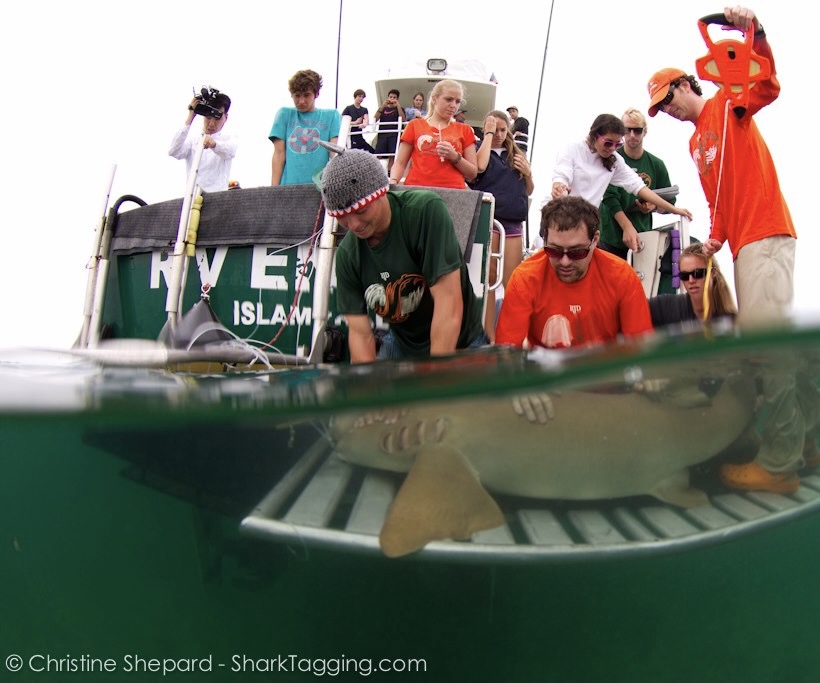
Dr Shiffman (bottom, second from left) during his PhD at the University of Miami, securing sharks for research sampling and release. Research followed all permits and rules per the University Institutional Animal Care and Use Committee and the Florida Fish and Wildlife Conservation Commission. Credit: Christine Shepard, SharkTagging.com.
The depths of daily life in shark conservation
Dr Shiffman says that the best thing about his job is that he doesn’t suffer from burnout because he never gets bored. Since he owns his own company, he has an alternative work schedule compared to many academics or scientists.
His responsibilities are diverse and just some of them include:
- Planning conferences, like the 2024 International Marine Conservation Congress (IMCC).
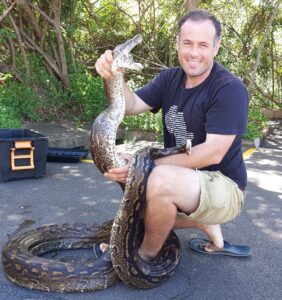
- Conducting shark fieldwork with students on the Research Vessel Garvin.
- Summarising evidence for policymakers to help build pragmatic policies.
- Writing science-based communication such as Southern Fried Science.
- Public speaking at zoos, museums and libraries.
- Spreading awareness through social media.
- University teaching.
- Data analysis.
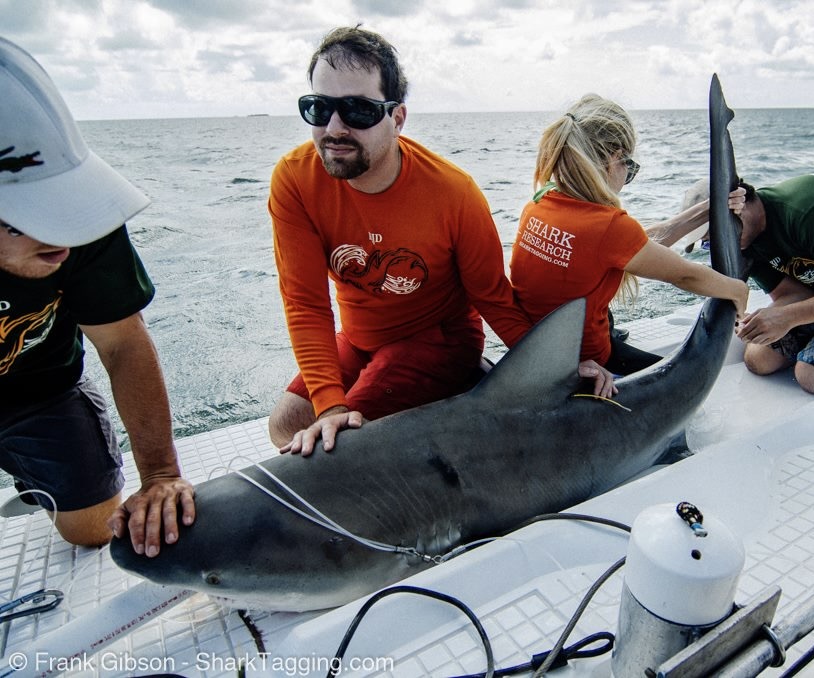
Dr Shiffman during his PhD at the University of Miami, securing sharks for research sampling and release. Research followed all permits and rules per the University Institutional Animal Care and Use Committee and the Florida Fish and Wildlife Conservation Commission. Credit: Frank Gibson, SharkTagging.com.
Navigating the current: Steps to take to become a consultant
If this sounds like a job that would suit you, there is certainly a pathway there. According to Dr Shiffman, one of the most important ways to get started is by making sure that you gain foundational knowledge to stand on first. This is so you can share accurate data, as opposed to misinformation.
For him, this meant getting his BS in Biology and Marine Science (Duke University), his MSc in Marine Biology (College of Charleston), his PhD in Interdisciplinary Ecosystem Science and Policy (University of Miami) and completing a Liber Ero Postdoctoral Research Fellowship in Conservation Biology, which all ensure that he has the scientific background to support his claims.
He encourages everyone to have patience while learning and says:
“Don’t lose that desire to want to help.”
If you take things step by step and build your knowledge and connections with care, it is possible to make observable positive changes in the world.
Another important piece to this is understanding that a big part of working with animals is understanding that you need to be able to properly communicate with humans, too.
This means developing your skills in the following areas:
- Writing.
- Teaching.
- Understanding group dynamics and meeting management.
- Learning about the importance of public comment.
- Exploring different policies and their outstanding research priorities when considering your own areas of research focus.
He would also recommend learning how to budget carefully, since one of the most challenging aspects of the job is balancing the flow of different contracts throughout each year. And finally, don’t be afraid to get your name out there! The more connections you make, the more work can come your way.
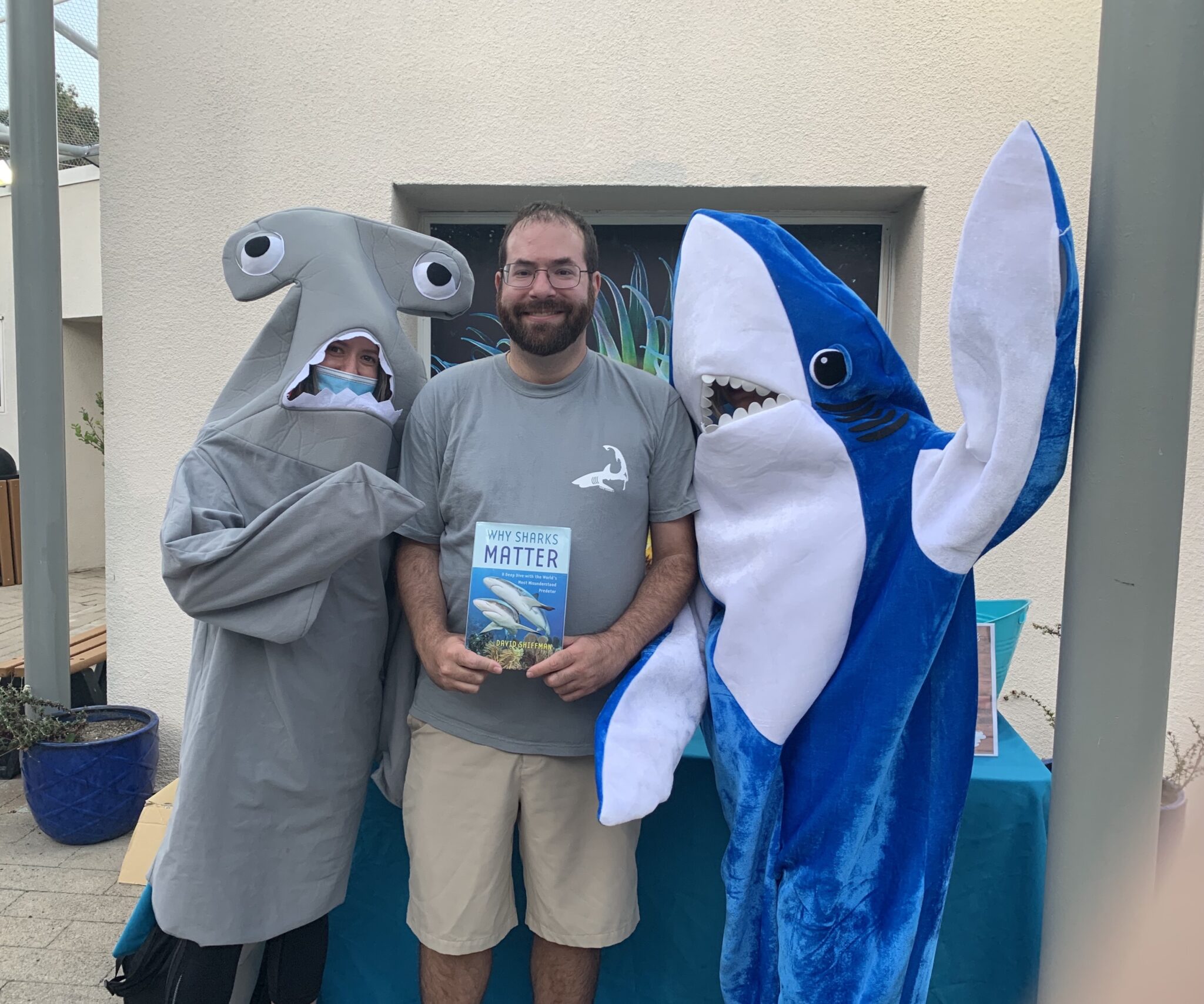
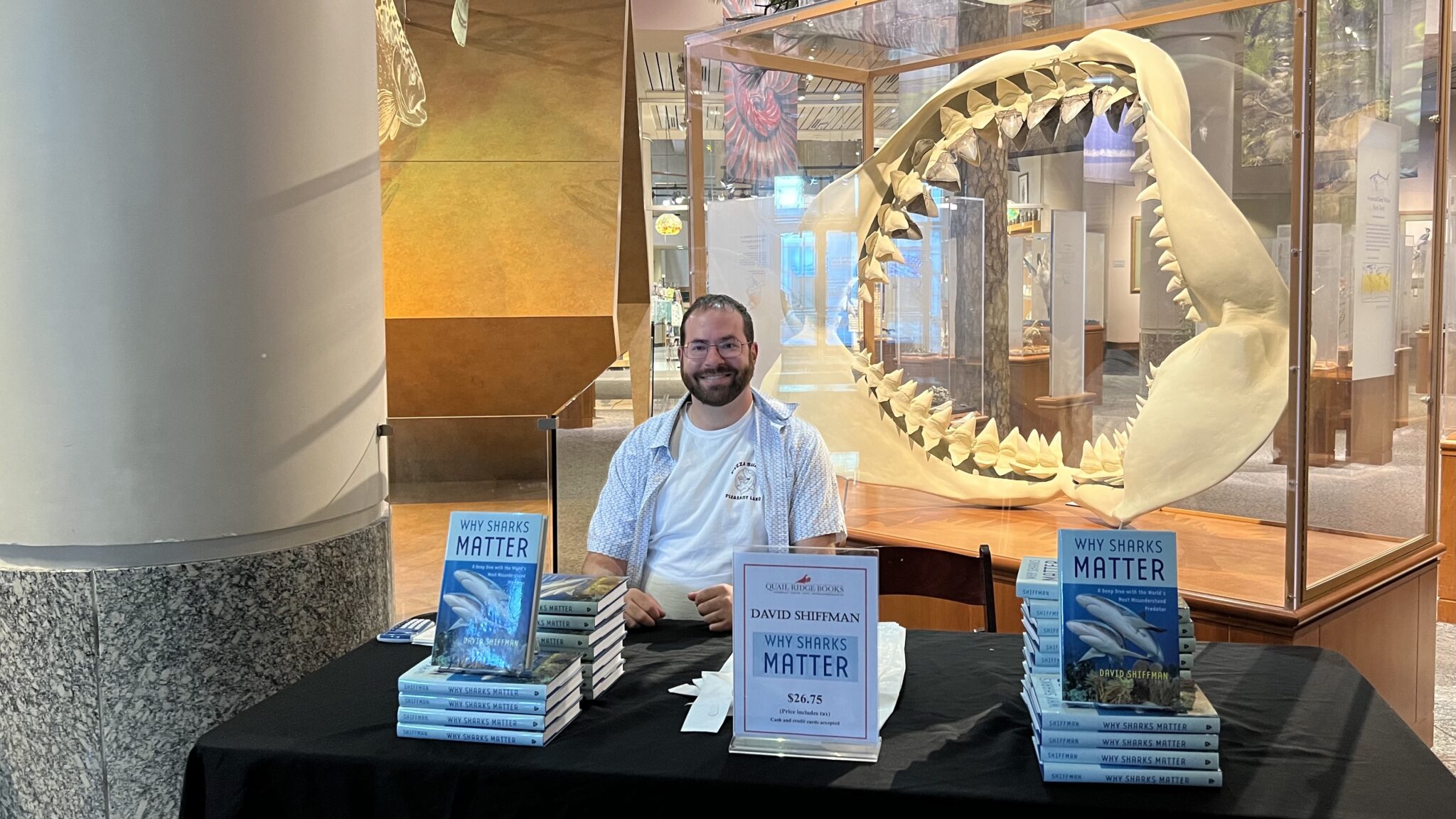
Dr Shiffman promoting his book, Why Sharks Matter: A Deep Dive with the World’s Most Misunderstood Predator. The book covers topics such as shark basics, policy interpretation and direct steps you can take to help.
Dr. Shiffman has an engaging and informative social media presence:
- Bluesky: @whysharksmatter
- Facebook: @whysharksmatter
- Instagram: @whysharksmatter
- LinkedIn: https://www.linkedin.com/in/david-shiffman-26205a90/
- Website: David Shiffman Scientific and Environmental Consulting, Inc.
You can also find his first book, Why Sharks Matter: A Deep Dive with the World’s Most Misunderstood Predator.
And be on the lookout for his next book in the future, which will focus on sustainable seafood!
Since Dr Shiffman’s position is made up of many different roles, this is a good time to learn more about how to become an Organisational Manager and how to become a Policy Advocate. You can also take a deep dive into how to become a Marine Biologist!
Author Profile | Katie Cohan
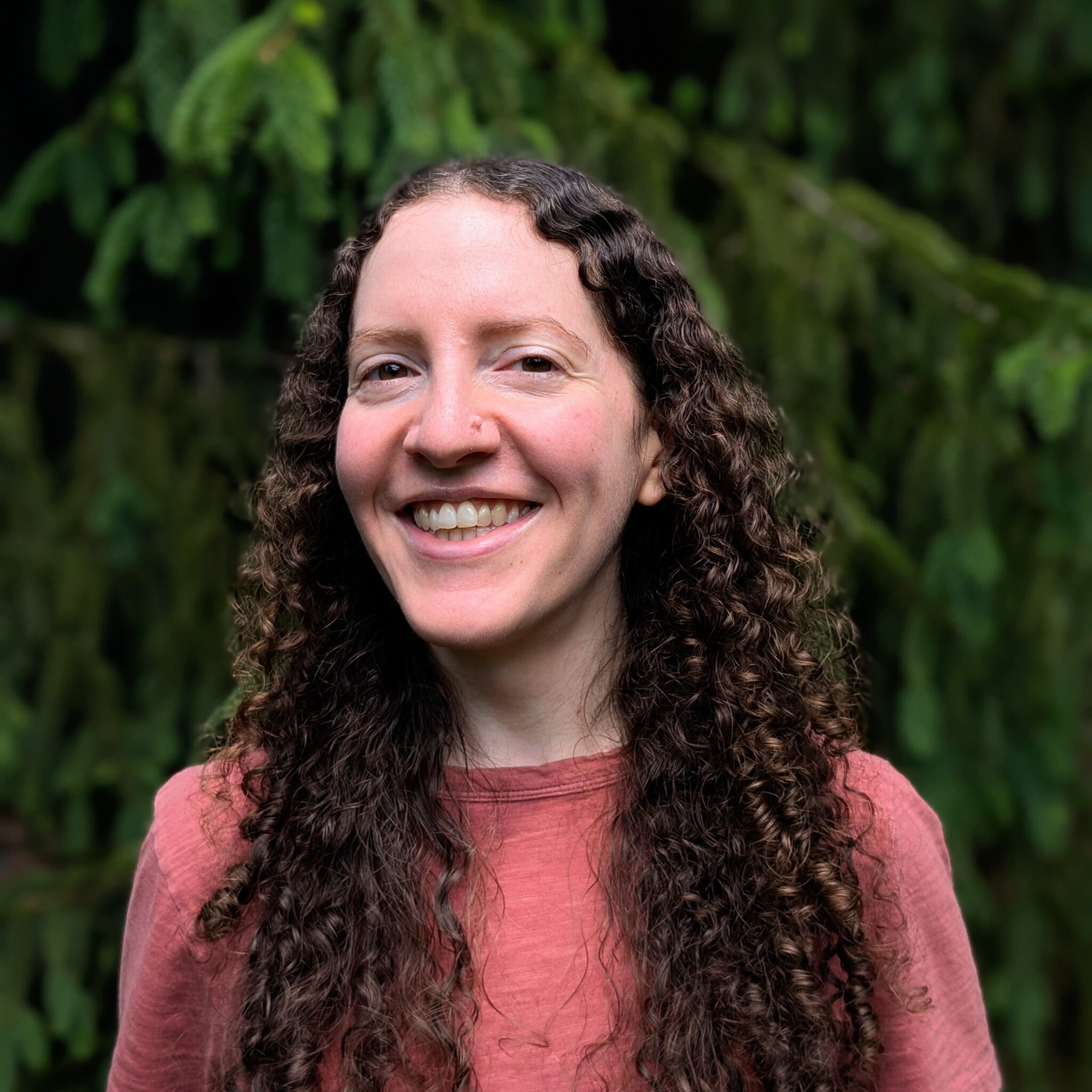 Katie Cohan has felt a strong connection to nature and culture since childhood. This inspired her to work in anthropology, veterinary medicine and wild and domestic animal care. As a writer, she now aims to highlight the intersection between human systems and the natural world. She is especially passionate about showcasing overlooked narratives and bringing attention to endangered and misunderstood species. Connect with Katie on LinkedIn.