Swimming in home waters: Conservation starts at home

Molly Fairclough, an ocean lover, marine advocate and now Coastal Projects Officer at the Vale of Glamorgan Council, South Wales, has always felt a deep connection to nature.
Her conservation career began on her doorstep. When the right job arose, Molly leapt at the opportunity to engage with her community and protect the natural beauty of the South Wales coastline.
Despite funding constraints on the horizon, Molly’s story highlights the importance of working with others to make the most impact in preserving local environments.
A natural path to conservation
“I’m in conservation because of how outdoorsy I am,” Molly explains.
Her love for swimming, rock pooling and surf lifesaving as a child led her to question how these activities are connected to caring for the environment. Surf lifesaving is the practice of training individuals with the skills required to save a life and prevent drowning in coastal environments.
Frequent beach visits nurtured her appreciation for the coastal ecosystem. Watching Jaws sparked a fascination with sharks, and when researching shark habitats, Molly realised the real threat is humanity.
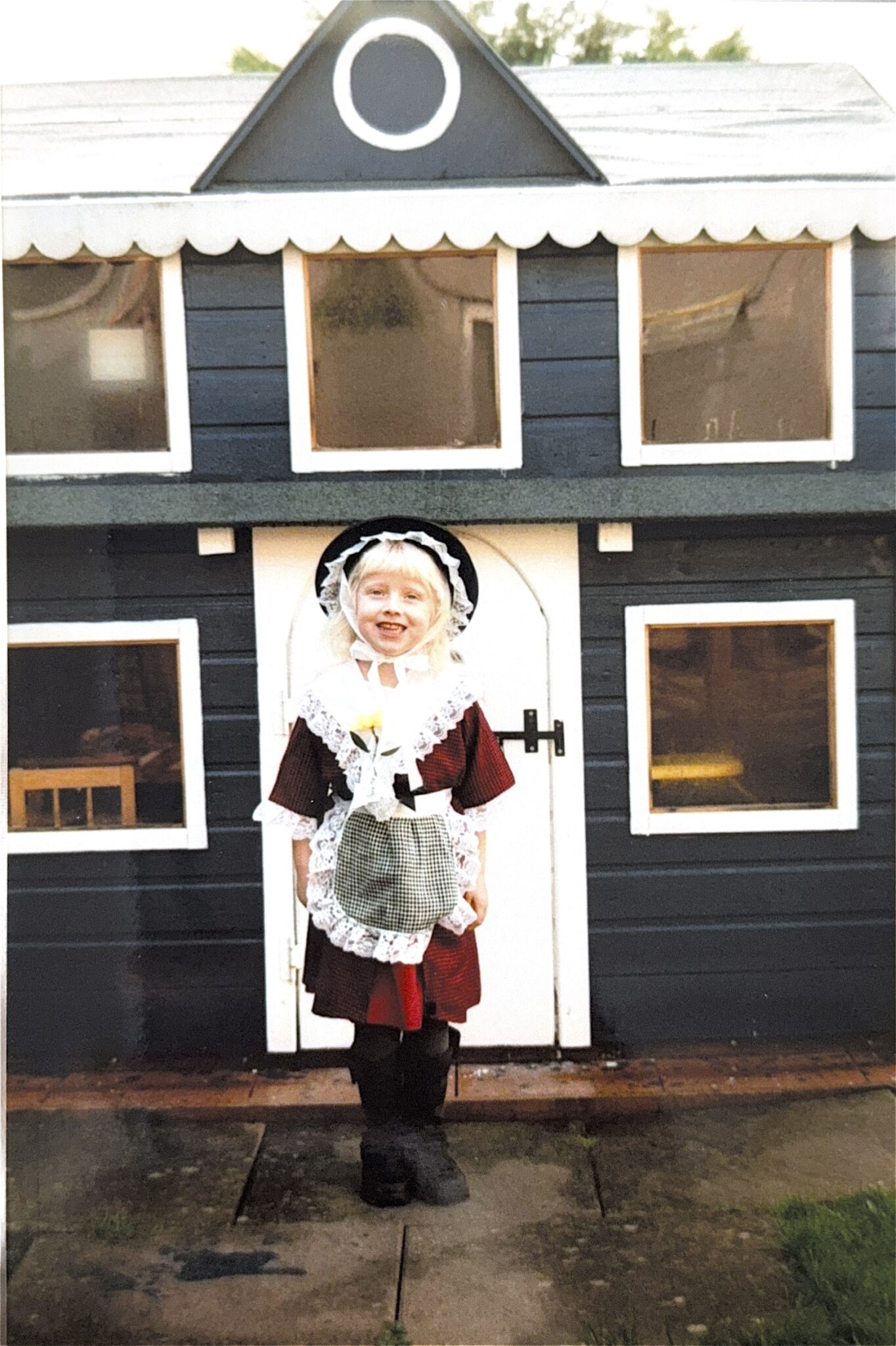
Molly wearing the traditional Welsh costume.
A career built on experience
From age 17, Molly has juggled multiple jobs as a lifeguard, swim teacher, scuba dive equipment manager, researcher and student ambassador, each role enriching her understanding of people and the environment. As a swim teacher, she connects students to the water both physically and educationally, fostering an awareness of marine life.
Post-pandemic, she’s noticed children have less confidence swimming and interacting with the beach, raising concerns about a growing disconnect between the next generation and the coastal environment. This highlights the importance of ocean advocacy in roles not typically considered “jobs in conservation.”
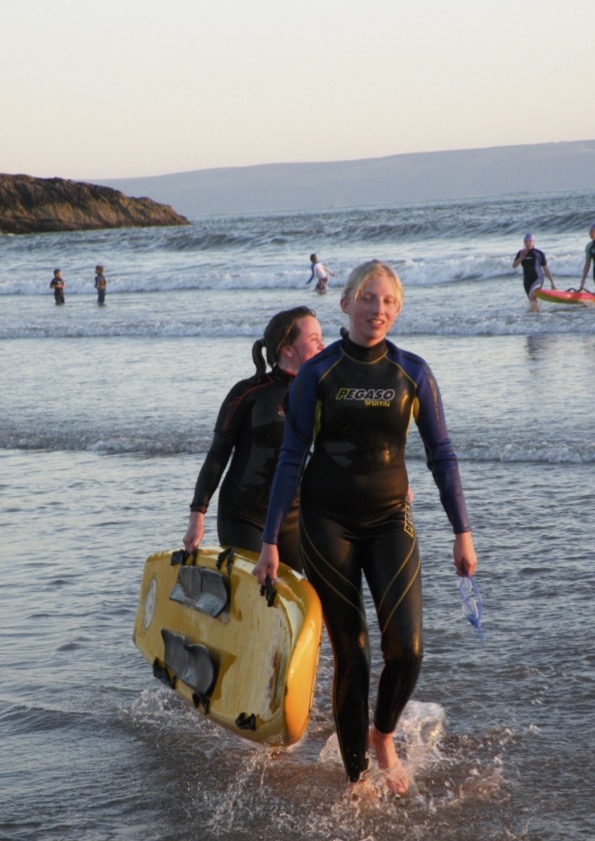
Molly after passing her lifeguard training.
Her nature experiences are vast. A flavour of her work includes 3D modelling of coral reefs and behavioural analysis of cleaner fish at Cardiff University and in Tobago, species monitoring in Greece and the Maldives, utilising Baited Remote Underwater Video (BRUV) and habitat data to develop a statistical monitoring tool to predict absence and presence of prey species.
Putting policy into practice
From 2023 to 2024, Molly worked as a Marine and Coastal Advisor at Natural England, gaining insight into the UK government system. Her employment was tinged by increased workloads and staff redundancies, which led to limited training opportunities. Despite this, she contributed to conduct field research on Padina pavonica (an algae) contributing to a long-term dataset.
A major learning experience came during an oil spill incident where Molly saw different environmental organisations collaborate on both short- and long-term solutions for a variety of habitats and environments.
Working in home waters
In 2024, Molly became Vale Coastal Project Development Officer at the Vale of Glamorgan Council, allowing her to share her passion for the ocean with her community. “I’m obsessed with this job. I get to work on the patches where I grew up.” Her deep-rooted connection to the area has enabled her to build and maintain strong relationships and cut corners where needed.
There are challenges associated with the role including underfunding, uncertainty and inconsistency, however Molly’s passion for the role means she is determined to persevere and see it through.
The role of Coastal Project Development Officer focuses on three key pillars: community, nature and economy. A key project is the Vale Coastal Forum, which brings together local stakeholders to discuss local issues. The emphasis here is on ensuring that the forum is stakeholder led and not council directed.
For the forum to be a success it is crucial that all three pillars are represented. Molly’s broad background has afforded her to connect with non-environment focused sectors such as the economy. She understands that those from non-environment sectors are often painted as the villain, stressing the importance of remaining open to other’s perspectives.
“I don’t think it’s always their fault, that they don’t have empathy for nature; I think some people grew up differently.” When having conversations, you must first understand that not everyone thinks like you, nor has your experiences.
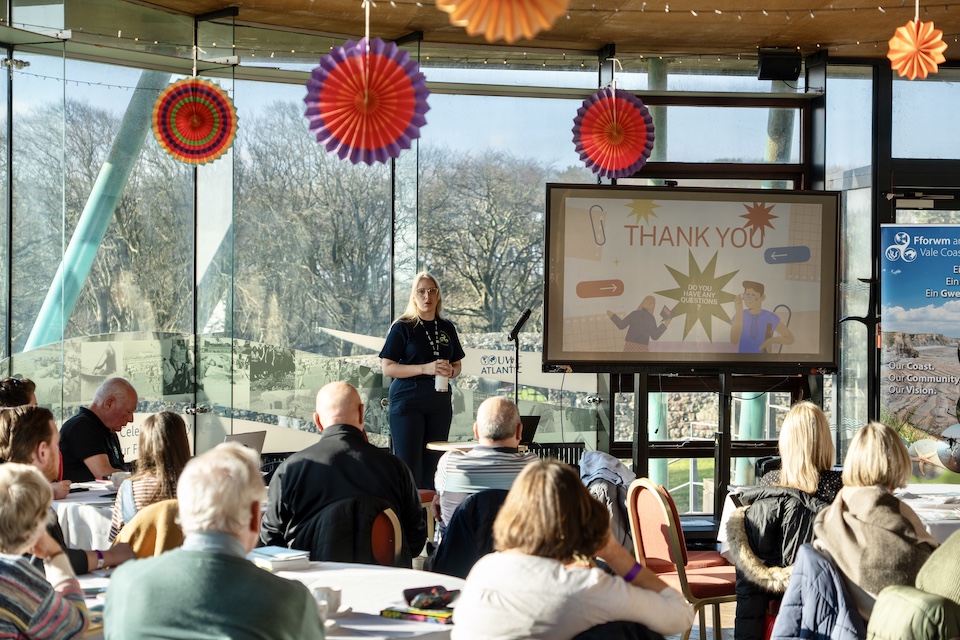
Molly discussing her work and the Vale Coastal Forum.
People, place, partnership and preservation
Springboarded off the back of the forum are pilot projects, centring around four key themes (people, place, partnerships and preservation). Each of these themes are grounded in the pillars of the Vale Coastal Forum community, economy and nature. They demonstrate how when working together more can be done to help both people and the environment.
1. People
This involves a costal access evaluation project involving adults with disabilities, who regularly engage with nature-based activities. Through her interactions with this group Molly has been made aware of accessibility issues when visiting coastal sites.
“They point out to me issues with signs size; for people with vision issues, signs can be too small.”
Historically, people assumed that litter picking was one of the few tasks disabled individuals could do, but this project challenges that notion. The group created a bingo card to make their conservation work more interactive while focusing on a specific nature area, Porthkerry. Their work strengthens their connection to their local environment. Molly produced a short video which highlighted the personal benefit individual volunteers experienced when litter picking in the area.
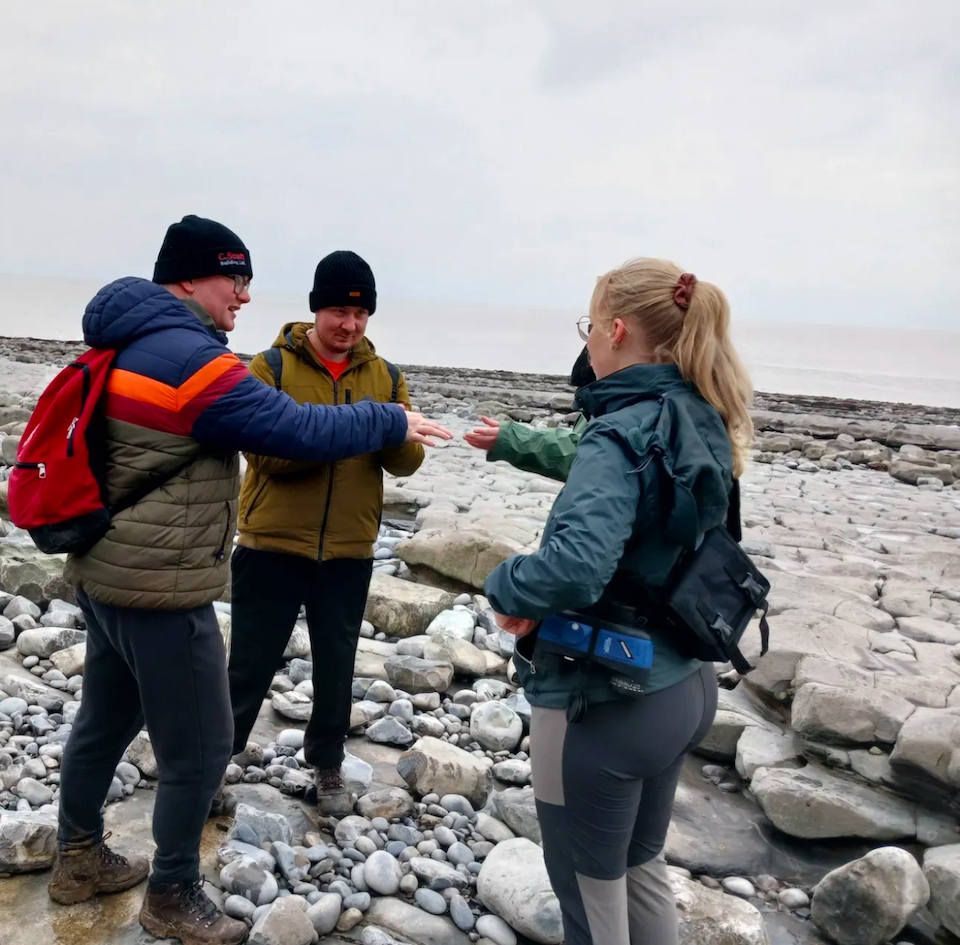
Molly working with the group in Porthkerry.
Molly is also developing signs that will cover: the range of species, the nature-based projects and the organisations that support nature, community and economy along the Vale of Glamorgan Coast.
2. Place
Another project is to improve mobile signal in the Vale so that when people are in nature, they feel safe. By removing this barrier to access, it helps the environment whilst benefitting the community and the local economy.
The project will also enable greater access to trail maps to encourage greater exploration and enable records of fauna and flora to be saved on trails contributing to limited datasets.
3. Partnership
Molly coordinates a steering group partnership involving Seven Estuaries Partnership, Wildlife Trust South and West Wales, The Nature Partnership and the Vale of Glamorgan Council. She also partnered with a litter project in Somerset, where children obtain certificates for litter picking. Molly decided to bring this initiative to the Vale, collaborating with Keep Wales Tidy to utilise resources.
“I thought that’s a great project; we don’t have that here and there’s not enough kids getting involved, so I’ve joined these two groups together.”
4. Preservation
Molly coordinates a project which aims to designate sites of importance for nature conservation and coastal marine areas, several coastal areas have been recommended. Noticing a gap in the Vale for representation of coastal and marine sites, Molly provided feedback on the Vale’s Local Nature Recovery Plan and other consultations. Forward thinking Molly has written grant applications and recommendation for future projects beneficial to people and place.
Molly remains optimistic about the future of the Vale of Glamorgan, “hopefully the work will have legacy, the forum will continue without me, they will decide what they want to do and make change.”
She demonstrates here the importance of making connections in conservation, even if she is not able to continue her work due to funding, the connections she has made with people and place will encourage the work to continue.
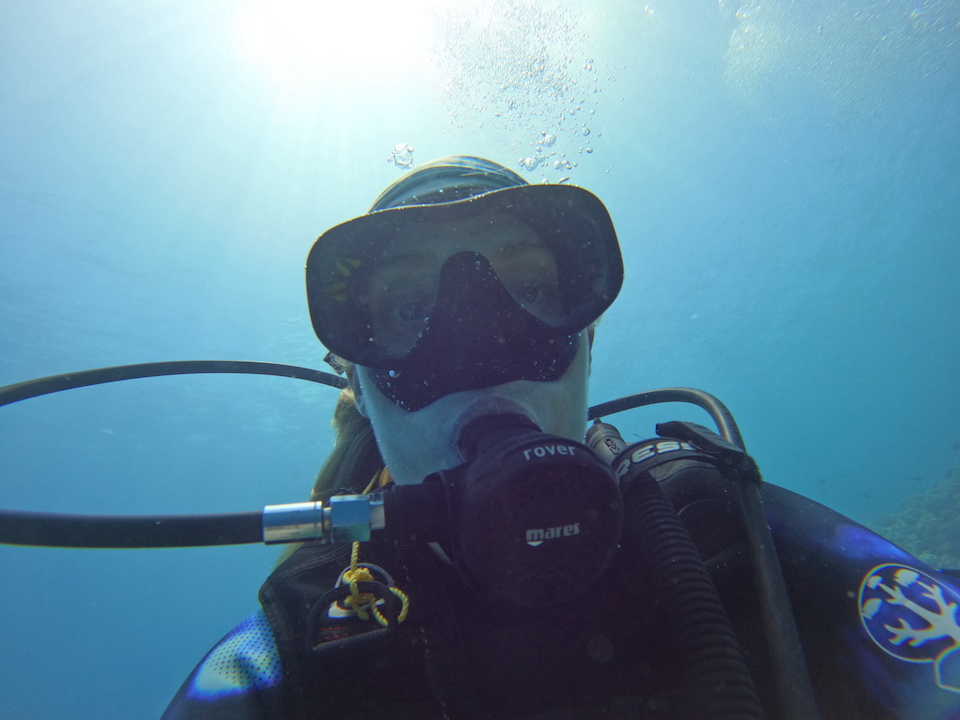
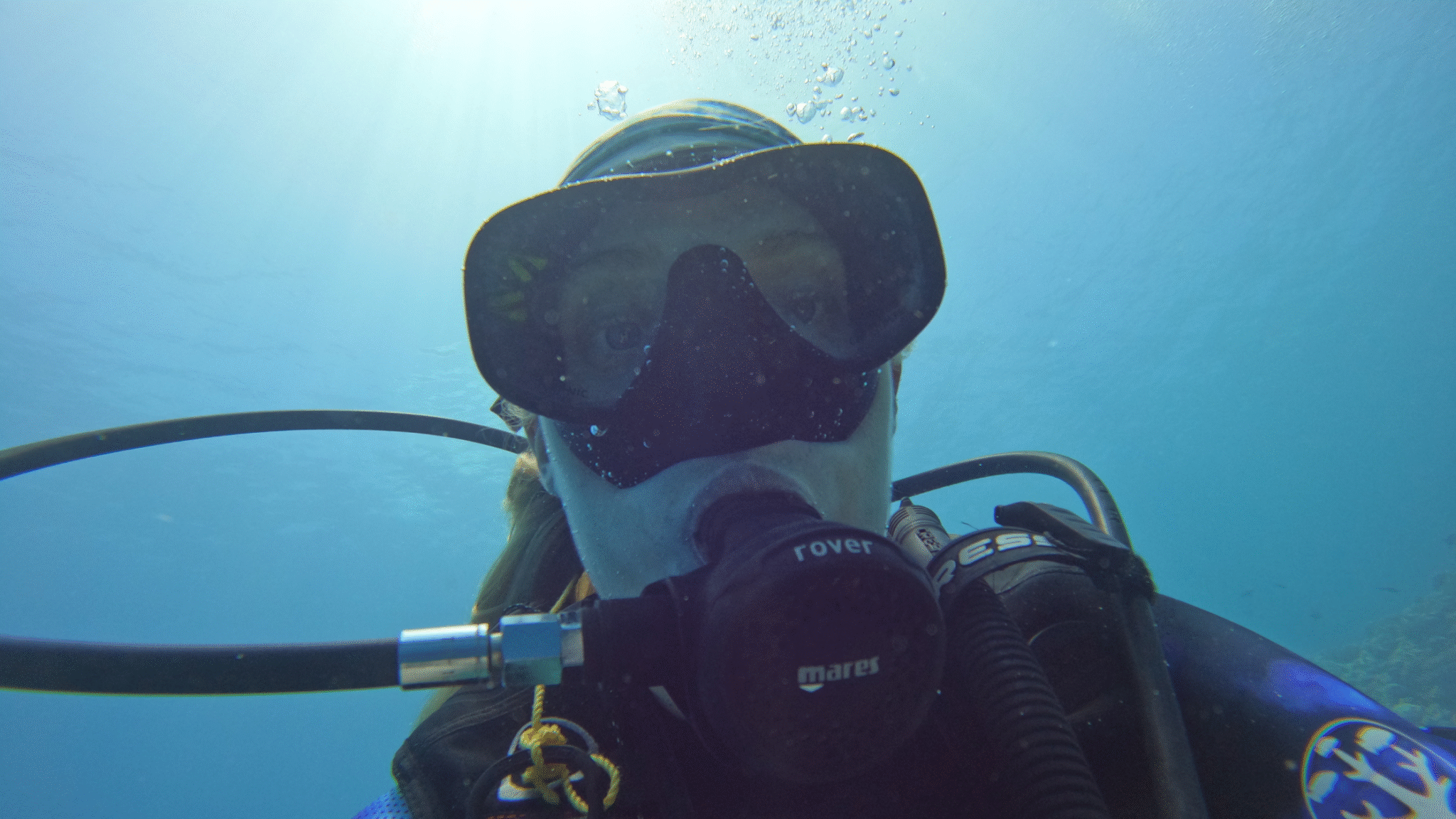
Molly underwater looking at the camera.
During her time at the Vale of Glamorgan, Molly has attended the Welsh Government Coast and Seas Partnership (CASP) meetings providing local context about how the funding is being utilised. She gained confidence to speak up about topics that she saw as being overlooked or not known about.
Creating contacts within government, Molly shared her experiences working with the forum and the associated projects. Due to these discussion the CASP are now exploring other ways of strengthening this work and the work of the Y Mor a Ni.
Molly’s story is an example of how important it is in conservation to form connections with both local communities, the economy and nature. Her important work with the Vale Coastal Forum stresses the urgency in creating spaces where people can work together to achieve more with the resources they have.
If you are interested in Molly’s work as a Coastal Project Development Officer at the Vale of Glamorgan Council you can keep up to date with her work via Linkedin.
To learn about Molly’s ambition to make conservation a more inclusive place that not only welcomes but celebrates different paths into the sector, check out Building inclusive conservation from the coast up.
And if you are interested in becoming a conservationist in your local area, check out the role profile of a Conservation Project Manager.
Author Profile | Laura Hayter
 Laura is a creative professional with a Master’s in Marine Systems and Policies, she is driven to combine her passion for writing with ocean conservation. Her focus lies in understanding human relationships with natural environments. As a Sustainability Officer for her local council, Laura applies her expertise daily while pursuing creative writing in her free time. Explore Laura’s portfolio or connect with her on LinkedIn to learn more about her work in marine science and sustainability.