Rooted in conservation: A forester’s journey through Zimbabwe’s wild landscapes
If you want to understand Talkmore Mangunda, start with the forest.
For over thirty years, his life has been rooted in forest soil, the air filled with the coughing of samango monkeys and the rhythmic click and buzz of cicadas. “I love the sound of the woodpecker – hollow, rhythmic and at times haunting”, he says. “The mating baboons disturb the peace of this forest therapy though – they are noisy with lots of fighting!”
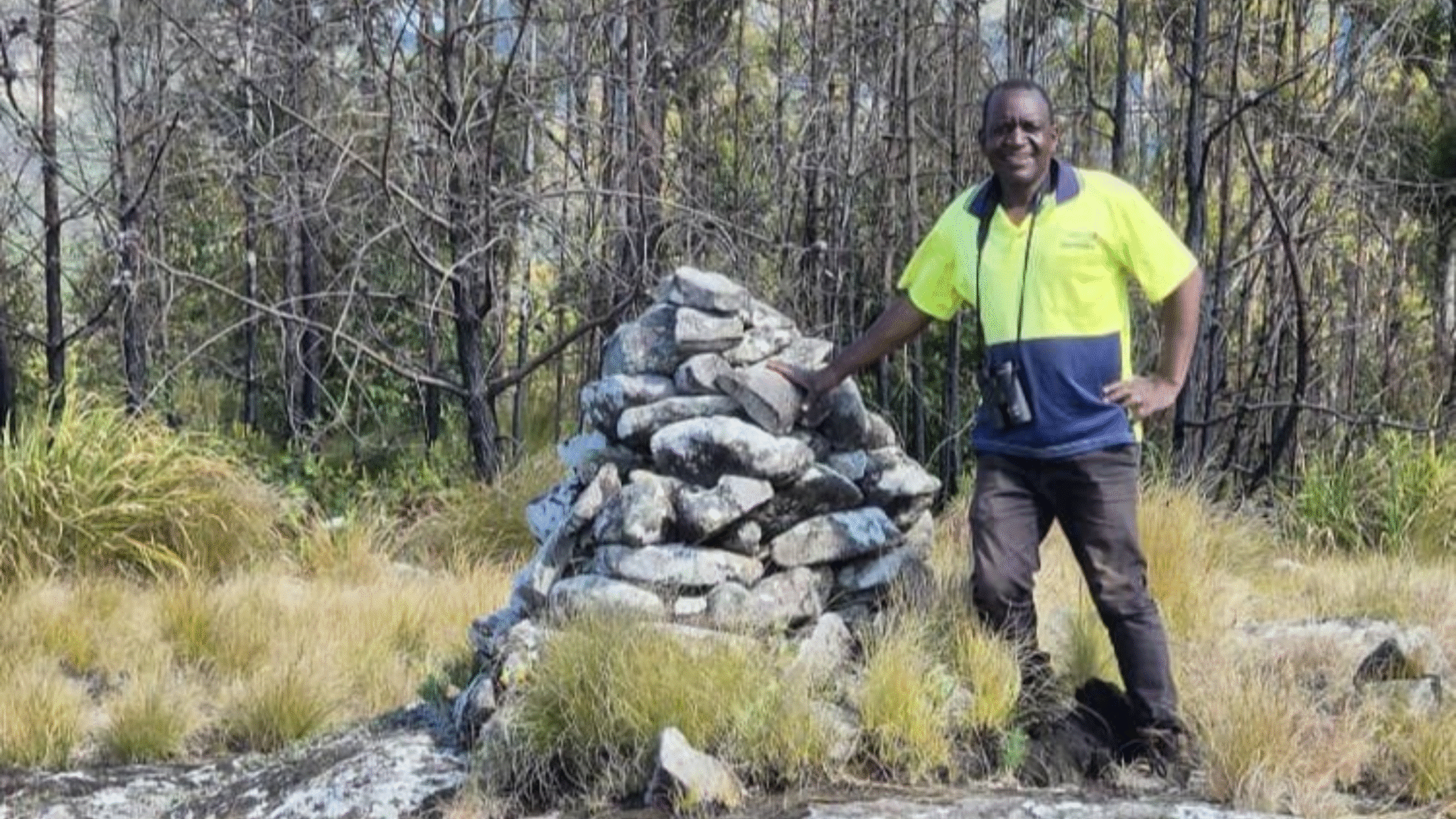
Talkmore is a forester in Nyanga National Park in Zimbabwe’s Eastern Highlands – 47,000 hectares of rolling hills, granite rocks, steep gorges and wide valleys. It is a place of mysticism, overshadowed by Mount Nyangani, the highest mountain in Zimbabwe at 8,504 feet.
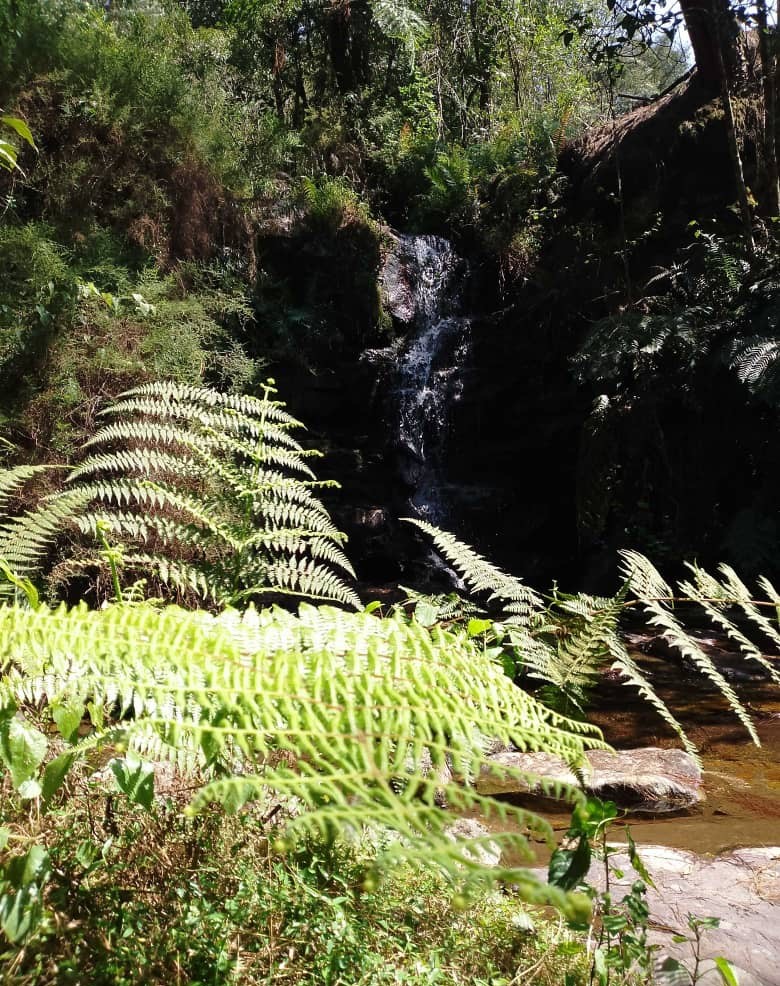
Close to the border with Mozambique, the area is a seasonal haven for migratory birds with over 300 species recorded, such as the Blue Swallow and the African Marsh Harrier. It’s a place of cool valleys, streams and green hills smothered in pine, wattle, flat-top acacia and dwarf msasa trees. You can certainly understand why a forester would be drawn here and how Talkmore’s deep passion for the environment is inspired and maintained.
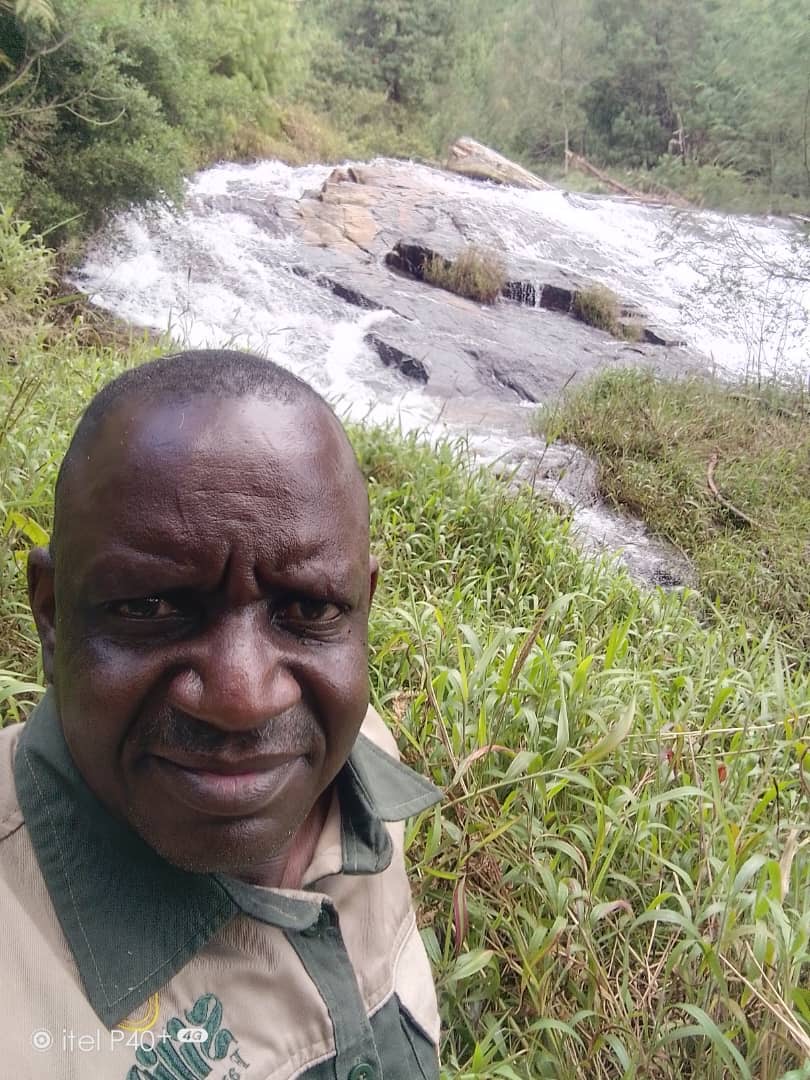
“I’m passionate about sustainable forestry practices. Environmental management plays a vital role in forestry,” says Talkmore. “Yes, we’re conserving trees, but forests do much more than that – for example they’re guardians of the water as they play a key role in the water cycle. Many sit on critical water sources, so by protecting the forest, we’re also protecting the water supply.”
The wetlands of Zimbabwe are a key breeding habitat for thousands of migratory birds. During the dry season, many people are drawn to these areas to graze cattle or grow yams and maize.
“So, there is a bit of a conflict there”, says Talkmore. “We need to minimise damage to wetlands by educating people on how important they are for wildlife. This is an example of how vast forestry is as a career and how you can play such a key role in conservation and education.”
Credit: Talkmore Mangunda.
The forest chose me
“I was born under a tree, Albizia gummiferra (also known as the Peacock Flower), went to school under trees, worked under trees. I was born to be a forester for life. I finished high school at 19, worked part-time in retail, and by 21 was studying at the College of Forestry in Zimbabwe. It was the best time of my life.
“From planting to felling, marketing to sales – I’ve seen every part of forestry. My time managing a timber hardware business in Victoria Falls changed me; it sparked a deep interest in conservation and tourism. The guided walks and eco-tours there showed me the many distinct parts of forestry – from fieldwork to end-user experience.
“Today, my role covers silviculture (the science and practice of growing and managing forest stands), timber harvesting, sawmilling (cutting logs), forest protection, and ensuring our estate forestry operations meet both industry benchmarks and Forest Stewardship Council standards.
“As well as growing trees for commercial use, my role involves protecting areas of the forest where indigenous (native) species grow – taking out non-native trees for example, so that they don’t overwhelm and overtake native species.
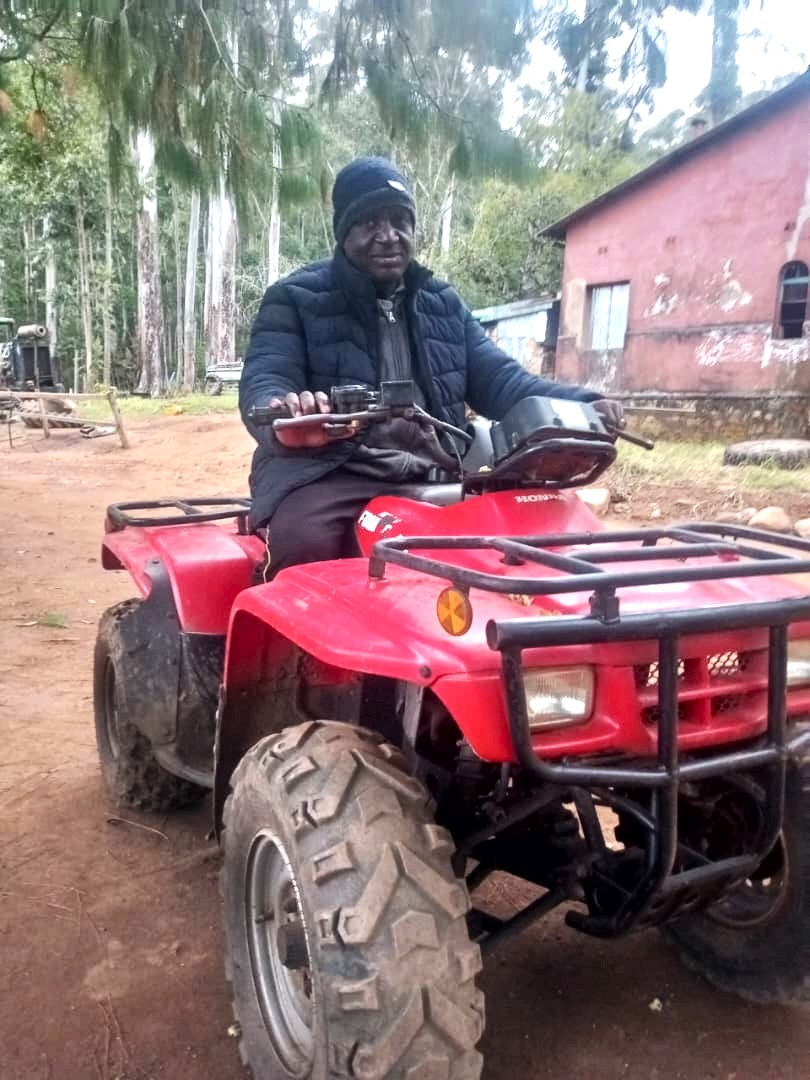
“At 58, I still travel an hour and a half to stay five days in the forest. I’m deeply rooted in this work – it’s not just a career; it’s a way of life. The forest becomes part of you. While visitors come for recreation, I stay because I belong there. Being surrounded by trees, mountains, and wild air is the best part of what I do.”
Credit: Talkmore Mangunda.
The sweat of stewardship
Whether it’s dry or wet season, forest work is demanding and can be exhausting. Fire is one of the most serious threats to forest ecosystems, and the Zimbabwe fire season stretches from May to October.
“During peak periods, controlling blazes means working around the clock – 24 to 36 hours straight in some cases. While fires in Zimbabwe aren’t on the scale of those in California, USA, they peak during drought, which occurs roughly every seven years due to climate cycles known as El Niño and La Niña.”
El Niño occurs when the surface water in the Pacific near the equator becomes warmer than average and east winds are weaker than normal. La Nina is the opposite, occurring when the water is cooler than normal and the east winds are stronger.
“El Niño, originating in the Southern Pacific, often signals drought conditions, and in those years, as a forester, we barely sleep – fire becomes a constant worry. La Niña, on the other hand, brings floods and a prolonged rainy season, which severely disrupts timber harvesting. Bringing trucks in and out in waterlogged terrain, ensuring wildlife isn’t disturbed is tricky and tiring work.”
Bridging canopies and cultures
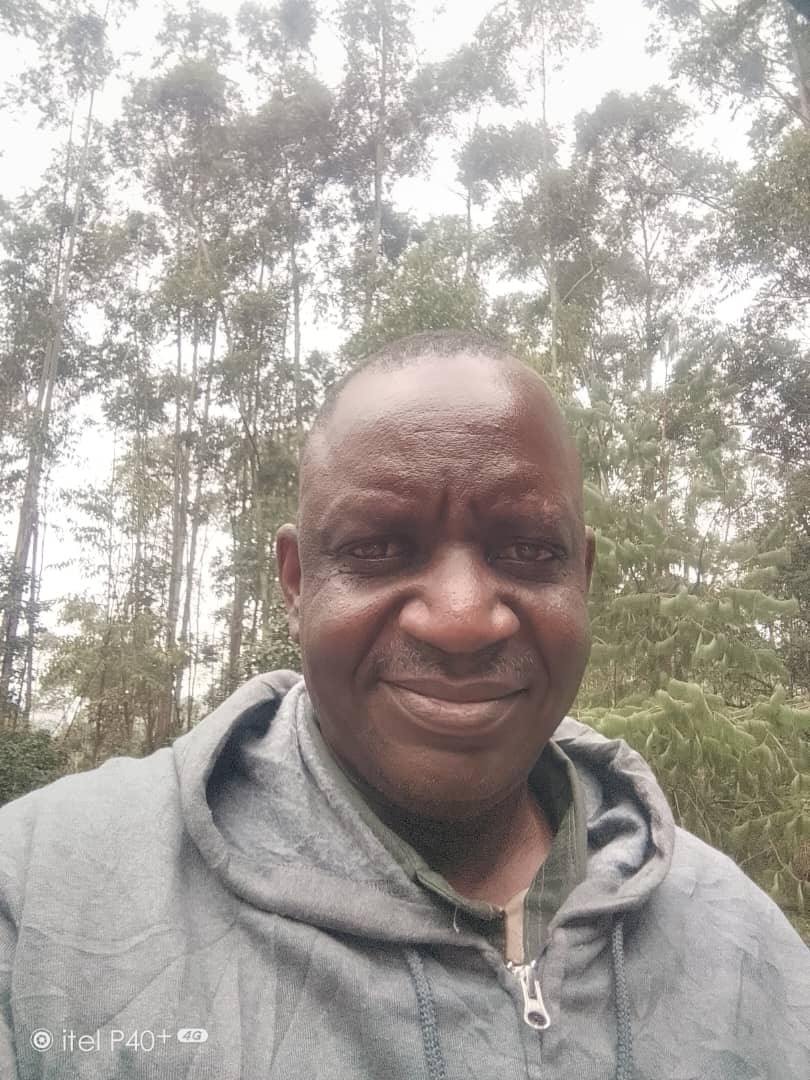
In addition to practical forestry skills, you need good communication skills and cultural sensitivity as a forester. Certain forest areas hold deep cultural and spiritual significance for Indigenous communities.
“Forest stewardship isn’t just about ecological management – it’s also about honouring Indigenous people, their traditions and the wildlife that belongs there: bush pigs, zebras, samango monkeys and even rainbow trout found in the rivers.”
“Occasionally, foresters face resistance from Indigenous communities who feel that forest management encroaches on traditional lands. While such conflicts are rare, their impact can be significant, requiring sensitivity and communication to resolve.
“On the edges of National Parks, wildlife often enters areas where people live, sparking tension. Villagers report crop destruction and risk of injury – particularly from elephants. Striking a balance between protecting wildlife and supporting local livelihoods is one of the biggest challenges.”
Credit: Talkmore Mangunda.
Seeds of wisdom, roots of change
In communities near Nyanga National Park, efforts are underway to build understanding. Around the campfire, conversations about tourism and its financial benefits – funding schools, hospitals and infrastructure – help shift perspectives.
“When people see the tangible benefits of wildlife to the area, they become more open to coexistence.” Education is a personal passion of Talkmore’s. “Reaching people early – especially schoolchildren – and women, who are central to agricultural life in conservation zones, is key. We promote practices like agroforestry, where trees and crops are grown together to support both the environment and livelihoods.
“We also teach critical legislation: the Forest Act to protect native forests, the Water Act, the Bees Act, and the Environmental Management Act. These laws aren’t just rules – they’re tools to empower farmers with knowledge, helping them protect the land while managing any conflicts that arise.”
Credit: Talkmore Mangunda.
Why forestry is worth every ache and every sunrise
“Forestry is a global career with opportunities in countries like Canada, the United States, UK, Australia, India and across the Amazon. The field is vast – spanning wildlife conservation, environmental protection and land management.
“It’s a discipline that requires diverse skills, including practical knowledge and creative problem-solving. Formal training, such as a degree in Wildlife and Forestry, offers a solid foundation, which I would highly recommend. I didn’t advance my diploma in forestry to a degree, masters and PhD, and it’s something I regret not doing when I was young. Gaining as much practical experience as you can is also key.
“Whether you pursue pure forestry or specialise in areas like ecotourism, there’s a pathway to suit different interests. I’ve received training in South Africa and worked across many sectors of forestry, and I can say this with certainty: it’s a beautiful career. One filled with purpose, connection to nature and the chance to make a lasting impact. I’ve loved it all the way through.”
Check out Talkmore’s LinkedIn profile. More information on forestry in Zimbabwe can found on the Forestry Commission Zimbabwe website.
Interested in a hands-on career like Talkmore’s? Check out our Conservation Land Manager role profile.
Author Profile | Julie Singleton
 Julie is a storyteller, fundraiser and lifelong wildlife enthusiast who’s turned passion into purpose. With a Masters in Creative Writing (Distinction) and current studies in Conservation Management, she blends communication with conservation – bringing nature’s narrative to life for diverse audiences.
Whether surveying raptors with the Hawk Conservancy, guiding visitors at the Chichester Peregrine Project or championing swifts as part of her local group, Julie thrives where communication meets ecology. A keen birder and devoted wildlife gardener, she finds magic in feathers, foliage and the power of community-driven change. Connect with Julie on LinkedIn.