Juliana Ferreira on Wildlife Trafficking, Power, and Building a Conservation Career Beyond the Lab
“Is it love to possess and restrict other beings?” The question comes from Juliana Ferreira, Executive Director of Freeland South America, and it is not rhetorical. It is an invitation to rethink how we relate to wildlife, consumption, and conservation itself.
“Demand is born from the desire to have, to own,” Juliana explains. “Since childhood, we’re taught to live in a consumer economy that tells us: I’m only happy, I only have value, based on what I have. So we grow up believing that if we want something, we must be able to possess it. But my question is: should we be able to possess the life of a wild animal?”
That question sits at the heart of Freeland’s work, and at the center of Juliana’s own career journey.
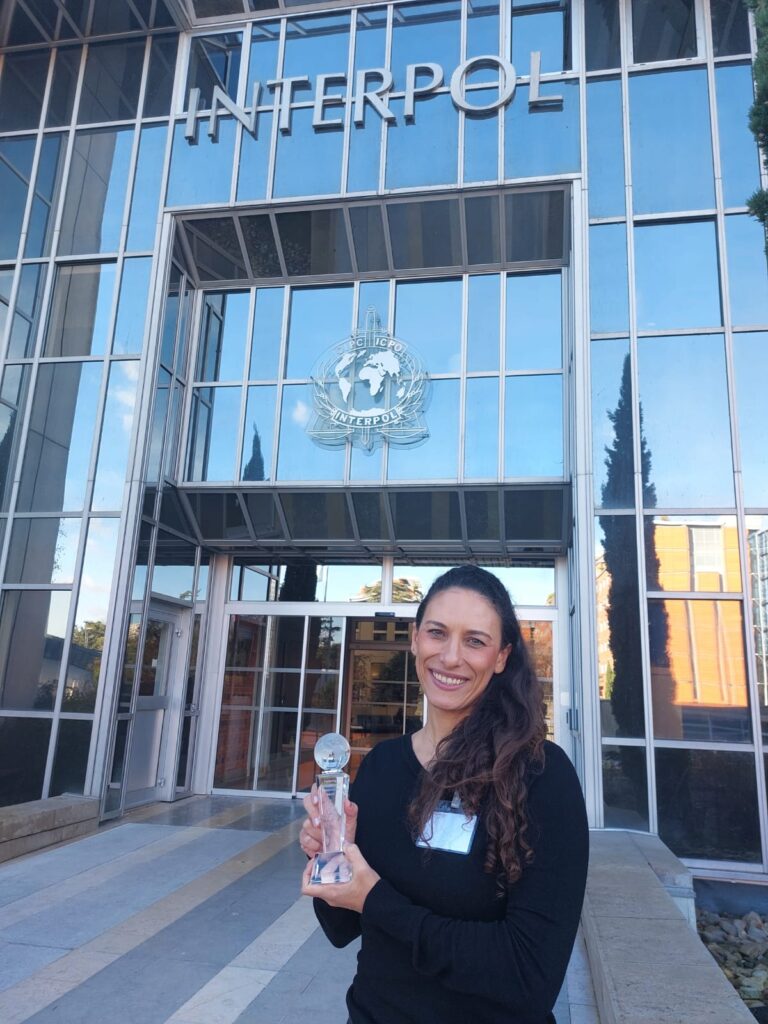
Juliana with her Interpol prize “Partnerships in Conservation Award” (2023)
Fighting Wildlife Trafficking on Three Fronts
Freeland is an international NGO dedicated to combating human and wildlife trafficking. In South America, its mission is clear: conserving biodiversity by dismantling wildlife trafficking networks. To reach this goal they operate on three interconnected fronts: prevention, institutional strengthening, and public policy.
For them, prevention begins early. The team works with schools, science fairs mentoring, teachers training, interviews, and opinion pieces publishing. All designed to spark curiosity, empathy, and critical thinking about humanity’s relationship with wildlife.
“When people truly understand the cost behind keeping a wild animal as a pet,” Juliana says, “demand starts to fall.”
But education alone is not enough. Much of Freeland’s most impactful work happens quietly. The organization trains enforcement teams, analyzes data, produces reports and manuals, builds investigative tools, and plays a crucial part connecting institutions that do not usually communicate with one another. Freeland runs the Wildlife Trafficking Observatory and frequently acts as a bridge between agencies across borders, ensuring that sensitive information reaches the appropriate authorities.
“It’s behind-the-scenes work,” Juliana explains, “but it prevents crimes, rescues animals, and saves time and resources.”
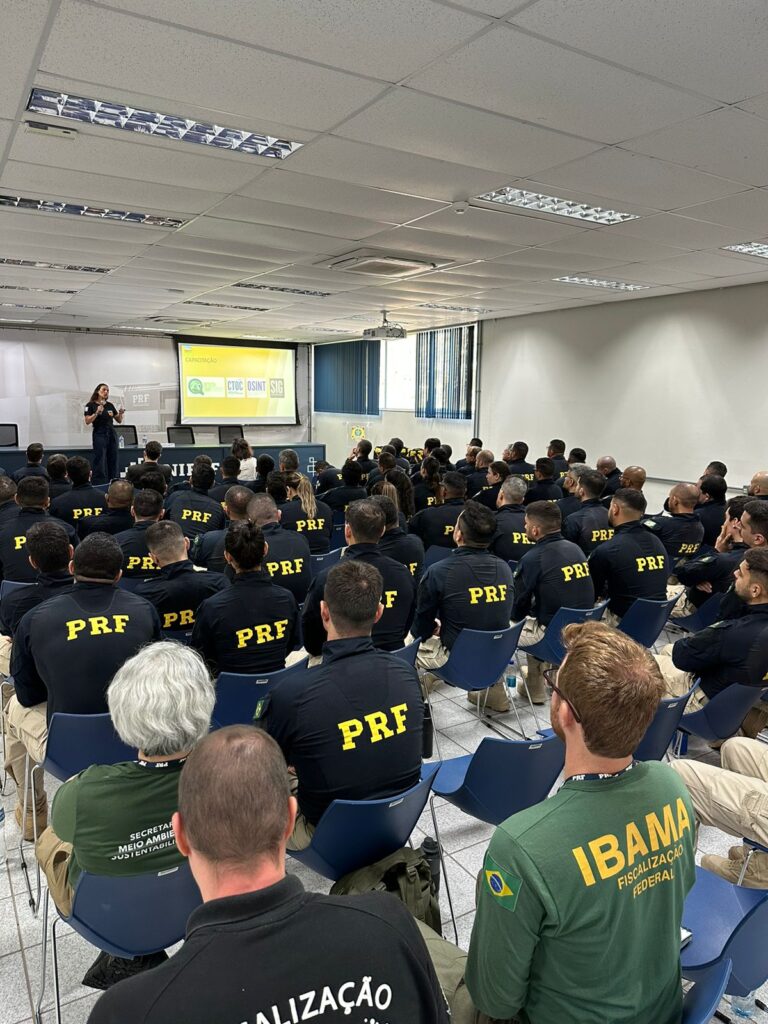
Freeland Brazil training Federal Highway Police (PRF) agents and IBAMA inspectors to strengthen environmental enforcement and combat wildlife trafficking.
Freeland also operates in a strictly non-partisan manner with federal and state legislatures, where policymakers often approach them with a deceptively simple question: What does this bill really mean? Some proposals that appear pro-conservation are, in reality, attempts to legalize hunting or weaken protections, hidden behind polished language. By clarifying these risks and being part of coalitions of NGOs and researchers, Freeland has already helped block several harmful initiatives.
“Technical professionals must engage in decision-making. Those decisions will be made anyway, if we don’t participate, someone else will.” she argues.
Internationally, the organization works to strengthen global frameworks as well. Despite CITES (Convention on International Trade in Endangered Species of Wild Fauna and Flora) already regulates international wildlife trade, it covers only a fraction of the species affected by trafficking. Many national laws, including Brazil’s, stop at their borders, creating loopholes that organized crime can exploit.
That is why Freeland, through the work of the Global Initiative to End Wildlife Crime (EWC, for which Freeland is part of the steering group), supports the global effort to include environmental crimes under the UN Convention against Transnational Organized Crime — a shift that could fundamentally change how wildlife trafficking is prosecuted worldwide. If adopted, any specimen taken illegally in its country of origin could be treated as illegal in every other country it passes through.
“Just imagine the revolution that would be,” Juliana says.
“Most People Don’t Have It All Figured Out”
Juliana’s path into conservation was anything but linear.
“Sometimes people who are just starting out think that those with well-established careers always had everything figured out,” she says. “Some do. But most don’t.”
What she did have early on was a deep love for nature. While her parents enjoyed the outdoors, Juliana immersed herself in it. Her childhood memories are filled with National Geographic images such as Dian Fossey with gorillas and Jacques Cousteau in the oceans.
As a teenager, another force emerged: a strong sense of justice. She gravitated toward history, democracy, law, and international relations, but ultimately chose biology, where these two passions began to intersect.
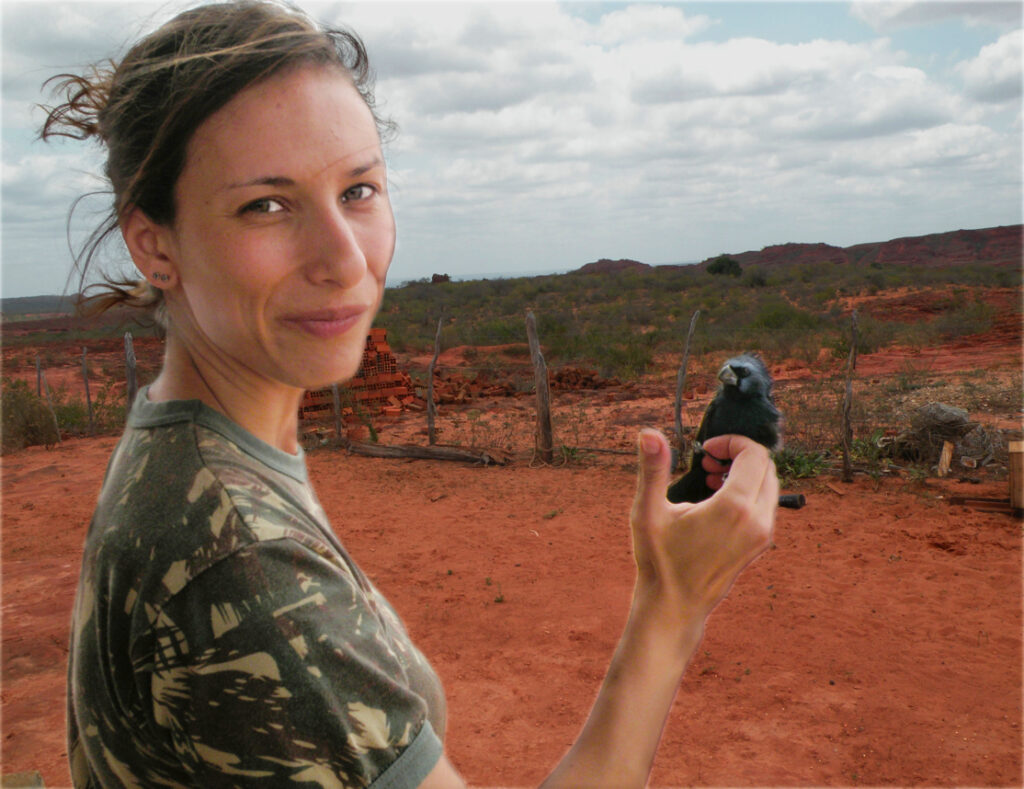
Juliana handling a bird during fieldwork.
From Genetics to “CSI for Wild Animals”
During her academic journey, Juliana explored multiple fields. Some confirmed what she didn’t want to do, while others revealed unexpected interests. Genetics was one of them.
“Only when I entered the field did I understand how powerful it could be for conservation,” she says.
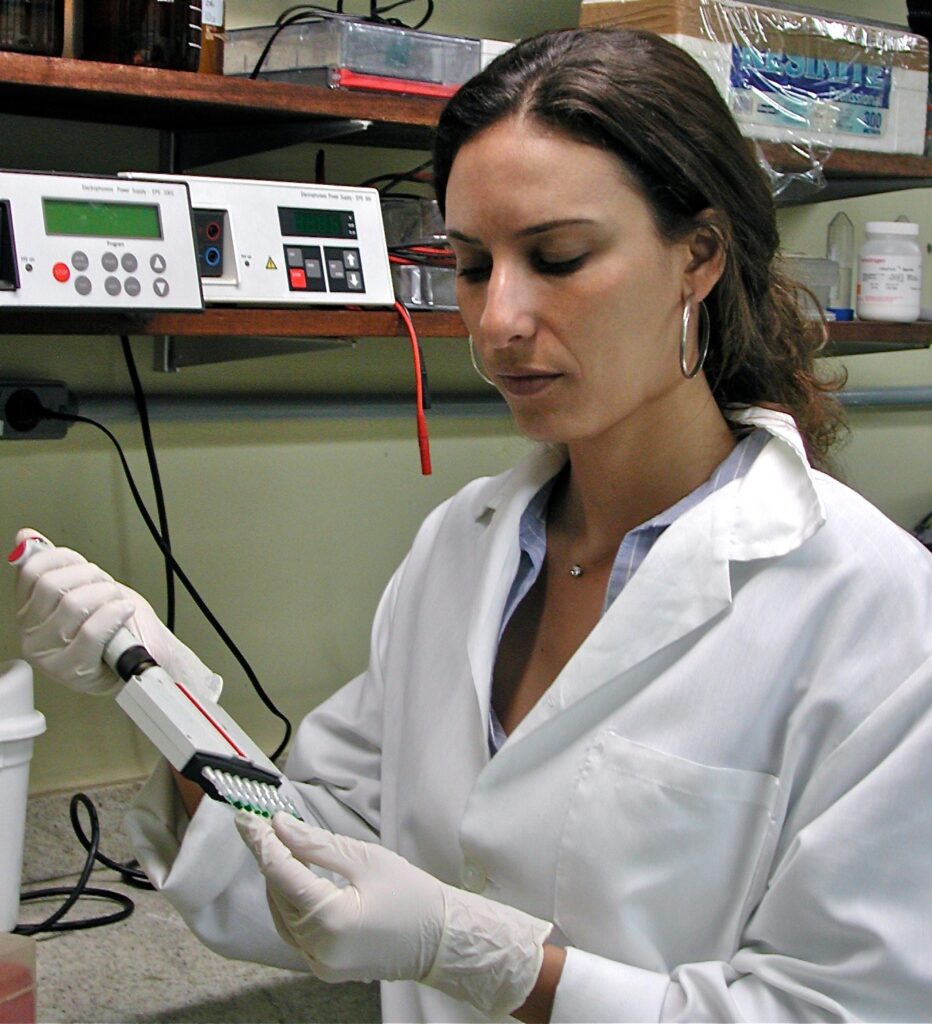
Juliana working in the laboratory during her academic training.
Her master’s research focused on subantarctic fur seals found along the Brazilian coast, using molecular tools to understand where they came from and why they were there. With her advisors, she proactively contacted leading researchers in the field and built collaborations — something she emphasises as a crucial career skill.
Later, she discovered a wildlife forensic laboratory run by the U.S. federal government. For which she applied for an internship three times, and three times she got rejected. On her fourth attempt, persistence finally paid off and the acceptance came.
“There were five divisions: genetics, pathology, chemistry, morphology, and criminalistic,” she recalls. “It was like CSI for wild animals.”
There, she learned how international wildlife trafficking works in practice: analysing samples from countries that are signatories to CITES, tracing origins, identifying species, and supporting criminal investigations.
“It combined science with justice. I was hooked.”
Choosing Impact Beyond the Bench
After returning to Brazil, Juliana worked with SOS Fauna, learning about domestic wildlife trafficking. Her PhD focused explicitly on wildlife crime, analysing passerine birds exploited by traffickers. Her work gained international attention, opening doors abroad.
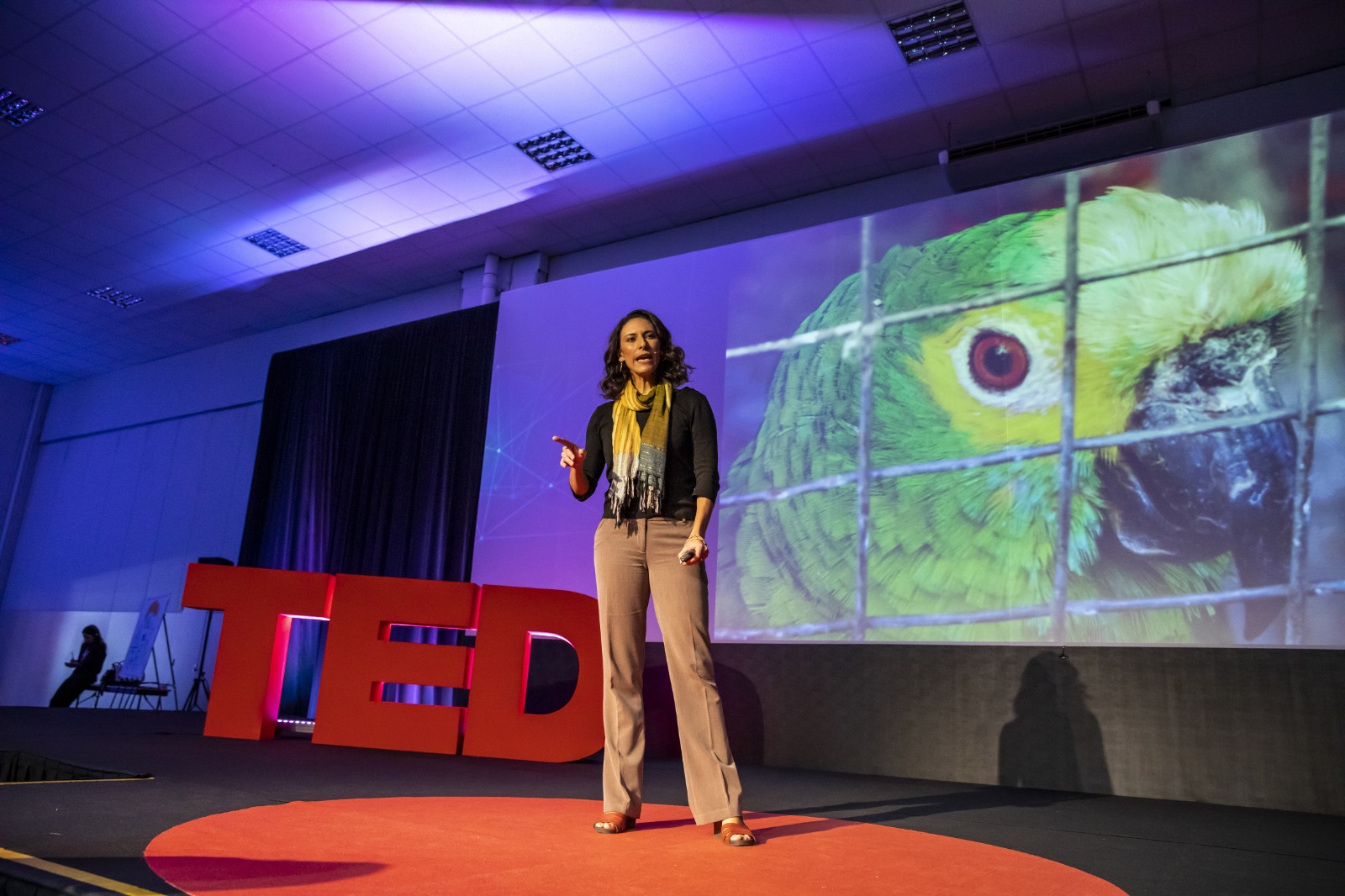
She later became a TED Fellow, an experience that reshaped her perspective.
“I realised you can be a researcher at the bench — which is wonderful. Or you can work in management, policy, and decision-making, influencing systems. For me, that made a lot of sense.”
Around the same time, a colleague in the United States asked her a simple question:
“Do you know Freeland’s work?”
Building Freeland Brazil from the Ground Up
Freeland didn’t plan to open an office in Brazil, Juliana did.
Together with colleagues who had strong local knowledge, she proposed creating a Brazilian branch. Freeland agreed, but there was no funding for the beginning. The Brazilian team accepted on the condition that decisions would be made locally. It worked! Freeland Brazil grew and is now the regional office for South America.
At the same time, Juliana got married and became pregnant, making the balance between personal life and professional ambition suddenly more complicated. When preparing her first project budget, she overlooked her own salary.
“University never taught me how to budget my own work,” she says.
Therefore, in the beginning, she – and her colleagues – worked unpaid at Freeland, cared for her daughter without a nanny, and did technical consulting at night to support herself.
“We need to learn that we deserve to be paid — and paid well,” she says. “We can’t live only for the mission. Conservation is technical, impactful work, and it has value.”
She also speaks openly about gender barriers. She faced more resistance in academia, including from other women, than in law enforcement or anti-trafficking work. In legislative spaces, she has been ignored, interrupted, or addressed informally while male colleagues were called “Doctor”, although she was one of the few people there with an actual doctorate degree.
“Look, we women have to help each other, not compete,” she says.
Conservation Without Holding the Animal
Today, Freeland Brazil has eight staff members. The biggest challenges ahead? Demand driven by social media, weak penalties, poor traceability, and a legal system where illegality often overshadows legality.
Juliana no longer works in a laboratory. Her daughter once asked, “Mom, how do you save animals if you’re always on the computer?” She smiles at the memory. “Sometimes I miss working directly with animals,” she admits, “but the impact of my current work is enormous.”
It’s conservation without handling, but also a reminder that saving wildlife often means changing systems, not just saving individuals.
Author Profile | Mayan Press Goldfreind
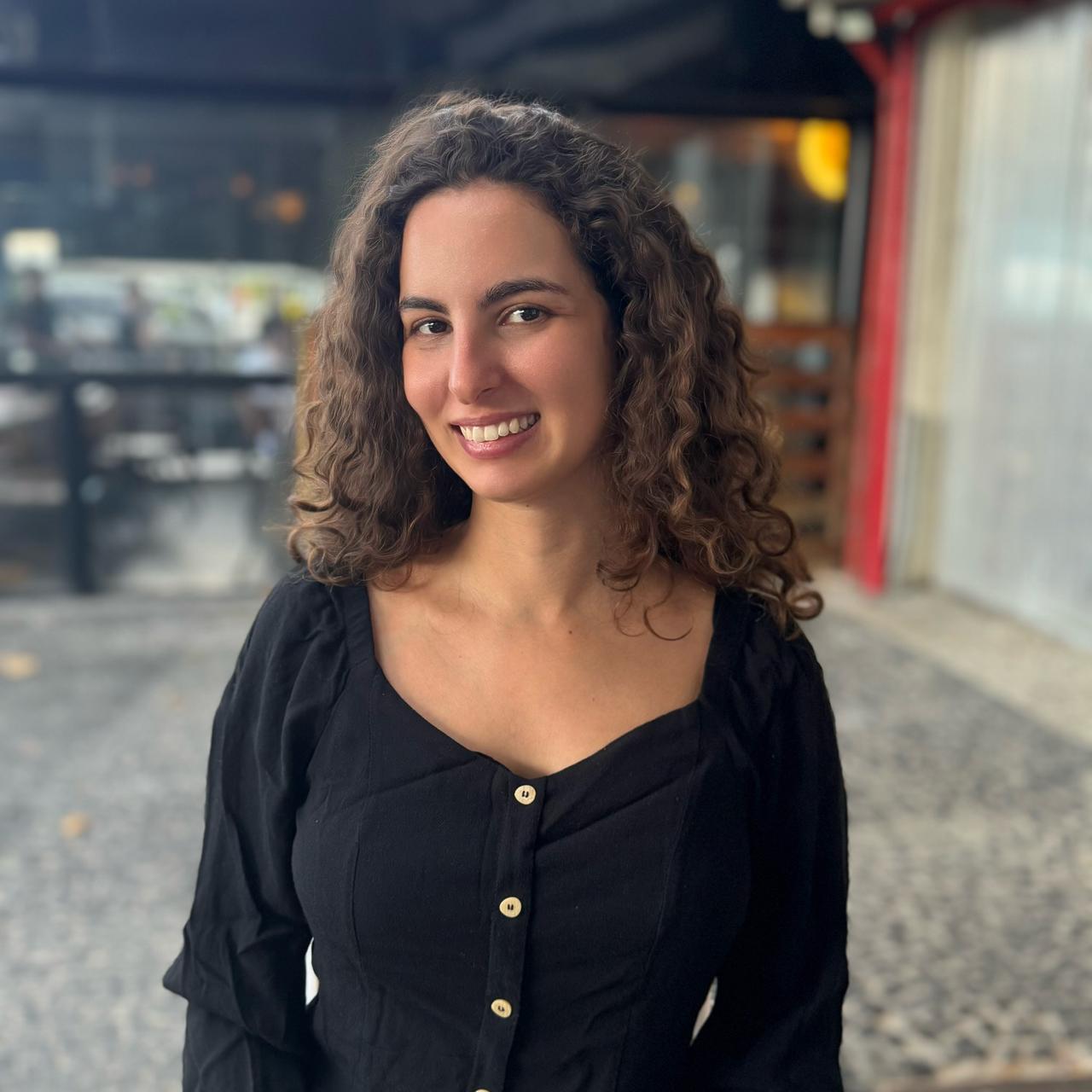 Mayan Press Goldfreind is a veterinarian, with a focus on wildlife conservation and One Health. She is specialised in Health Surveillance by the Oswaldo Cruz Foundation, where she carried out environmental surveillance projects for emerging pathogens. Currently, she is a PhD student at the University of São Paulo, Brazil, studying the impacts of climate change on biodiversity.