Saving Mexico’s Small Cats: Smart Conservation and the Surprising Role of Dogs
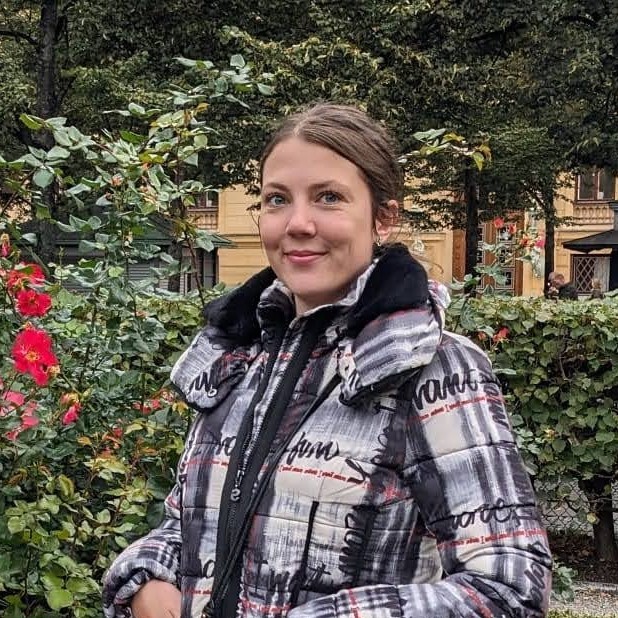
Mariam Weston is a small cat champion and conservationist from Mexico, who believes that protecting wildlife requires more than science and fieldwork-based skills. Successful conservation also depends on good leadership, project management, and emotional intelligence.
At a young age, she began to show an interest in the wildlife around her, one of the most biodiverse countries in the world, and decided she wanted to do something to protect it. Today, Mariam leads the Ocelot Working Group, dedicated to protecting the small cat species that call it home.
She also works as a programme officer for the IUCN Human-Wildlife Conflict & Coexistence Specialist Group, connecting experts across sectors to advance coexistence approaches. Mariam reveals the unexpected challenges and strategies that make her work unique, including the surprising role of dogs in protecting cats.
Small Cats: Overlooked but Vital
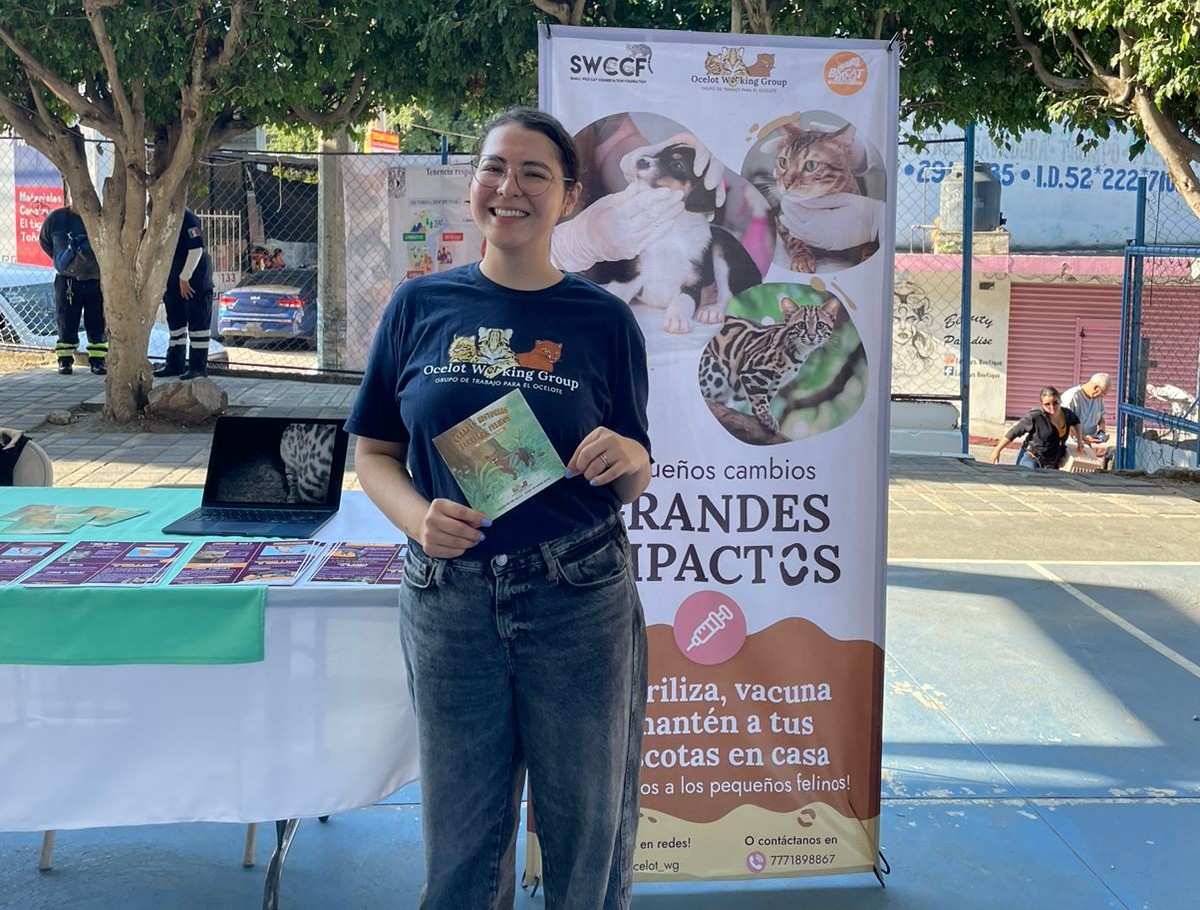
Mexico has six species of wild cats: jaguar, jaguarundi, puma, ocelot, bobcat, and margay. While she was ready to go to Africa to work with big cats, Mariam realised nobody was doing much for the fascinating small cats, especially in her home country. Worldwide, Mariam tells me, there are forty species of wild cats: seven are considered big cats, and the remaining thirty-three are small cats. Despite this, a 2014 study showed that 99% of funding went to big cats.
“Small cats look like domestic cats, so people don’t pay as much attention,” explains Mariam, “but they are wild predators with incredible adaptations.”
Not as “exciting” as big cats, small cats can be neglected when it comes to conservation. However, they play a vital role in their ecosystems and protecting them has a ripple effect on other species. “By addressing threats to the small cats, we also benefit other wildlife and ecosystems,” explains Mariam.
The Hidden Threat: Dogs and Human Behaviour
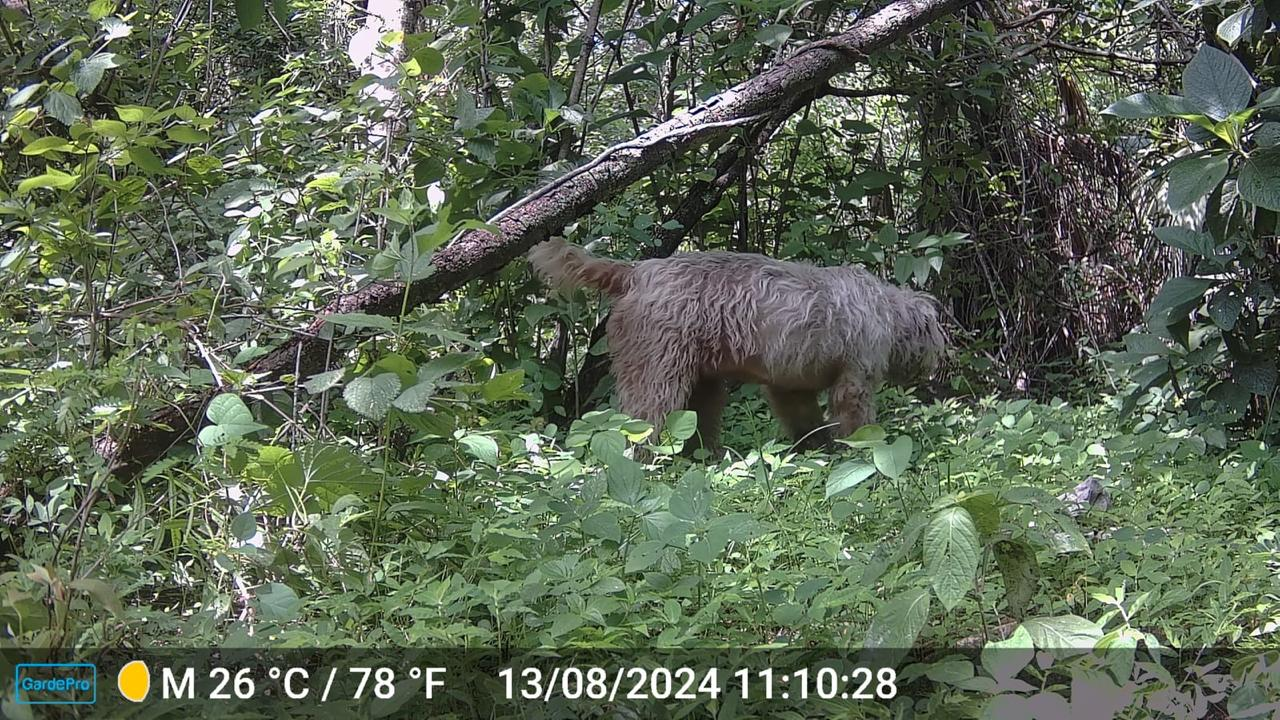
One of the major threats to small cats is free-roaming dogs, and in Mexico, there are an estimated twenty-six million stray or free-ranging dogs. These dogs can access protected areas, prey on native species, compete for resources, and transmit disease. “We focus a lot on behaviour-change campaigns because simply vaccinating dogs or running neutering campaigns isn’t enough,” explains Mariam.
The goal for Mariam and her team is to shift mindsets, help people think before bringing in a new dog, ensuring proper care and minimising risks to wildlife. “At the end of the day, the problem for wildlife isn’t the dogs themselves, it’s humans bringing dogs into these areas without understanding the responsibility that comes with having pets.” Dogs are a bigger problem for biodiversity than people realise, but they are emotionally challenging to address because the public loves them. However, managing dogs responsibly improves the welfare of the dogs as well as the cats, and other wildlife.
“At first, when we say behaviour change, people assume we’re talking about training dogs, but really, it’s about training humans.”
From Science to Strategy
Mariam immersed herself in conservation from a young age, working with well-established local NGOs and by the time she was twenty, she was fully involved in conservation projects. “I would go on field projects to learn from them, understand how we could support their work, and pitch my own ideas.”
She received a scholarship to study sustainable development engineering and credits her engineering background in supporting her conservation work, explaining that engineers think practically, analysing how the world works, and using that information to create something impactful. “The output isn’t just a paper; it’s something practical, something that makes a difference on the ground.”
This mindset helped Mariam when working with large organisations, as they appreciated her different perspective and practical approach. “I found ways to connect with the right stakeholders, secure support, apply for grants, and even run conservation crowdfunding campaigns.” Mariam was part of an early wave of people thinking differently.
“My practical approach, thinking about funding, stakeholders, and logistics, helped me gain respect and get things done more quickly and efficiently.”
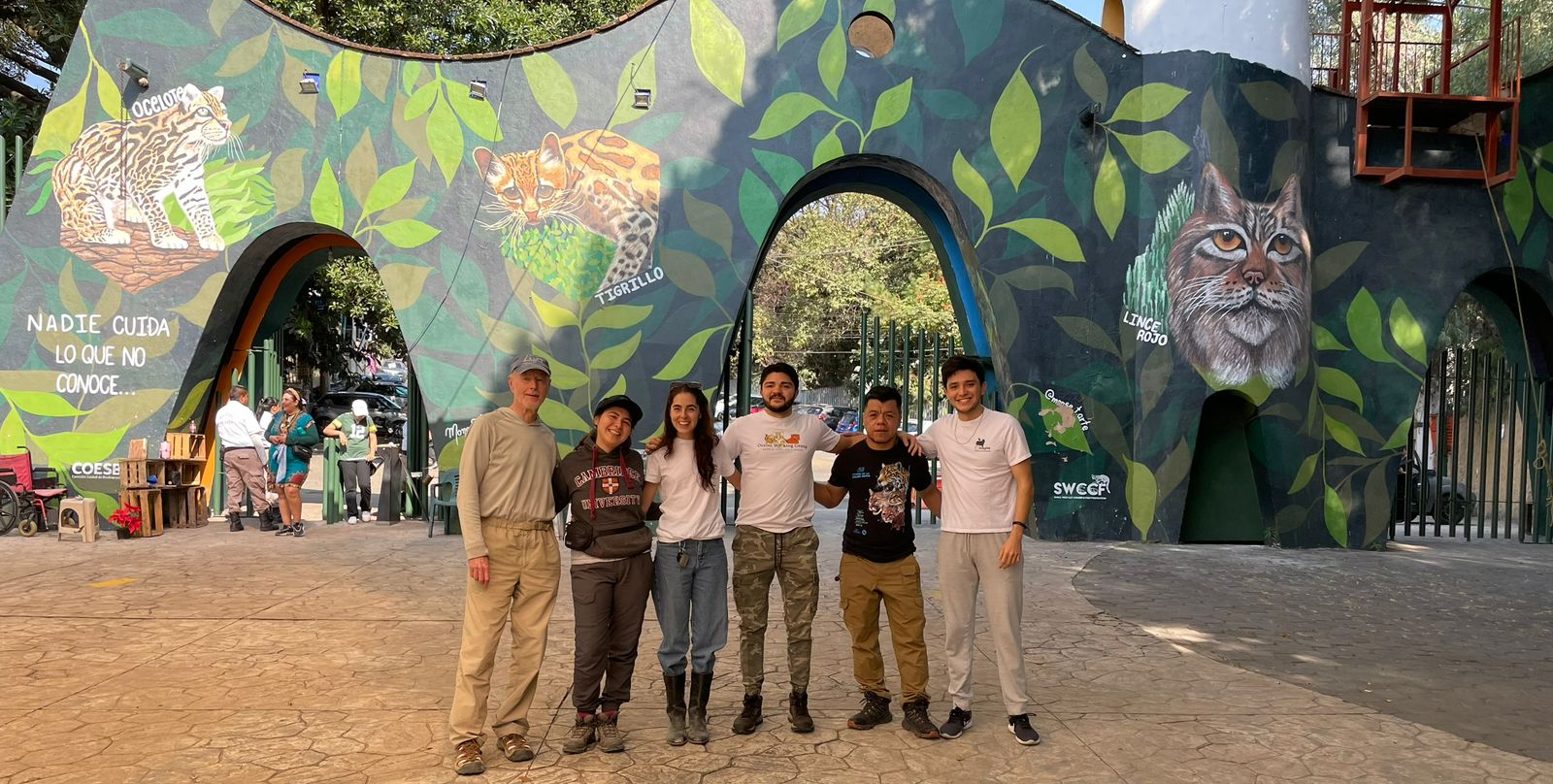
One thing Mariam learned early on is that leadership skills are critical in this field. “I see myself like Nick Fury,” she jokes, referring to the Marvel character who is a master spy and strategist. “If you can identify and appreciate everyone’s unique skills and talents and bring them together to collaborate, like Nick Fury assembling a team in The Avengers, you can make teamwork make the dream work.”
A pivotal point in Mariam’s career was taking a training course on conservation leadership, where she learned about theory of change, stakeholder analysis, and practical conservation planning. “This workshop was my first exposure to conservation planning in depth, and it really changed my life.”
From this, Mariam learned that most conservation at the time was missing practical planning. During her time as a grants officer at the Rufford Foundation, she observed that many early-career conservationists had promising scientific ideas but needed more support in translating them into tangible conservation outcomes.
“When people talk about conservation, there’s little discussion about developing leadership skills, managing stakeholders, or thinking about project sustainability,” says Mariam.
Thinking Like a Business
One of the biggest discoveries in Mariam’s career has been the potential of social marketing. “Social marketing is about influencing people’s behaviour through campaigns that inspire positive action,” she explains. While these strategies are widely used by large corporations and businesses to shape consumer behaviour, Mariam believes they can be adapted to achieve social and environmental goals.
“One thing we often overlook in conservation is that we don’t have to reinvent the wheel. Conservation is a social science, so we should be using tools that have already proven effective in changing human behaviour.”
For Mariam, social marketing is one of those powerful tools. She believes conservationists often have a limited view of the approaches available to them, missing opportunities to learn from disciplines such as marketing, psychology, and behavioural science.
“These shouldn’t be strategies reserved for large corporations. They are tools that anyone can learn and apply to conservation projects to create benefits for both society and the environment.”
Mariam hopes that more conservation practitioners will embrace social marketing and other social science approaches, recognising that lasting conservation success depends not only on protecting wildlife, but also on understanding and influencing human behaviour.
Small Actions, Big Impact
When recalling a meaningful moment in her career, Mariam’s mind goes to the time she and her team were installing an electric fence for a farmer’s livestock to protect them from wild animals. When chatting with the farmer’s wife, Mariam learned she didn’t have light at night, leaving her feeling scared.
The team decided to take action and installed lights in the home so the family and the livestock could now both feel safe. “It was incredible because this was something we could solve in just five minutes, yet it had such a profound impact on her life.” The experience emphasises how interconnected human and wildlife wellbeing can be.
“Small interventions can have huge impacts, and conservation often provides one of the highest returns on investment in terms of human and ecological benefit.”
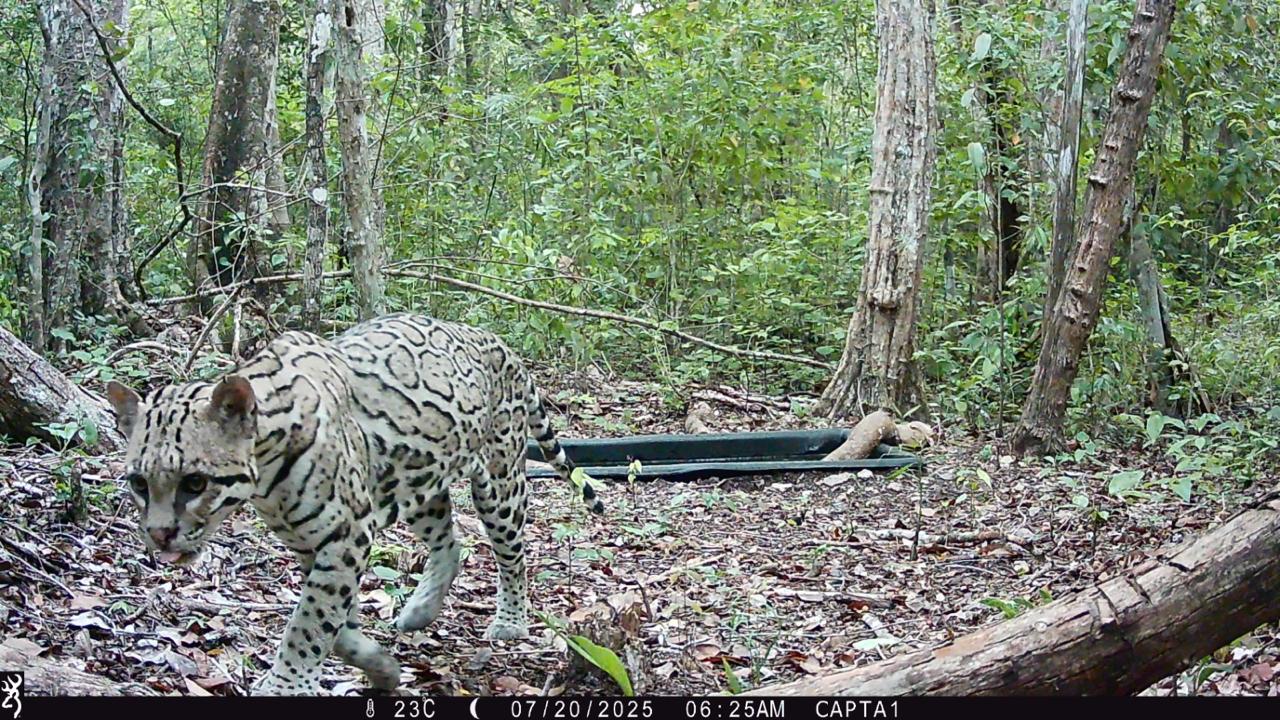
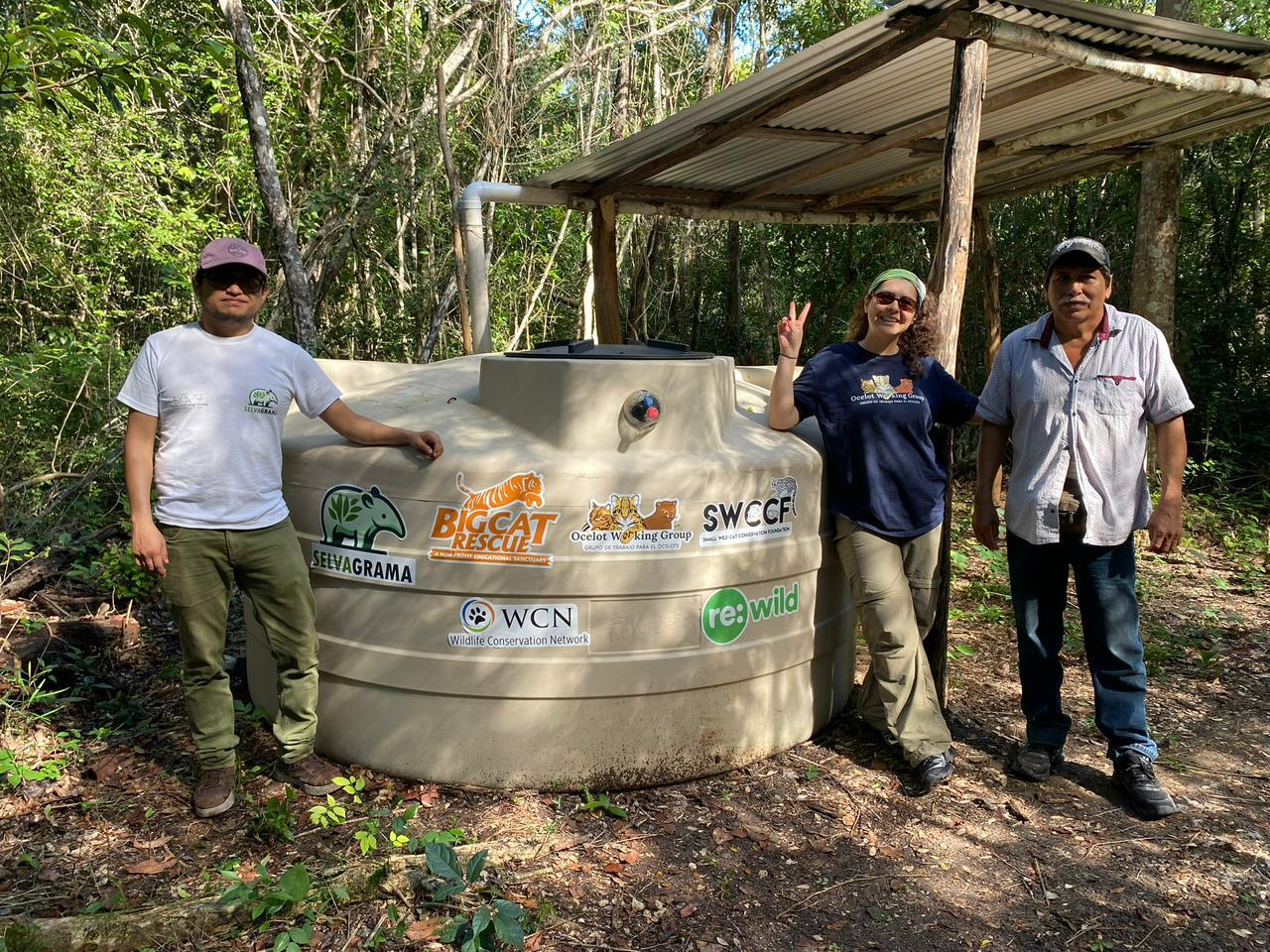
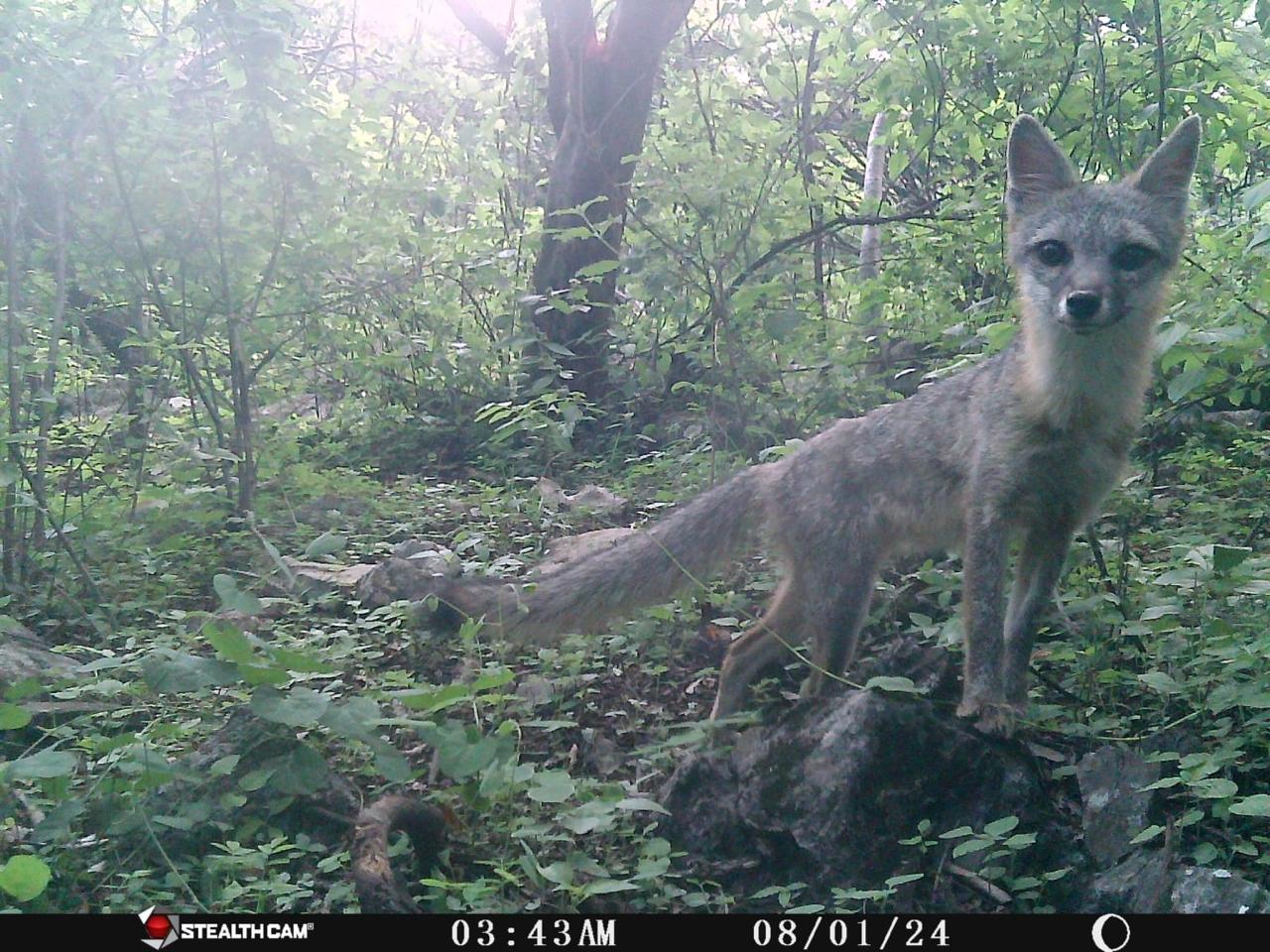
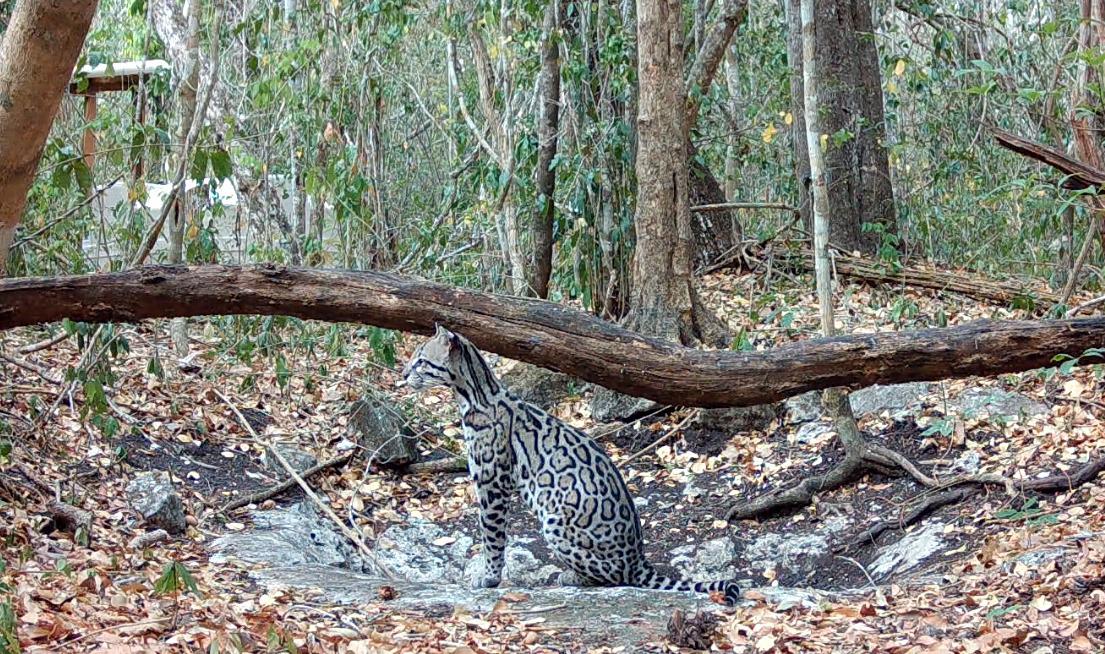
Another moment in Mariam’s career that ignites a lot of pride involves working with the local community in Morelos, Mexico to look for evidence of wildcats. After years without seeing any, Mariam describes finally seeing one making a re-appearance on one of their hidden cameras. “Seeing the results after putting so much effort into the project was extremely rewarding,” says Mariam, “it proved that involving local communities and getting the right people engaged works.”
What It Takes to Be a Conservationist
Conservation isn’t just about animals; it’s about understanding people, connecting with them, and recognising their circumstances. Mariam believes emotional intelligence and empathy are essential skills for conservationists. “You need to put yourself in other people’s shoes, understand their perspectives,” she advises.
Conservation can be demanding and frustrating, recognising this, Mariam believes self-care is also an important skill to have, if not an overlooked one. During such stressful times, persistence and resilience are also key to managing mental health and staying motivated.
For Mariam, effective conservation combines strategy, empathy, and practical problem-solving. Whether protecting small cats in the field or working with governments to promote human-wildlife coexistence, she applies entrepreneurial thinking and an understanding of human behaviour to transform ideas into real-world impact. Mariam proves that careful planning, innovation, and empathy are as vital as passion is, in achieving lasting results for both people and wildlife.
Author profile | Emily Pickett
 Emily is a marketing graduate and a conservation volunteer with a lifelong passion for wildlife and the natural world. After working on a nature reserve and in environmental education, she now combines her love of conservation and writing to inspire others to connect with nature and take action to protect it.