Staying informed without losing yourself: A guide to mindful media consumption

Anyone else feeling overwhelmed by current events?
Gone are the days when the weather was small talk, and reading the newspaper over coffee felt like a gentle start to the day. Many of us feel a commitment to staying informed – even when the news feels increasingly scary, polarised and negative.
But, where is the line between staying informed and engaged, and spinning out endlessly over problems that we have little control over?
With smartphones, information seeps into our days in ways that can feel intrusive. From newsletters crowding our inboxes to workgroups on WhatsApp, it is possible to be alerted to multiple global crises before we’ve even rolled out of bed in the morning.
While this constant connectivity is an incredible tool for spreading stories and keeping us informed, it can also pull us out of our daily lives, turning every moment into something terrifying, urgent and overwhelming.
This constant barrage of negative information can leave us feeling hopeless, ineffective and apathetic. It can hijack our nervous systems, preventing us from being the humans, activists, community members and thinkers we aspire to be.
So many messages feel either fear-based – designed to scare the pants off us – or drenched in false positivity, leaving us feeling gaslit. The mass exodus from news suggests that many people feel the same way.
We’re turning away from information that we need to make the best choices for ourselves, our families, our communities and our future, in order to protect our mental health and well-being.
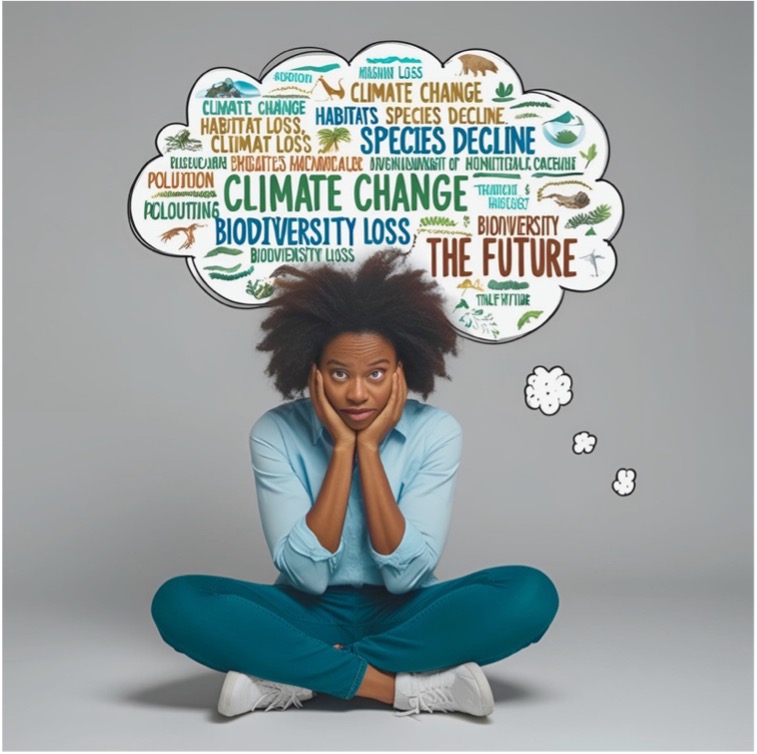
SOMETHING NEEDS TO CHANGE.
Why do we follow current events in the first place? Not to be paralysed by every terrible thing happening in the world, but to remain informed so we can take meaningful action. Sometimes, the goal may be just to bear witness because sharing the human experience – including grief, shock and anger – protects our own humanity and reminds us of who we are.
So how can we consume news differently, allowing us to engage thoughtfully and effectively to help heal the world, without harming ourselves?
1. Choose your sources of information wisely
Seek out sources that honour truth AND present information in ways that empower you to be informed, educated, healthy, and effective. The goal is engagement, not overwhelm.
Look for media that fosters understanding and action rather than fear and division. Curate your newsfeed by following journalists and organisations that align with your values and provide well-researched, nuanced reporting.
2. Check in with yourself before consuming stressful media
Mindful media consumption begins with awareness of your emotional and mental state. Before catching up on current events, do a quick internal weather report. Are you already anxious or stressed? If so, maybe it’s not the best time to dive into a heavy new topic. Are you feeling energised and ready to engage? Bring it on!
Choosing when to consume news (rather than being bombarded all day) helps prevent overload. Maybe turn off notifications, limit newsletter subscriptions and set boundaries about when you check your phone.
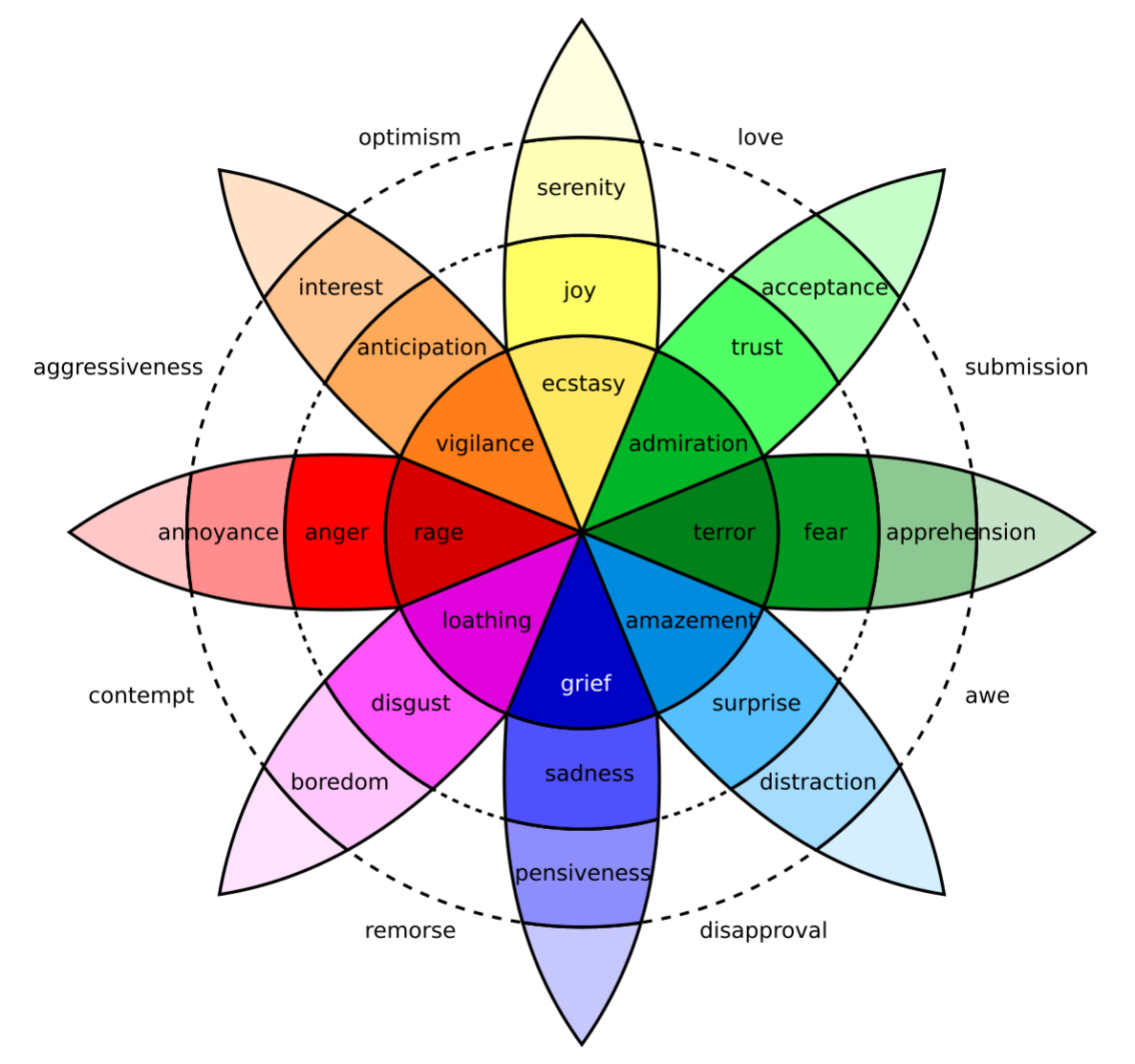
3. Allow yourself time to process and release stress
After consuming difficult news, give yourself time to reflect. Take a few deep breaths. Notice how your body feels. Try not to compartmentalise or intellectualise – let the feelings move through you. Acknowledging these emotions is an important step in preventing emotional burnout.
Releasing stress is also essential. That might mean going for a walk or run, talking with a trusted friend, journaling, meditating or spending time in nature. Processing heavy news in a supportive way helps us stay grounded, connected and hopeful.
4. Take a break
Some days, the best thing to do is to step away. Taking a break isn’t being an ostrich with its head in the sand – it’s an essential act of self-care, refilling our cup so we can continue to engage effectively. It also allows us not to miss the beauty and joy happening right now, right in front of us.
Taking intentional media breaks can help reset our nervous systems. The world will continue to turn without our constant attention, and we are more effective when we return to it with renewed energy and clarity.
Finding balance in a world of constant news
Mindful media consumption is ultimately about balance. It’s about staying engaged without losing yourself in the noise. It’s about being informed without being consumed by fear or helplessness.
By choosing our sources wisely, checking in with our emotions, processing the impact of the news, and taking breaks when needed, we can cultivate a healthier relationship with information.
The world needs engaged citizens, not overwhelmed ones. By approaching the media with mindfulness, we can stay informed, take meaningful action, and still find joy in our daily lives.
Looking to connect, find support and carve out your path in conservation? Explore the Conservation Careers Academy and join the Conservation Careers community.
Author Profile | Emily Fyfe
 Since completing her veterinary degree from the University of California Davis in 2013, Emily has spent the last 10 years dedicated to the health and welfare of domestic animals and wildlife. Fueled by her passion for nature, she is transitioning into a career in wildlife conservation to help protect biodiversity and life on this planet. As part of this career journey, she has recently begun an MSc. in Conservation Medicine through the University of Edinburgh, has joined the UNEP Great Ape Survival Partnership as an intern, and is working on a study with the Office de Biodiversité Francais to investigate the emergence of distemper in wildlife in France. Emily is particularly interested in a One Health approach to conservation, conservation medicine and community-based conservation work.
Connect with Emily on LinkedIn.