Diving in head-first | Melissa Hobson’s journey from PR Professional to becoming The Ocean Writer

The ocean covers over 70% of our planet and is the lifeblood of Earth’s ecosystems. Yet, as climate change and human activities threaten marine biodiversity, the need for passionate advocates for ocean conservation has never been more urgent.
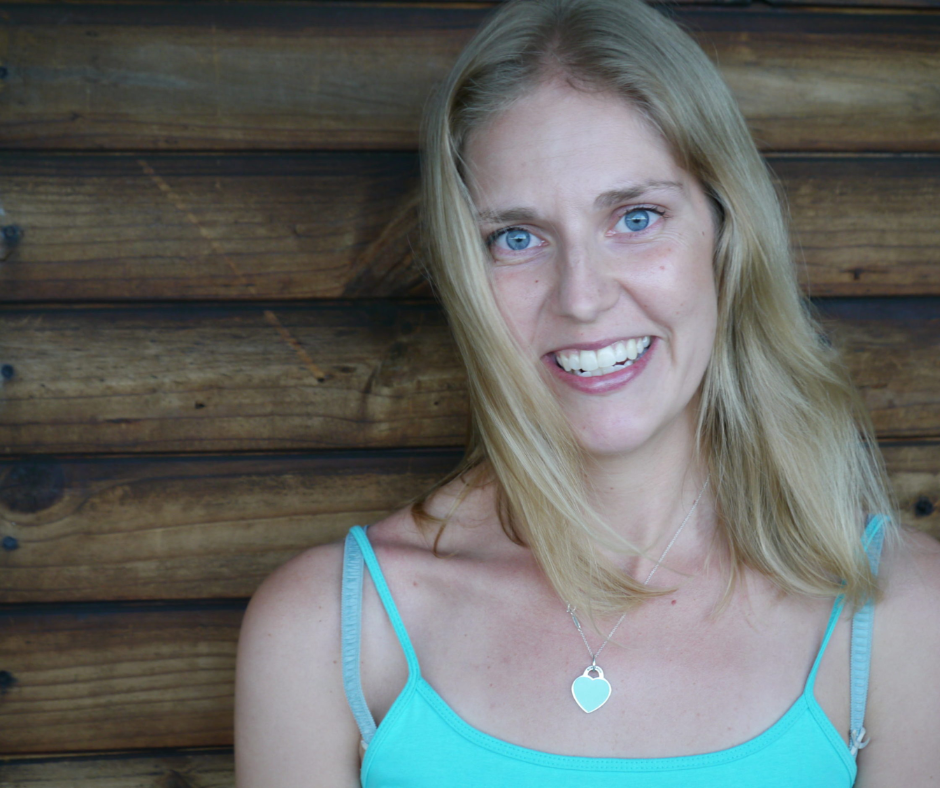
Melissa Hobson, The Ocean Writer, is a freelance ocean journalist covering marine science, conservation and sustainability. This interview explores her journey from corporate public relations to articulating the wonders of the ocean. Melissa shares her experiences, the realities of freelancing, and how she uses storytelling to inspire others to protect our blue planet.
What inspired you to initially explore scuba diving, and how did that shape your career path?
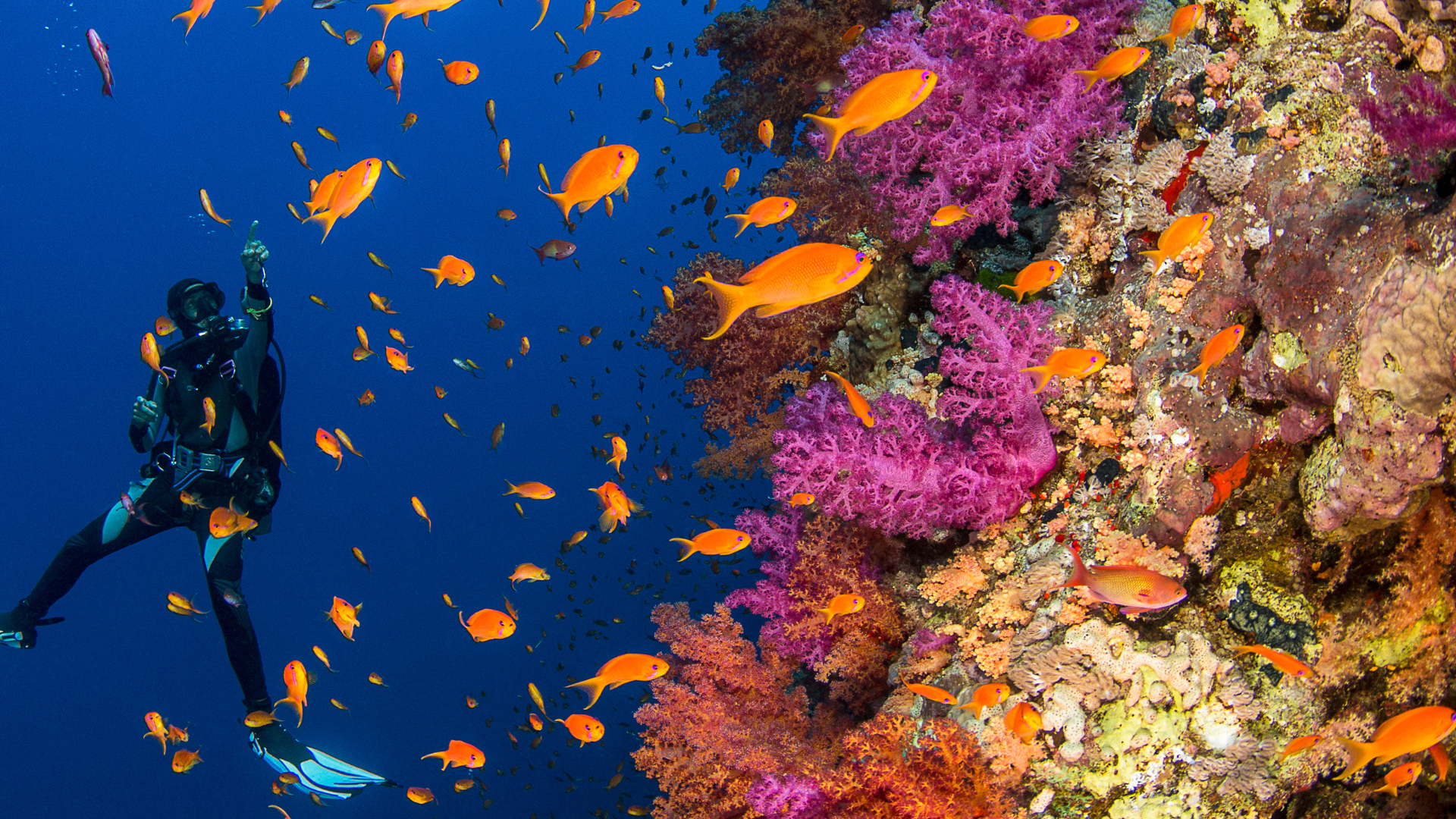
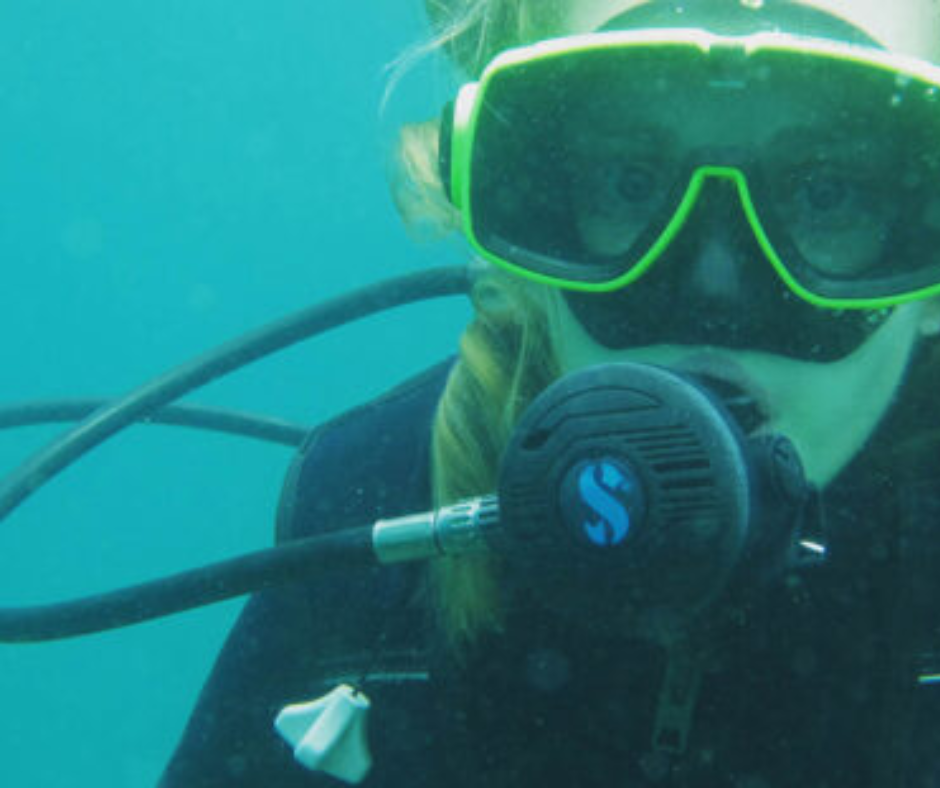
“I never planned to scuba dive. Growing up in Reading, UK, far from the sea, I wouldn’t have described myself as a “water baby.” But while traveling in Australia, my travel agent suggested diving at the Great Barrier Reef. The training was awful- hot classrooms, learning about potential risks, and taking masks on and off in the pool. I hated it and just wanted to get it over with.
But once I got into the ocean, everything changed.
I saw turtles, sharks, and clownfish, a confetti of colour in a world I’d never imagined. It was breathtaking, and from that moment I was hooked”.
Tell us more about your transition from working in Public Relations (PR) for corporate clients to refocusing your career on marine conservation?
“The transition wasn’t immediate. After diving as a student, I loved it but didn’t think it could be a career. I spent a decade in public relations (PR), working at various agencies in London, UK. My first role was great for learning but focused on food and drink clients— needless to say that wasn’t my passion. Later, I worked in charity PR, which was more fulfilling but still demanding. The intensity of agency life and the competitive lifestyle in London eventually led to burnout.
In 2018, I left my PR job, unsure of what was next. Around that time, I learned about a volunteer opportunity with the Marine Megafauna Foundation (MMF) in Mozambique. They needed help with communications, and I was eager for a change. All of this happened by pure chance and it marked the start of my journey into marine conservation”.
What steps did you take to move into marine science writing and find your niche as an ocean writer?
“Volunteering with MMF was pivotal. Before that, I had started writing on the side while in PR – mostly about scuba diving and eco-travel. Writing had always been my favorite part of my past job, so this was a natural extension.
In Mozambique, I began learning about marine science and sharing this work with global audiences. After returning to the UK during the pandemic, I went freelance. Initially, I did a mix of PR and writing, but I realised I needed to prioritise writing. Letting go of PR gave me the space to focus on science and conservation writing, and it’s been incredibly rewarding”.
How do you find freelancing? What would you say are the positives and negatives of this kind of employment style?
“Yes, I’m a freelancer, which basically means I’m a one-person business. Here in the UK, you can either be a sole trader – working on your own with various clients—or set up a limited company, which is what I’ve done. I don’t have any staff, just a brand name I work under: The Ocean Writer.
Many people go freelance because they think, “I love writing about the ocean, and I want to do it all the time.” But freelancing isn’t just doing what you love; it’s running a business. Alongside writing, I handle marketing, finding clients, negotiating contracts, and doing my accounts and invoicing. If an invoice is late or unpaid, it’s up to me to chase it.
There’s a lot of unpaid time spent on these tasks, which people don’t always realise. For instance, if I’m on holiday or sick, I don’t earn anything. That’s why I’ve set up a savings pot – this means that the good months can cover quieter times.
On the plus side, freelancing gives me freedom. If I don’t have a looming deadline, I can take a day off to meet a friend. That said, flexibility works both ways. One Friday night, I had a 9 p.m. interview with a scientist in the U.S., but I balanced it by taking Thursday morning off.
Freelancing is hard work, but it’s rewarding to know I’m building my own business. There’s something satisfying about working for yourself rather than a corporation. The freedom is exciting, even though sometimes it comes with its complexities”.
How do you approach writing about complex scientific topics for a broader audience?
“Not having a scientific background has actually been an advantage. I grew up focused on arts and humanities, so science was never my strongest subject. I think that perspective helps me break down dense topics into something relatable.
When I write, I always consider readers like my dad, who know little about marine life. If I don’t fully understand something, how can I expect him to? I also rely on conversations with scientists—they’re often excited to explain their work in clear, engaging ways. This helps me translate the difficult language often used in scientific articles into compelling stories that resonate with non-experts”.
You’ve written for publications like National Geographic and New Scientist. What advice would you give aspiring conservation writers?
“First, immerse yourself in the publications you want to write for. Read their content and understand what resonates with their audience. When pitching to the editors of the publication, align your ideas with their interests.
Second, write as much content as you can. Early on, I lacked professional samples since my PR work didn’t have my name attached to it. To build a portfolio, I wrote blog posts and pitched to smaller publications. Starting with niche or local outlets is a great way to get published before targeting big publishers.
Lastly, be persistent. Rejections are part of the process, even for experienced writers. Keep refining your ideas and pitches – it’s worth it”.
What advice would you give to someone starting a career in marine writing?
“Follow your curiosity. Your niche will develop over time as you explore different opportunities. Some people might prefer storytelling through social media or working in-house for ocean organisations rather than freelance writing. Follow what interests you the most.
Be open to trying new things. I didn’t know where I’d end up when I started. Even skills I learned in PR – like crafting narratives – have been invaluable in marine writing.
Also, enjoy the journey. Each step teaches you something, and there’s value in experimenting before finding your path. It’s an exciting time to start, as more publications and organisations recognise the importance of ocean storytelling”.
If you’re interested in reading some of Melissa’s published work, then check out her webpage. You can also find out more about her career journey and get in touch to hear her expert tips on being a freelance writer in the marine conservation space.
We interviewed Melissa back in 2023 on the Conservation Careers podcast – have a listen to pick up on further tips.
If you’re interested in becoming a Conservation Communicator yourself, check out our free guide to Conservation Communicator roles.
Author Profile | Maya de Paz
 Maya de Paz is a passionate creative with a drive for conserving our planet. She has a Bachelor’s degree in Geography and has a particular interest in the human connection with nature. Currently, she is working for Ocean Census as their Communications Officer and is thoroughly enjoying her time there. Connect with Maya on LinkedIn or check out her portfolio.
Main image credit: Renata Romeo / Ocean Image Bank.