Healing the soil, healing the soul: How one grassroots leader is restoring land, dignity and hope

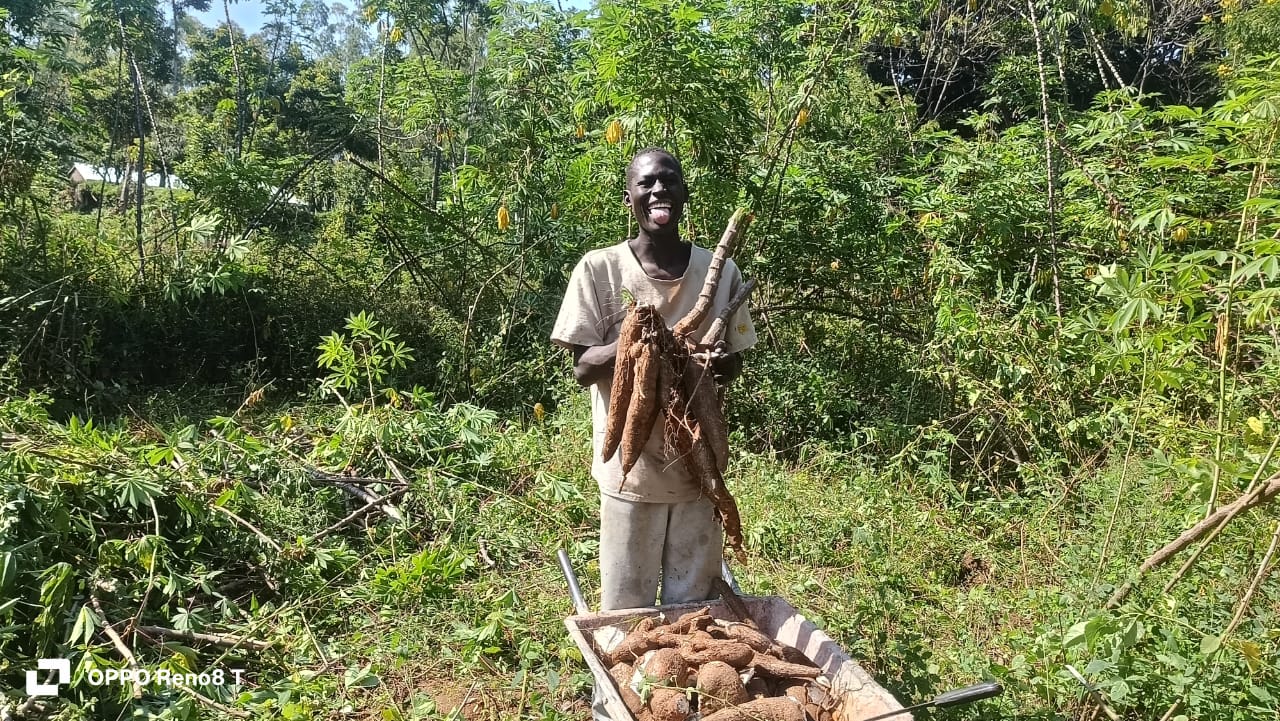
What does conservation look like when it begins not in boardrooms or policy documents, but in the soil beside a grandmother’s home? For Bruno Omondi Otieno, founder of the K’ombija Community in Kenya, conservation is not a profession separated from people’s daily lives. It is an act of compassion. A form of resistance against hunger, climate instability, and despair. And a reminder that healing land and healing communities are inseparable. Bruno’s story is one of quiet courage, indigenous wisdom, and a belief that trees, when planted with intention, can hold both soil and society together. This is the story of how a childhood garden grew into a living model of conservation rooted in dignity, regeneration, and hope.
From a grandmother’s garden to a life’s calling
Bruno’s environmental awareness was born at home. As a primary school learner, he lived with his disabled grandmother. Inspired by lessons at school and driven by necessity, he created a small garden beside her house using saved seeds and chicken manure. The results were astonishing. The vegetables flourished so abundantly that the family no longer needed to buy food from the market. “That’s when I understood that the earth is a generous mother,” Bruno reflects. “Organic growth is a lifeline for the vulnerable.” That small plot of land revealed something profound: soil could be security. And care for the land could be care for people.
When concern becomes action
The turning point came when Bruno realised that what sustained his grandmother could sustain many others. He saw orphans, elderly people and people living with disabilities facing the same isolation and vulnerability she would have endured without that garden. The question became unavoidable: what if this sanctuary could be expanded?
From that moment, K’ombija Community was born, not as a charity, but as a living laboratory, where nature and humanity could heal together. “Action,” Bruno says simply, “is a harvest.”
Why grassroots solutions matter
Bruno is clear about the gap he saw in conventional aid systems. “Top-down aid provides temporary relief,” he explains, “but it often fails to restore human dignity.” K’ombija was built on a different premise: that communities already carry the wisdom they need. What they often lack is access to land, resources, and trust.
By grounding the project in indigenous knowledge and collective ownership, reflecting the African philosophy of Harambee (pulling together), K’ombija became a place where people are not passive recipients, but active stewards of their own futures.
Permaculture: a dialogue with the land
For Bruno, the choice of permaculture was deeply philosophical. “Conventional farming is a monologue,” he says. “Humans dictate to the land through chemicals. Permaculture is a dialogue.”
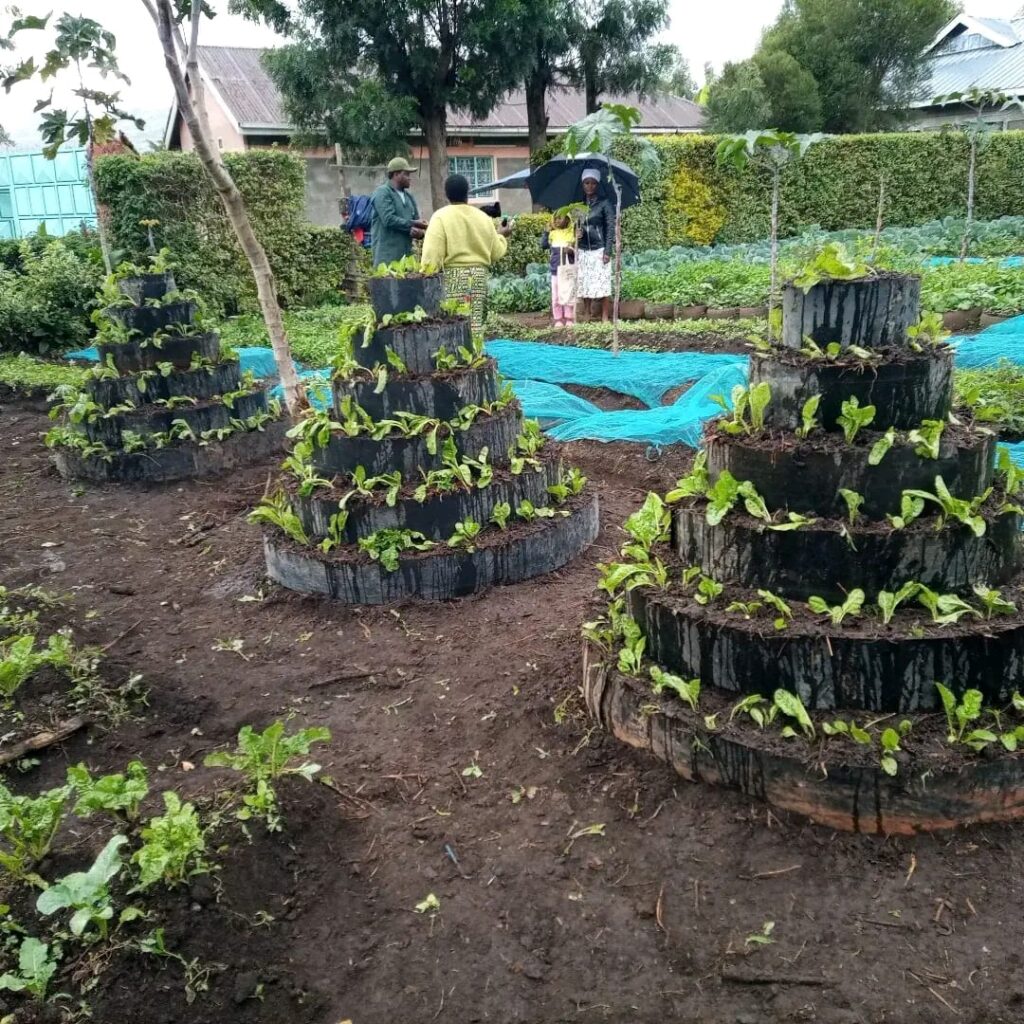
At K’ombija, this dialogue has transformed degraded land into a thriving food forest, a self-sustaining ecosystem that produces nutrition year-round while restoring biodiversity. This shift reflects a broader African worldview of abundance, where ecosystems are designed to cooperate rather than compete. The first time Bruno saw a previously hungry child eating food grown from the soil they play on, he knew the vision was real. “It felt like the land was finally saying yes.”
Trees as tools of conservation and survival
In a region increasingly affected by climate extremes, trees have become K’ombija’s primary conservation tool. “Every tree is a living sponge,” Bruno explains. “It absorbs water during floods and releases it during droughts.” By integrating indigenous trees into stratified agroforestry systems, the land stays cooler, the soil remains anchored, and crops are protected from erratic weather. The trees, which Bruno calls the “ancestors of the landscape”, restore ecological memory and resilience.
This forest mindset, rather than a narrow farming mindset, has allowed the community to remain productive even as droughts and floods intensify. “We are proving that you can feed people and protect nature at the same time.”
Conservation as compassion
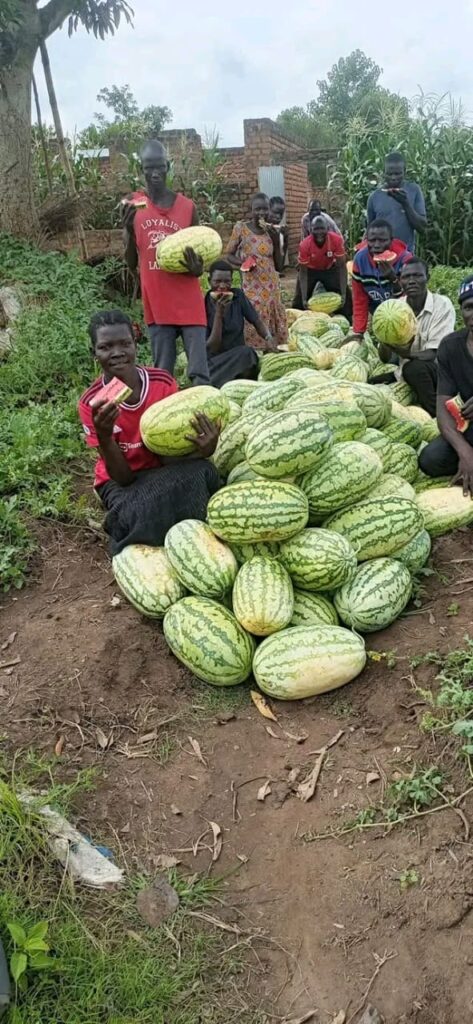
For Bruno, conservation is inseparable from humanity. “I don’t see a difference between degraded land and a suffering human being,” he says. “Both need care and love to thrive.” One story stands out. An elderly widow, once weakened by chronic malnutrition, now lives with strength and dignity thanks to food grown through K’ombija’s regenerative systems. “To feed her from land we restored is to restore her humanity,” Bruno says. “That is conservation.” At K’ombija, conservation is not abstract. It is measured in full plates, shaded rest, and children who feel safe.
Leadership in the face of loss and instability
The work is not without immense challenges. Bruno speaks openly about what he calls “the tension of the gap”, where growing needs collide with climate shocks, limited infrastructure, and funding instability. Floods threaten structures. Droughts test water systems. Caring for children with special needs requires constant resources. What keeps him grounded? “I touch the soil,” he says. “And I look into the eyes of the children. They are my why.”
If he could solve one systemic issue, it would be the instability of funding for human care, healthcare, education, and long-term wellbeing, the invisible backbone of community-led conservation.
Advice for aspiring conservationists
Bruno’s message to young conservationists is both empowering and disarming: “Do not be paralysed by the scale of the crisis. Start where you are.” Plant trees. Restore soil. Care for people. He sees every act of regeneration as a rebellion against despair. His advice for integrating social justice with restoration is uncompromising: “Ecological restoration without social justice is just landscaping.” If the land is healing, the people living upon it must heal too.
A vision rooted in hope
Looking ahead 30 years, Bruno envisions K’ombija as a Great Green Cathedral, a mature food forest capable of feeding thousands, stabilising the local climate, and ending cycles of flood and drought.
If resources were no barrier, he would establish a Holistic Wellness and Education Centre, offering physical therapy for disabled children and vocational training in regenerative design.
The legacy he hopes to leave behind is not dependency, but mastery, a community that no longer needs to ask for help because it has learned how to co-create with nature.
Redefining conservation
When asked to redefine conservation, Bruno answers without hesitation: “The sacred practice of honouring our ancestors by protecting the life-support systems of our descendants through the planting of trees.” Hope, to him, looks like the face of a child who finally feels safe, and sounds like wind moving through a newly planted grove. And perhaps most beautifully, he finds his deepest peace at dawn, speaking quietly to his seedlings before the rest of the world wakes.
A small light with the power to grow
“We must plant more trees,” Bruno says. “It is the only way to heal the land from drought and protect it from floods.” K’ombija may be a small light. But, as Bruno believes, with connection and care, it can be come a beacon.
For aspiring conservationists searching for purpose beyond job titles, his story offers a grounding truth:
Conservation is not just about saving nature. It is about restoring the relationship.
And sometimes, it begins with a child, a grandmother, and a handful of seeds.
How to engage with community-led conservation
Bruno’s story reminds us that conservation does not only live in policies or projects, but in relationships between land, people, and purpose. Follow Bruno’s story on LinkedIn
If this approach resonates with you, you may find these Conservation Careers articles helpful starting points:
Take our Certificate in Community-Based Conservation
Discover how people and wildlife can thrive together — through a course that explores global best practices and inclusive, rights-based approaches transforming conservation today, and empowers you to apply them. Find out more here.
Author Profile | Stephanie Nicolaides
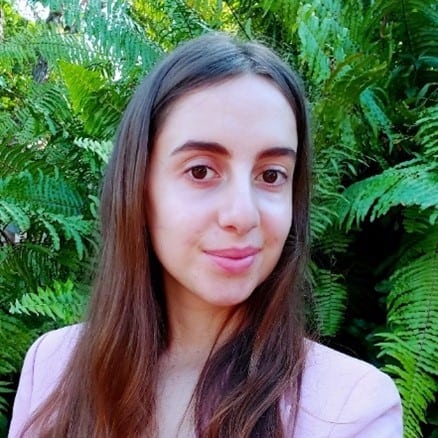 Stephanie Nicolaides is a dedicated PhD candidate in Environmental Management at the University of the Western Cape. Her research delves into the impact of plastic pollution on the Mossel Bay coastline (South Africa), with a particular focus on the effects on marine biodiversity. Her work focuses on assessing plastic presence, local knowledge, and developing sustainable solutions. Stephanie holds an MSc in Life Sciences from the University of South Africa, where her dissertation examined the behavioural ecology of African clawless otters. She also earned her BSc Hons in Life Sciences, graduating cum laude, with an honours project on personality in Leopard Tortoises. Passionate about environmental sustainability, Stephanie is committed to advancing knowledge in marine biology and contributing to efforts to protect and preserve coastal ecosystems. Connect with Stephanie on LinkedIn.