Do you have what it takes to be a wildlife crimefighter?

What does it take to bring down an international wildlife trafficking ring? For Tim Santel, the answer lies in decades of experience, a refusal to play it safe and a belief that bold investigations can change the world.
As a kid growing up in the rural Midwest, USA, Tim couldn’t have predicted that one day he’d lead landmark undercover operations, train wildlife officers across continents and help rewrite policy to protect endangered species. But that’s exactly what he did.
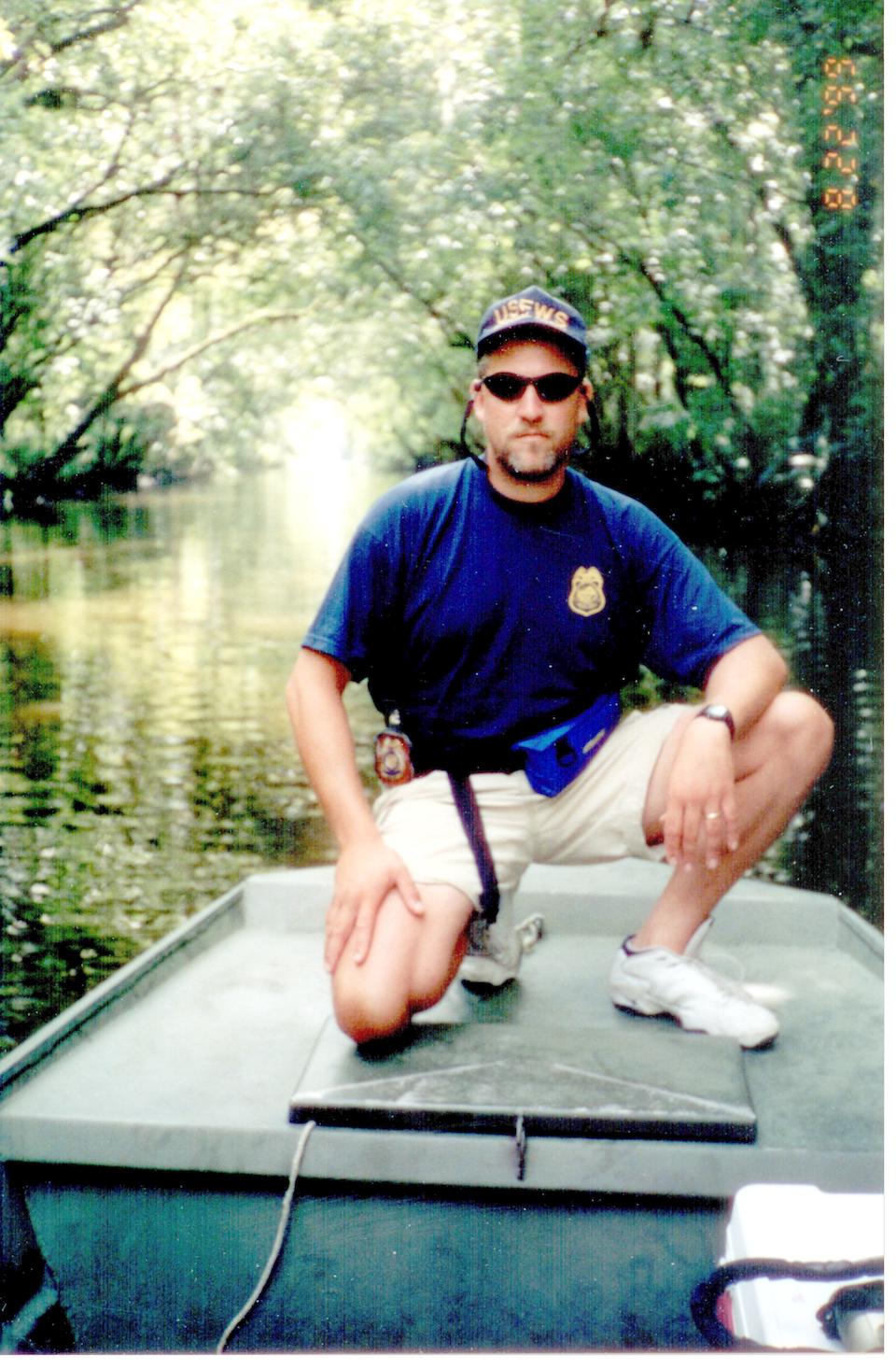
Agent Tim Santel patrolling Florida’s waterways for manatee protection.
Now retired after 32 years with the U.S. Fish and Wildlife Service, Tim’s story reads like a roadmap for aspiring conservationists and law enforcement professionals alike.
His career, rooted in a deep childhood love for animals, evolved into a global mission to dismantle wildlife crime syndicates, protect vulnerable species and mentor the next generation of wildlife defenders. From his first failed undercover sting (an operation that creates or exploits opportunities for individuals to commit crimes) to his role in shaping international law enforcement collaboration, Tim’s legacy is a testament to what happens when passion, persistence and purpose collide.
This article traces Tim’s remarkable journey, from the woods of Illinois to the frontlines of global wildlife protection and offers hard-earned advice for those ready to follow in his footsteps.
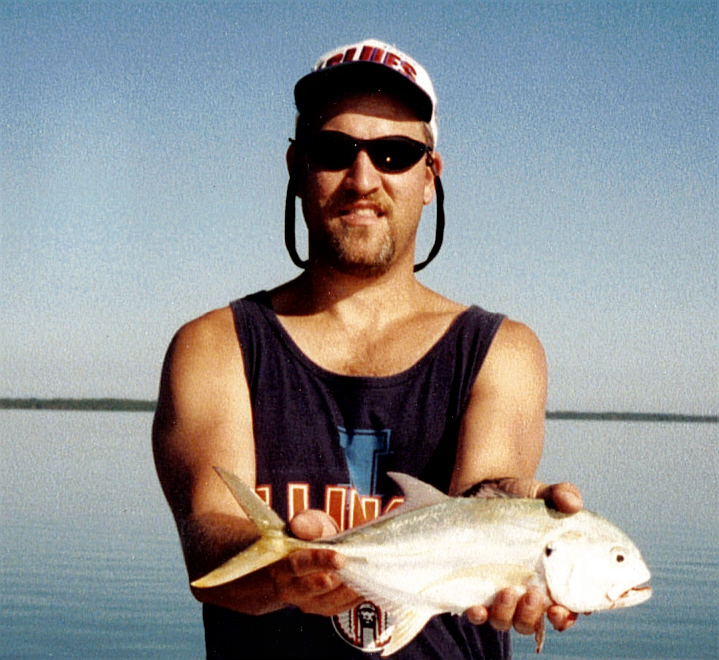
Agent Dantel during a covert surveillance during a 2009 wildlife trafficking investigation in Florida.
A childhood inspired by nature: From curiosity to calling
Tim’s passion wasn’t born in a classroom; it was forged under tree canopies, by riverbanks and in wide-open fields. His father, an avid outdoorsman, became his first mentor, and every outing into the woods felt like an adventure.
“Those trips with my dad weren’t just father-son time, they were the start of something much bigger,” Tim reflects. “That’s when I knew: I wanted to work with wildlife.”
Through wildlife books and the TV series Mutual of Omaha’s Wild Kingdom, young Tim expanded his horizons, dreaming of encounters with tigers, rhinos and exotic species in far-flung corners of the world. It wasn’t just childhood fantasy; it was the beginning of a purpose-driven life.
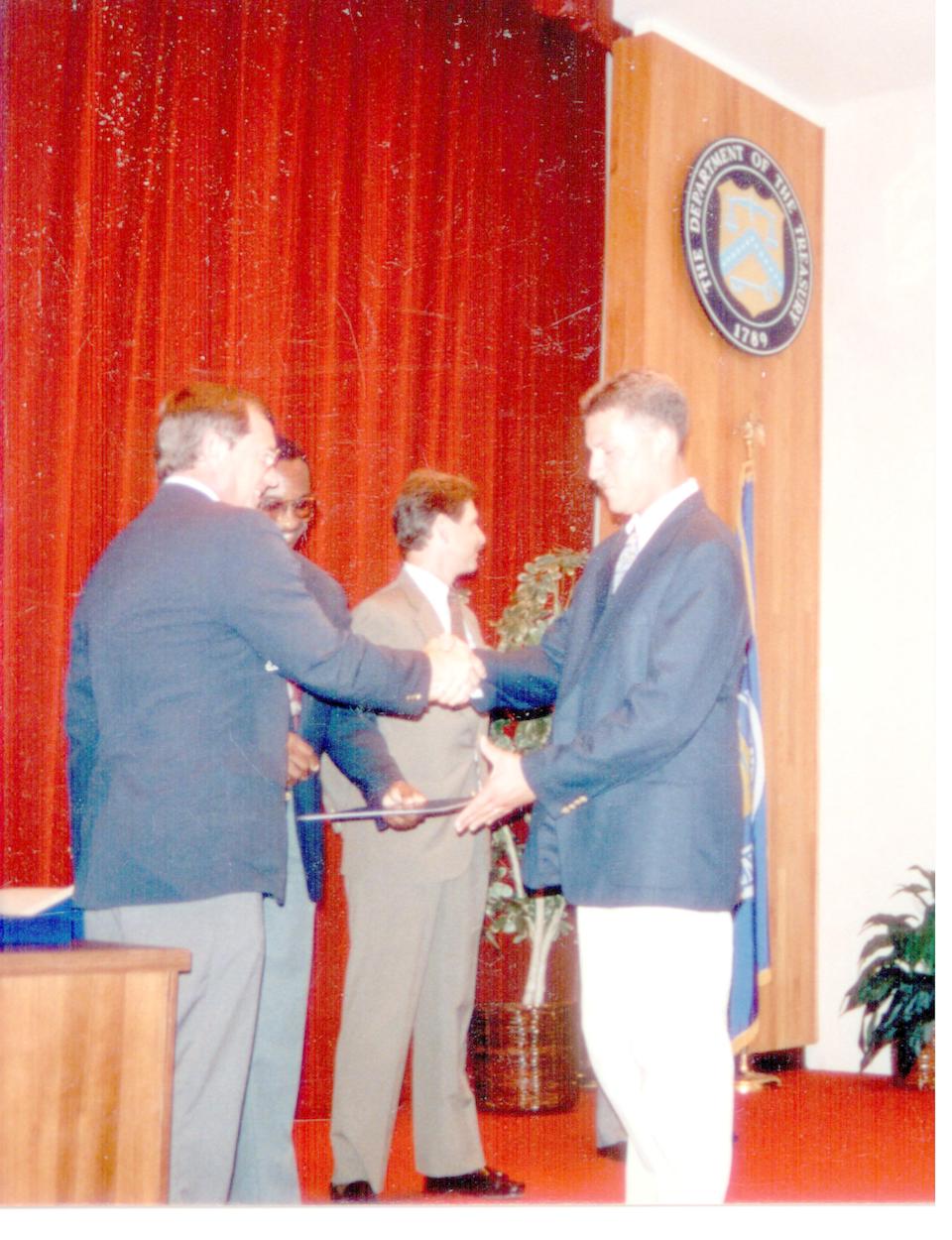
Special Agent Tim Santel graduates from the Federal Law Enforcement Training Centre in 1992.
Laying the academic and experiential foundation
Determined to make his dream a reality, Tim pursued a degree in Wildlife Ecology at the University of Wisconsin–Stevens Point, known for its rigorous natural resources program. He chose Latin in high school to understand taxonomy and built a solid foundation through interdisciplinary coursework in forestry, water resources, soils and wildlife.
But classroom theory wasn’t enough. Tim invested in fieldwork, trapping coyotes, radio-collaring wildlife and analysing scat (animal droppings).
One standout internship at the Max McGraw Wildlife Foundation had him designing a project on urban coyotes in Chicago and writing a full research thesis. That hands-on experience gave him a competitive edge in a crowded field.
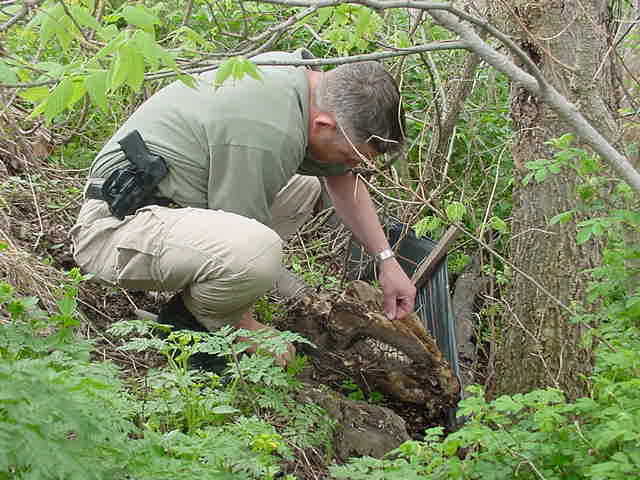
Agent Santel investigating crime scene.
Breaking into wildlife law enforcement
Knowing that most wildlife jobs required existing government service, Tim accepted a job as a USDA (United States Department of Agriculture) microbiologist, a role far from his dream but a foot in the door. His strategy paid off when he landed a Wildlife Inspector position with the U.S. Fish and Wildlife Service in Boston.
Relocating from the Midwest and accepting a modest salary wasn’t easy, but Tim saw it as an investment in his future. That bold step marked the official start of a career that would soon span continents and change laws.
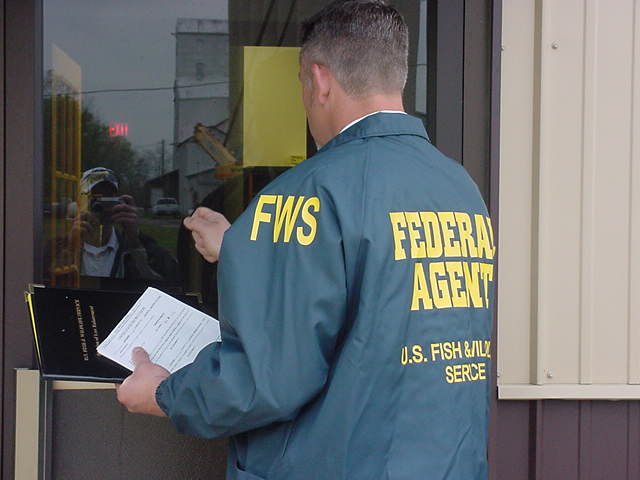
Agent Santel serving legal documents during a wildlife trafficking investigation.
Becoming a special agent: from biologist to crime fighter
Craving more impact, Tim applied to become a Special Agent. He was one of only ten people nationwide selected for training at the Federal Law Enforcement Training Center (FLETC), while his wife was pregnant with their first child. Despite the timing, he pressed forward, driven by purpose.
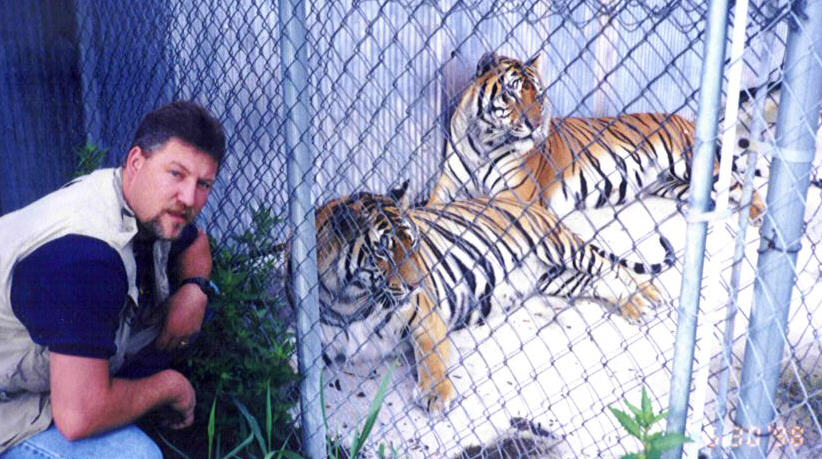
Agent Santel with rescued tigers from Operation Snow Plow.
Undercover operations quickly became his calling. His first sting (an operation that creates or exploits opportunities for individuals to commit crimes) failed; he left a bait shop with nothing but a fishing lure, too nervous to engage the suspect. He kept that lure hanging from his vehicle’s rearview mirror as a reminder of what not to do.
It wasn’t long before he was leading groundbreaking investigations like Operation Snow Plow and Operation Crash.
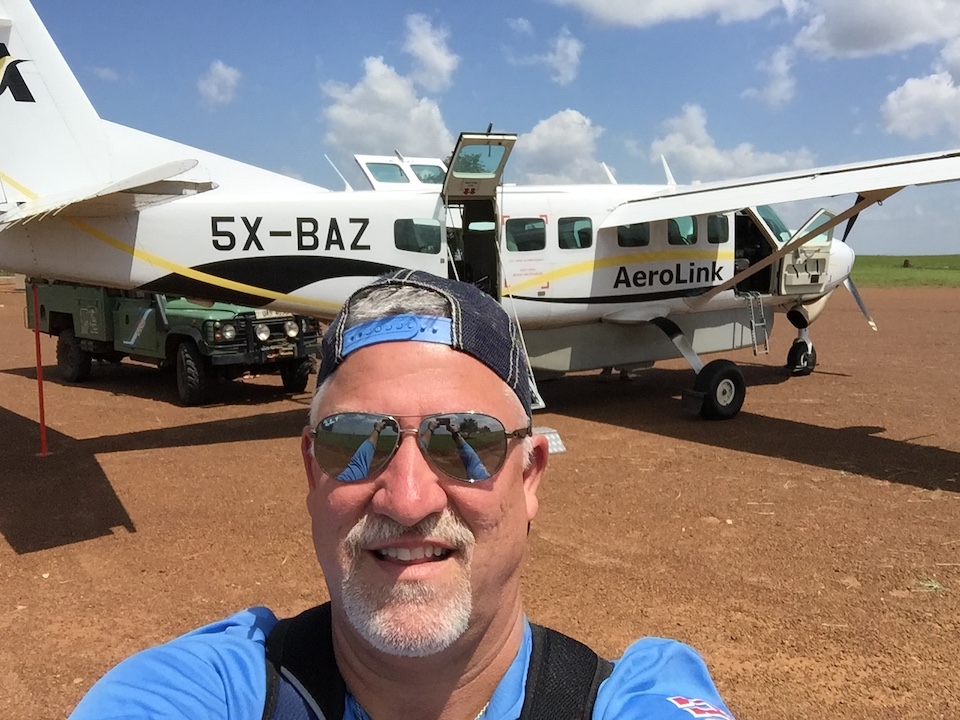
Agent Santel landing in Muchinson Falls National Park, Uganda.
A legacy of landmark investigations
Tim’s career was defined by daring and innovation. Operation Snow Plow, a scrappy, 18-month undercover sting, exposed a network killing big cats to sell body parts. The footage captured with a DIY hidden camera helped secure convictions and proved that grit can outmatch limited resources.
But organising an operation of that magnitude wasn’t without risk. Tim and his partner worked with minimal surveillance gear and almost no backup. To hide a pinhole camera, Tim rigged a livestock trailer with a custom-built recording setup. One mistake could have blown their cover, or worse.
The suspects weren’t just traffickers; some had violent criminal pasts. Tim recalls moments of quiet tension, meetings in remote barns, exchanges that could have turned dangerous in an instant. What kept them going? A shared belief that if they didn’t act, no one else would.
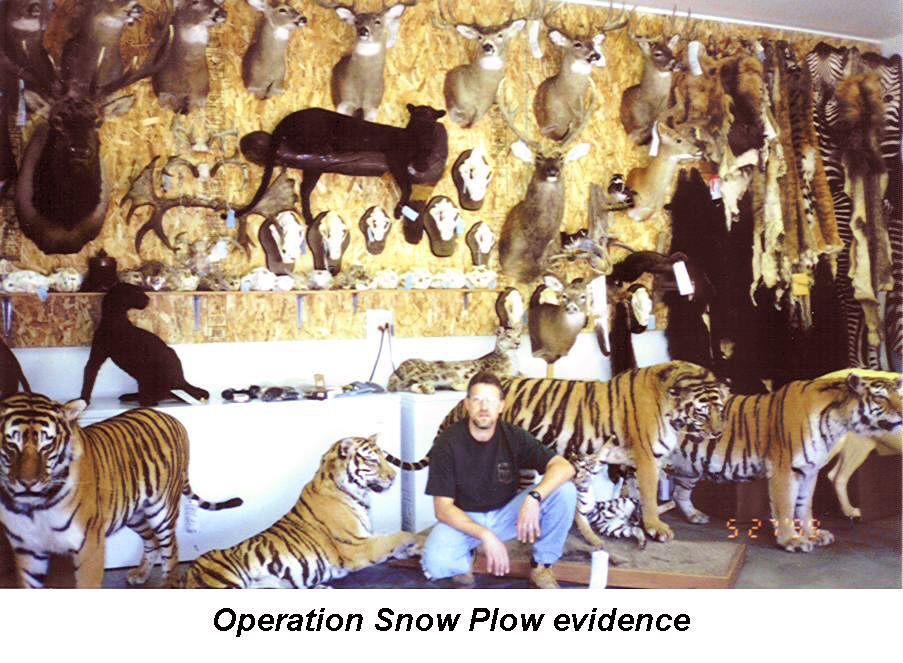
Agent Santel with a haunting display of evidence from Operation Snow Plow.
Operation Crash, launched in response to the rising global demand for rhino horn, was a game-changer. The name “Crash” referred not just to the codename of the operation but also to the term for a group of rhinos, an intentional nod to the species they were fighting to save.
The investigation uncovered an elaborate international network of traffickers, from poachers and middlemen to brokers and smugglers operating across continents. Tim and his team worked with foreign governments, intelligence agencies and customs officials, following leads across Asia, Africa, Europe and the U.S.
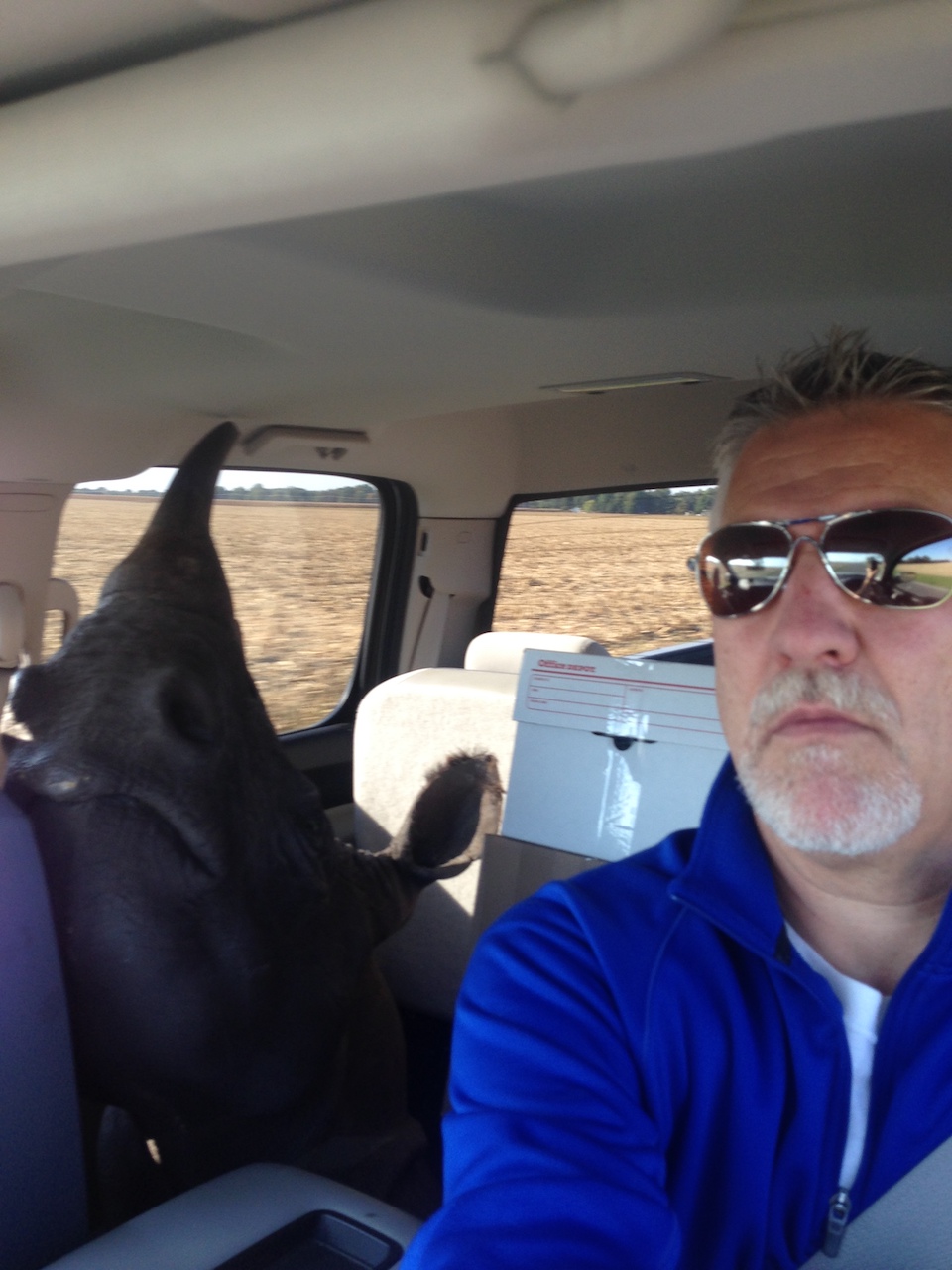
Undercover operation targeting the illegal sale of a black rhino trophy mount.
One of the most high-profile cases involved the arrest of major players trafficking raw horn into Vietnam and China, where demand was highest. The evidence gathered during the operation helped convict more than 50 individuals and led to sweeping changes in wildlife trafficking legislation.

Operation targeting illicit trade in black rhino horn on the black market in Miami Beach.
It also spurred executive orders from both the Obama and Trump administrations, a crackdown on U.S.-based smuggling operations, and inspired new state-level bans on ivory and rhino horn. Perhaps most significantly, it contributed to the decision to add the white rhino to the Endangered Species Act, an outcome Tim remains deeply proud of.
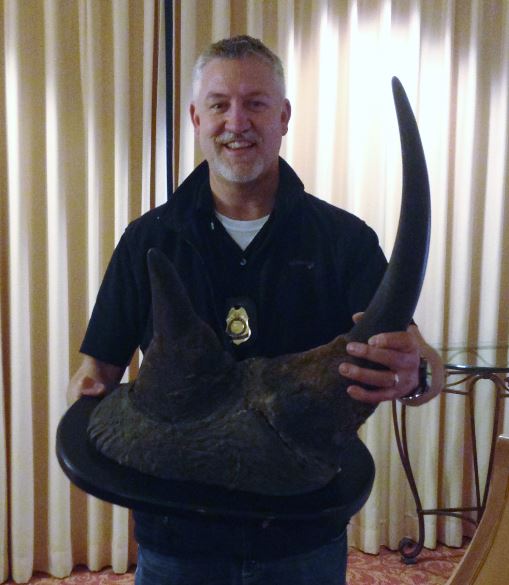
Sting operation intercepting a black rhino horn trafficking deal in Las Vegas.
Lessons from the field: Tim’s practical advice for aspiring conservationists
- Take risks and embrace failure: “Some of my biggest wins came after early failures,” Tim says.
- Build a diverse skillset: Blend wildlife knowledge with criminal justice understanding.
- Invest in real-world experience: Fieldwork and internships matter more than perfect grades.
- Stay strategic: Sometimes an unglamorous role opens doors down the line.
- Be persistent: Keep applying, keep learning, keep showing up.
- Mentorship matters: Tim believes mentoring the next generation is one of his greatest contributions.
- Be mentally prepared: Undercover work demands emotional resilience. “You have to be ready for the moment someone turns to you and says, ‘Are you a cop?’ You can’t flinch,” Tim notes. “Your preparation and your cover story need to be bulletproof.”
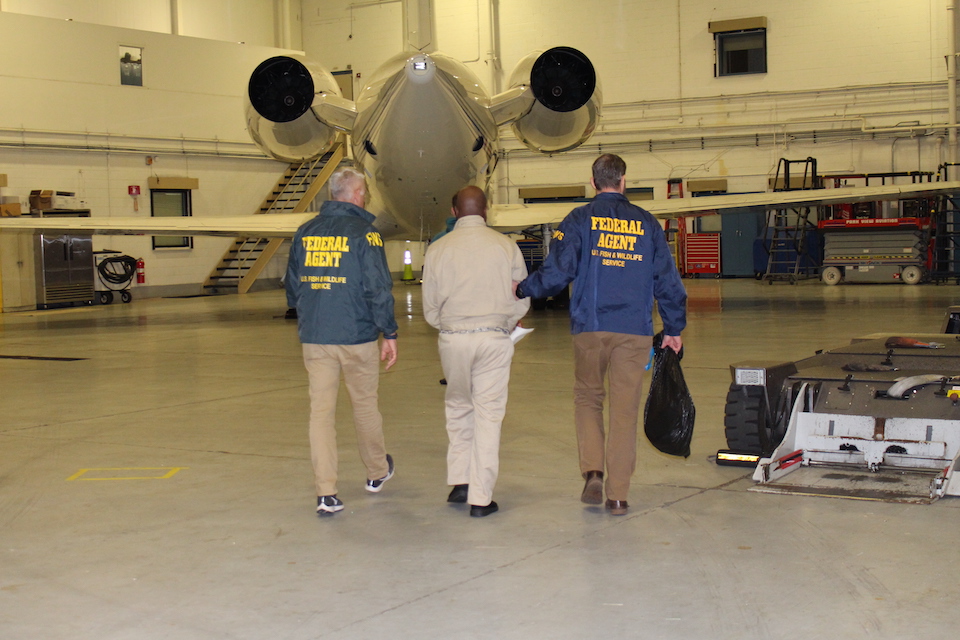
Agent Santel escorting a trafficker back to the U.S. – operation ending in White Plains, NY.
Going global: collaboration beyond borders
As wildlife crime grew more global, so did Tim’s mission. He trained rangers in Africa, advised agencies in Asia and Latin America and built international coalitions to tackle transnational syndicates. His first overseas training in Botswana sparked two decades of global collaboration.
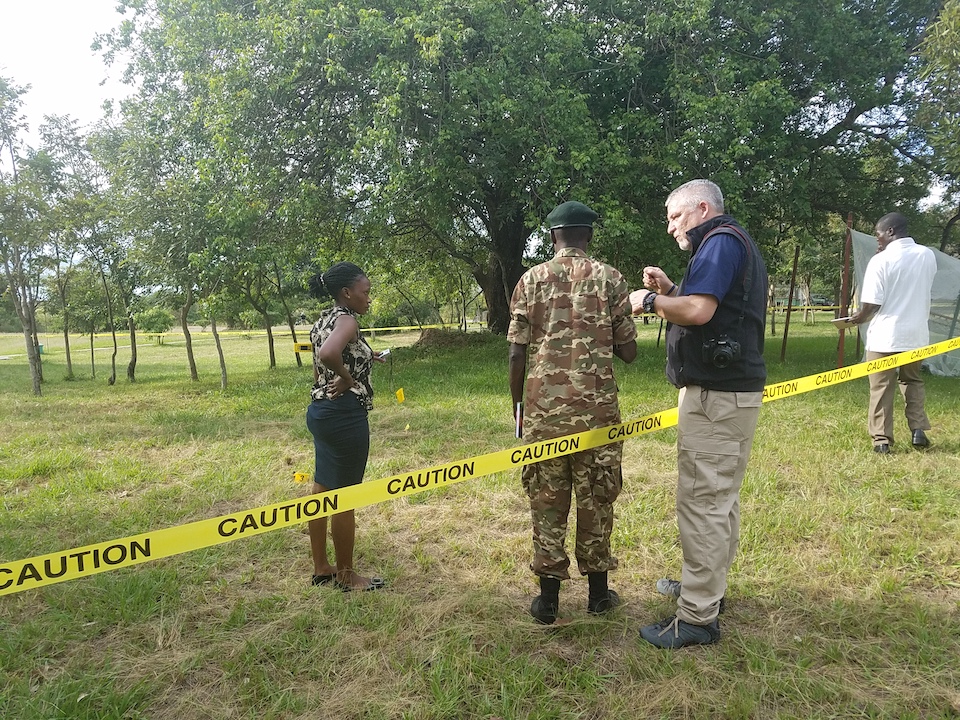
Agent Santel training rangers in Uganda to combat wildlife crime.
“Wildlife trafficking isn’t just a conservation issue, it’s a criminal justice issue,” Tim emphasises. “You need international cooperation to dismantle these networks.”
Life after law enforcement: a mission that never ends
Retiring in 2020 didn’t mean stepping back. Tim joined Focused Conservation, a nonprofit organisation comprised of former law enforcement professionals from the U.S. and U.K. that supports wildlife crime units across Africa.
The organisation provides technical training, operational mentoring, investigative support and strategic guidance to help local teams build the skills needed to dismantle sophisticated trafficking networks.
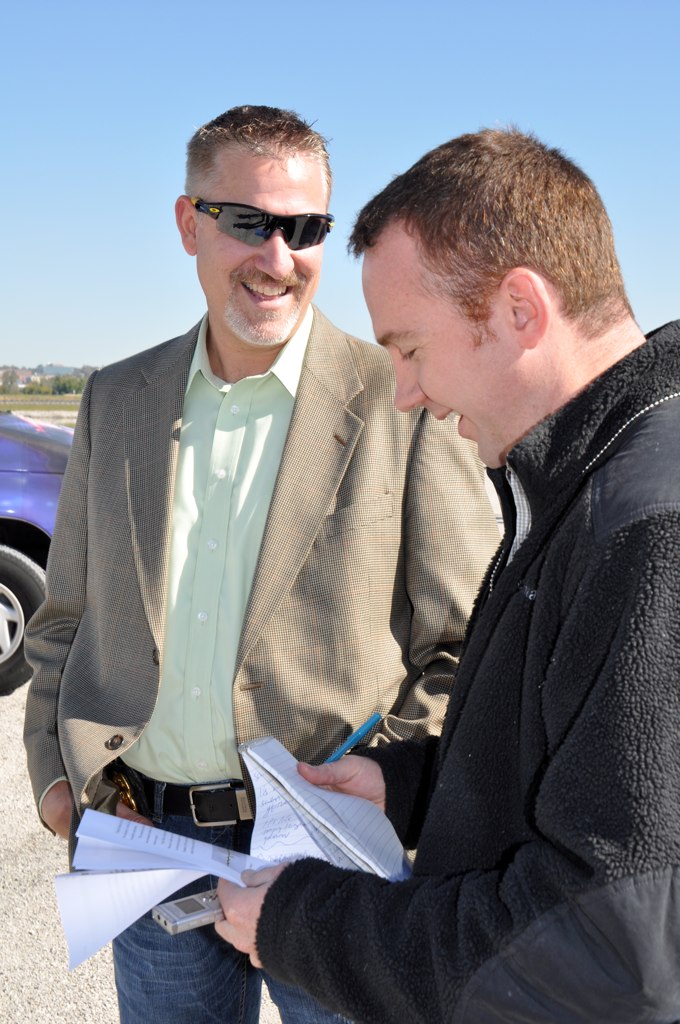
Agent Santel speaking to media.
Tim’s role focuses on passing down the critical lessons from decades of federal service, emphasising intelligence-led investigations, building prosecutable cases and improving cross-border collaboration. Whether he’s assisting on the ground or providing mentorship from afar, Tim’s work continues to be instrumental in helping African partners take ownership of complex investigations with confidence and impact.
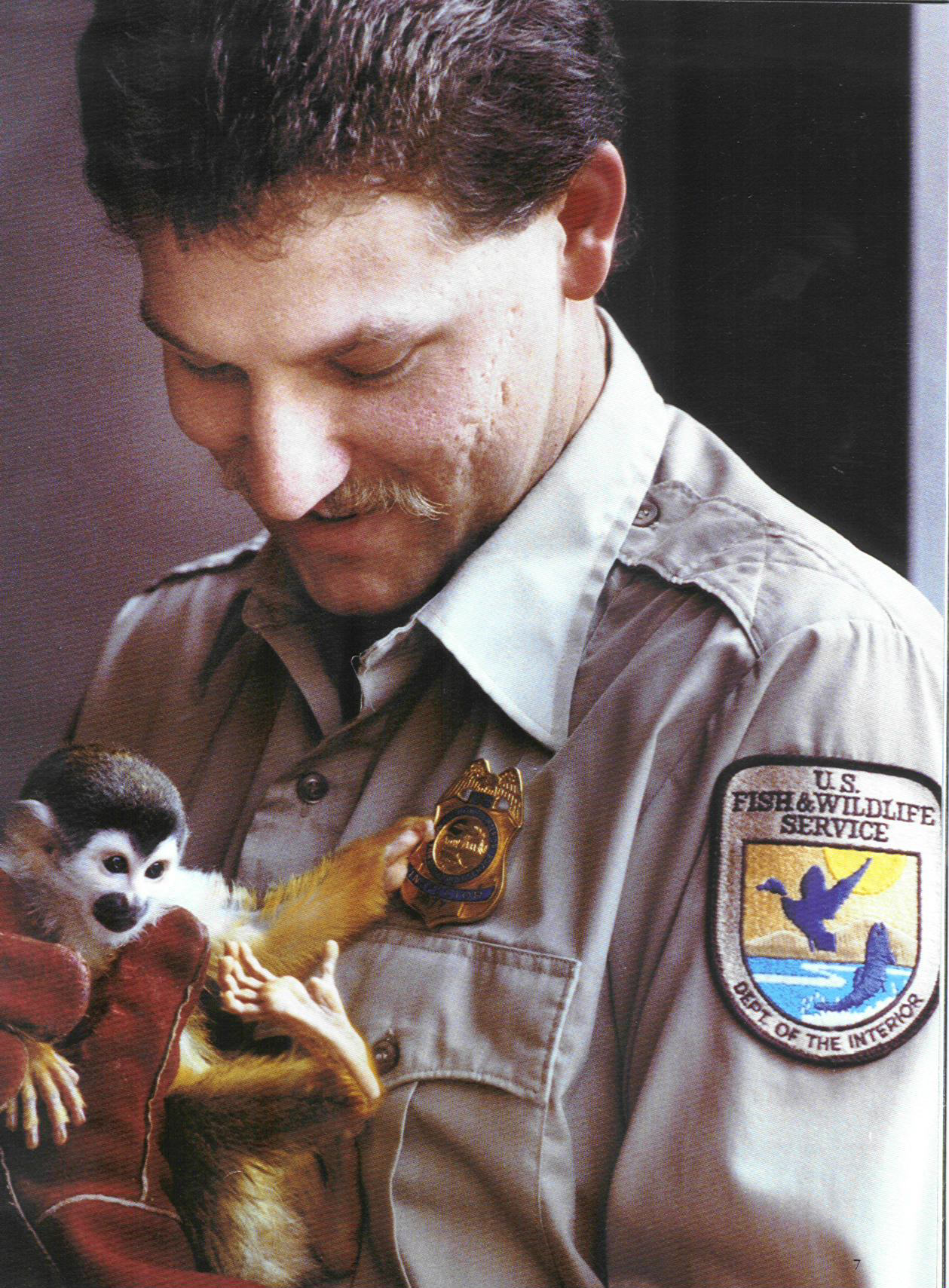
Wildlife Inspector Santel with Endangered red-backed squirrel monkey.
He views retirement not as the end, but as a reinvention of his role in the mission. “I may not wear the badge anymore, but I still serve the same cause,” Tim says. “Only now, it’s about equipping others to carry the mission forward.”
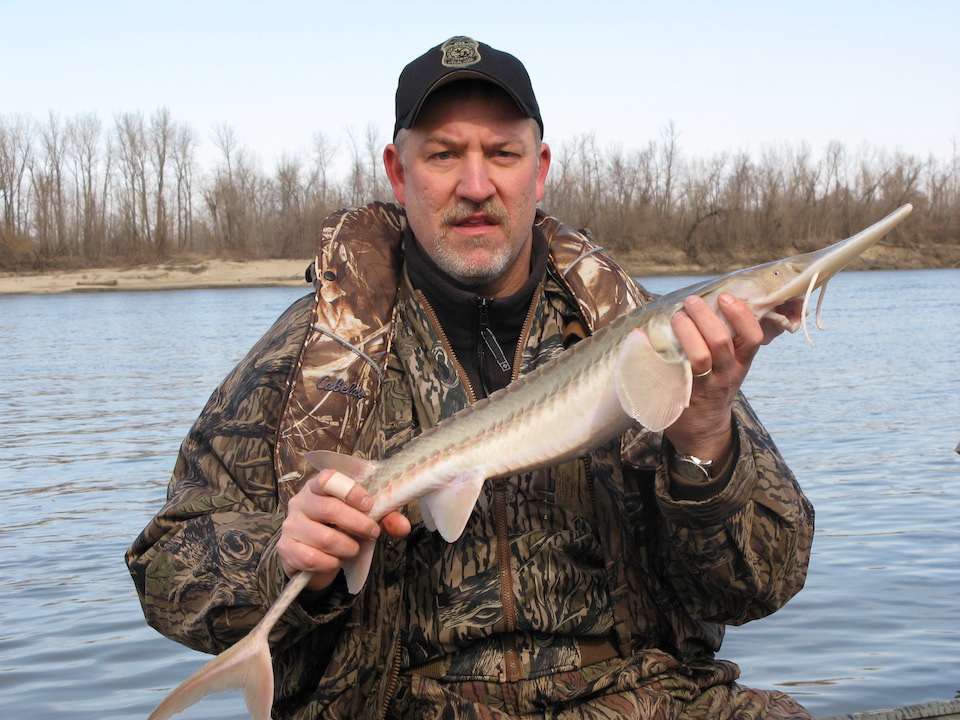
Agent Santel with paddlefish as part of the Missouri River Sturgeon Task Force, 2009.
A voice for the voiceless
Tim often recalls a quote from fellow agent Terry Grosz: “When wildlife dies, it doesn’t make a sound. We are the only voice it has.” That principle guided his entire career, from his first failed sting to his last major bust.
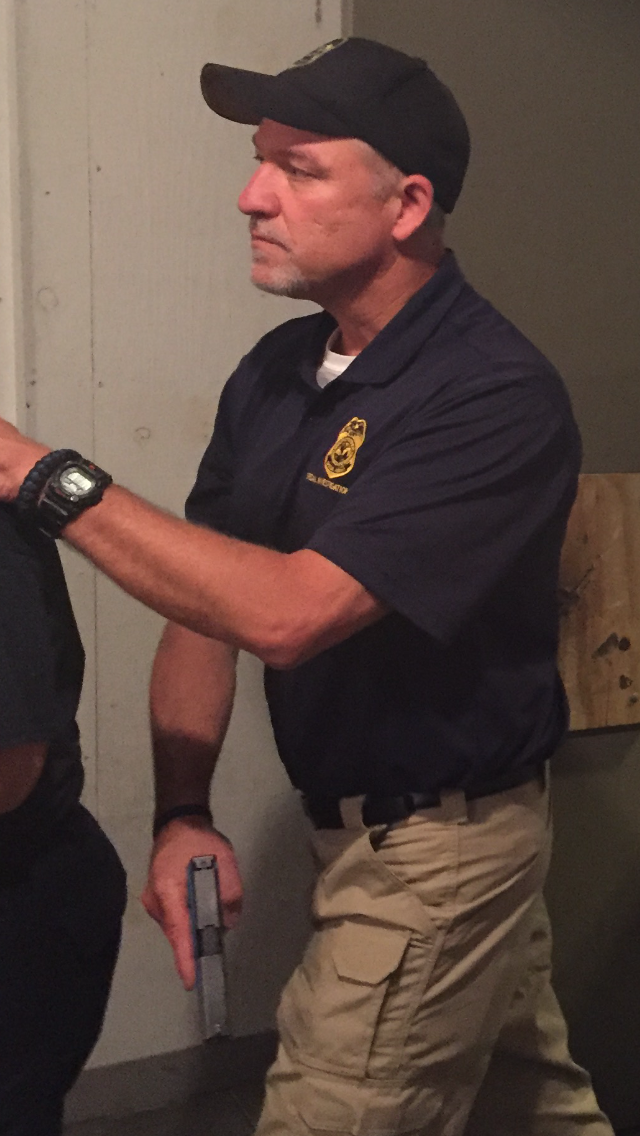
Leading a U.S. Fish and Wildlife Service training session for agents in Atlanta.
For aspiring conservationists, Tim’s legacy is both inspiration and instruction: be bold, stay curious, build your skills and never stop fighting for those who cannot speak for themselves. His journey is proof that childhood dreams can grow into global change, and that one determined voice can echo across continents for the sake of wildlife everywhere.
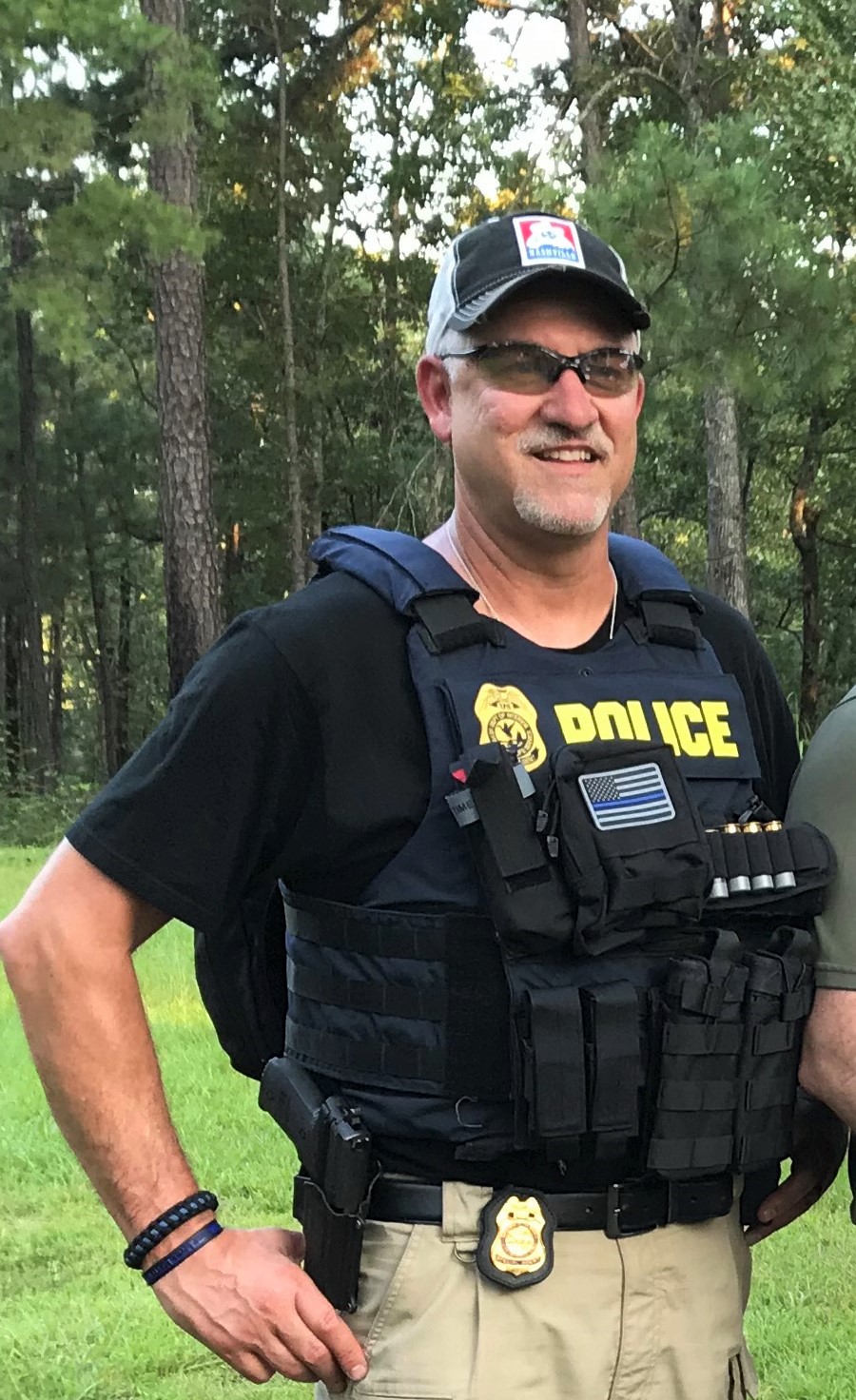
Firearms training at the range during federal wildlife enforcement instruction.
If Tim’s story lit a fire in you, it’s time to take the next step. Whether you’re a student seeking direction, a professional considering a career pivot or someone who simply cares deeply about our planet’s most vulnerable species, your contribution matters.
Further reading & resources
Ultimate Guide to the Key Conservation Roles – A one-stop roadmap for getting started in the conservation world – whatever your background.
How to Become a Conservation Officer or Ranger – Patrol the wild, enforce the law, protect wildlife. Discover what it takes.
Top Conservation Careers Advice for Career Switchers – Resources, real stories and advice for people making the leap into conservation from other sectors.
Focused Conservation – Learn More About Tim’s Current Work – See how Tim continues the fight post-retirement, mentoring global teams and battling wildlife crime across borders.
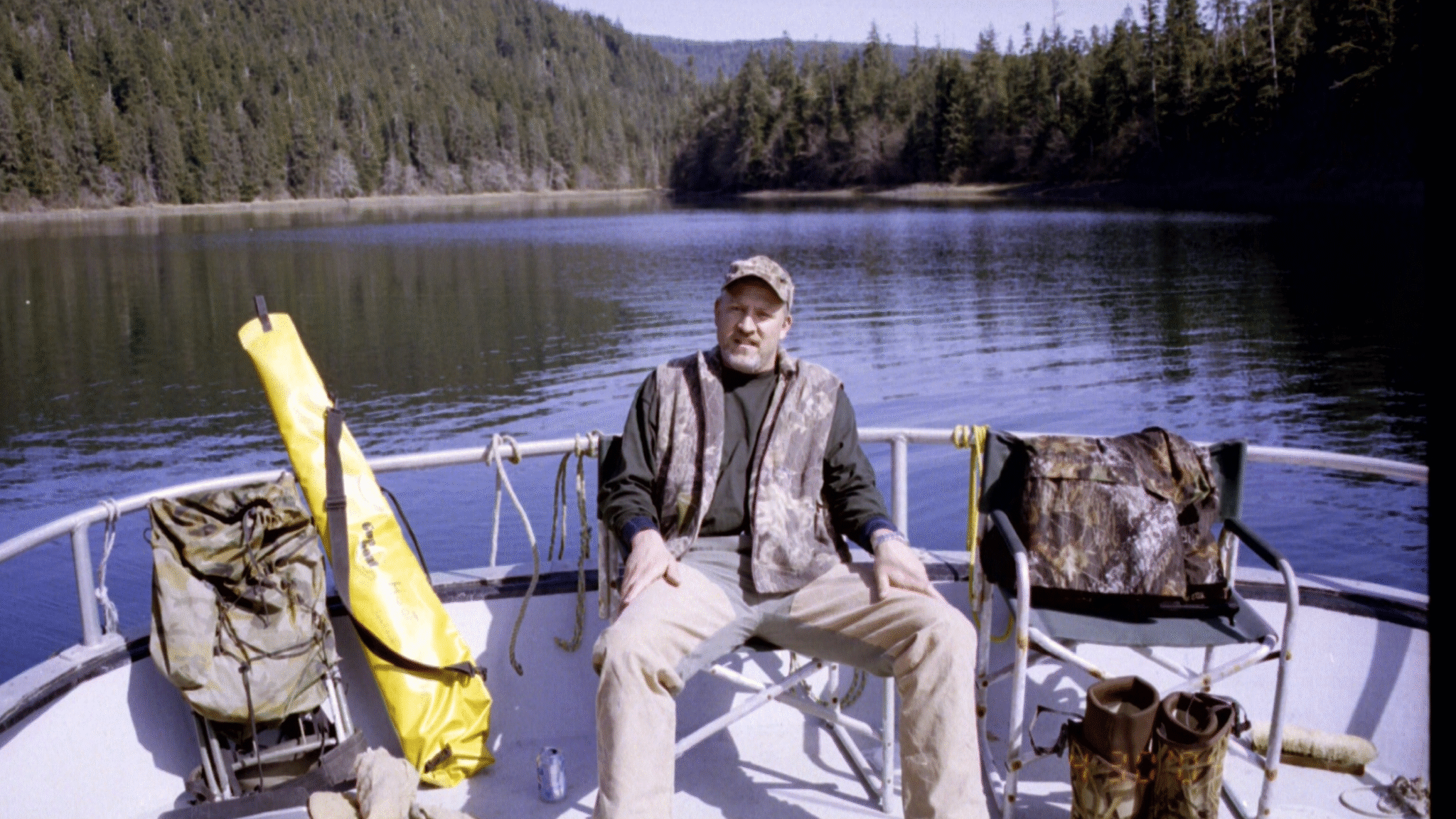
Featured image: Tim Santel undercover during an illegal brown bear trophy hunt operation in Alaska.
Author Profile | Stephanie Nicolaides
 Stephanie Nicolaides is a dedicated PhD candidate in Environmental Management at the University of the Western Cape. Her research delves into the impact of plastic pollution on the Mossel Bay coastline (South Africa), with a particular focus on the effects on marine biodiversity. Her work focuses on assessing plastic presence, local knowledge, and developing sustainable solutions. Stephanie holds an MSc in Life Sciences from the University of South Africa, where her dissertation examined the behavioural ecology of African clawless otters. She also earned her BSc Hons in Life Sciences, graduating cum laude, with an honours project on personality in Leopard Tortoises. Passionate about environmental sustainability, Stephanie is committed to advancing knowledge in marine biology and contributing to efforts to protect and preserve coastal ecosystems. Connect with Stephanie on LinkedIn.