Loneliness of the sea: An interview with South Korean conservationist, Yongki Lee

Yongki Lee is a passionate South Korean conservationist driven by social and environmental justice. After completing his national service, Yongki kick-started his career working for several non-governmental organisations (NGOs) focused on various causes, from human rights to environmental advocacy.
This included the History Forum for Peace in East Asia, Music for One Foundation and KMAG Global. Although these early roles weren’t directly related to conservation, they provided him valuable lessons about helping others across diverse contexts, from South Korea to Tanzania.
Why conservation?
“I learnt a lot about how to organise, how to communicate and how to make the best decision out of what is available. But the one thing I desired, was to make a societal change and I think there are gaps between the NGOs I was working with and the KFEM (Korea Federation for Environmental Movements).”
Following political unrest in South Korea after President Park Geun-hye’s impeachment, Yongki found inspiration in the Korea Federation for Environmental Movements (KFEM). By chance, the KFEM had an open position; he applied for the role of Ocean Conservation Activist.
“The KFEM has a history to engage and encourage people; we use citizen’s voices to claim the societal need to change.”
This passion for social justice, shines through for Yongki at the heart of the KFEM. The KFEM work’s centres on the crucial task of documenting citizen perspectives and ensuring they influence policy. The organisation works closely with the police and government bodies to integrate public opinion into environmental policies.
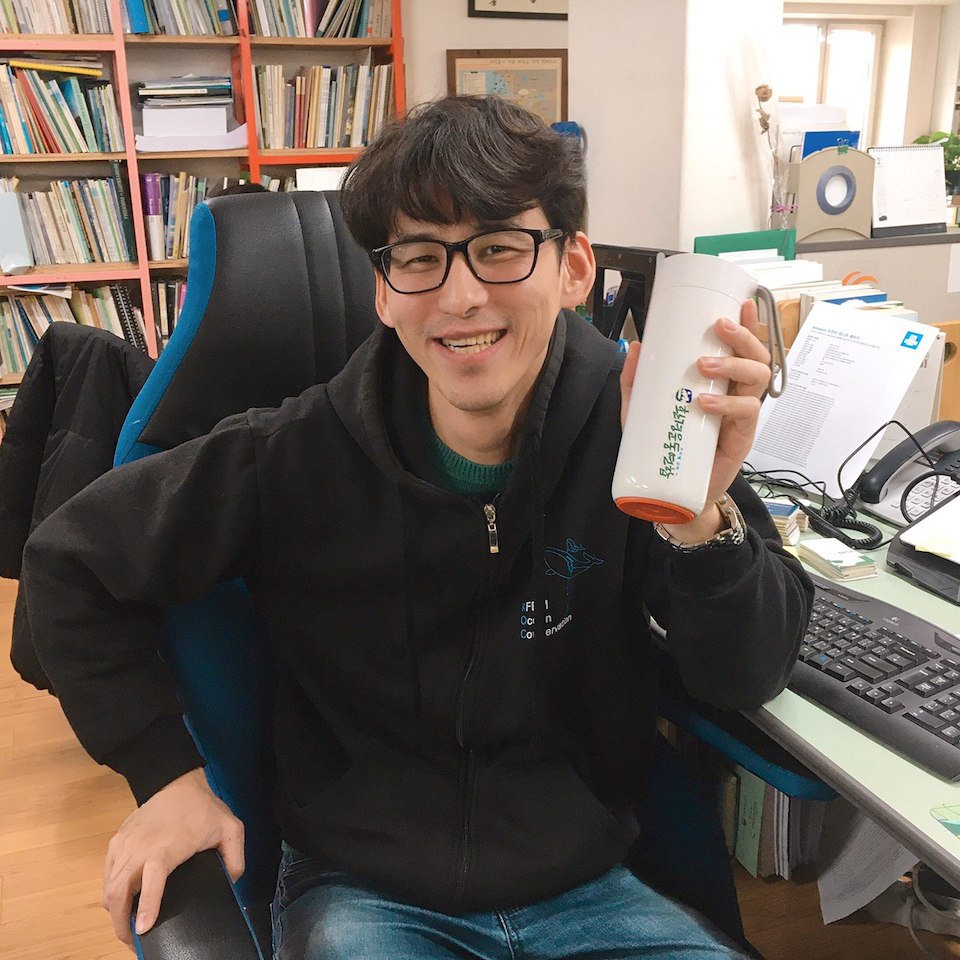
Yongki working at the KFEM.
Collaboration, coordination and planning
“Make a plan, make a scene, make a public campaign.”
Yongki noted the KFEM operates on a quarterly system to maximise impact:
First quarter = Strategic planning
In this phase, the KFEM sets its strategic direction for the year. The KFEM develops comprehensive strategies across various environmental initiatives with committees, including Climate Justice & Energy, Anti-Nuclear Movement, Land & Biodiversity, Ocean & Wetland, River Restoration, and Plastic Waste & Recycling.
Yongki highlighted the difficulty in the breadth of the topics included in each committee, such as integrating food security and agriculture into ocean and biodiversity discussions. To combat this, committee members collaborate with policymakers to pursue wide-ranging environmental reforms.
Second quarter = Research and evidence collection
In the next quarter, Yongki and his colleagues plan environmental and biodiversity days with the public. Yongki himself conducts field research to collect evidence, a rare practice amongst his peers.
Yongki strives to build a complete picture of ocean-related issues through checking the news, monitoring the media, coordinating with police contacts and gathering information from central government sources. By staying connected, he ensures that the KFEM remains on top of emerging environmental issues and their potential impacts.
“I check to figure out what kind of issue we are raising today or this week or in the coming months.”
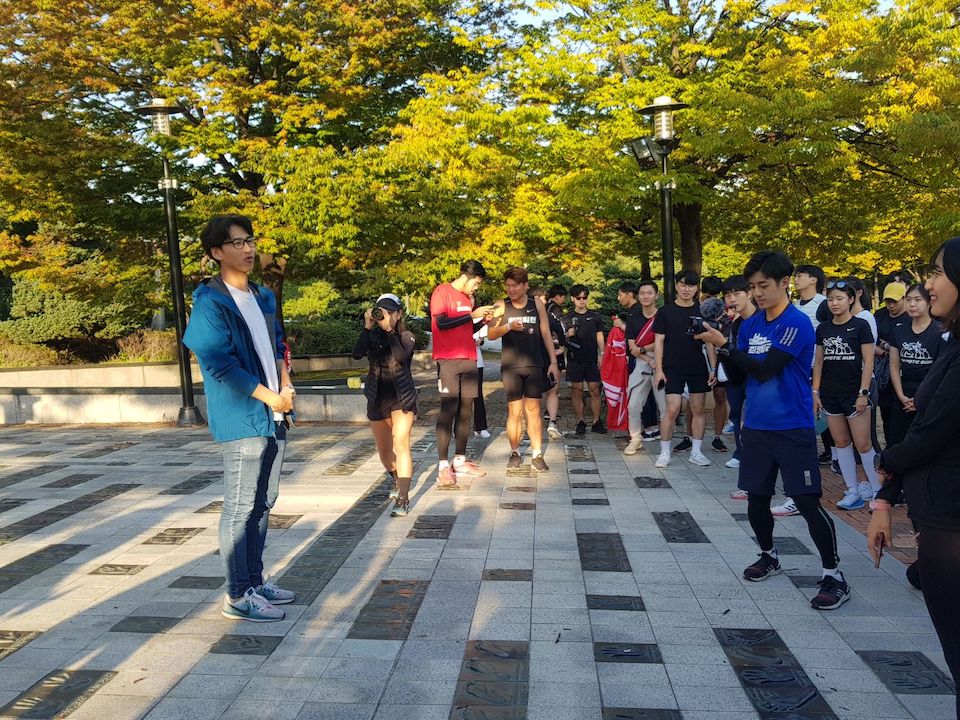
Yongki conducting field work / engaging with citizens.
Third quarter = Public engagement
The organisation then presents all collected evidence to the public. The KFEM engages citizens through media campaigns and works with government officials to influence policy change. In certain situations, international pressure may be leveraged when necessary to effect change.
“We may pursue police members, use our issue to raise their voices to influence central government such as the ministry of ocean and fishery to change their mind and policy direction.”
Fourth quarter = Financial planning
The final quarter centres around securing funding and allocating the budget for the upcoming year’s environmental projects. This ensures that the necessary resources are available to continue the fight for a healthier planet.
Key KFEM initiatives
Key topics Yongki’s work at the KFEM has centred on include:
1. Formation of Marine Protected Areas
South Korea currently protects only 1.8% of its waters, far below the Convention of Biological Diversity (CBD) target of 30% by 2030. Political borders and international jurisdictions complicate protection efforts; to put it simply, it is unclear who can protect what.
“The Korean government argued that 430,000 square kilometres is our area but according to the numbers, 1.8 percent is a protected area, so we need to improve 28.2 percent more, within 5 years.”
Furthermore, under South Korean protected zones it is also still possible to fish and conduct other recreational activities. It is only impossible to build near the coast. Yongki reflected that because of the changing governments, he thinks it will be very hard for South Korea to meet the CBD goal of achieving 30% protected by 2030.
Yongki reflected that whilst he can feel “some improvement from the public opinion, it is not enough. It is like an iceberg; we see the top ice on the water, but the biggest problem is under the water.”
2. Tackling Illegal, Unregulated and Unreported (IUU) fishing
South Korea faces significant challenges in regulating both distant water and coastal fisheries. When it comes to regulating fisheries, South Korea follows international agreements and guidelines. The NOAA (National Ocean and Atmospheric Administration) in the US produces yearly reports on IUU (illegal, unregulated and unreported) fishing, bycatch and shark catch. This report identifies nations that are found to have vessels engaged in IUU in distant waters.
South Korea has been designated as an IUU country both in 2015 and in 2019. In 2020, Korea was identified as being a nation that ‘lacked a regulatory program comparable to that of the United States to reduce the bycatch of protected marine life in their fishing operations’.
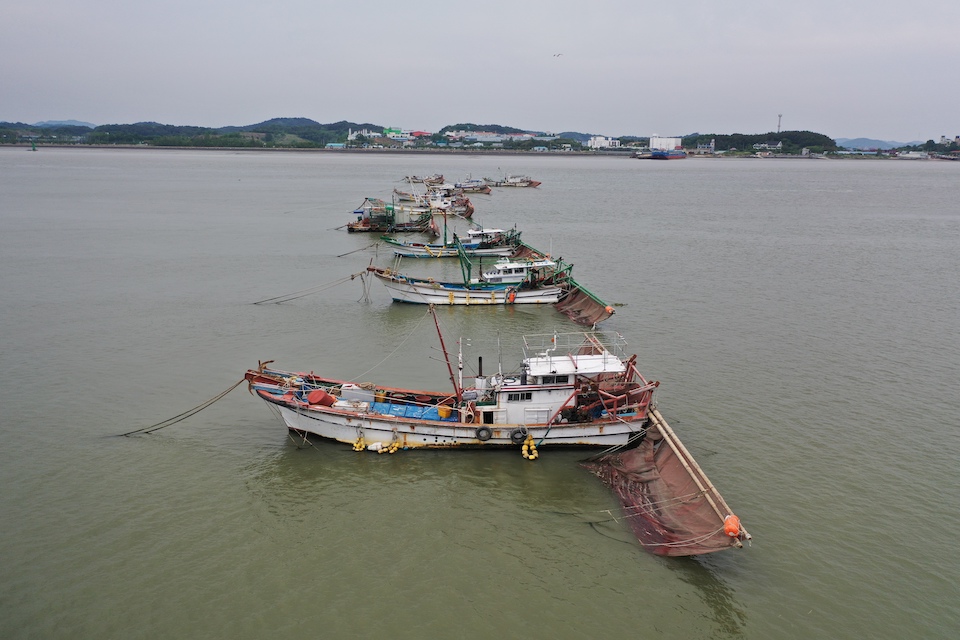
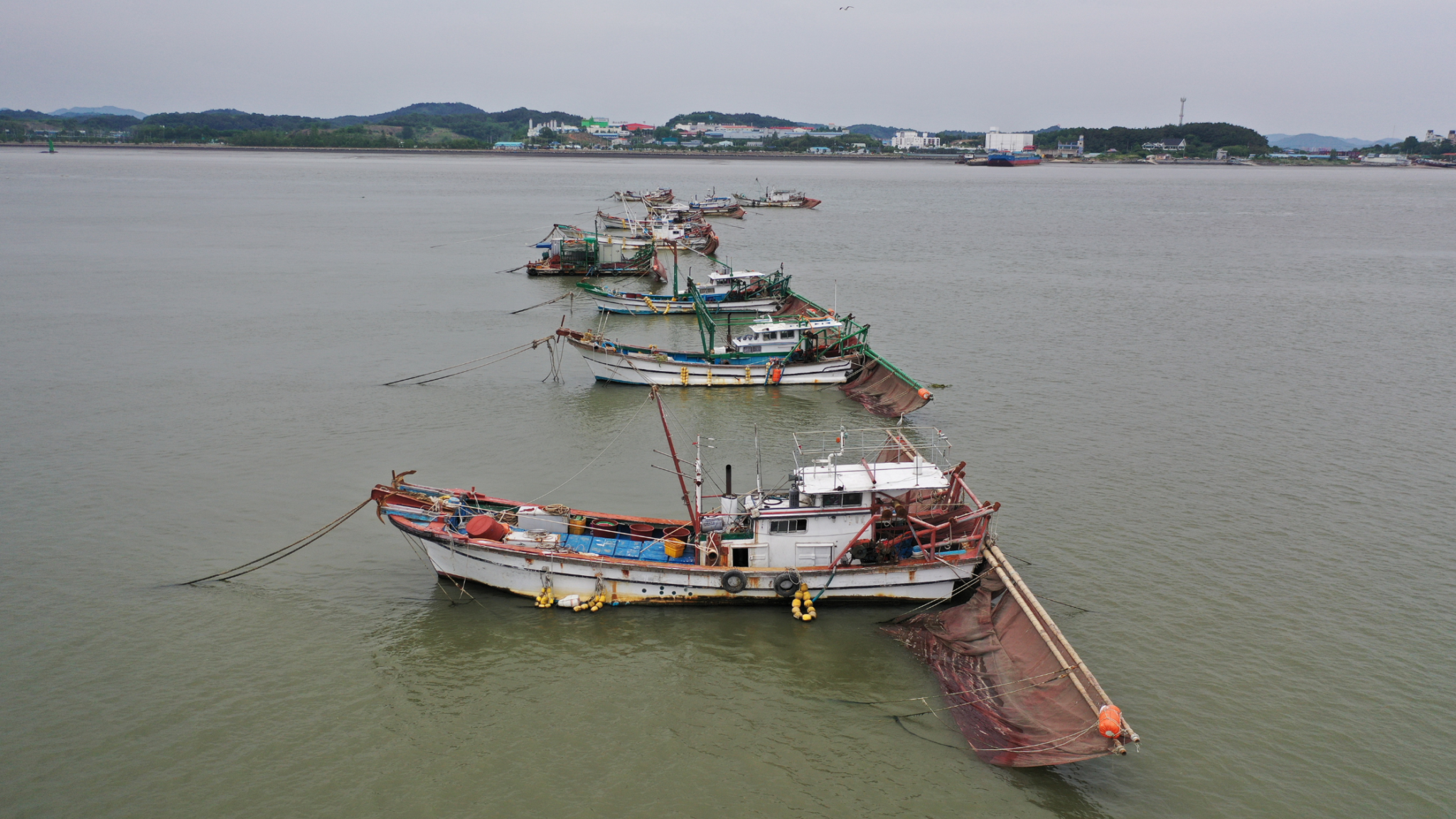
South Korean fisheries.
Due to this status, under the agreement, the US and the EU can impose trading restrictions. This is significant in South Korea as domestically, it is very difficult to regulate fishing due to political, social and economic issues.
Yongki reflected on the following challenges in regulating IUU:
- Taboo: There is a shared belief that fishing communities are vulnerable and often poorer, because of this they are seen as needing protection to sustain their livelihoods. Yongki in part agrees with this, however he reflected that there is another wider taboo: that fishermen are using illegal methods.
“I would say over 95% are doing IUU fishing, they are using an illegal method to catch fish. Everyone knows this but it is a taboo in Korea”.
Everyone is aware of the problem, however as the fishermen are poor and hardworking people, Koreans shy away from the environmental issue, which as Yongki puts it, is ‘a disaster.’
- Wider societal change takes time to occur: For meaningful change to take place the government must first initiate reforms, which then have a ripple effect on the wider public. Currently, the South Korean government has set a baseline for measuring the number of fish being caught, but this measure has been insufficient. As Yongki points out, the last “five years have been spent under the marginal line,” meaning fish populations continue to decline and cannot replenish at the current rate.
Yongki further commented that because of beliefs and taboos, the environmental topic of IUU fishing remains largely invisible in mainstream society. This makes it difficult to generate widespread public support. As Yongki reflects, societal change takes time, and shifting cultural attitudes toward such environmental issues is a gradual process.
- Limited number of conservationists in South Korea: a challenge amidst competing economic sectors
“There are major voices in economy expressed and they are focused for poor people, we support poor people to catch more, we don’t restrict them to reduce their product.”
3. Managing Ocean Debris
In 2024, Yongki authored his first book, “Loneliness of the Sea”, a powerful reflection on his seven years working in ocean conservation in South Korea. Drawing on his unique experiences working out in the field, a rarity, when most people spend their time researching behind a desk.
The first half of the book focuses on the critical issue of ocean debris, a hot topic in South Korea, due to public awareness of the high contamination in the ocean of microplastics. Yongki reflected how not that long ago it was common practice to throw waste into the ocean. Back then, the scale of plastic waste was hard to measure, and its long-term consequences were largely overlooked.
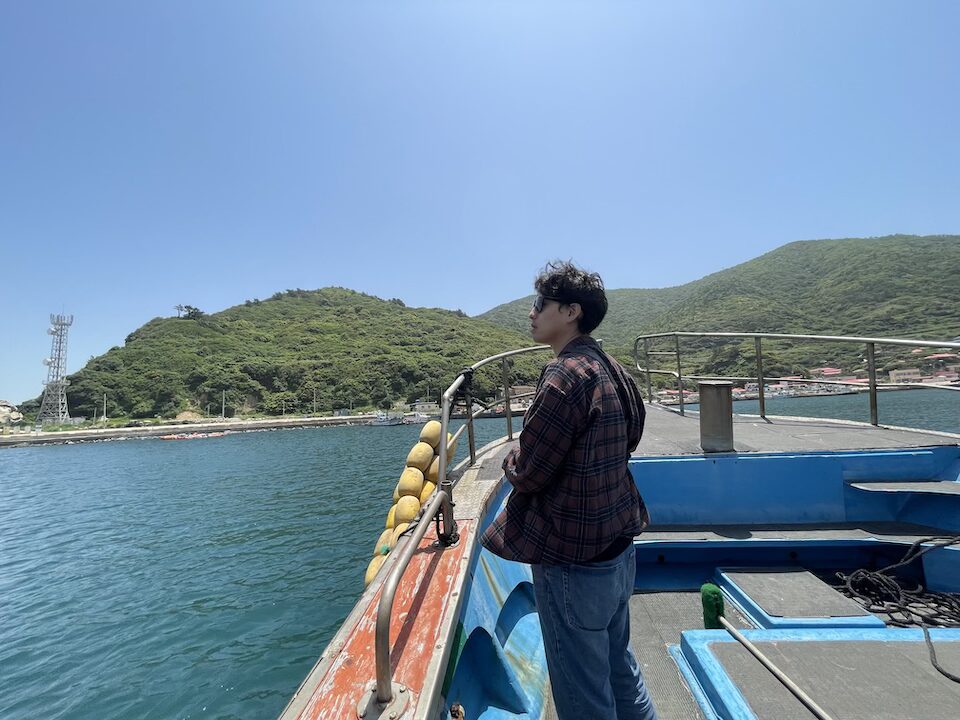
Loneliness of the sea book cover.
Despite government collection efforts, the disposal-to-collection ratio remains problematic. “According to WWF reports, we’re consuming the equivalent of one plastic card weekly,” Yongki notes.
“I think our solution is not enough. People are trying to use more petrochemicals and the plastic waste is all from the petrochemicals, but no one talks about the petrochemical problem.”
Conservation victories
Despite the scale of the conservation challenge in South Korea, Yongki reflected on some key conservation wins:
- After being designated as an IUU fishing nation in distant water and despite significant hurdles, the KFEM helped push for stricter regulations around illegal fishing practices, this Yongki described as a success.
- Thanks to their tireless campaigning, Yongki and his KFEM colleagues succeeded in influencing the government to change the Fisheries Management Act, including new size limits for fish catches,moving away from South Korea’s preference for juvenile food products.
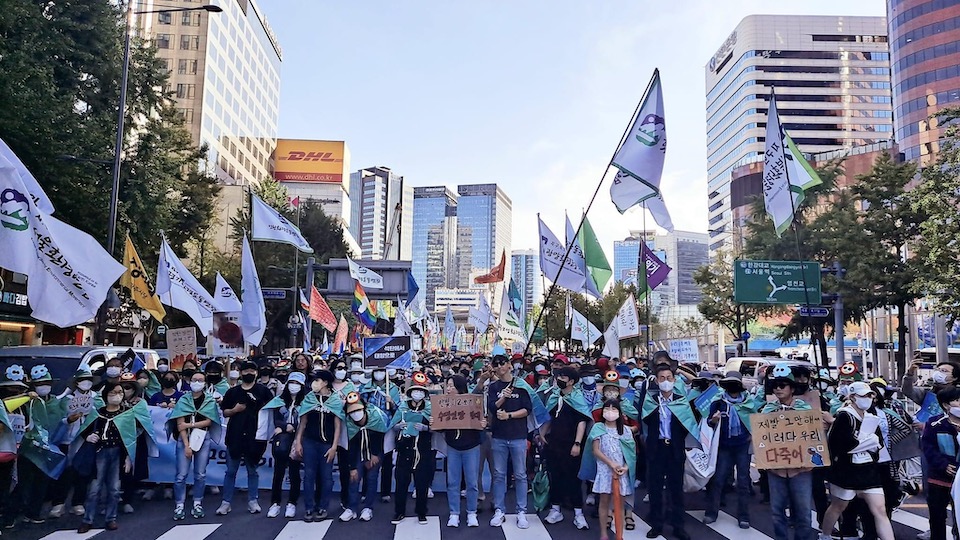
Yongki and colleagues campaigning with the public.
The road ahead
Yongki is currently studying in Canada, continuing his work in ocean conservation and environmental advocacy. To hear more about his work and experiences in conservation in South Korea, and any advice for young conservationists, stay tuned for They don’t want to let me in: How one conservationist got their foot in the door.
Stay in touch!
Find out more about Yongki’s work at the KFEM.
Get involved in conservation advocacy
Interested in learning more about environmental policy, conservation strategies or how to launch your own conservation project? Check out these resources for guidance:
- Conservation Careers – Explore career opportunities, advice, and resources tailored to those looking to make an impact in the field of conservation. Check out our Top Conservation Careers Advice for Job Seekers and our advice on how to be a Conservation Policy Advocate
- KFEM (Korea Federation for Environmental Movements) – Get involved in ocean conservation and environmental activism.
- UN Environment Programme (UNEP) – Learn about international environmental policies and initiatives.
Author Profile | Laura Hayter
 Laura is a creative professional with a Master’s in Marine Systems and Policies, she is driven to combine her passion for writing with ocean conservation. Her focus lies in understanding human relationships with natural environments. As a Sustainability Officer for her local council, Laura applies her expertise daily while pursuing creative writing in her free time. Explore Laura’s portfolio or connect with her on LinkedIn to learn more about her work in marine science and sustainability.