See. Feel. Act. Why storytelling is the new science of conservation

What happens when a biologist swaps the microscope for a camera, and discovers that storytelling can be just as powerful as science?
From Arctic expeditions to coral reefs, from UNESCO heritage sites to naval and research vessels, Casper Tybjerg’s journey has spanned over two decades and 64 countries, a lifetime dedicated to showing the world not just what’s wrong with nature, but what’s still right.
At a time when headlines overflow with crisis, his mission is disarmingly simple: to restore wonder. Through his lens, science becomes art, conservation becomes communication, and optimism becomes an act of rebellion.
Whether collaborating with the Royal Danish Navy or mentoring young storytellers through Our World 2050, Casper bridges worlds, between people and planet, reason and emotion, hope and hard data.
Because, as he says, “You can’t protect what you don’t know.”
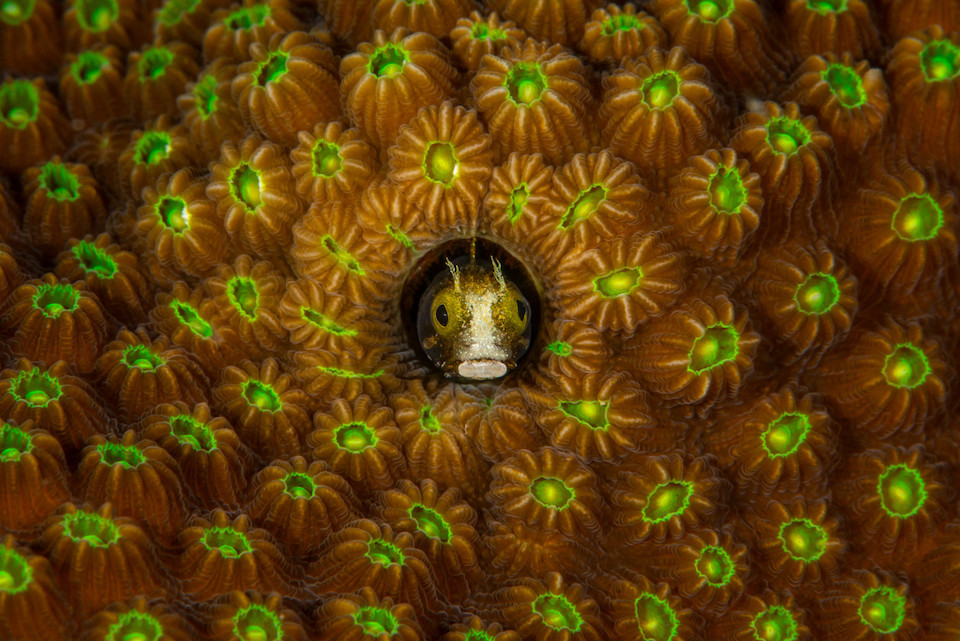
A small fish peeks out from a coral colony, demonstrating symbiotic relationships within reef ecosystems.
From curiosity to calling
Raised near the sea in Denmark, Casper’s parents were uneasy about water, yet ironically, it became his greatest teacher. By the time he was sixteen, he had logged over a hundred dives. “The ocean gave me freedom,” he says. “It showed me how fragile life is, and how much we depend on it.”
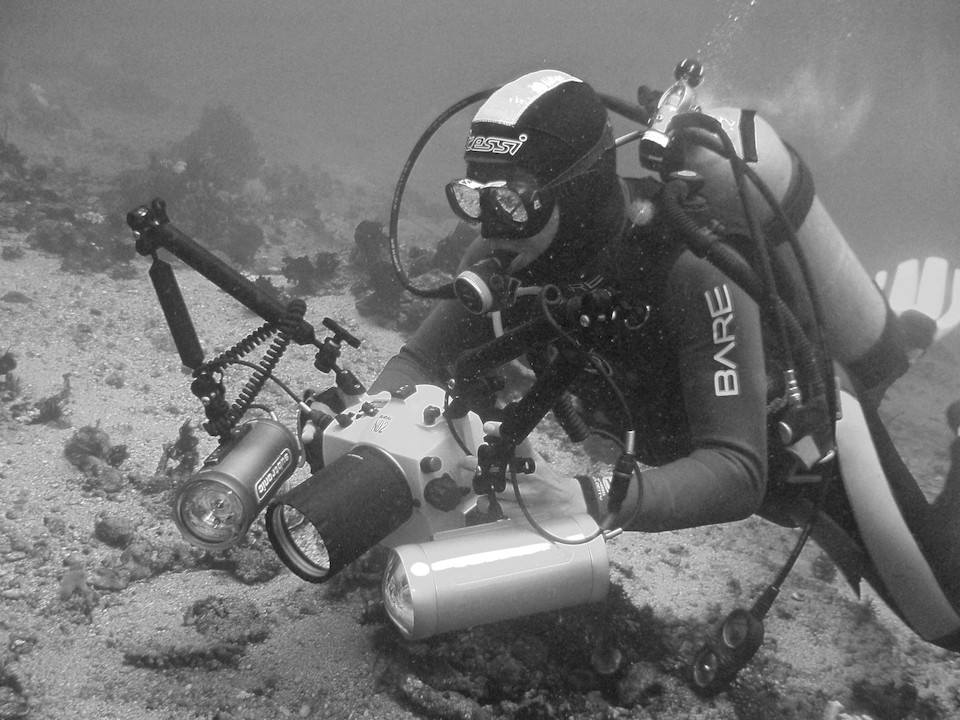
Underwater field documentation using advanced camera equipment during one of Casper’s marine research dives.
After earning a degree in Biology at Aarhus University, Casper expected to become a researcher. But one day, while studying fungi, he had what he calls his “root moment.”
Learning about how mycorrhizal networks connect entire forests beneath the soil, he realised that interconnection was the lesson he was meant to share, not just scientifically, but spiritually.
“Humankind is also interconnected,” he reflects. “I wasn’t meant to study nature. I was meant to communicate it.” That revelation transformed him from scientist to storyteller.
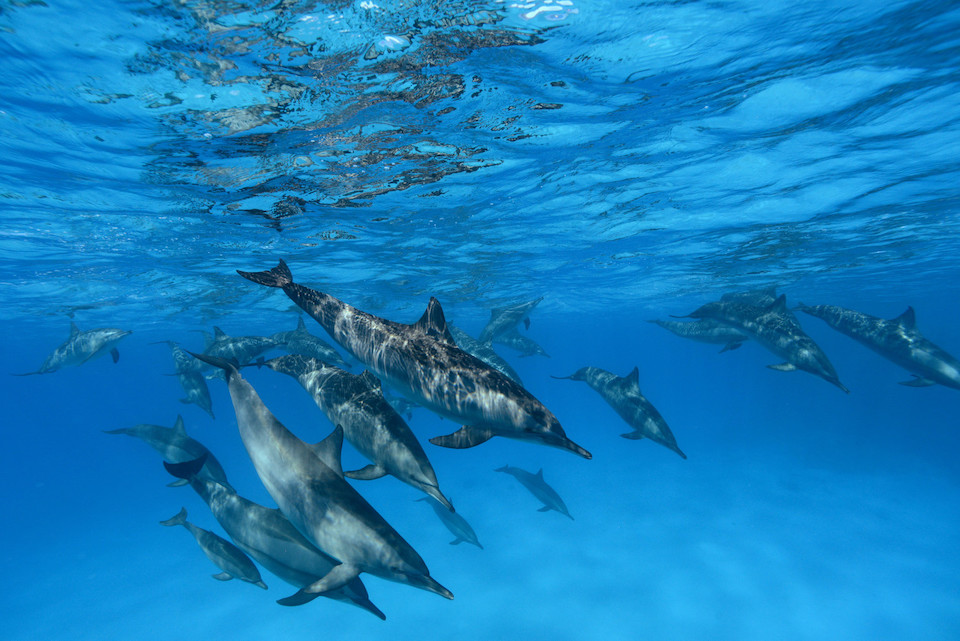
A pod of spinner dolphins glides through shallow blue waters during daylight observation.
From science to storytelling
Photography became his bridge between worlds. His underwater images introduced people to the silent beauty beneath the surface, creatures that most would never see firsthand. “I’ve always felt responsible for showing the unseen,” he says. “Because people protect what they understand, and they understand what they’ve seen.”
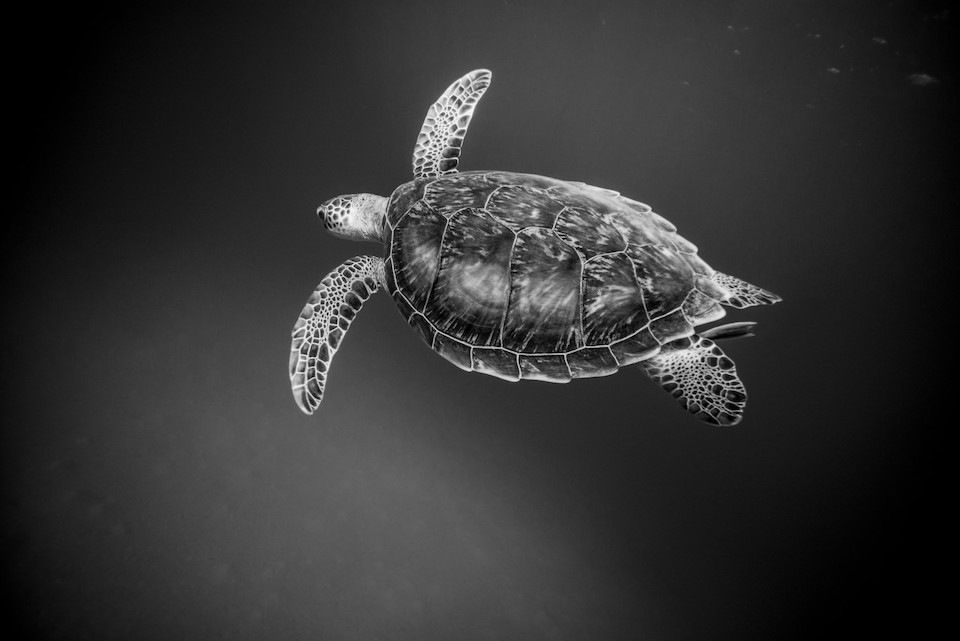
A sea turtle glides through open water, one of many marine species Casper has photographed during his underwater assignments.
His photographs soon caught the attention of Nikon, UNESCO and the Royal Danish Navy. Collaborating with the Navy on the SeaWatchers campaign, he helped create one of Europe’s largest marine volunteer initiatives, mobilising 31,000 citizens to remove more than 700 tons of marine litter annually.
For Casper, it was proof that the public doesn’t need to be lectured into action, they just need to be invited.
“Fear leads to paralysis,” he says. “Hope leads to action.”
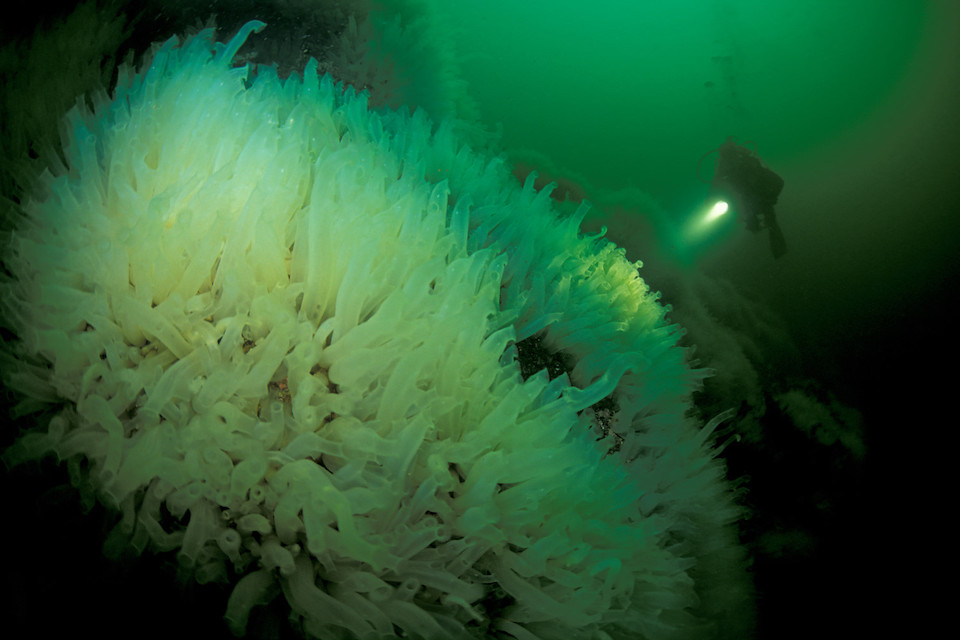
A diver (Casper’s wife, Karina) illuminates a dense colony of ascidians during a deep-water survey in Norway.
The power of a picture
Casper’s favourite photograph isn’t of whales or coral reefs, but of a small green huntsman spider on a leaf. “It was nothing spectacular,” he admits, “but it made people talk.”
The image went viral, inspiring media discussions about biodiversity and even catching the attention of royalty. “It reminded me that beauty changes perception faster than facts.”
For Casper, photography is not about fame, it’s about resonance. “A picture has a pulse,” he says. “If it makes someone care, that’s success.”
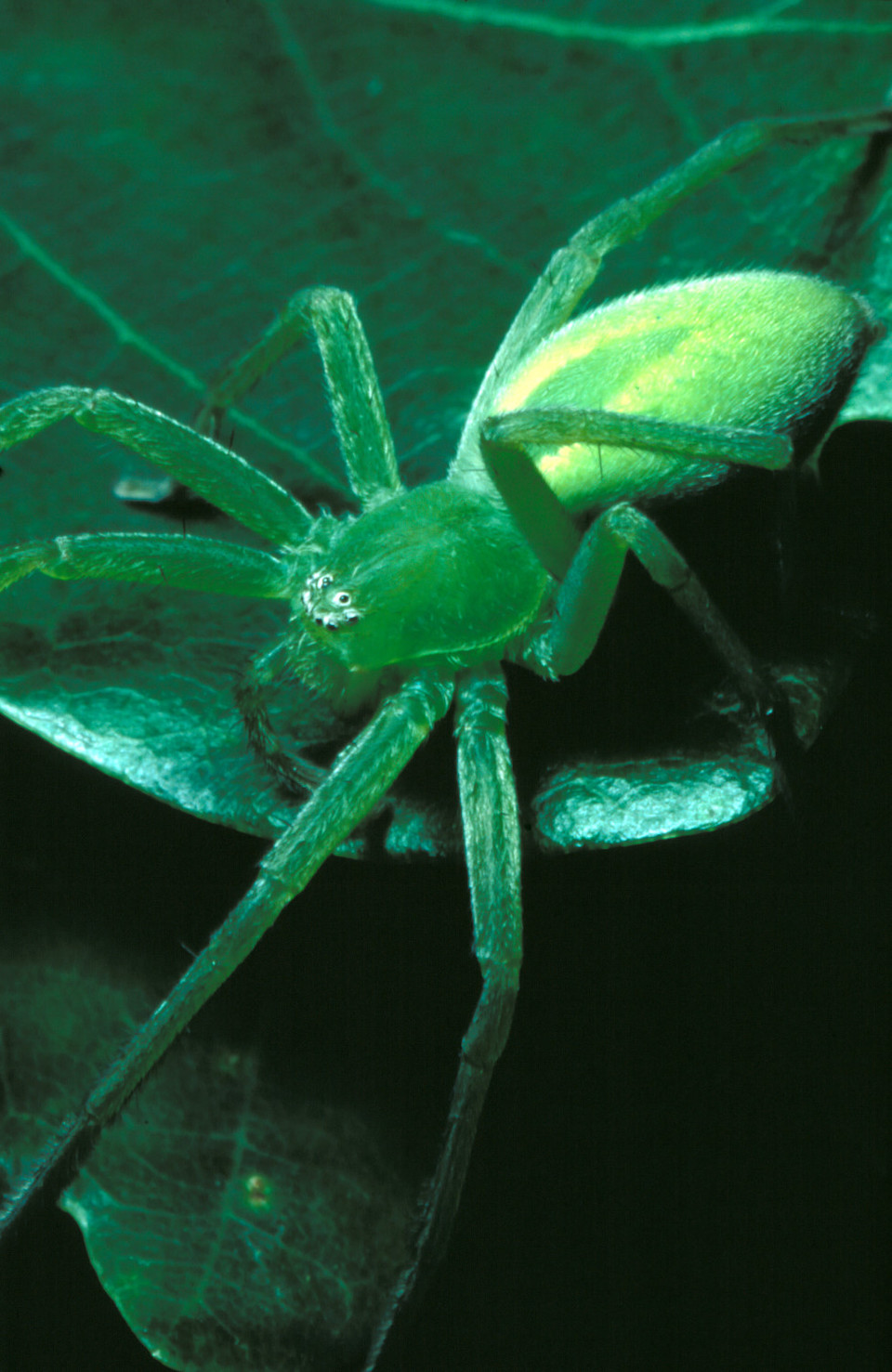
A huntsman spider, known for its exceptional camouflage and agile hunting skills, rests motionless on a leaf, blending perfectly into its surroundings.
Positivity as an act of rebellion
In an era where environmental stories are often framed through fear and despair, Casper stands for the opposite. “When people lose hope, they stop acting,” he says. “We need to tell stories that move the human spirit.”
He believes that optimism itself is a form of conservation, a rebellion against apathy. “We don’t need to agree on everything,” he adds. “But together, we can become wiser.”
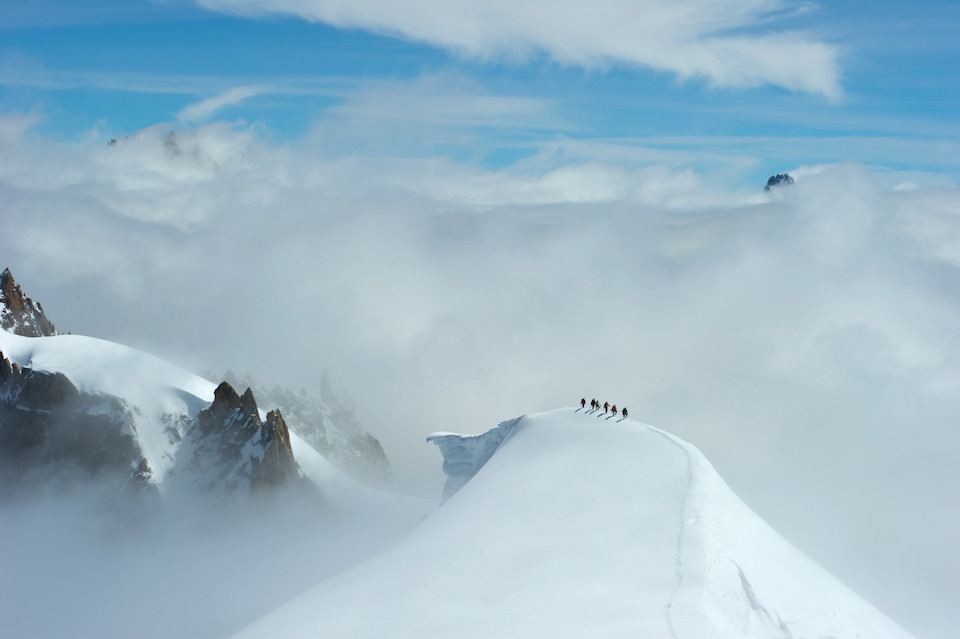
Mountaineers traverse a snow ridge high above the Alps, where Casper often works to document remote natural environments.
Lessons for aspiring conservationists
For those standing at the threshold of their own conservation journey, Casper’s wisdom is both practical and deeply human, a reminder that growth happens where courage meets curiosity.
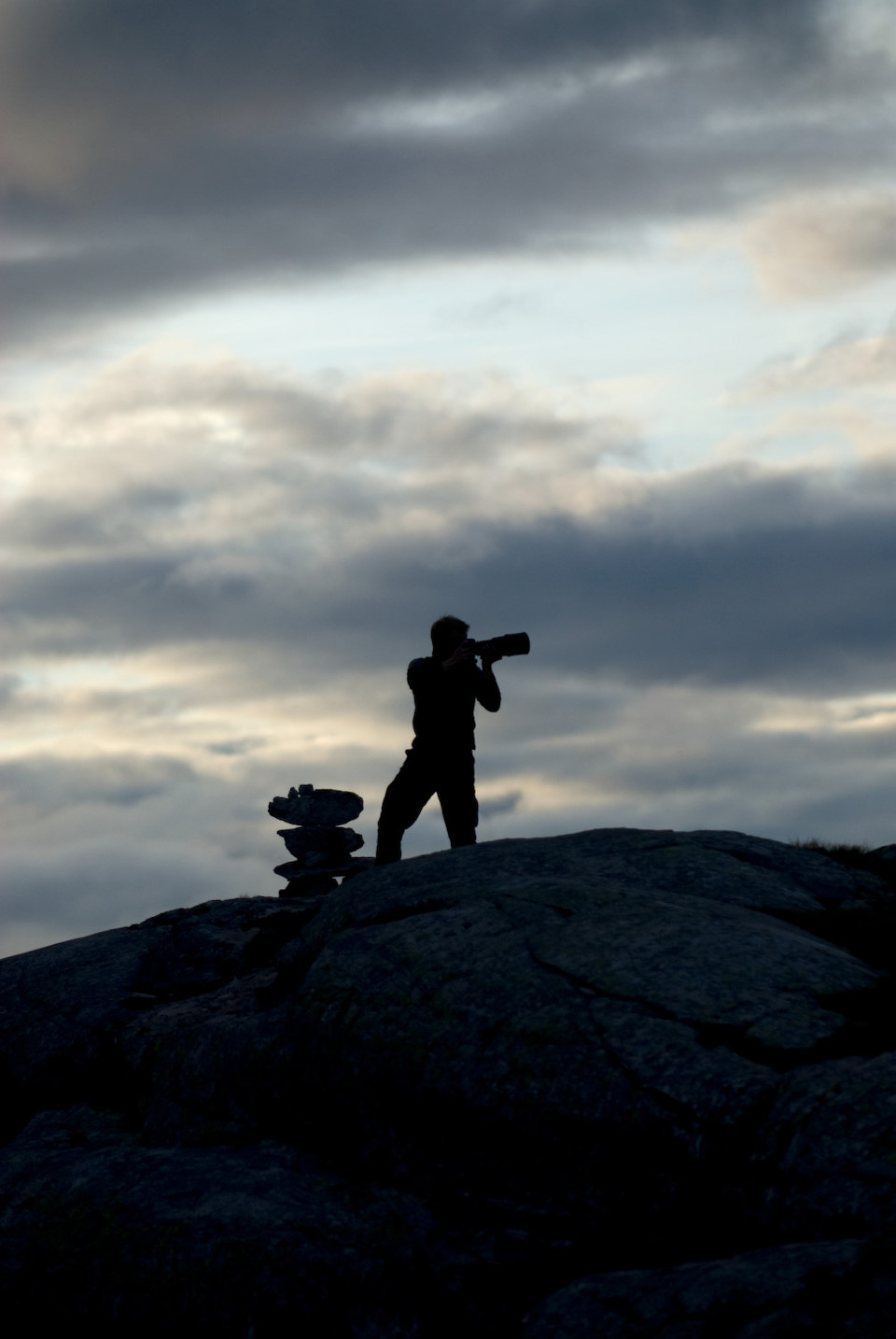
Casper silhouetted against the horizon while capturing landscape images at dusk.
Step outside your silo: “Conservation isn’t a solo act,” he says. “Whether you’re a scientist crunching data, an artist painting reefs, or a communicator telling their stories, progress lives in the space between disciplines.” Collaboration, not competition, fuels real change. The ocean doesn’t work in isolation, and neither should we.
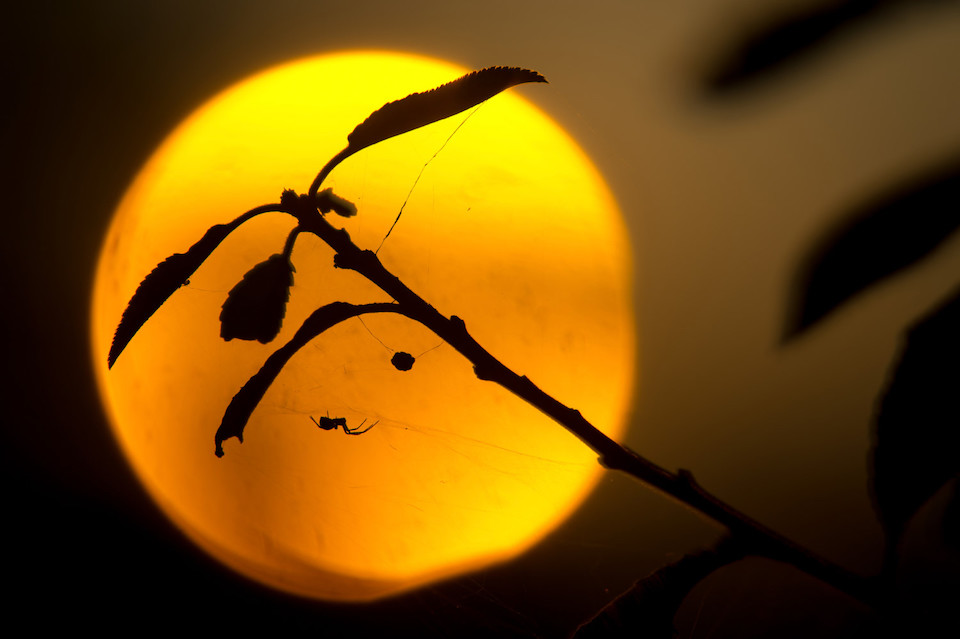
A spider web silhouetted against sunset, illustrating the detail and patience behind macro wildlife photography.
Learn by doing: “Experience is the best teacher,” Casper reflects. “I once photographed tennis matches to train my reflexes for bird photography.” His point is simple: mastery is born in motion. Every experiment, failure or side quest adds a layer to your craft. In nature, even detours have purpose.
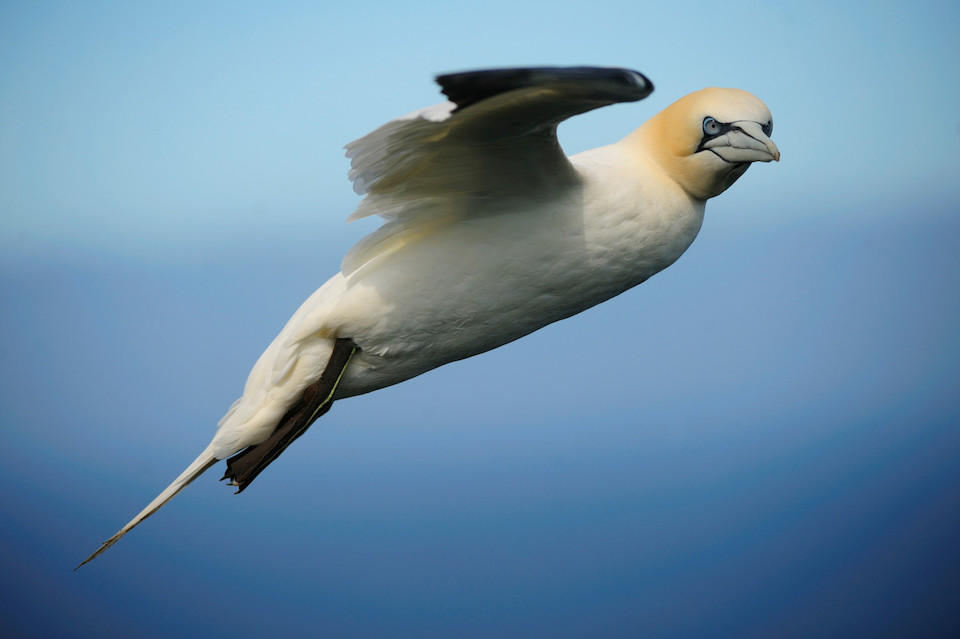
A Northern gannet in flight above the open sea.
Find mentors early: “Professors are human,” he laughs. “Ask questions. Reach out. Most will surprise you.” Conservation can feel daunting, but mentorship turns complexity into clarity. Seek those who’ve walked the path, and when you can, light the way for someone else.
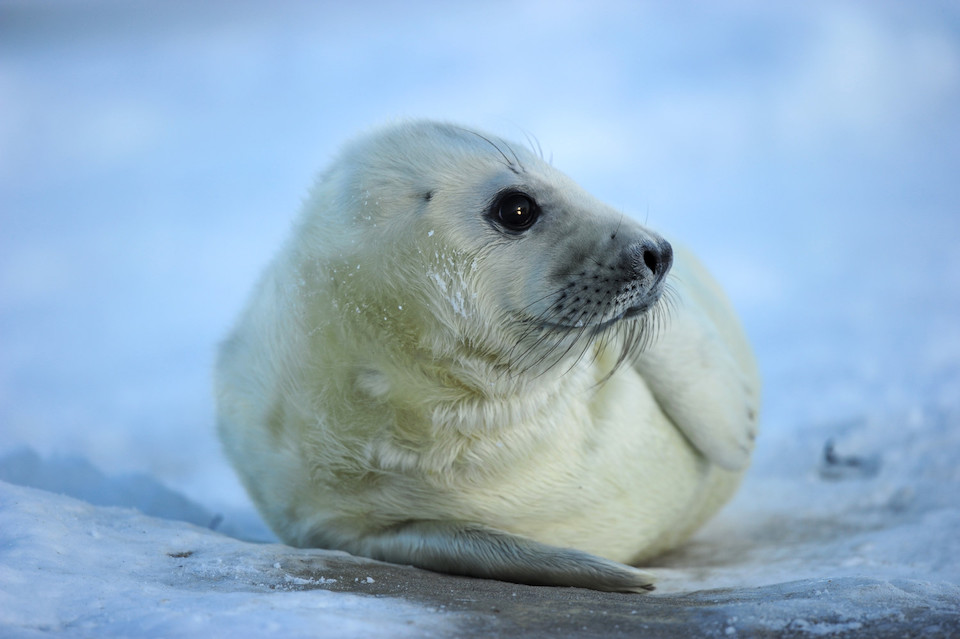
A grey seal pup rests on sea ice during winter field documentation.
Create your own path: “Don’t wait for permission,” he says. “Start a project. Build something. Courage is contagious.” Conservation needs more builders, people who see a gap and fill it, who start small and think big. Because every ripple, no matter how small, begins with movement.
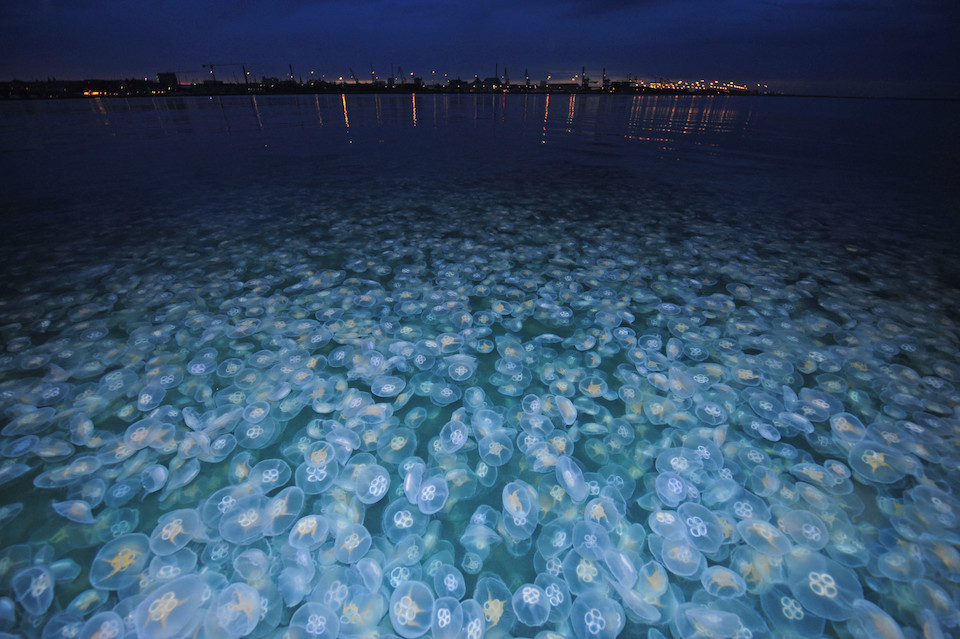
Thousands of jellyfish drift near a harbour at dusk.
Above all: Stay curious: Curiosity isn’t just a skill, it’s a form of empathy. To stay curious is to stay open, to keep asking what the world needs and how we can serve it better. “The more I learn,” Casper says, “the more I realise how much we belong to the world, not the other way around.
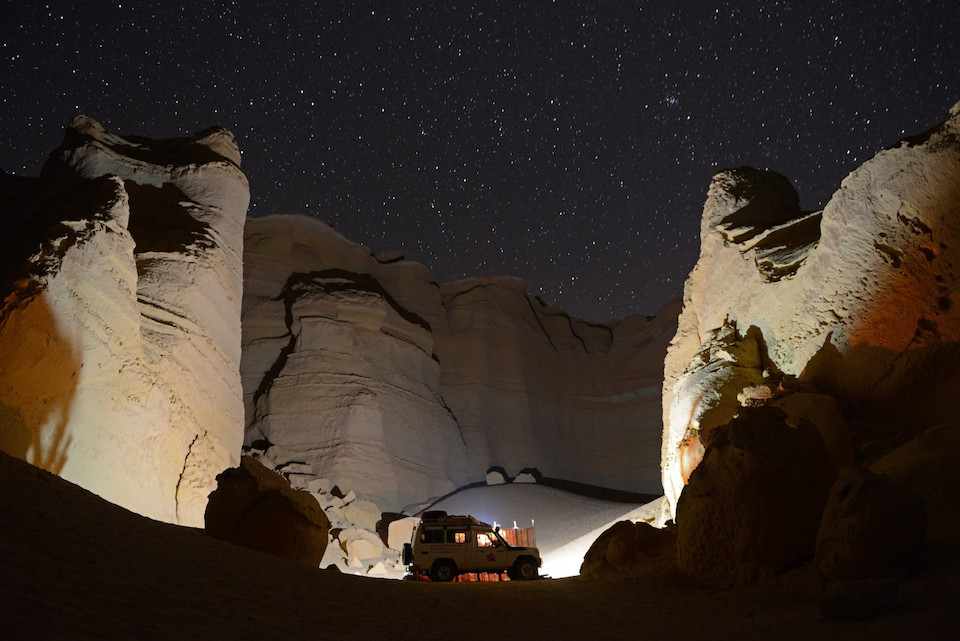
Night photography setup in a desert canyon, capturing light and landscape interactions.
A bridge between Worlds
Today, Casper continues to travel and collaborate globally, blending art, biology, and activism in a uniquely human way.
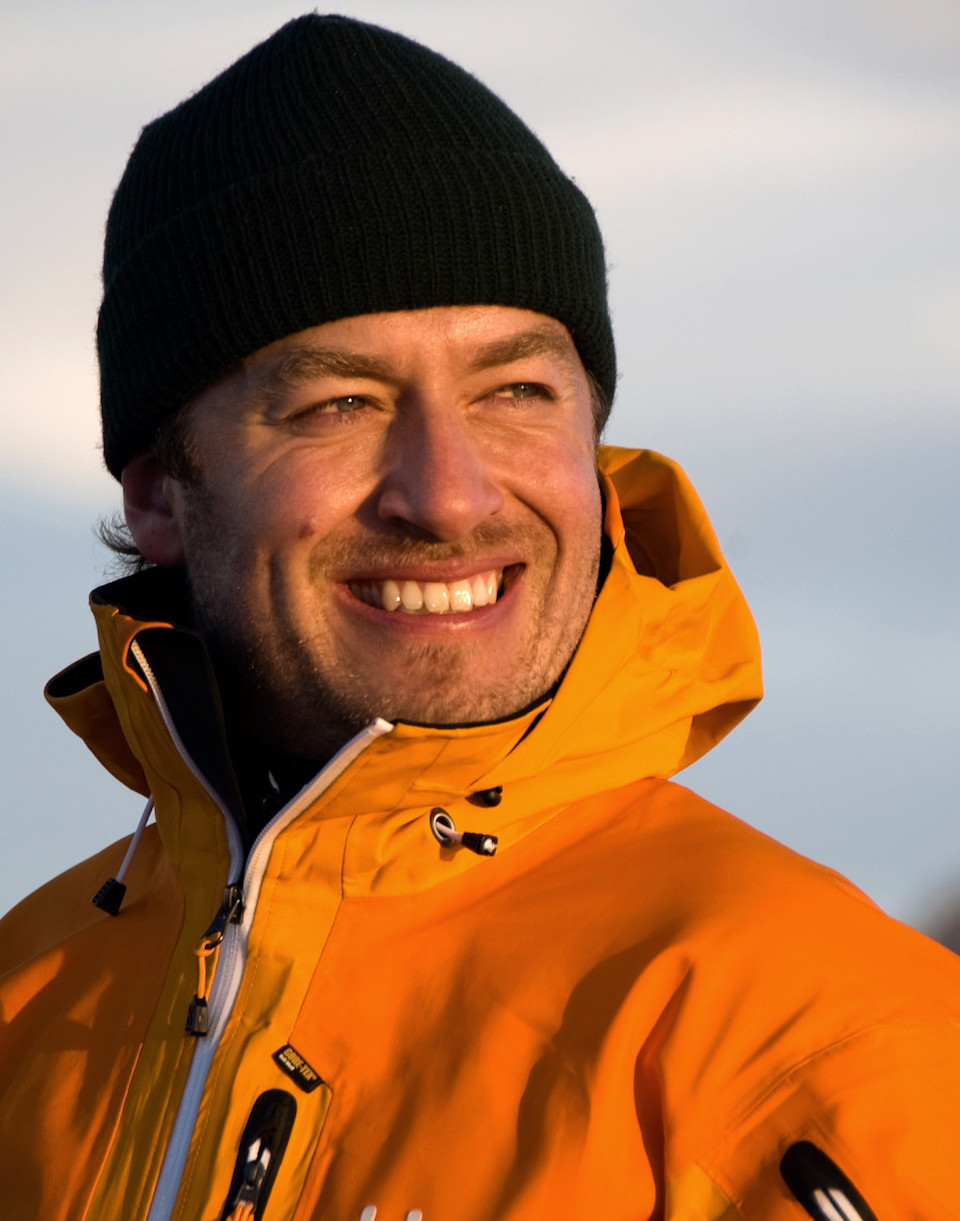
Casper dressed in cold-weather gear during a marine expedition.
His work reminds us that communication can be conservation’s most powerful tool. “When I take a photo, I’m not just documenting nature,” he says. “I’m trying to make people fall in love again. Because when you love something, you protect it.”
And it all began with a crab.
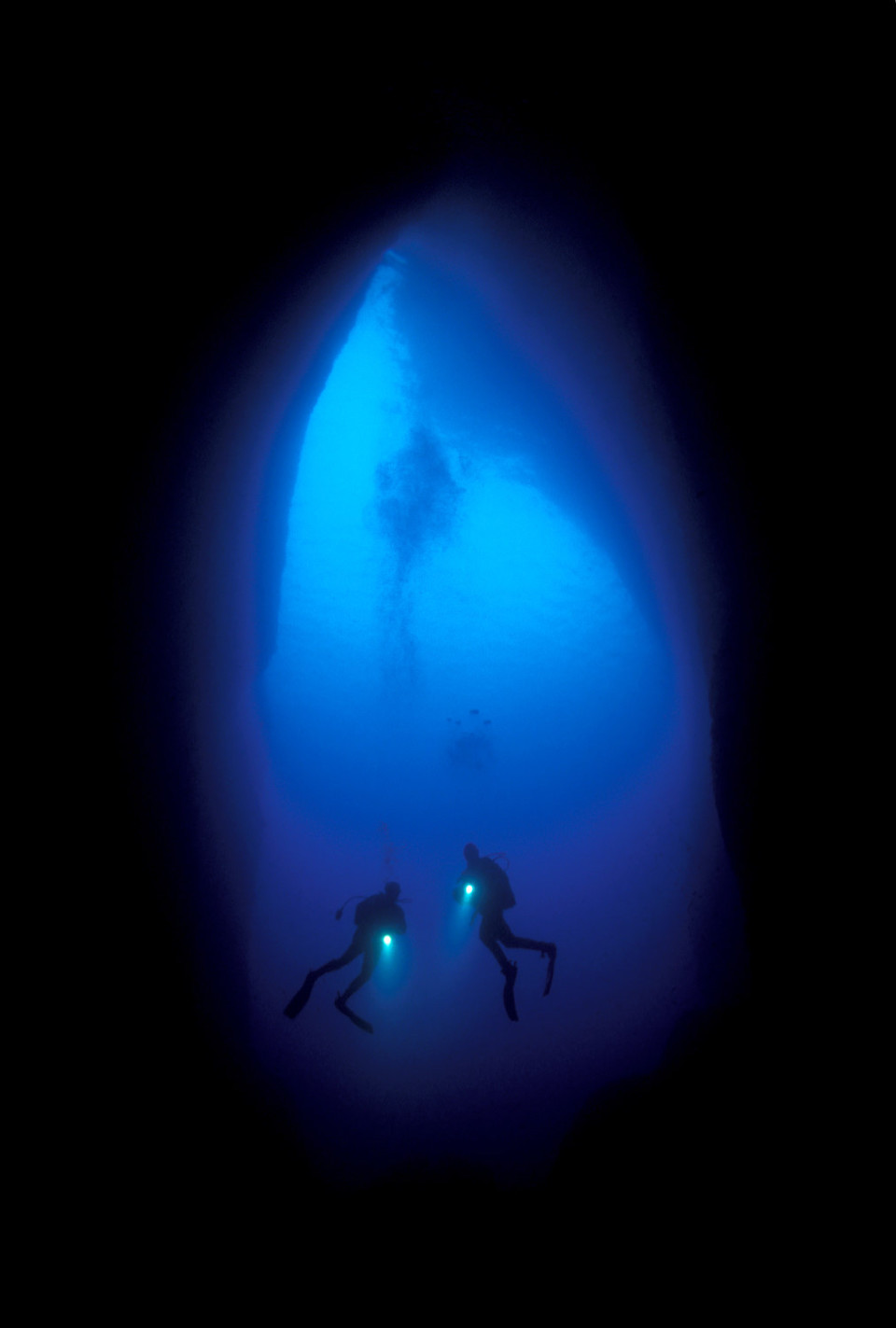
Two divers explore a submerged cavern, illuminated by handheld lights.
Join the journey: Connect, learn & share
Casper’s story doesn’t end here; it’s just the beginning. If you feel inspired by his vision, here are ways to stay connected and deepen your own path in conservation:
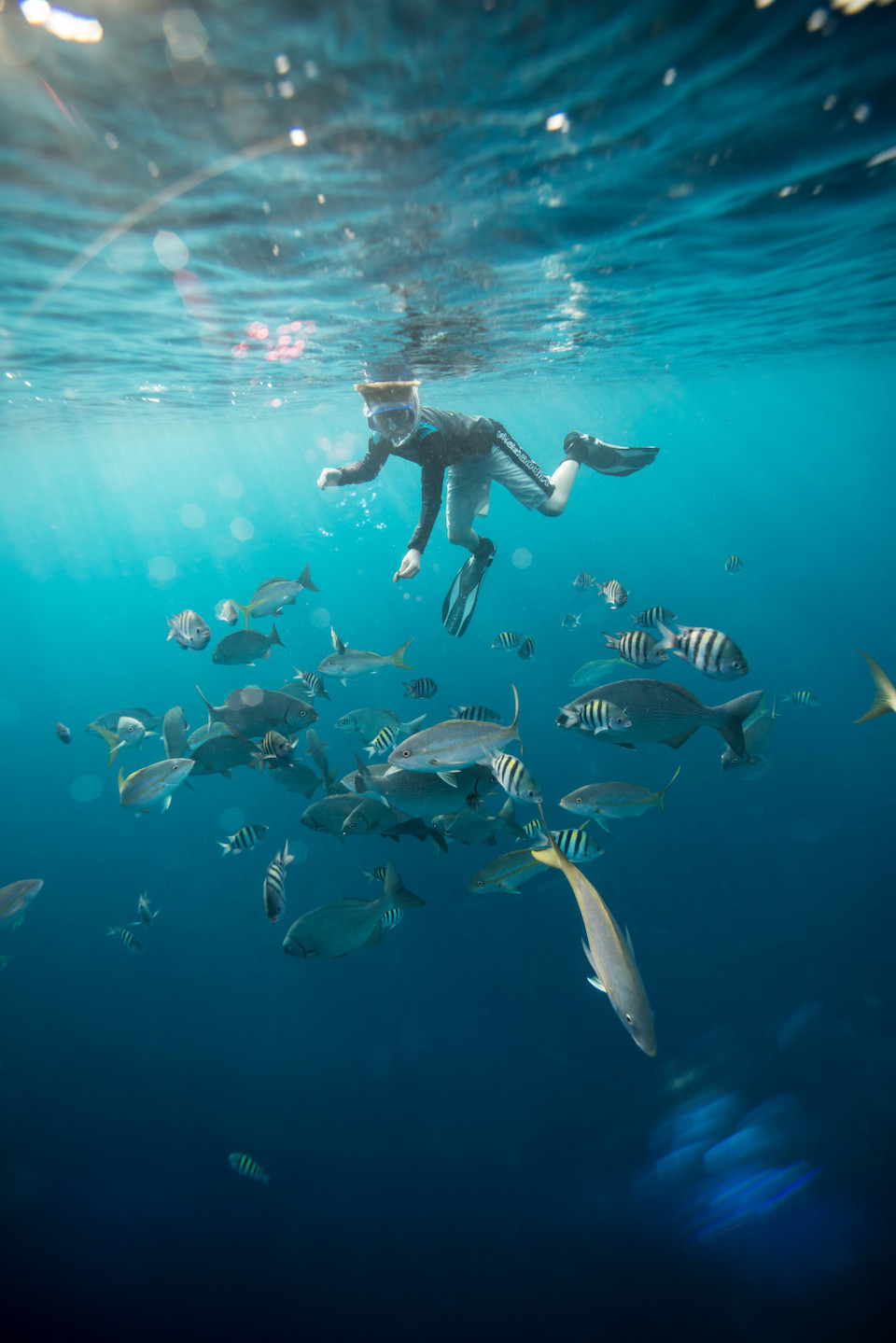
Youth engagement in marine conservation through underwater experiences.
Follow Casper’s work:
- Read his articles, network and engage in discussion via LinkedIn.
- See how he bridges youth voices and environmental action with Our World 2050.
Explore related resources
- Learn how to become a Conservation Communicator.
- Explore the Conservation Careers Jobs Board.
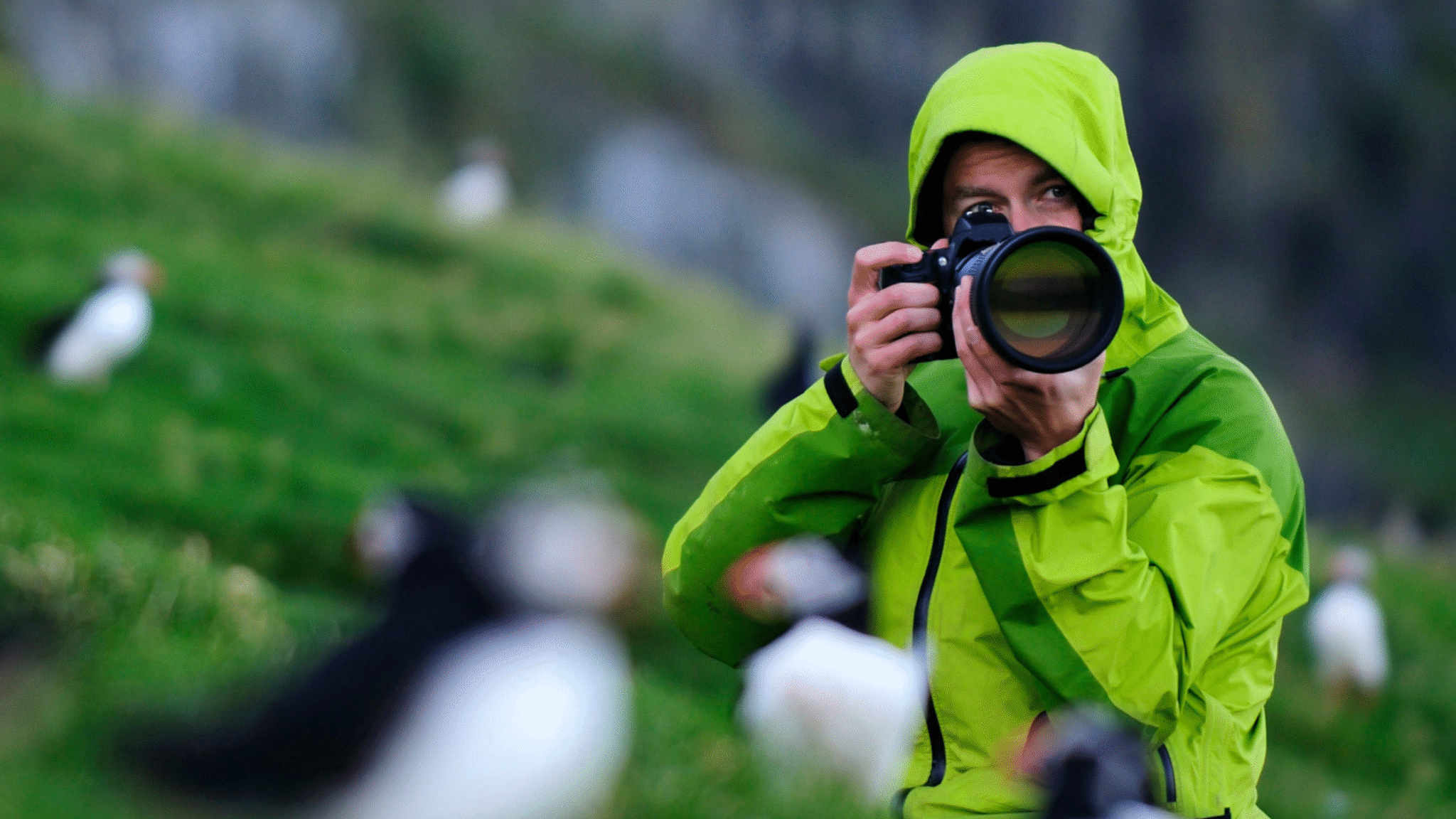
Featured image: Casper Tybjerg photographing wildlife from a concealed position in grassland habitat.
Author Profile | Stephanie Nicolaides
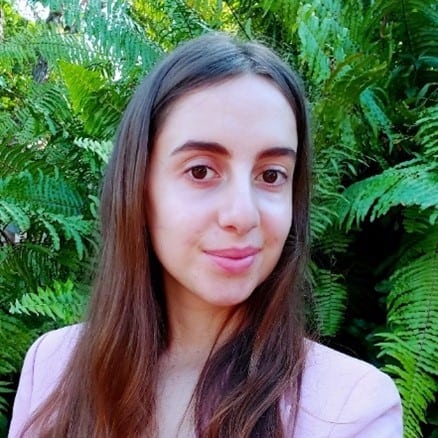 Stephanie Nicolaides is a dedicated PhD candidate in Environmental Management at the University of the Western Cape. Her research delves into the impact of plastic pollution on the Mossel Bay coastline (South Africa), with a particular focus on the effects on marine biodiversity. Her work focuses on assessing plastic presence, local knowledge, and developing sustainable solutions. Stephanie holds an MSc in Life Sciences from the University of South Africa, where her dissertation examined the behavioural ecology of African clawless otters. She also earned her BSc Hons in Life Sciences, graduating cum laude, with an honours project on personality in Leopard Tortoises. Passionate about environmental sustainability, Stephanie is committed to advancing knowledge in marine biology and contributing to efforts to protect and preserve coastal ecosystems. Connect with Stephanie on LinkedIn.