Sharks, stories and stewardship: How one communicator found her calling beneath the surface

What does it mean to speak for the ocean?
For Esther Jacobs, a conservation storyteller, mother and campaigner whose journey spans from the cold coasts of Scotland to the vibrant marine ecosystems of South Africa, it means combining emotion with science, storytelling with advocacy, and turning life’s hardest challenges into a voice for change.
Esther’s story is one of fierce hope, relentless advocacy and a deep commitment to protecting the marine world through the lens of communication. This is the story of how a love for sharks, motherhood, and a determination to rewrite narratives about the sea became a powerful career rooted in creativity, community and conscience.
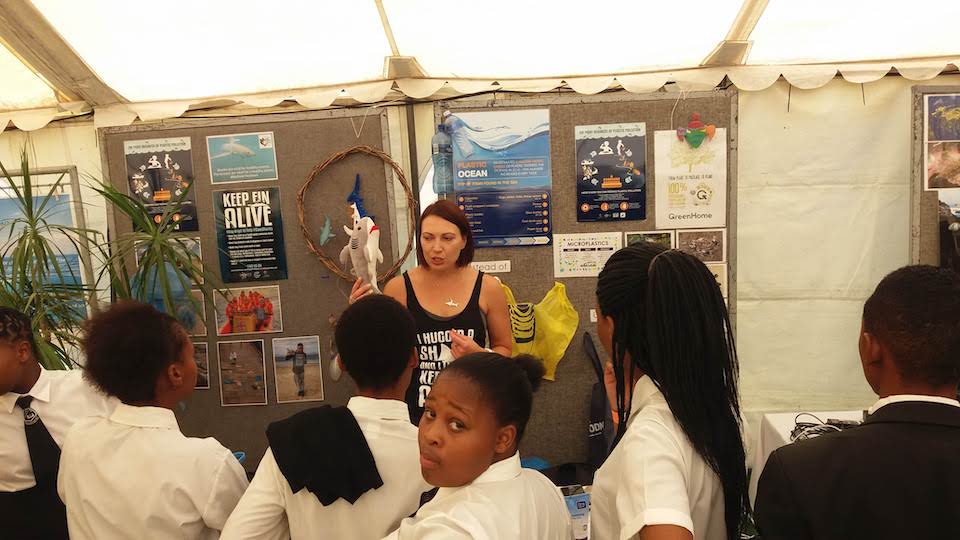
Community outreach with local schools during a marine awareness day, spreading the message that every action for the ocean matters.
From jaws to justice
“I’ve always had a fascination with the ocean,” she begins, “but it was Jaws that really started it all.”
While others were terrified by Spielberg’s great white, she was captivated. Her curiosity led her to read Peter Benchley’s source material and uncover the truth behind the myths. “That shark wasn’t a monster. It was misunderstood.”
This realisation would become the seed of something much greater. Years later, after working in communications, she stumbled upon a Blue Planet-inspired course through the Open University. The experience reignited her passion and marked a turning point:
“Maybe I needed to change careers.”
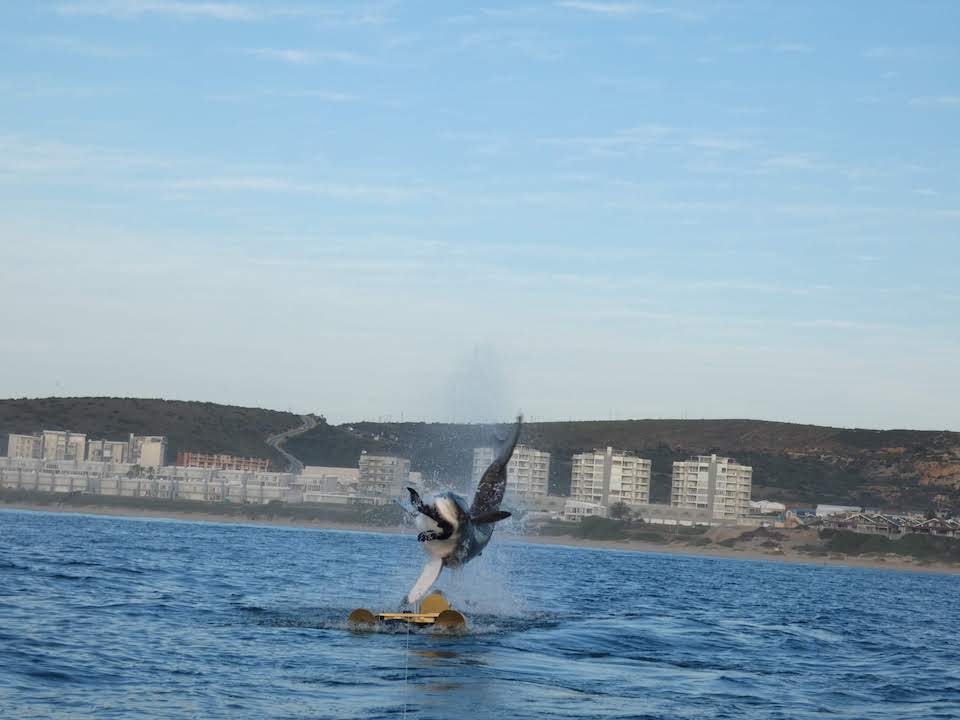
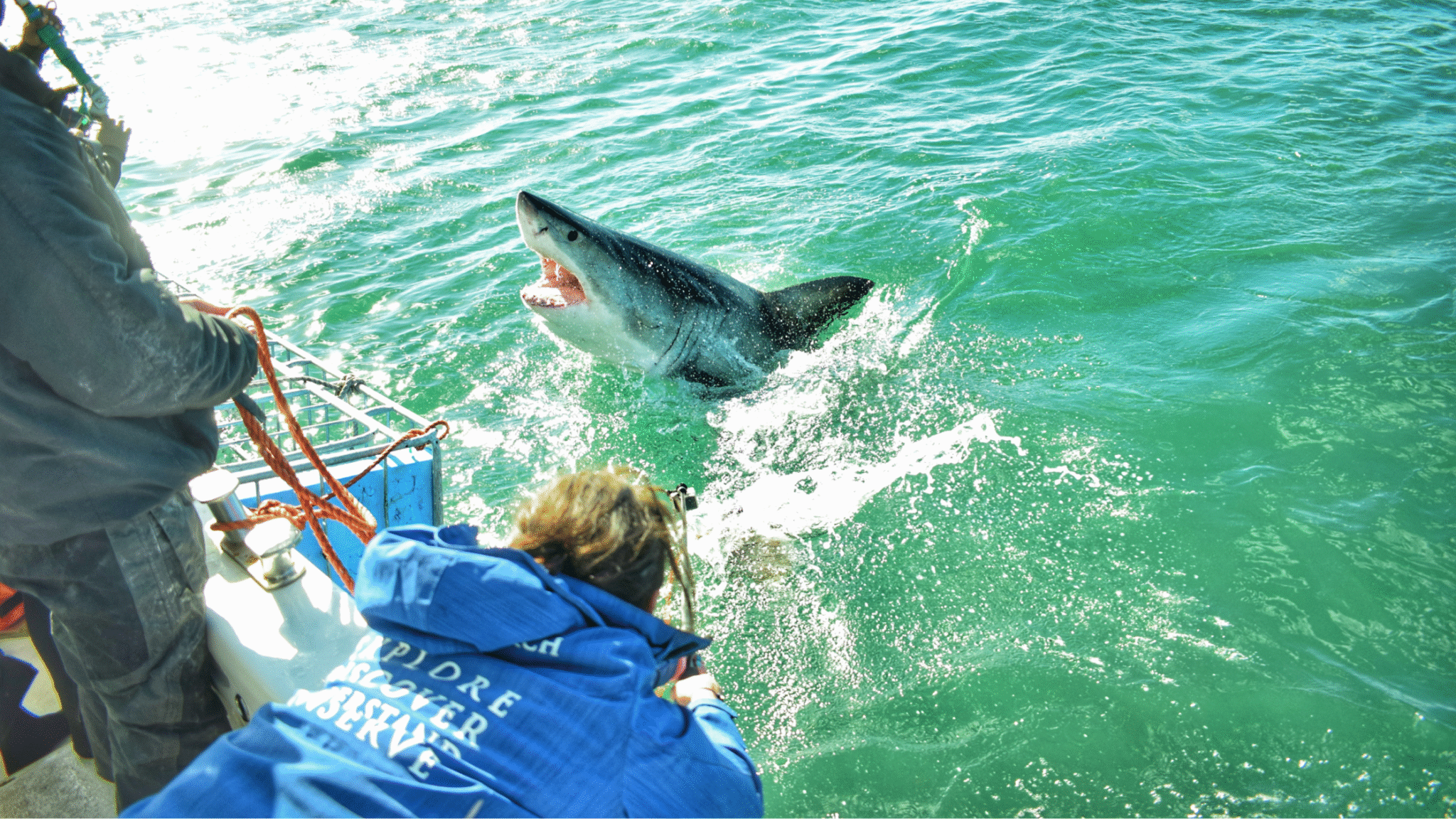
A great white shark breaches off South Africa’s coast.
What followed was an internship that rerouted her life to Mossel Bay, South Africa, where a pod of dolphins on a cage diving trip sealed her fate.
“There was a white shark still next to the boat, and everyone ran to the other side to watch the dolphins. I just stood there thinking, ‘You’re all missing the magic right here.’”
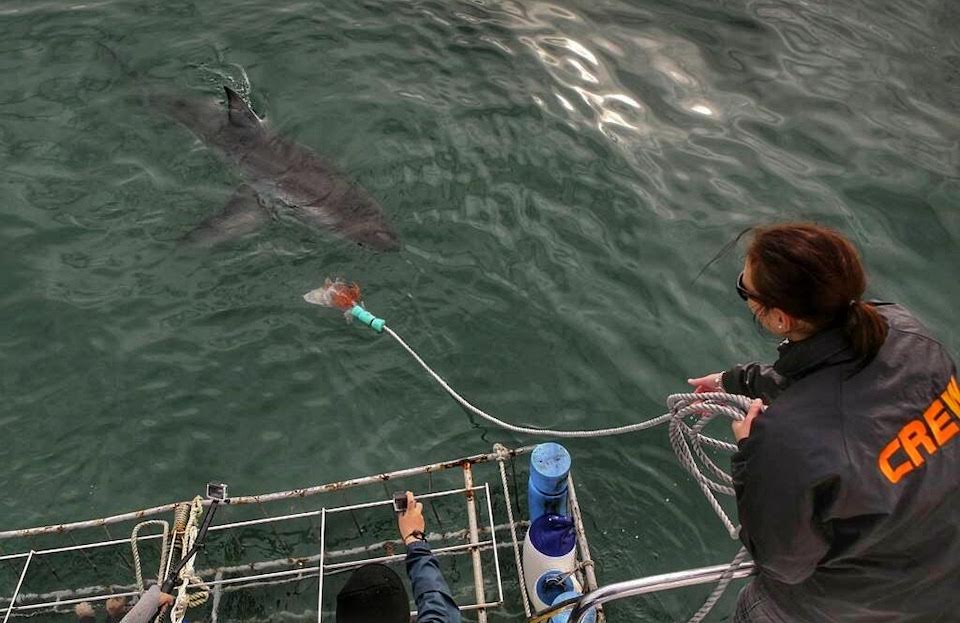
Esther and her team monitoring sharks off the South African coast as part of critical marine conservation research.
The power of honest storytelling
While science gives us the facts, she believes storytelling connects the heart. “Most people can’t digest raw scientific data. But they understand stories. They understand emotion.”
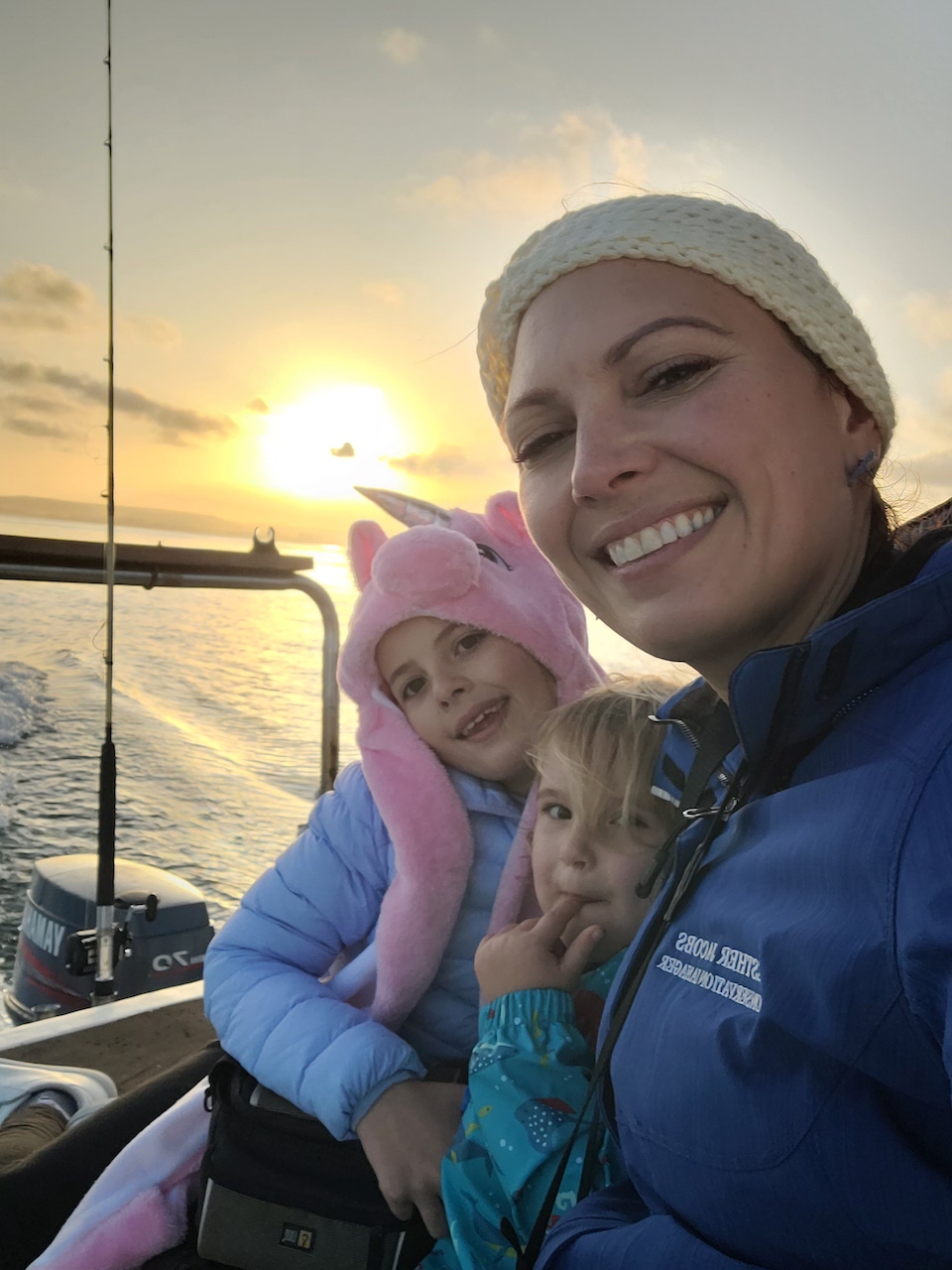
Esther with her daughters during a sunrise expedition in Mossel Bay.
Her most powerful story, though, didn’t involve marine life at all. It was the personal battle her daughter faced with leukaemia.
“South Africa’s survival rate for childhood leukaemia is only 50%, because it’s diagnosed too late. I started posting and blogging to raise awareness. If just one parent took their child in earlier because of what I wrote, it was worth it.”
That same drive to protect and educate would later fuel her most impactful campaign, from shark net reform to clean ocean initiatives.
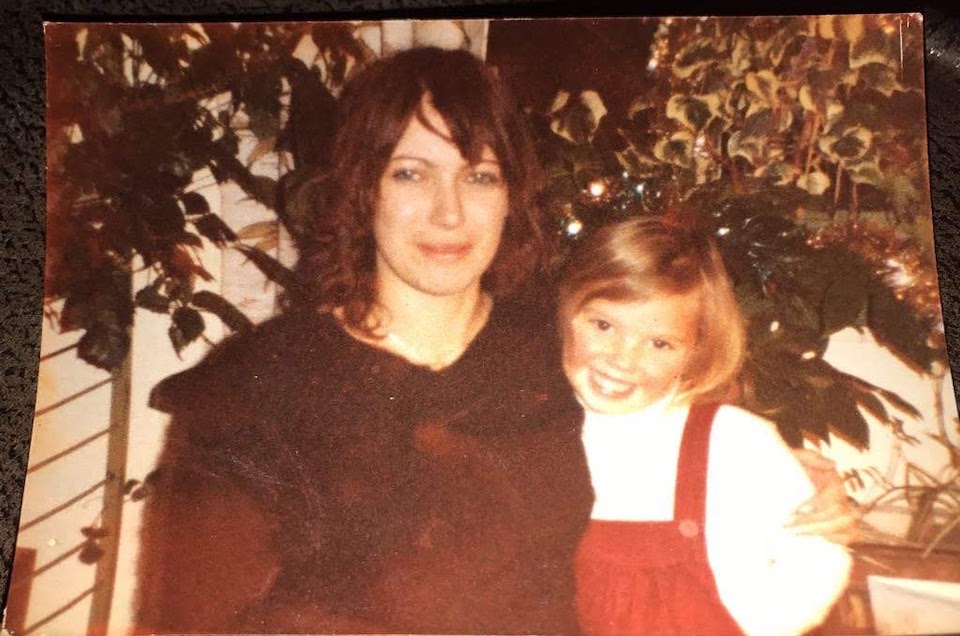
Esther (aged 4) and her mum, Judith, who’s always supported her career decisions.
The quiet power of communication
Esther’s journey is proof that you don’t have to be a marine biologist to protect marine life, you just need to know how to reach people. For her, communication isn’t just a skill; it’s a form of activism.
“You can have all the data in the world, but if no one understands it, or cares, it won’t change anything.”
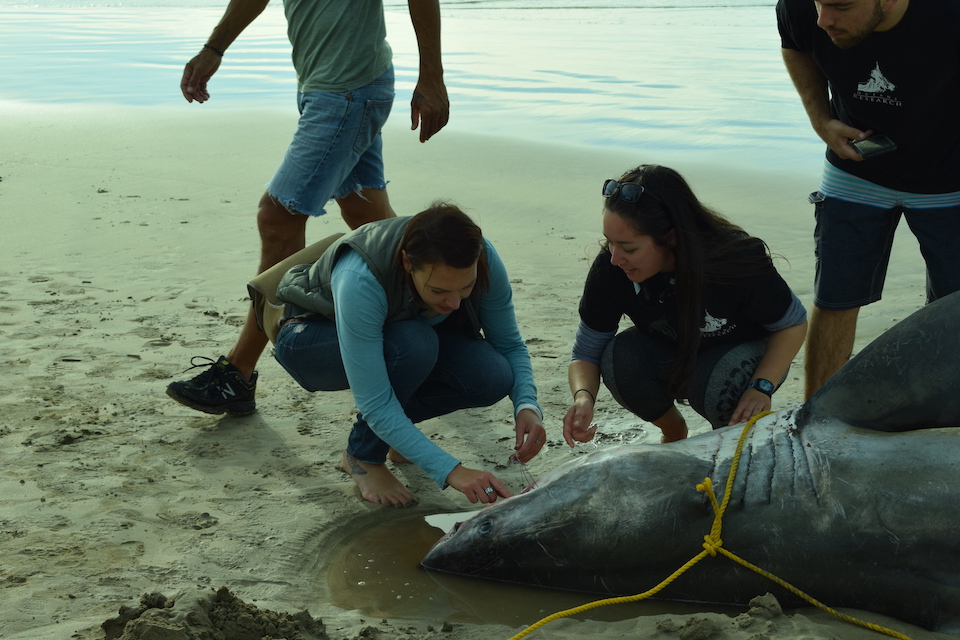
Esther and colleagues conducting research on a stranded shark to better understand threats facing these apex predators.
She views storytelling as a vehicle that transports science to the human heart. Whether she’s speaking to schoolchildren with hand puppets or rallying support on LinkedIn, her aim is always the same: spark curiosity, then channel it into action.
“Conservation needs good science. But it also needs great storytellers, people who can translate complexity into something you feel in your gut.”
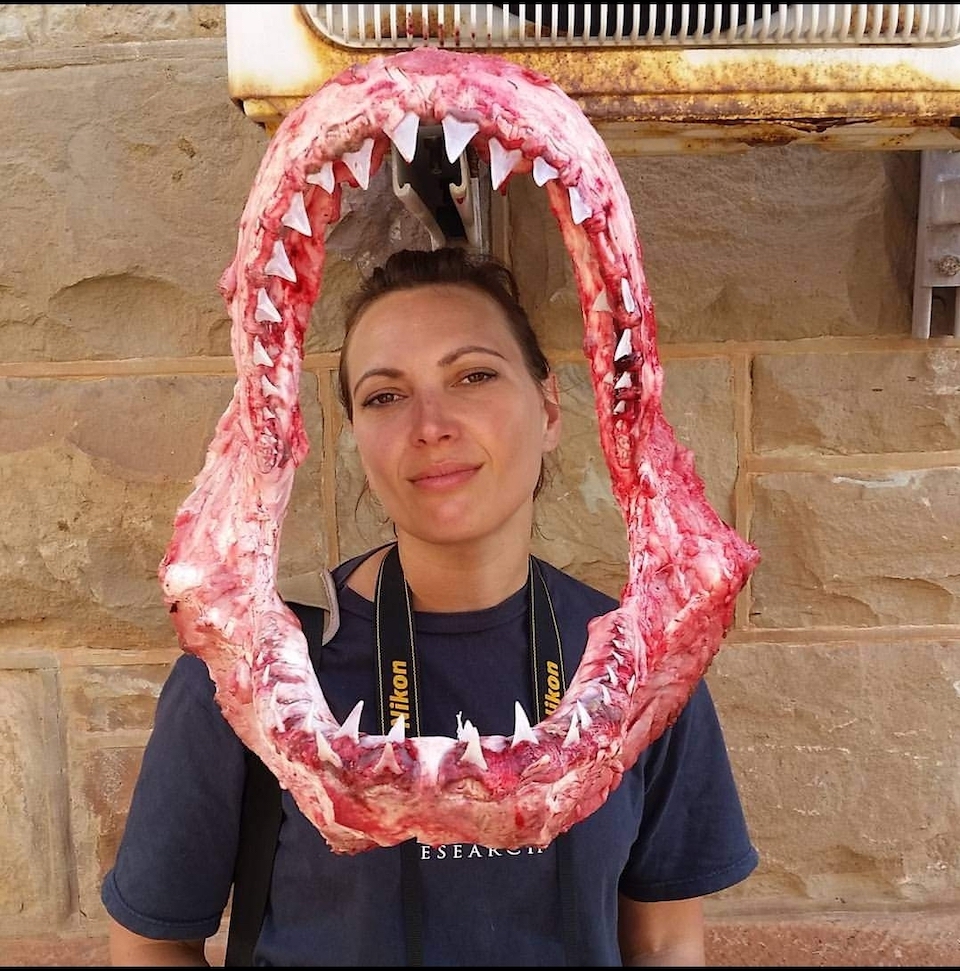
Esther with a shark jaw display during a research project highlighting the importance of protecting rather than fearing sharks.
A calling beyond science
For her, conservation isn’t just a career. It’s a calling.
“I can’t understand how any parent doesn’t take climate change seriously. How could we leave the planet like this for our children?”
Every choice she makes, from refusing plastic straws at restaurants to staying below fishing bag limits, is guided by an unrelenting sense of responsibility. “Even the smallest actions matter. They level out the heartbreak.”
Her workshops, reef cleanups, and community art projects (like a mural of a turtle made from bottle caps) are proof that small, creative acts can inspire big ripples.
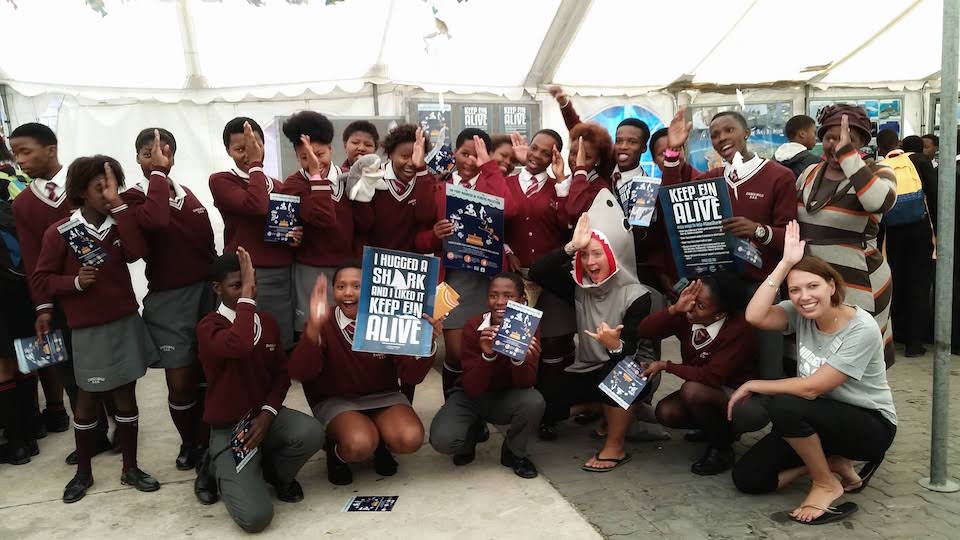
Education meets inspiration, Esther leading a “Keep Fin Alive” outreach session, empowering local learners to become ocean ambassadors.
Campaigning for change
Currently, she’s running two major campaigns: one to remove critically endangered species from South Africa’s permitted fishing list, and another to eliminate shark nets and drumlines from KwaZulu-Natal’s beaches.
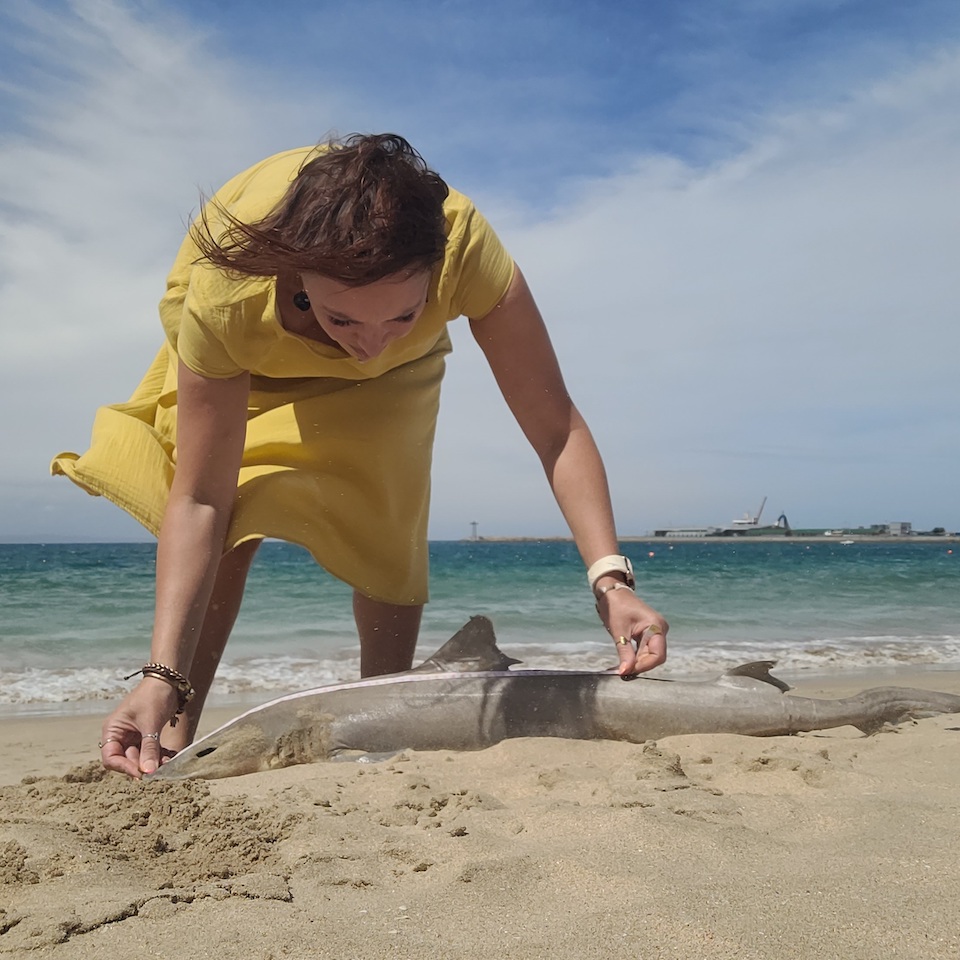
Examining a stranded great white, each investigation contributes vital insight into threats facing shark populations.
“These aren’t small tasks. They require government action. And you hit wall after wall.” But she’s undeterred. Her viral LinkedIn post sparked widespread support, catalysing collaborations with researchers, legal experts, international NGOs, and documentary filmmakers.
“People care. And when we join forces, we’re unstoppable.”
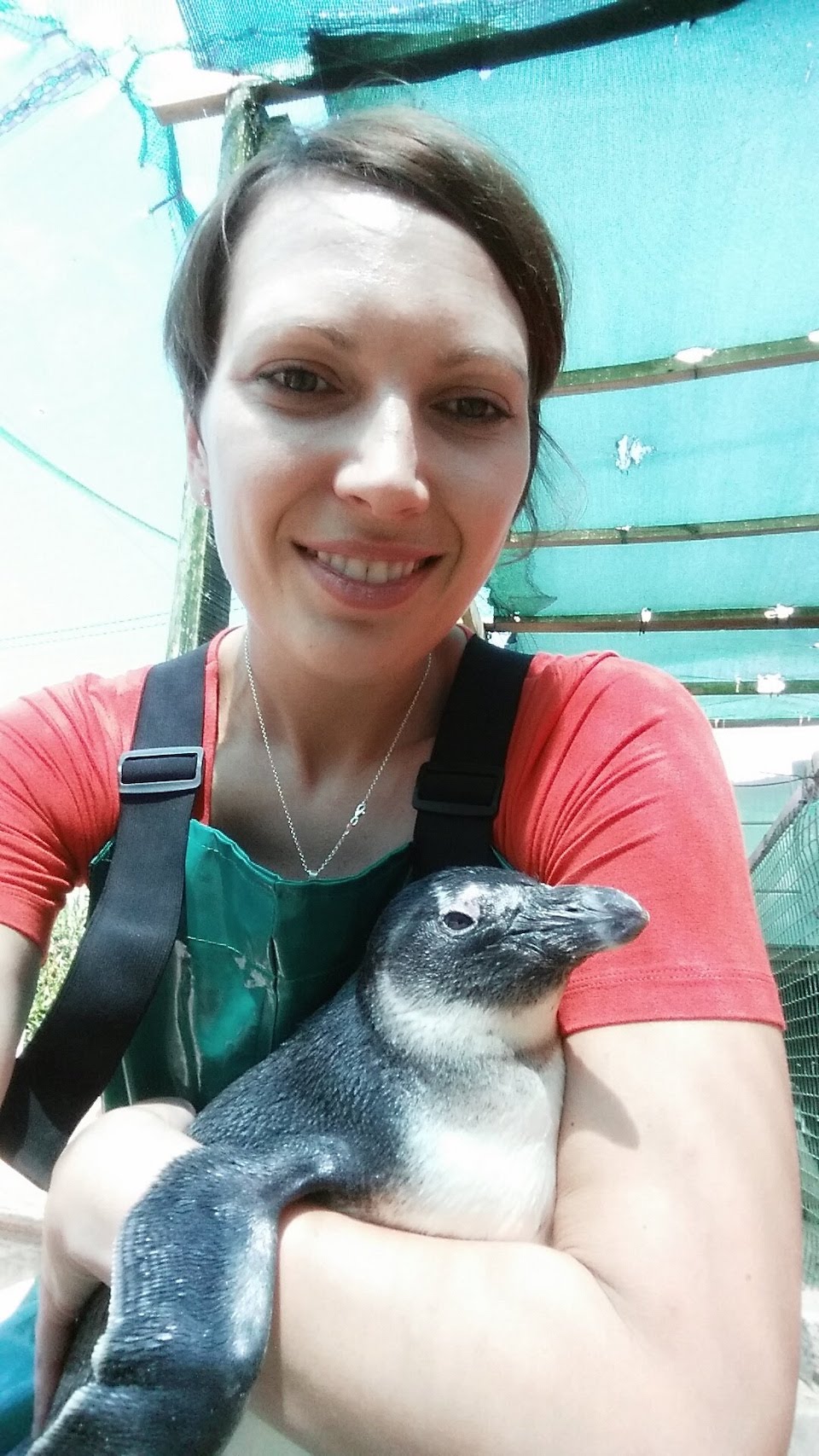
Hands on conservation in action: Esther assists in penguin care at a rehabilitation centre in Mossel Bay.
Earth Legacy Foundation: Building a blueprint for conservation that includes everyone
As the beating heart of Esther’s mission, the Earth Legacy Foundation operates at the intersection of conservation, education, and community empowerment.
With headquarters in Mossel Bay and operations extending into remote coastal regions of Mozambique, the foundation is pioneering a model that makes conservation not just sustainable, but inclusive and locally rooted.
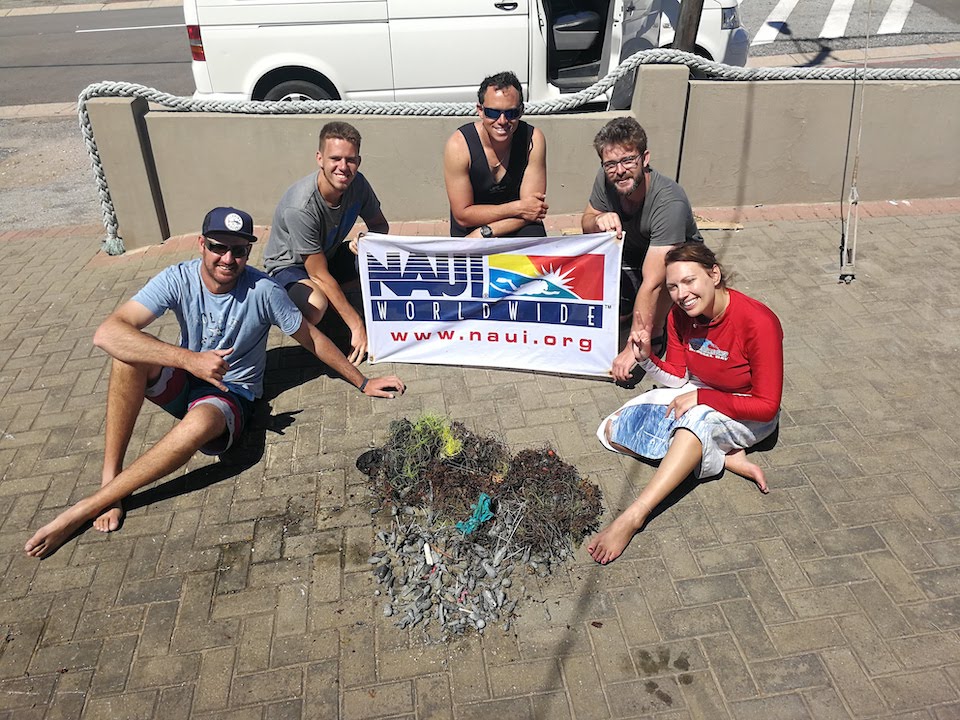
Esther and the NAUI Worldwide dive team following a successful ocean cleanup.
Among their initiatives are:
- Sundome Project – Their purpose-built solar stills provide over 20 litres of clean water daily using only grey water or seawater, empowering isolated coastal communities to become more resilient and water-secure.
- Pebane Airfield Revitalisation – Recognising the role of access in effective conservation, they restored a disused airfield in Mozambique to support conservation logistics, emergency response, and regional development.
- Clean Ocean Divers – In partnership with NAUI and Go Dive Mossel Bay, this programme trains open-water certified divers to safely remove ghost gear and marine debris, turning dive tourism into direct action.
- Captain Finplastic – With Oceans Research, Earth Legacy brings marine conservation education into underserved schools using playful, interactive storytelling to teach children about plastic pollution.
- Policy & advocacy campaigns – From challenging the use of lethal shark nets to petitioning for the removal of endangered species from South Africa’s fishing lists, their advocacy is rooted in science, ethics, and public mobilisation.
- Turtle protection & community alternatives – In the Zambezia Province of Mozambique, Earth Legacy addresses the poaching of endangered sea turtles by offering economic alternatives through aquaculture, skills development, and eco-tourism projects that uplift entire communities.
- Carpentry workshops – Partnering with FSC-certified LevasFlor, the foundation is building a carpentry hub to process responsibly harvested timber and provide youth with meaningful employment and export opportunities.
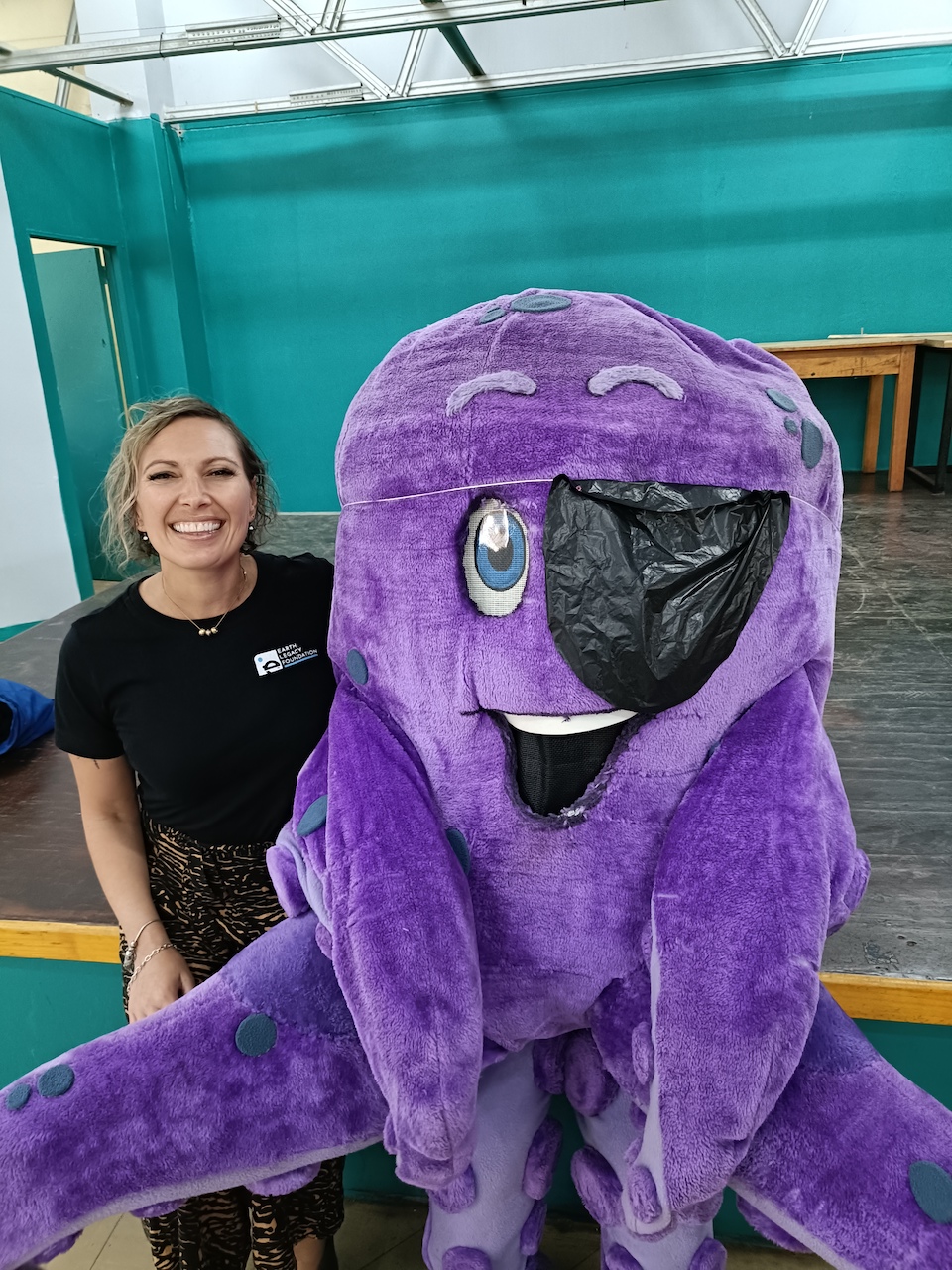
Esther with a beloved marine mascot during a community event bringing fun and approachability to environmental education.
Community: The heart of change
Working in conservation in South Africa and Mozambique has taught her a vital lesson: “You can’t create change without involving the communities who will be affected by it.”
In Mozambique, this means finding solutions for fishers who rely on daily catches for survival. In South Africa, it means working with recreational fishers through trust and gentle dialogue, not confrontation. “You can’t just take things away. You have to offer something better.”
She’s currently working on a campaign that highlights high snagging rates in specific fishing zones, hoping that an economic argument (“this will cost you gear and money”) may resonate where regulation does not.
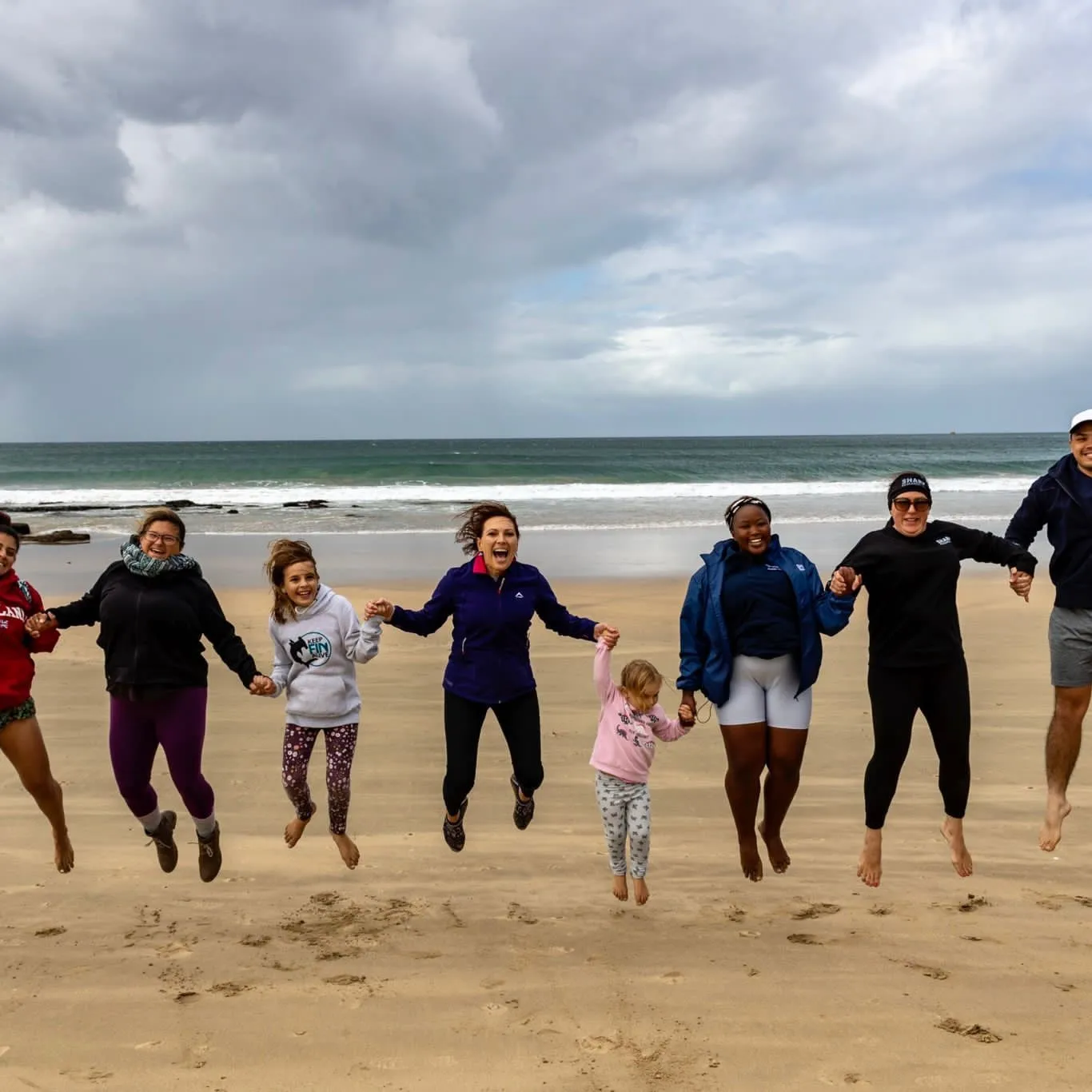
Celebrating conservation teamwork Esther with her team, a moment of shared joy after a successful field day on South Africa’s coastline.
The emotional weight of advocacy
In a space filled with passion, she admits it’s not always easy. “Some days you feel like giving up.” Her clean ocean certification program, which encouraged local businesses to ditch single-use plastics, struggled to gain traction. “Only two companies signed on. It broke me.”
But she hasn’t given up. “Maybe I’ll try again. Sometimes you have to plant seeds that grow later.”
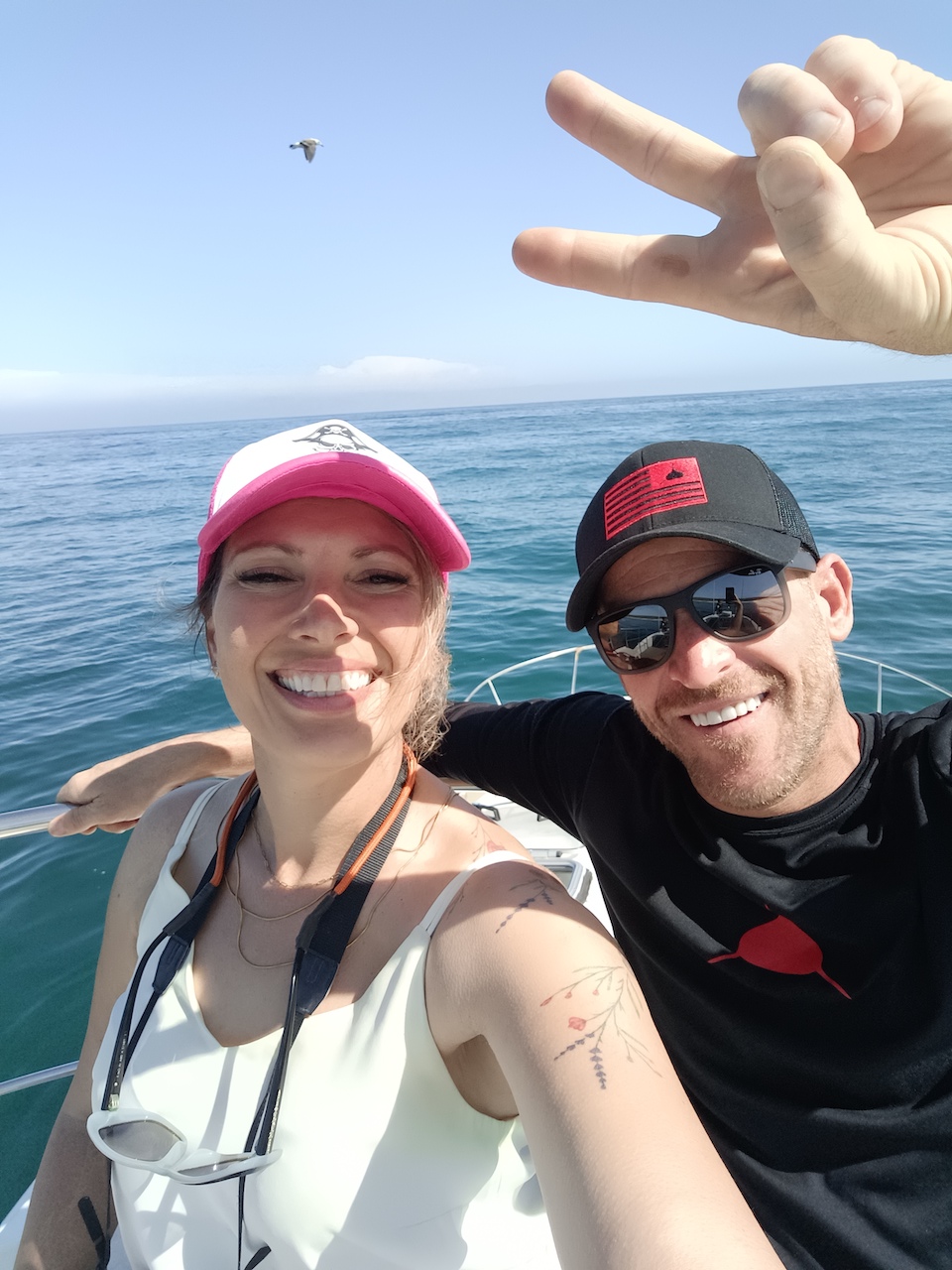
Esther with Emmy Award-winning wildlife cinematographer Andy Casagrande during a marine research expedition.
Finding your path: Advice for aspiring conservation communicators
For young readers who feel a pull toward the ocean or wildlife but don’t see themselves fitting into the ‘typical’ conservation mould, Esther’s message is clear: “You don’t need to wait to be perfect or qualified. Just start.”
She recommends experimenting with different media, try writing blog posts, sharing infographics on social media, starting a podcast, or volunteering at local cleanups. “Find what makes your heart beat faster, whether that’s filmmaking, art, science communication, or diving, and follow it. There’s space for all of us.”
Her advice is refreshingly practical, too. She encourages the use of free resources, online courses, volunteer opportunities, youth networks, and insists that communications are just as vital as science.
“If I had studied marine biology, I might not have known how to communicate like I do now. But communication has brought people from all walks of life together to inspire change.”
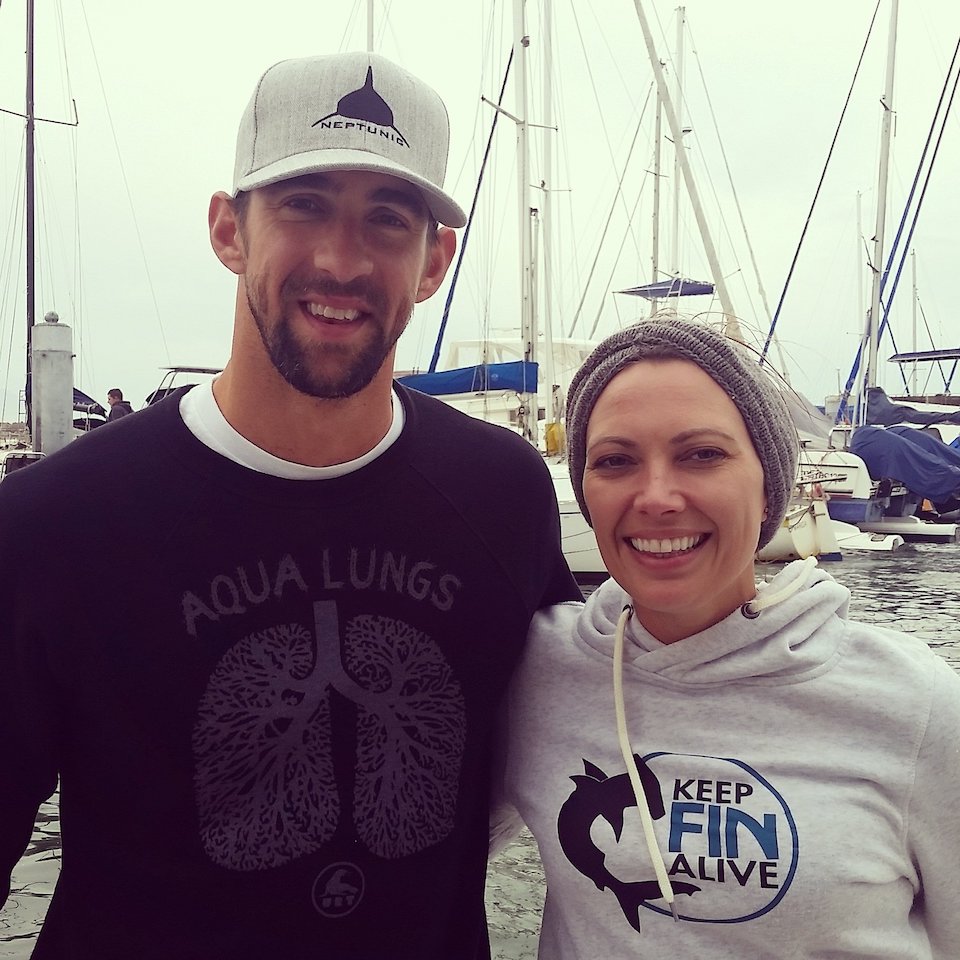
When worlds of water meet Esther with Olympic swimmer Michael Phelps, united in raising awareness about marine conservation and ocean health.
A hope-filled tomorrow
She dreams of building a more ethical, interconnected and sustainable future. A future where:
- Communities co-create conservation solutions.
- Policy reflects ethics, not profit.
- Young people see nature not just as a resource, but as home.
“Every action has a ripple effect. Every story has power. And the ocean? It’s still full of wonder we haven’t even begun to understand.”
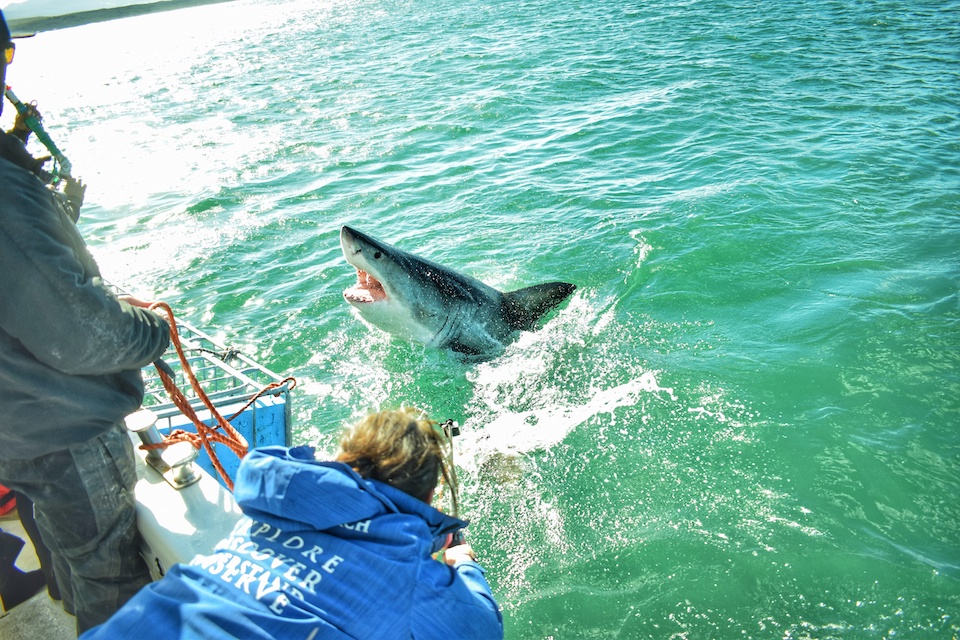
Close encounters in the field: Esther records behavioural data from white sharks during research trips off South Africa’s coast.
Get involved: Follow, support and share Esther’s work
Feeling inspired? Here’s how you can dive deeper into Esther Jacobs’ world and become part of the change:
- Explore Clean Ocean Divers – A marine clean-up diving initiative in collaboration with NAUI and Go Dive Mossel Bay. Perfect for certified divers ready to make a real difference.
- Subscribe to Esther’s monthly newsletter – The Ocean’s Voice is a beautifully written reflection on marine conservation, storytelling, and community.
- Follow Esther on LinkedIn – Stay up to date with her latest campaigns, articles, and conservation adventures.
Conservation Careers support & opportunities
- 🔗 How to Become a Conservation Communicator – Career Guide – Explore what it takes to thrive as a conservation storyteller, advocate, and educator.
- 🔗 Online Courses – Affordable, accessible courses to help you build skills in fundraising, communications, marine biology, and more.
- 🔗 Explore Conservation Careers’ Jobs Board – Updated listings for roles across NGOs, research institutes, government and grassroots initiatives.
Author Profile | Stephanie Nicolaides
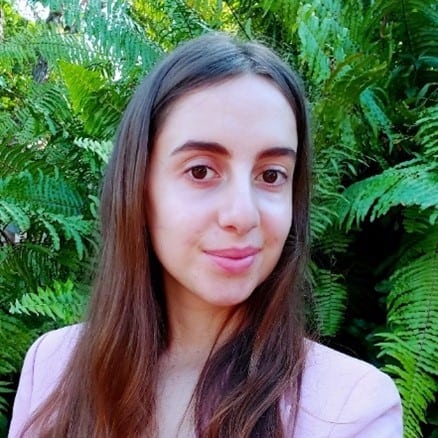 Stephanie Nicolaides is a dedicated PhD candidate in Environmental Management at the University of the Western Cape. Her research delves into the impact of plastic pollution on the Mossel Bay coastline (South Africa), with a particular focus on the effects on marine biodiversity. Her work focuses on assessing plastic presence, local knowledge, and developing sustainable solutions. Stephanie holds an MSc in Life Sciences from the University of South Africa, where her dissertation examined the behavioural ecology of African clawless otters. She also earned her BSc Hons in Life Sciences, graduating cum laude, with an honours project on personality in Leopard Tortoises. Passionate about environmental sustainability, Stephanie is committed to advancing knowledge in marine biology and contributing to efforts to protect and preserve coastal ecosystems. Connect with Stephanie on LinkedIn.