Turning tactical expertise into wildlife crime prevention: Lessons and advice

What happens when a former military intelligence officer trades the battlefield for the bushveld?
Meet Leon Rossouw, a South African investigator who has transformed decades of tactical expertise into a powerful weapon against wildlife crime. From the plains of Southern Africa to the international networks trafficking endangered species, Leon has been at the frontlines where strategy meets survival.
His journey, from intelligence and undercover operations to founding the Wildlife Crime Information Network (WCIN), answers a pressing question: how do we outsmart poachers and syndicates (organised crime groups that work together to traffic wildlife products) threatening the planet’s most vulnerable wildlife?
In this article, we dive into Leon’s career path, explore the lessons he’s learned and share practical advice for anyone ready to step into the urgent fight against wildlife crime.
The price of stolen freedom: Poaching and trafficking
“There is no beauty in stolen freedom.”
This powerful statement captures the essence of what Leon Rossouw and many others in the wildlife conservation sector are fighting for. It’s not just about stopping criminals from taking wildlife, it’s about ensuring that future generations will inherit a planet where freedom thrives, from the animals in the wild to the ecosystems that sustain us all.
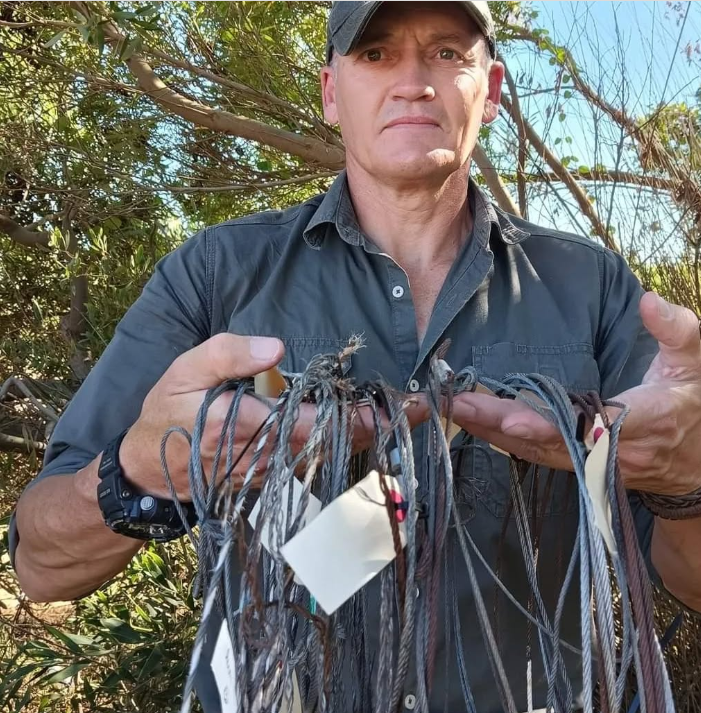
Frontline against poaching: Leon with confiscated wire snares, where each one removed is a life potentially saved.
Background and personal story
Leon’s journey is one of resilience and transformation. His early career began in military intelligence, where he honed his skills in strategic thinking and risk assessment.
His work in this high-stakes field laid the foundation for his later success in the world of private investigative work. With a keen eye for detail and an unwavering commitment to uncovering the truth, Leon built a reputation as a highly effective investigator. His background in military intelligence gave him a unique perspective, allowing him to approach complex problems with precision and methodical care.
These experiences shaped his personal story, driving him to pursue a life dedicated to protecting what matters most, whether through investigative work or his current focus on conservation and combating wildlife crime.
Start with purpose: Understanding why you’re doing it
One of the key points Leon emphasises is the importance of purpose in conservation work. It’s easy to get caught up in the technical aspects of the job, strategies, tools or technologies, but Leon argues that a solid sense of purpose is the driving force behind successful conservation work.
“You need to ask yourself why you’re doing this,” says Leon. “If your heart isn’t in it, if you’re not passionate about wildlife, then you’ll never survive in the long term.”
Practical advice:
- Identify your ‘Why’: Are you passionate about protecting specific species, preserving natural habitats or combating illegal wildlife trade? Establishing a personal connection to the cause will fuel your resilience through tough times.
- Connect with like-minded individuals: Conservation work is often a team effort, and finding people who share your passion will help keep you motivated.
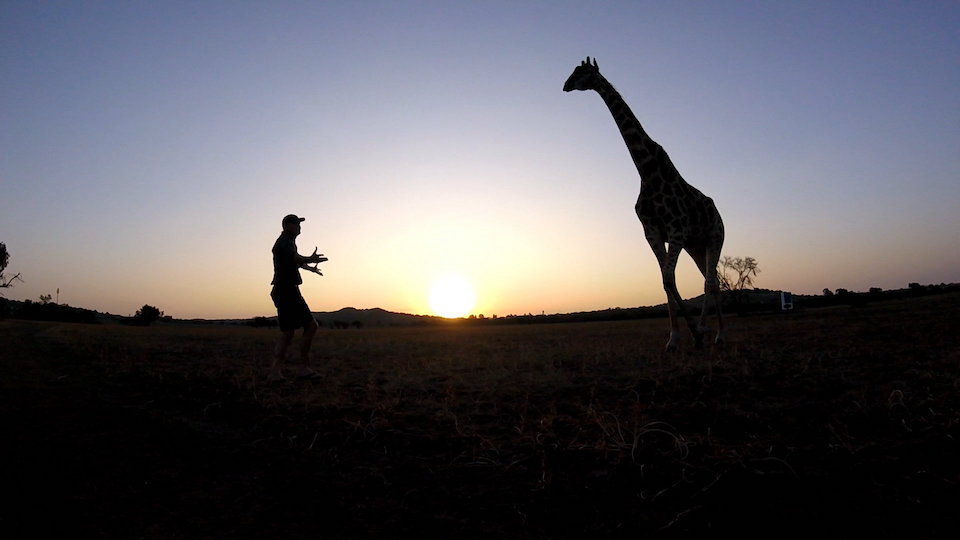
At dusk, strategy meets stewardship, a reminder of what’s at stake in the fight against poaching.
Develop a diverse skill set
Leon’s background in intelligence taught him the importance of versatility in the field. In anti-wildlife crime work, it’s not just about tracking poachers or monitoring animal populations. It’s about having a wide range of skills.
From gathering intelligence to understanding criminal behaviour and using technology for surveillance, the modern conservationist must wear many hats.
“In intelligence, you learn to analyse information from different sources, think critically, and anticipate challenges,” Leon explains. “That’s just as important when you’re trying to stop poaching or illegal wildlife trade.”
Practical advice:
- Learn multiple disciplines: Don’t limit yourself to one area of expertise. Study criminology, law enforcement, wildlife management, environmental science, and even data analytics.
- Take courses in technology: Drones, satellite imaging, and surveillance systems (drones, satellite imaging, GPS tracking) are integral to modern conservation work. Learning how to use these technologies will make you a more effective steward of the environment.
Get comfortable with the ground realities
Leon warns that the conservation field can be gritty. It’s not always glamorous work. Whether you’re out in the bush tracking poachers or working with local communities to change behaviours, expect to encounter challenges that require both physical and mental endurance.
“Conservation work can be gruelling,” says Leon. “You have to be ready for long hours, challenging conditions, and sometimes disappointing setbacks.”
Practical advice:
- Be prepared for tough conditions: You may be out in remote areas, facing extreme temperatures or difficult terrain. Invest in the right gear and build your physical stamina.
- Adapt to change: Wildlife protection isn’t static. Be ready to pivot and adapt to changing circumstances, whether it’s evolving poaching techniques or new conservation laws.
Build relationships: Collaboration is key
Conservation isn’t a solo mission. One of the most powerful lessons Leon learned from his intelligence background is the importance of collaboration. Working with local communities, law enforcement, government agencies, and NGOs is essential for success in wildlife crime prevention.
“If you’re going to make a difference, you need to understand the local context,” Leon advises. “Working with the community and building trust is the most effective way to gain support for your conservation efforts.”
Practical advice:
- Engage with local communities: Effective conservation isn’t just about protecting animals; it’s about understanding the people who live with them. Build trust with local communities and work together on solutions.
- Network and collaborate: Whether it’s with other conservation organisations or government bodies, never underestimate the power of collaboration. The more diverse your network, the more effective your conservation strategy will be.
Wildlife Crime Information Network (WCIN)
Leon’s impact extends beyond his career; he founded the Wildlife Crime Information Network (WCIN) to help combat wildlife trafficking in South Africa and across Africa.
WCIN plays a crucial role in sharing intelligence and facilitating collaboration among conservationists and law enforcement. By strengthening local and international partnerships, WCIN enables targeted actions against wildlife crime.
For more on their work, visit WCIN’s Facebook page or their website at wcin.org.za.
The role of technology and sting operations
In Leon’s line of work, gathering intelligence and utilising technology is crucial. His involvement in wildlife crime prevention often requires going undercover and utilising tech tools for surveillance. A large part of his strategy involves working covertly to infiltrate illegal wildlife trafficking networks.
“I quickly learned that you have to build trust with the very criminals you’re trying to catch. It’s a delicate balance,” Leon explains. “Using fake social media accounts, infiltrating networks and collaborating with international agencies like TRAFFIC is critical in taking down large-scale wildlife trafficking operations.”
A typical sting operation (covert missions designed to catch criminals by posing as buyers or collaborators) might begin with building fake profiles to communicate with suspects, building rapport, and gathering crucial evidence. Surveillance is often done using drones, cameras, and informants. When the time is right, law enforcement teams, often backed by international organisations, raid the operation and arrest the individuals involved.
This high-risk, high-reward strategy is critical in bringing down large criminal syndicates operating across borders. Technology, such as GPS tracking and AI-powered data analysis, is invaluable in identifying patterns of illegal activity.
Practical advice:
- Invest in Learning Tech: Take advantage of online courses or workshops that teach the use of tech tools in conservation. Drones, GIS (Geographic Information Systems), and AI are revolutionising the field.
- Use Data Wisely: Collect and analyse data to make informed decisions. Technology can help you spot patterns and predict criminal activities before they happen.
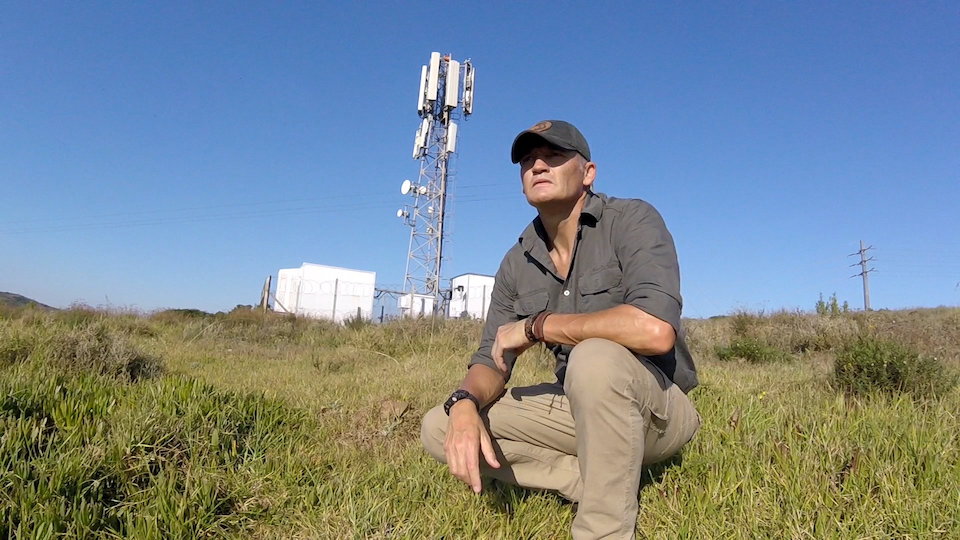
Modern conservation requires modern tools integrating surveillance, intelligence and technology into fieldwork.
Advocacy and raising awareness
Leon’s work doesn’t just focus on the ground-level operations. He also understands the importance of advocacy. Whether lobbying for stronger wildlife protection laws or educating the public, Leon believes that raising awareness is key to ensuring the success of conservation efforts.
“Education is just as important as enforcement,” says Leon. “If people understand the value of wildlife, they will want to protect it themselves.”
Practical advice:
- Be an advocate: Use your platform, whether it’s social media or in your community, to spread the message about conservation.
- Raise awareness: Start or support campaigns that highlight key issues in wildlife protection. Educate the public about the real-world impact of poaching and habitat destruction.
Celebrate the wins: Feel the impact of your work
Despite the many challenges, Leon encourages aspiring conservationists to celebrate their successes, no matter how small. Whether it’s stopping a poacher or saving an endangered species, the rewards in conservation work are tangible and fulfilling.
“There’s nothing like the feeling of seeing the results of your hard work,” says Leon. “When you save a species or stop a poacher, it’s an incredible sense of accomplishment.”
Practical advice:
- Celebrate the wins: Conservation work is slow, and it can feel like a constant uphill battle. Celebrate the small victories and remind yourself of the bigger picture.
- Stay patient: Change takes time. Be patient and persistent. Even when things seem tough, know that your efforts are contributing to a better future for wildlife.
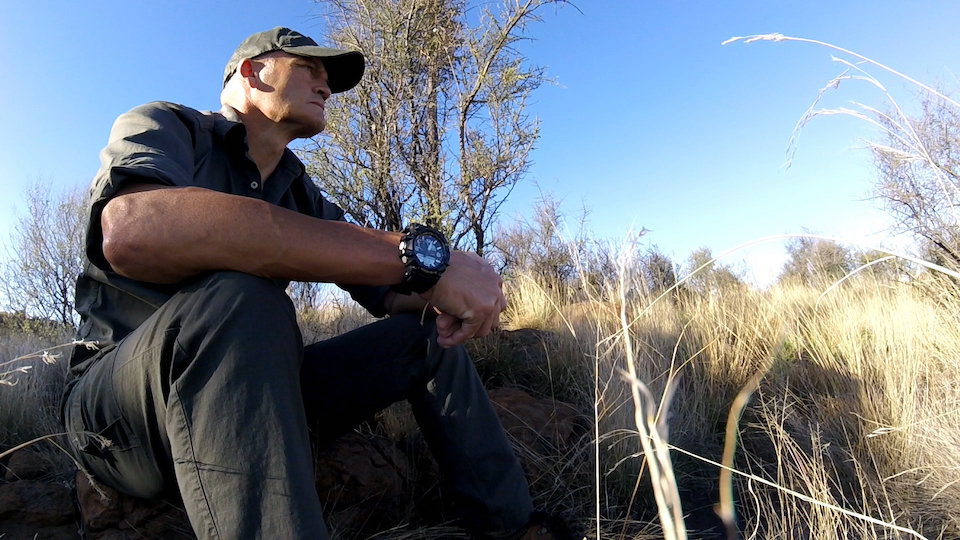
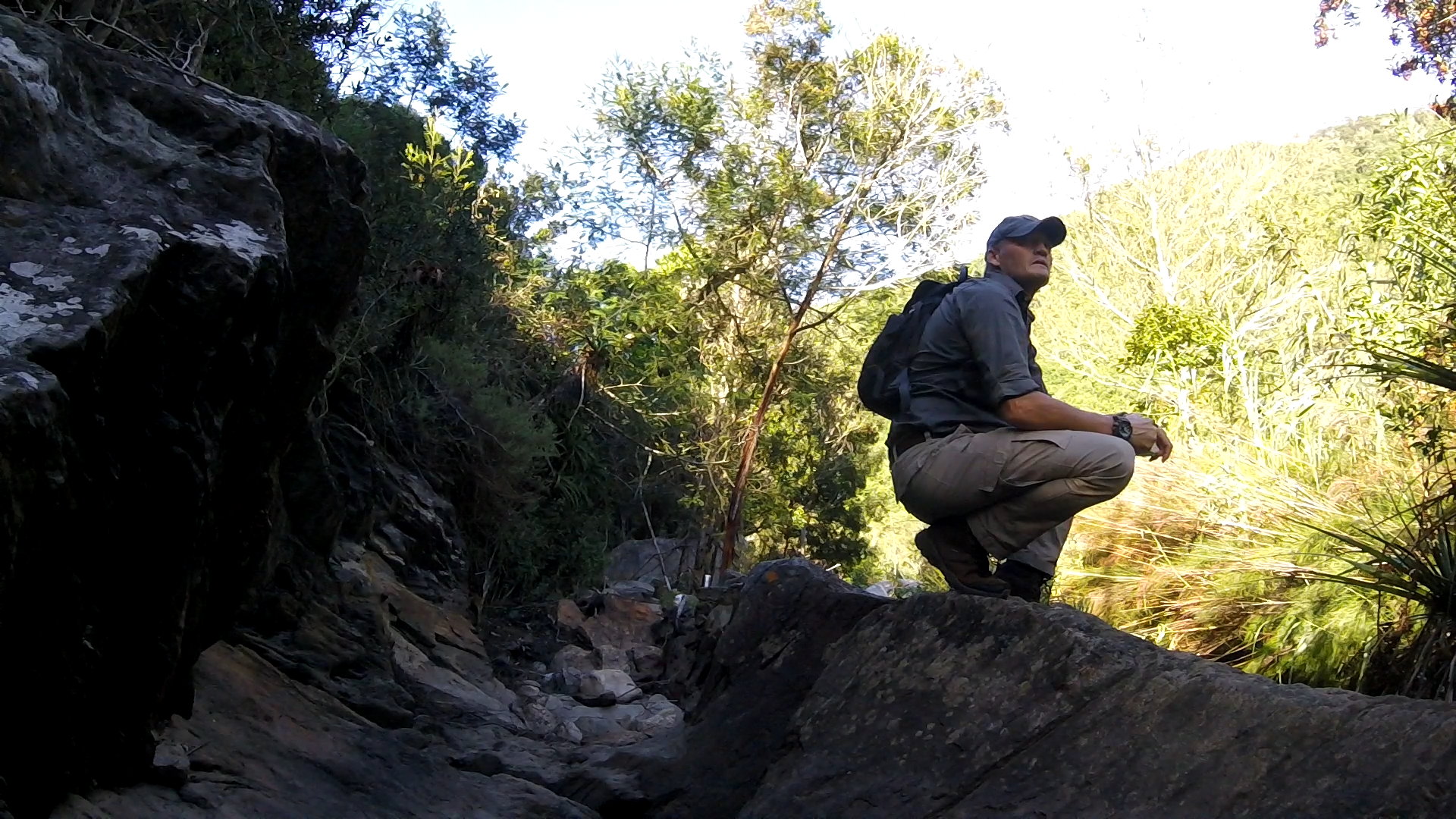
Field reflections: years of intelligence experience guide Leon’s strategies for tackling poaching on the ground.
Your path to conservation leadership
Becoming a conservation leader isn’t a straightforward path, but as Leon’s journey shows, it’s a rewarding one.
Whether you’re just starting out or looking to build upon your existing knowledge, the key to success in this field is a blend of passion, adaptability, and continuous learning. By following these steps you’ll be well on your way to becoming a steward of the environment.
So, are you ready to answer the call to action? The future of wildlife protection is in the hands of dedicated conservationists like you.
If Leon’s story has inspired you, here are some resources to help you take the next step in your own conservation career journey:
Explore careers in anti-wildlife crime: Read Conservation Careers articles featuring leaders in wildlife law enforcement, intelligence-led conservation and community-based anti-poaching initiatives, including:
- How far would you go to protect a species? – An in-depth interview with wildlife criminologist and National Geographic Explorer Dr Allison Skidmore, exploring undercover work against tiger poaching.
- Taking down the wildlife traffickers – The powerful journey of activist Ofir Drori and LAGA (Last Great Ape Organization) in anti-trafficking operations from Central Africa.
Check out our Ultimate Guide to Careers in Conservation and opportunities to work in conservation roles without a science degree for tips on building your skills and network.
Connect with WCIN: Learn more about the Wildlife Crime Information Network (WCIN) and how you can support their intelligence-sharing initiatives.
Author Profile | Stephanie Nicolaides
 Stephanie Nicolaides is a dedicated PhD candidate in Environmental Management at the University of the Western Cape. Her research delves into the impact of plastic pollution on the Mossel Bay coastline (South Africa), with a particular focus on the effects on marine biodiversity. Her work focuses on assessing plastic presence, local knowledge, and developing sustainable solutions. Stephanie holds an MSc in Life Sciences from the University of South Africa, where her dissertation examined the behavioural ecology of African clawless otters. She also earned her BSc Hons in Life Sciences, graduating cum laude, with an honours project on personality in Leopard Tortoises. Passionate about environmental sustainability, Stephanie is committed to advancing knowledge in marine biology and contributing to efforts to protect and preserve coastal ecosystems. Connect with Stephanie on LinkedIn.