Seeds of change: Abubakar Ibrahim’s quest for youth empowerment, conservation and heritage preservation in Nigeria

The fight for youth empowerment, cultural heritage preservation, and environmental conservation is not always an easy one. It requires vision, resilience, and unwavering commitment to creating positive change, and Abubakar Ibrahim, founder and president of Nigeria’s Katsina Youth Transformation Network (KYTN), exemplifies all these qualities.
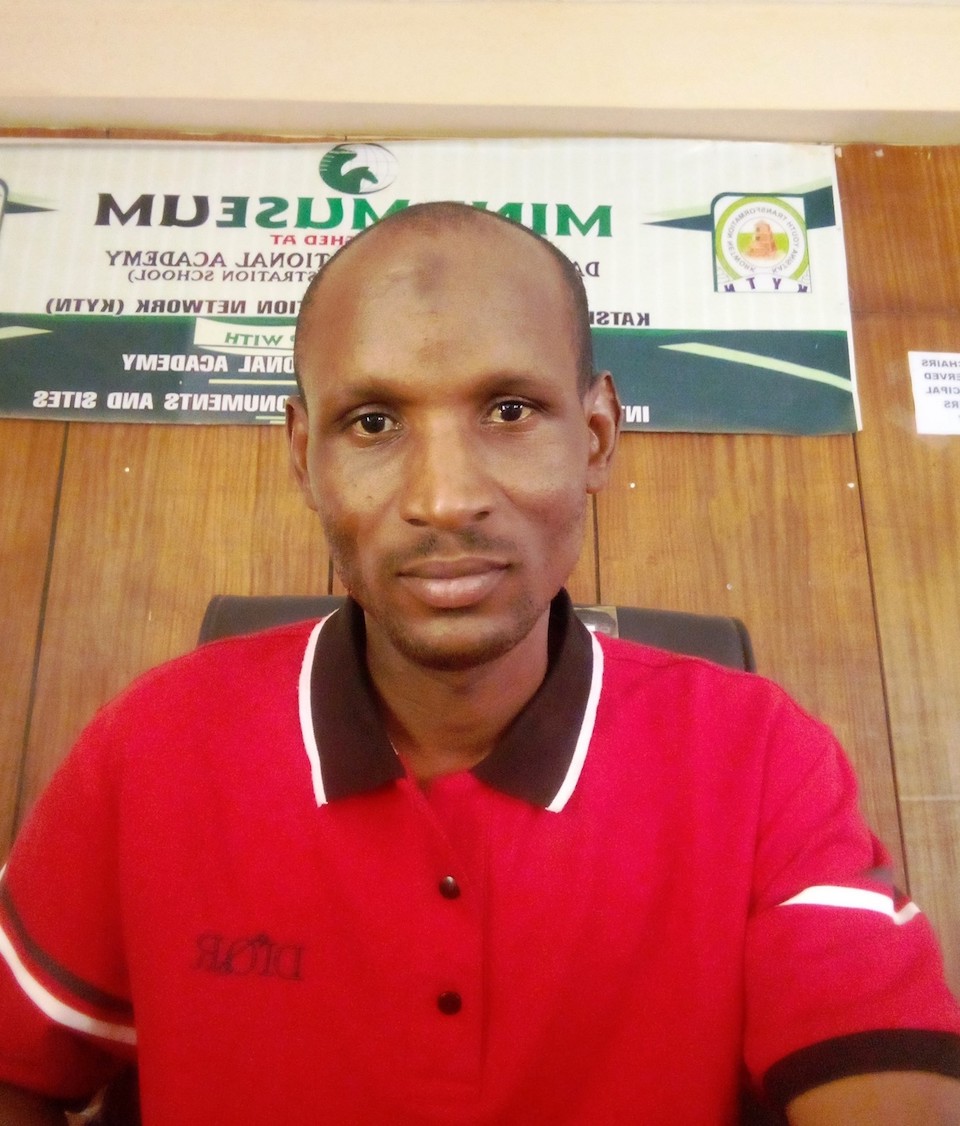
Abubakar Ibrahim, the founder of KYTN.
The birth of the Katsina Youth Transformation Network (KYTN)
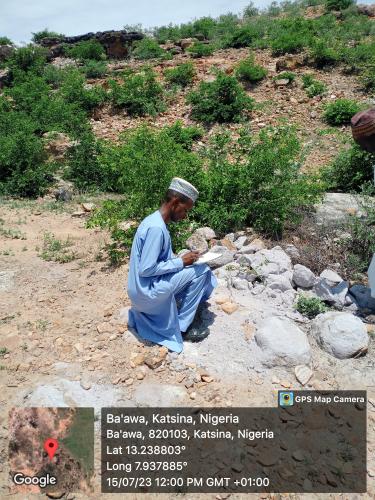
A survey conducted by Abubakar at the Bamle Archaeological site during the Vulnerability Assessment Survey conducted by KYTN in Katsina State.
In 2015, Abubakar (alongside a coalition of five youth organisations) established KYTN with one clear purpose: to engage and empower the youth of Katsina State. Nigeria has a population of over 200 million people and one of the youngest demographics in the world, with youth constituting a staggering 76% of the population.
However, this large group has long been excluded from the economic mainstream, with limited opportunities to contribute to the state’s development. Recognizing this, Abubakar and his team set out to push for change by creating a platform for youth to take an active role in shaping their futures.
But the journey has not been without its challenges. Despite obstacles such as overcoming cultural sensitivities that once hindered gender inclusivity, and securing adequate funding for their initiatives, Abubakar and the KYTN team have remained committed to the mission.
“We started with a modest approach, and it took time to establish our programs and secure support, but we were determined to see change, even when external support was not yet available. We have grown stronger and more inclusive, and today, over 60% of our leadership positions are held by women.”
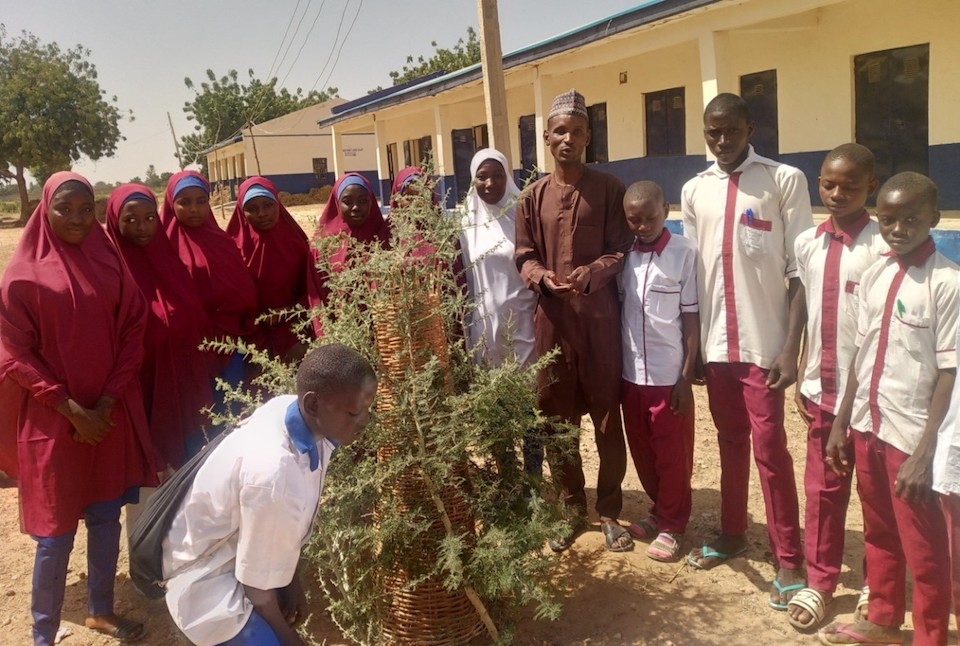
Junior and senior members of KYTN Eco-Future Club.
From upbringing to a life of service
Abubakar’s commitment to youth empowerment, heritage preservation, and environmental conservation is deeply rooted in his upbringing. Raised with a strong belief in the power of young people to bring about positive change, he is clear that youth hold the key to economic development, especially in countries like Nigeria, where unemployment rates among young people are alarmingly high.
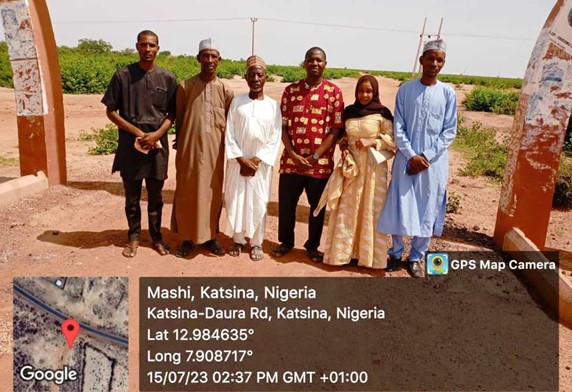
Group Photo taken at the entrance of Durbi Takusheyi Heritage Site during the Vulnerability Assessment Survey by KYTN with NCMM Staff.
Through KYTN, Abubakar and his team have spearheaded various initiatives to preserve Katsina’s cultural heritage, particularly its historic sites, many of which are vulnerable to the impacts of climate change. In 2023, a vulnerability assessment conducted by KYTN revealed that the tombs of founding rulers in the Durbi Takusheyi Heritage Site had been reduced in height due to flooding in 2018. This assessment, along with similar findings, has only strengthened their resolve to protect and safeguard these cultural landmarks.
Linking conservation and heritage preservation
Data collection at Durbi Takusheyi Heritage Site; Abubakar interviewing the Village Head of Durbi Takusheyi about the status of the heritage site for conservation purposes.
At KYTN, environmental conservation and cultural heritage preservation go hand in hand. The organisation recognises that protecting natural landscapes and ecosystems is deeply intertwined with safeguarding cultural heritage sites.
By engaging youth in environmental initiatives like tree planting and sustainability programs, KYTN also fosters a deeper understanding of the importance of preserving cultural landmarks, many of which are threatened by climate change.
This dual approach helps empower local communities to take active roles in both protecting the environment and honouring their heritage, creating a holistic model for sustainable development.
KYTN’s vision for youth empowerment
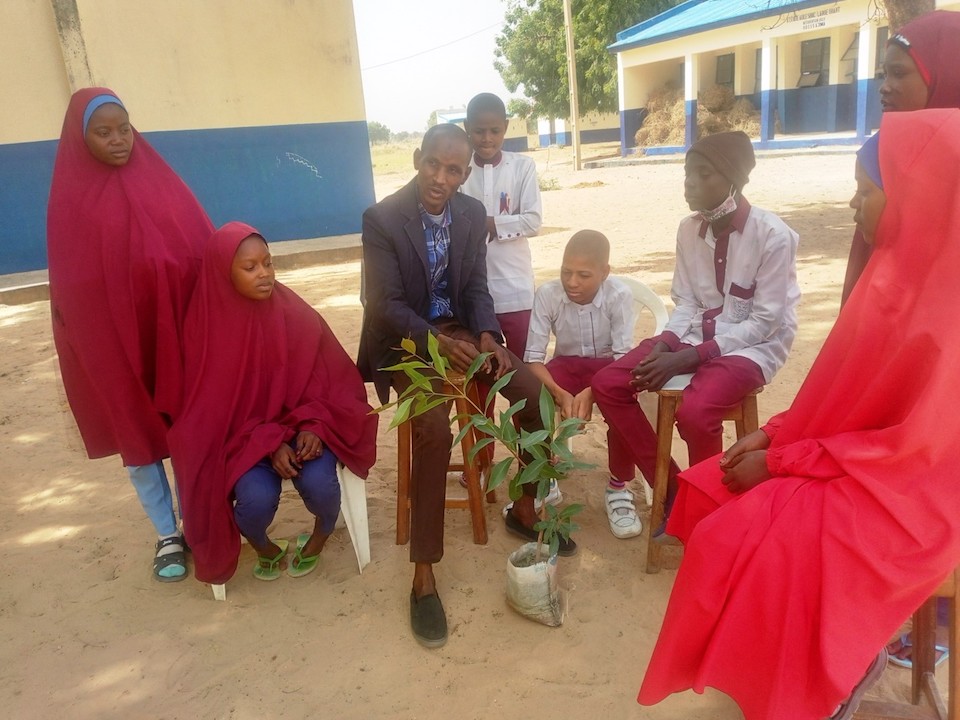
Local outreach programme educating the youth on the importance of tree planting.
At the heart of KYTN’s work is the understanding that environmental and cultural preservation cannot be achieved without youth involvement. He emphasises that young people must be made aware of the intersections between climate change and cultural heritage, as they are the ones who will inherit both the challenges and the solutions.
One of KYTN’s flagship initiatives, the Youth Green Network (YGN), is a school-based program designed to cultivate ecological awareness. Through Eco-Future Clubs, young people are educated on environmental conservation, climate change mitigation, and sustainable practices. The network aims to plant 15 million trees across Katsina State by 2030, with the goal of transforming the state into one of the most green and forested regions in West Africa.
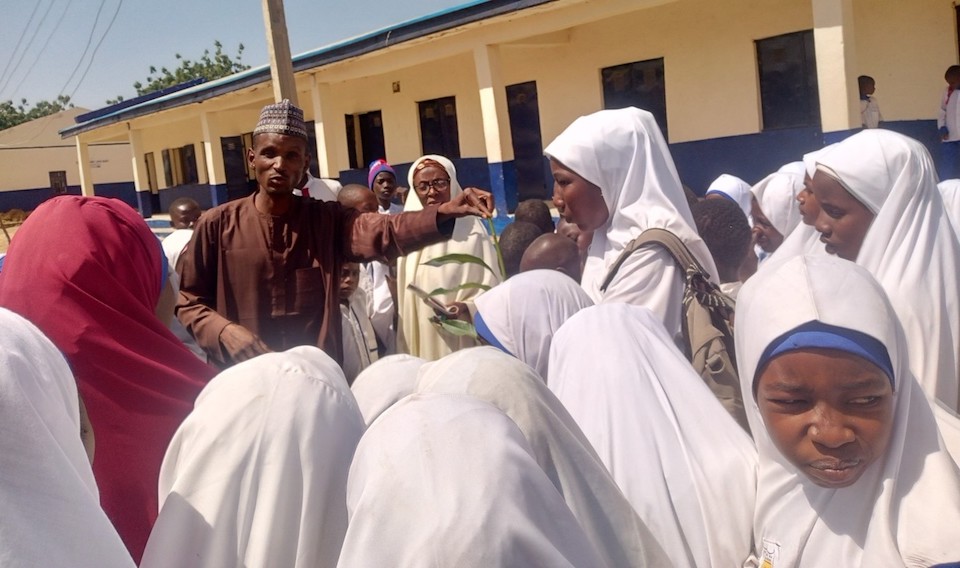
The President of KYTN highlighting the importance of planting economic trees.
“Our mission is to not only address climate change but also combat the rising tide of food insecurity in northern Nigeria. By planting trees, we’re creating carbon sinks, enhancing biodiversity, and improving local food security – all while providing opportunities for young people to be directly involved in these vital projects.”
The power of independence: Why KYTN stays away from government funding
Unlike many organisations, KYTN has made a conscious decision to remain independent from government funding.
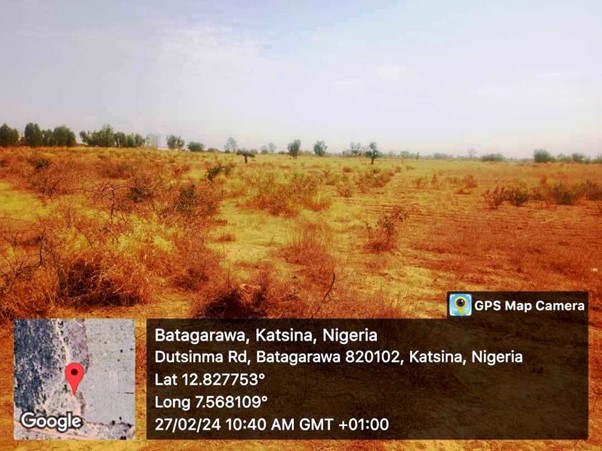
The land granted to KYTN for the kick-off of Youth Green Network by Batagarawa Local Government.
“Aligning with government or politicians can undermine our efforts,” he explains. “It would risk us losing the trust of the community and of our donors. Our work is about serving the people, not political interests. This independence allows us to stay focused on our mission and engage freely with a diverse range of partners.”
Addressing local environmental challenges: Climate change and heritage protection
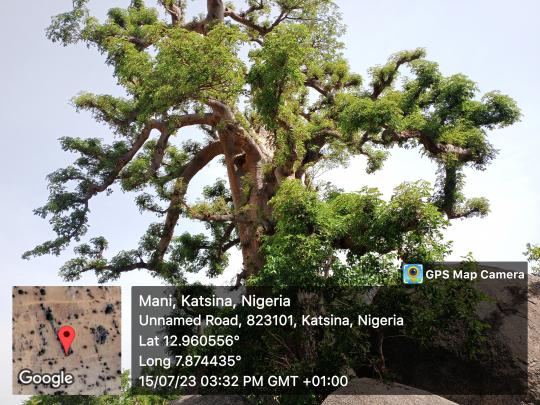
Kukar Katse, a historic Baobab tree from which the name of Katsina City was derived.
The environmental challenges facing the northern parts of Nigeria are stark. The state is prone to arid conditions which are exacerbated by the effects of climate change; this leads to biodiversity loss, desertification and increased health risks. As a result, the local communities face food and water insecurity, climate-induced migration, and the gradual erosion of their cultural heritage.
KYTN’s approach to addressing these challenges is through Nature-Based Solutions (NBS) – an approach that uses natural systems to mitigate the effects of climate change and protect livelihoods. By focusing on creating green spaces, planting trees, and promoting sustainable agricultural practices, KYTN works to reduce the risks posed by extreme weather events like floods and droughts.
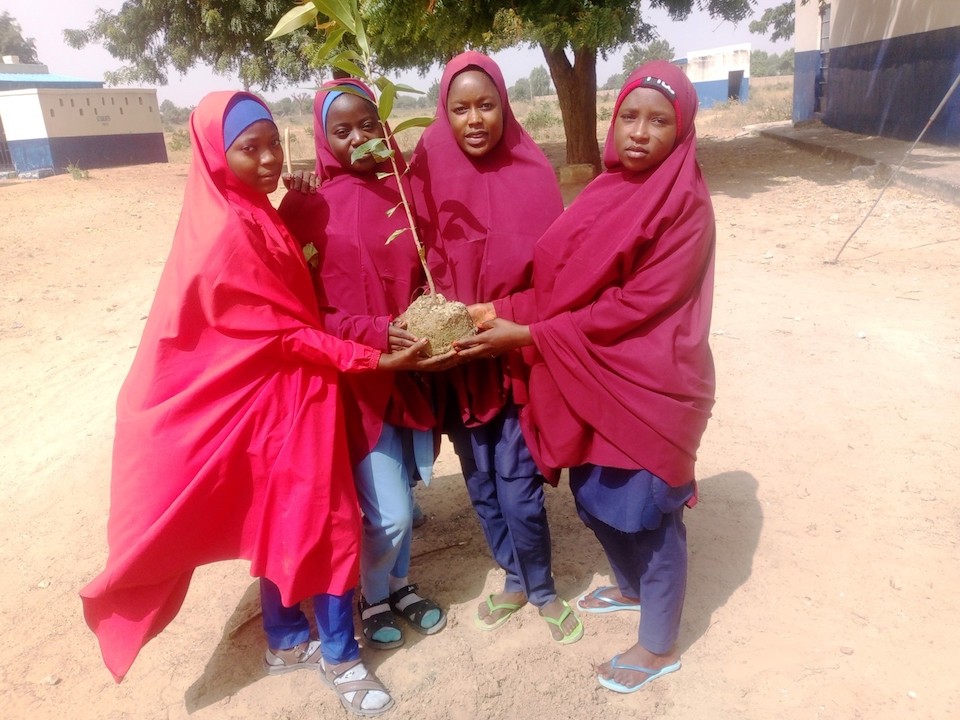
Secondary Girl’s school tree planting.
“Involving local communities in the planning and implementation of conservation projects is key, we combine indigenous knowledge with modern conservation techniques, ensuring that the solutions are culturally relevant and effective.”
Cultural heritage preservation: The Mini-Museums Project
One of the most innovative aspects of KYTN’s work is the Mini-Museums Project, which aims to preserve and promote cultural heritage by establishing small, community-based museums in secondary schools across the state. The goal is to engage young people in learning about their heritage, while also providing them with the tools to protect and preserve it for future generations.
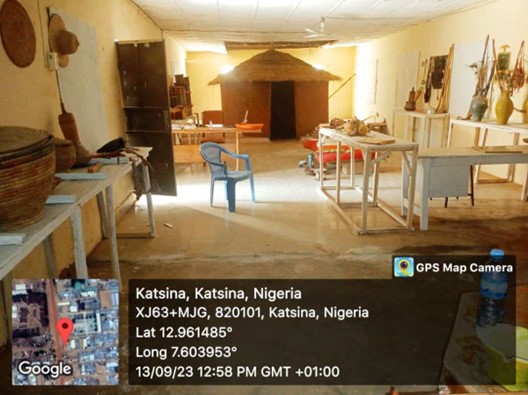
The completed demonstration museum for the establishment of mini-museums in secondary schools across Katsina State.
“Cultural heritage is not just about the past; it’s about what we can learn and carry forward into the future. Through these mini-museums, we are ensuring that young people understand the value of their cultural heritage and are motivated to protect it.”
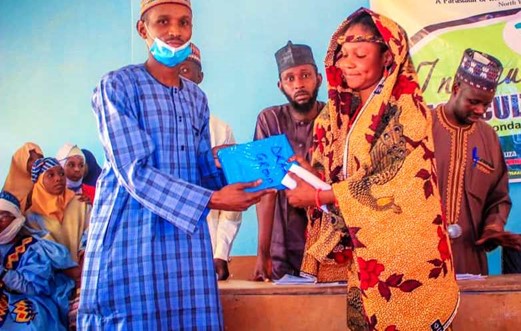
KYTN President presenting prize to the ‘Best Student in Drama’ during KYTN cultural week at Government Girls Secondary School Katsina.
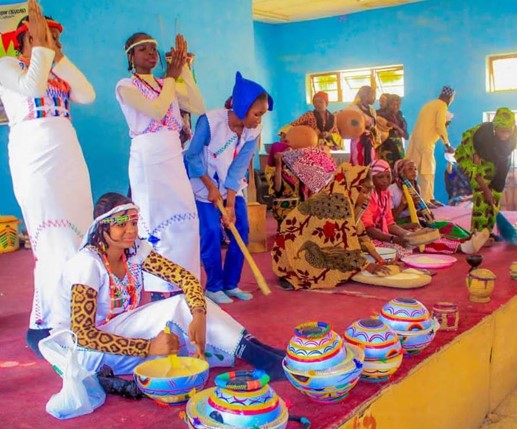
Fulfulde drama team during KYTN Cultural Week at Government Girls Secondary School Katsina.
Advice for aspiring conservationists
Abubakar’s journey is a testament to the power of perseverance, passion, and dedication. For aspiring conservationists and youth leaders, he offers a few key pieces of advice:
- Commitment and Resilience: “It’s not easy, but if you stay committed, your efforts will pay off. Even before external support arrives, demonstrate your own determination and resourcefulness.”
- Networking and Collaboration: “Build a network of partners, experts, and funding sources. This is essential for the growth and sustainability of your projects.”
- Community Engagement: “Work closely with your community, involve them in decision-making, and respect their traditional practices. Conservation is not just about the environment – it’s about people, too.”
- Focus on Sustainability: “Ensure your projects have a long-term plan. It’s important that your initiatives continue to benefit the community and the environment for years to come.”
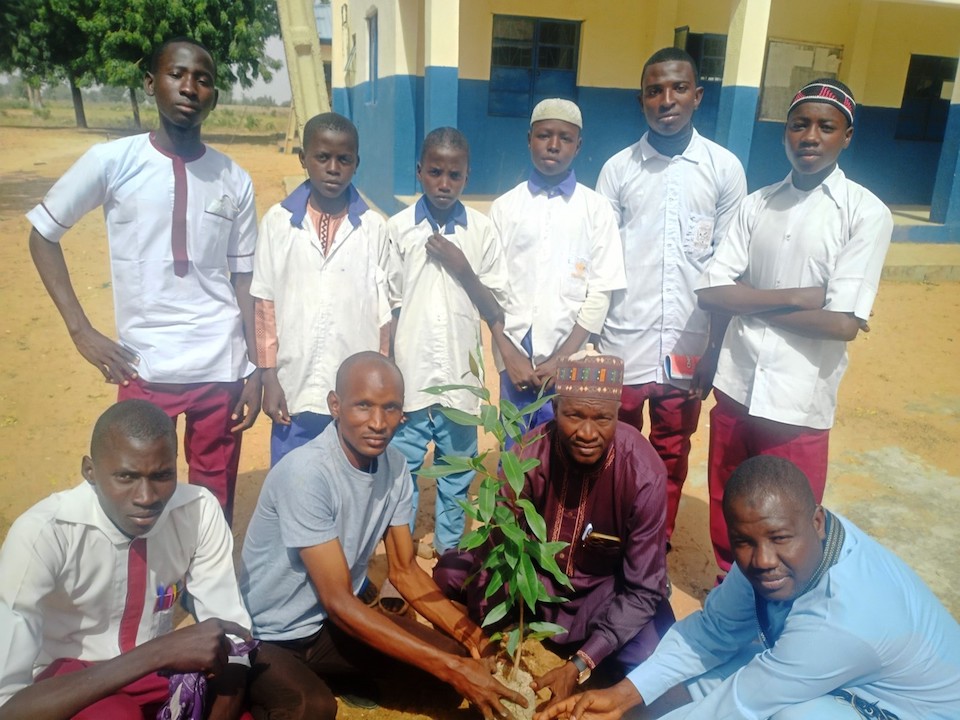
KYTN youth engagement.
A vision for the future
Looking ahead, Abubakar envisions KYTN becoming the leading youth development organisation in West Africa, with a strong presence in international forums such as the Conference of the Parties (COPs) and the African World Heritage Youth Forums. He hopes that KYTN’s work will inspire global initiatives to complement local efforts, ensuring sustainable development and environmental protection for generations to come.
In the next five to ten years, he hopes to see KYTN as an active force in shaping policies on climate change and cultural heritage. The organisation’s mission will continue to evolve, but its core commitment to youth empowerment, heritage preservation, and environmental conservation will remain unwavering.
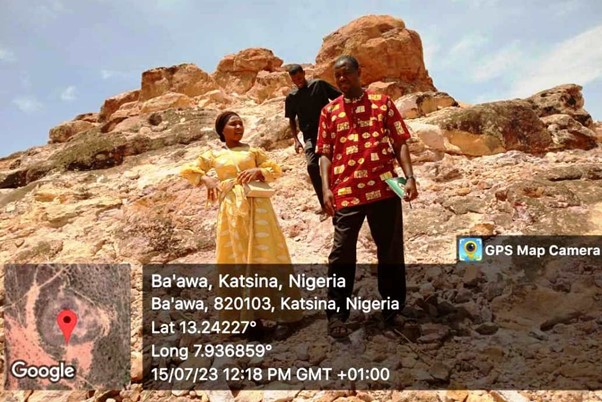
Inspecting the ruins of Bamle Rock at Bamle Archaeological site in Ba’awa Mashi LGA, Katsina State.
Key roles and skills for success in conservation and heritage preservation
In terms of roles within organisations of this nature, the work typically requires a diverse set of skills and backgrounds. While scientific expertise in fields such as environmental science, ecology, and archaeology is valuable, many roles also cater to individuals with backgrounds in education, community outreach, communications, and project management.
Education and experience in environmental studies, cultural heritage, sustainable development, or non-profit management are all beneficial, as they provide the necessary foundation to work on the ground, engage with communities, and drive initiatives.
Additionally, strong interpersonal skills, cultural awareness, and the ability to work collaboratively are crucial for those looking to make a meaningful impact. Organisations like KYTN often seek individuals who are passionate about creating change and are flexible enough to adapt to the needs of both the environment and the communities they serve.
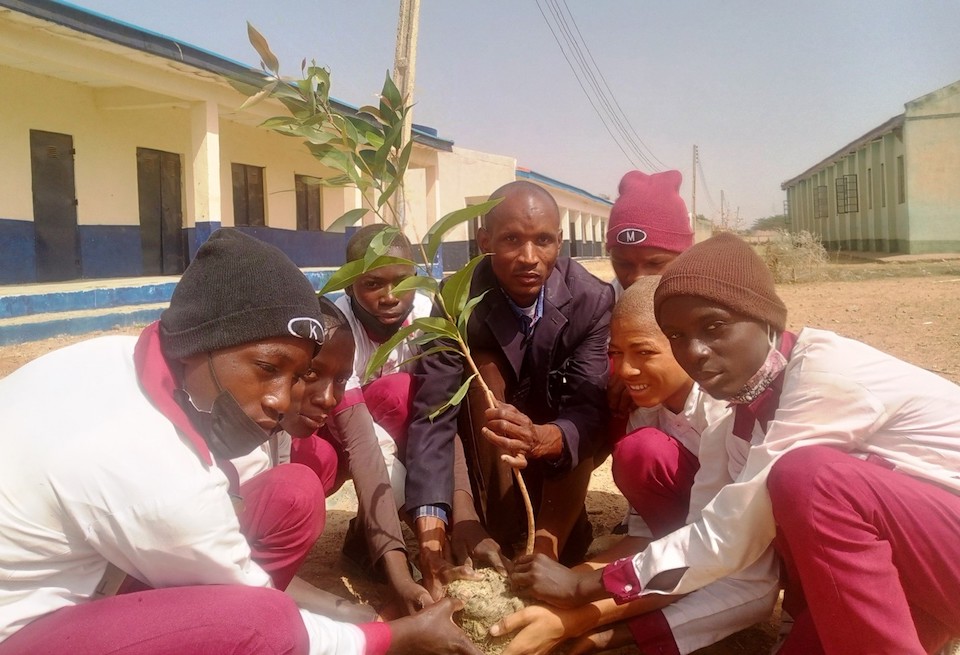
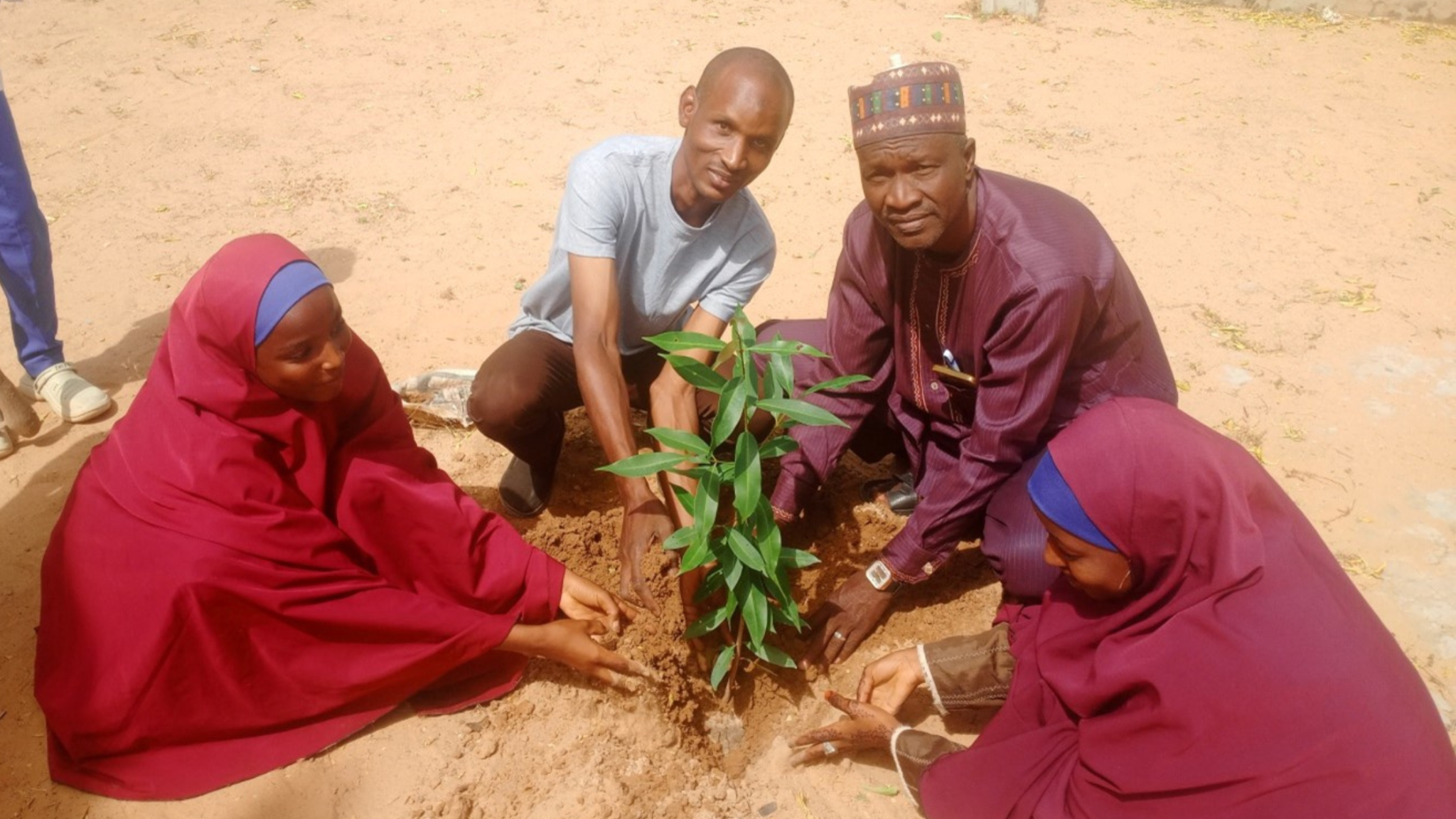
Tree planting initiative with local youth.
Reflections and wisdom
Reflecting on his journey, he shares a piece of wisdom that encapsulates his philosophy: “Youth has the power to transform the world. If we invest in them today, we are investing in a better future for all.”
Through KYTN, he ensures the next generation of leaders, have the tools, knowledge, and passion they need to create lasting change in their communities, their country, and beyond.
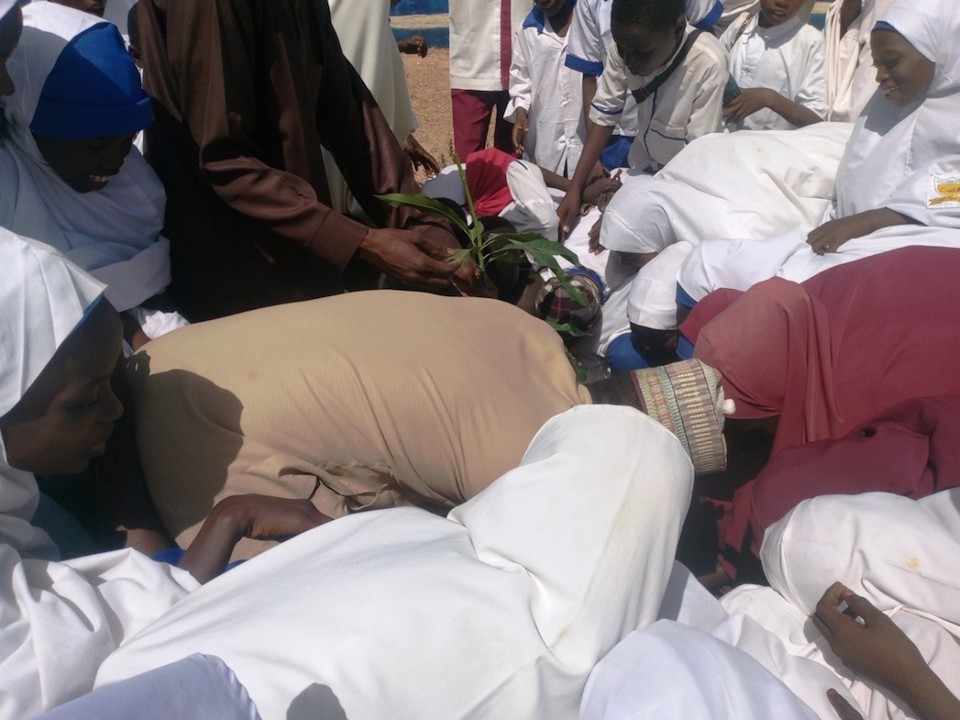
Symbolic tree planting for the launching of KYTN Eco-Future Club at Junior and Secondary Schools in Katsina.
Join the Conservation Careers Community
Are you inspired by Abubakar’s journey and KYTN’s impactful work? Follow their story and learn more about how you can get involved on the Conservation Careers website
Useful links for further learning
For more resources and ways to get involved in youth empowerment, heritage preservation, and environmental conservation, explore the following links. These provide essential insights, tools, and connections to help support and grow your own initiatives in conservation and heritage protection.
- Katsina Youth Transformation Network (KYTN)
- Youth Green Network (YGN): Learn more about tree planting initiatives and how youth can make a difference in environmental conservation.
- UNFCCC (United Nations Framework Convention on Climate Change): For those wanting to understand more about climate change policies and international youth involvement in conservation.
- Cultural Heritage Preservation Resources: Explore more about the importance of preserving cultural heritage alongside environmental conservation.
Author Profile | Stephanie Nicolaides
 Stephanie Nicolaides is a dedicated PhD candidate in Environmental Management at the University of the Western Cape. Her research delves into the impact of plastic pollution on the Mossel Bay coastline (South Africa), with a particular focus on the effects on marine biodiversity. Her work focuses on assessing plastic presence, local knowledge, and developing sustainable solutions. Stephanie holds an MSc in Life Sciences from the University of South Africa, where her dissertation examined the behavioural ecology of African clawless otters. She also earned her BSc Hons in Life Sciences, graduating cum laude, with an honours project on personality in Leopard Tortoises. Passionate about environmental sustainability, Stephanie is committed to advancing knowledge in marine biology and contributing to efforts to protect and preserve coastal ecosystems. Connect with Stephanie on LinkedIn.