
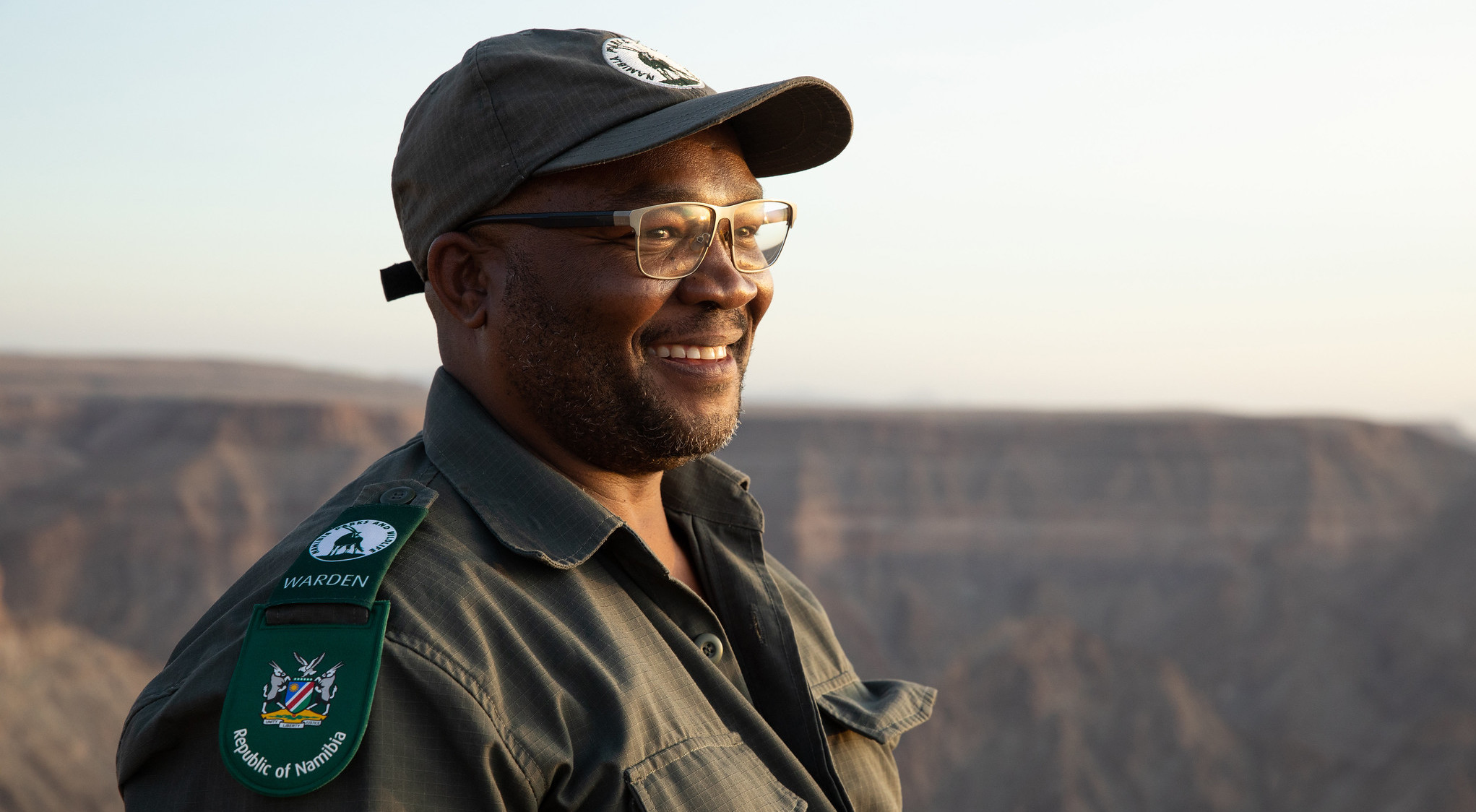
Conservation officer societies in the United Kingdom:
 Countryside Management Association (CMA). CMA supports countryside professionals across England, Wales and Northern Ireland with events, training and a quarterly magazine.
 Scottish Countryside Rangers Association (SCRA). SCRA provides training, standards and support for rangers working across Scotland.
- Chartered Institute of Ecology and Environmental Management (CIEEM)
 . CIEEM is the leading professional body for ecologists and environmental managers in the UK and Ireland, offering training, certification and networking.
 - National Association for Environmental Education (NAEE)
 . NAEE supports environmental educators across the UK, including those working in conservation outreach, with resources and professional development.
-
 Association of National Park Rangers (ANPR). ANPR is a professional organisation for current and former U.S. National Park Service employees and publishes Ranger magazine.
 -
 Society of American Foresters (SAF). A leading network for forestry professionals, offering education and policy advocacy.
 -
North American Wildlife Enforcement Officers Association (NAWEOA)
 . NAWEOA represents wildlife officers across North America, providing training, conferences and legal support.
 -
National Association of Conservation Law Enforcement Chiefs (NACLEC)
 . NACLEC is a leadership network for conservation law enforcement agencies in the U.S. and Canada, promoting standards, policy and collaboration.
-
European Ranger Federation (ERF)
 . The ERF is a regional branch of the International Ranger Federation and supports ranger associations across Europe through exchange, training and development.
 -
International Ranger Federation (IRF)
 . The IRF unites ranger associations from around the world, organises the World Ranger Congress and raises awareness of the critical work rangers do.
 -
Thin Green Line Foundation
 . The Thin Green Line Foundation provides support and funding to rangers in high-risk areas worldwide.
 - Game Rangers’ Association of Africa (GRAA)
 . GRAA supports and represents rangers across Africa, offering training, welfare support, advocacy and recognition.
 - Protected Areas Learning and Research Collaboration (PALRC)
 . Based in Australia but globally relevant, PALRC brings together professionals involved in protected area management for training, research and collaboration.

 Conservation Officer interviews
- How do you become a conservation officer?
- How do you become a nature reserve officer?
- From farming for profit to farming for wildlife – Advice for career switchers
- It’s a Frog’s Life with Paul Furnborough
- “Rewilding people” with Citizen Zoo | An interview with Elliot Newton (see Elliot’s role as Biodiversity Officer for Kingston Council).

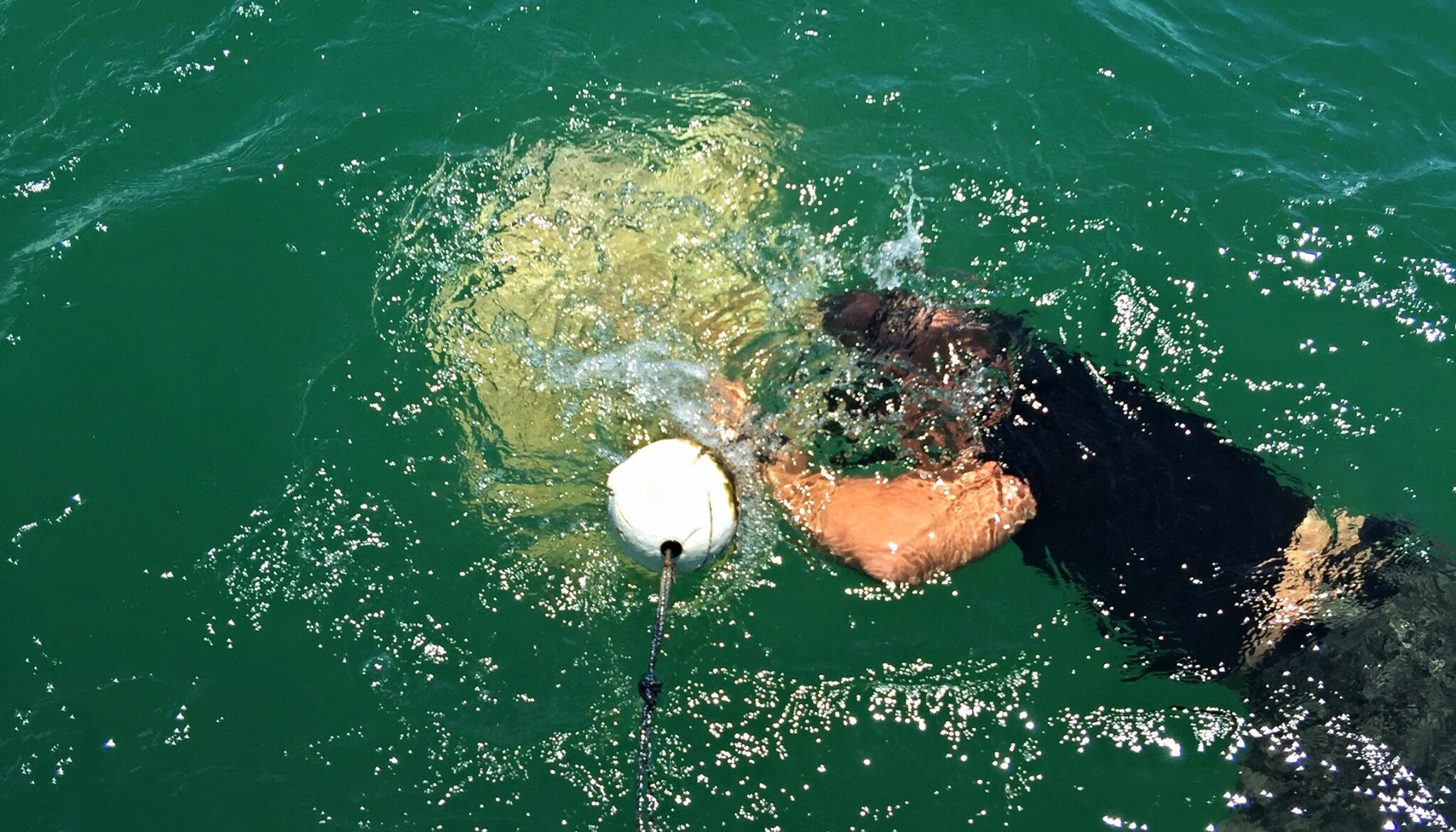
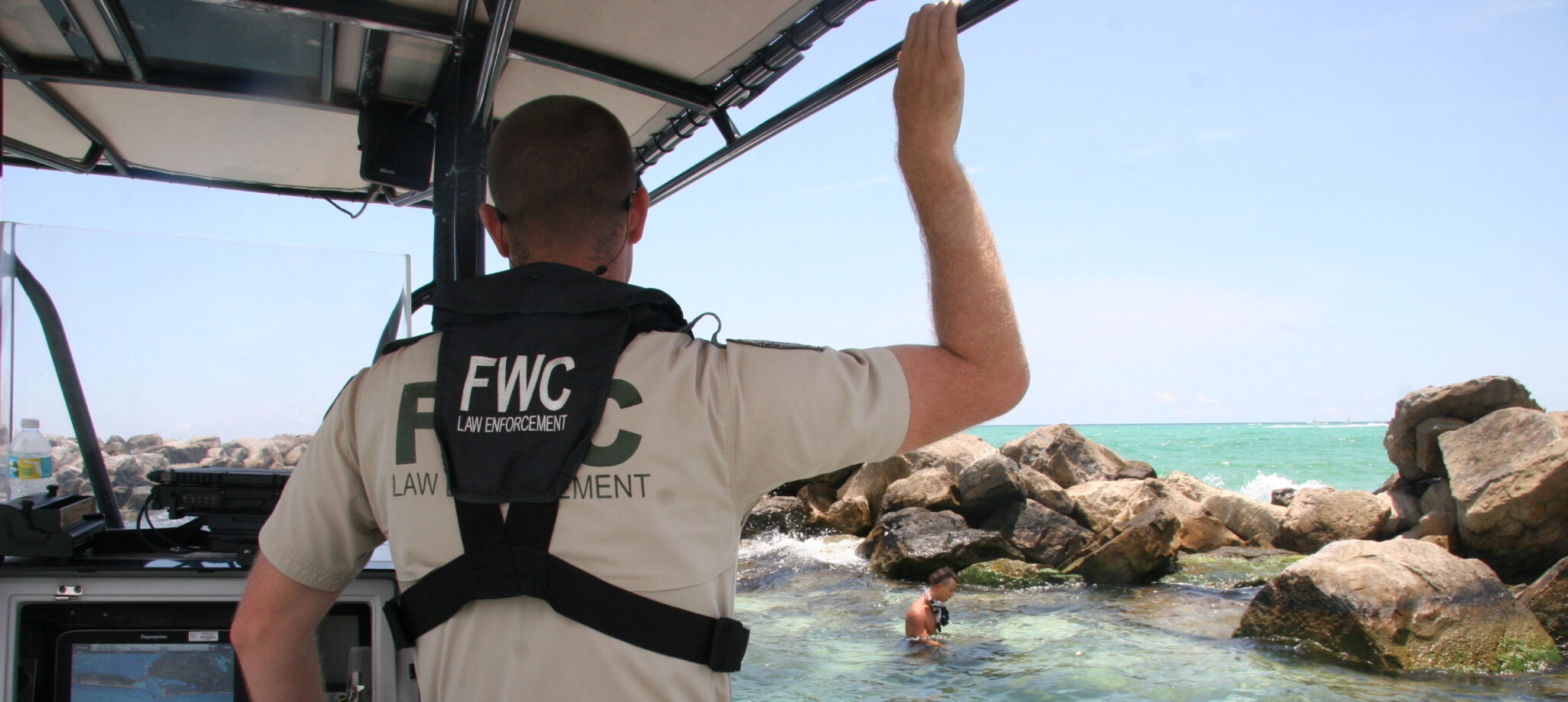
Conservation and Fishery Officers | Regina, Canada (2025)
Overview- Generate public awareness of fish and wildlife conservation and regulations
- Conduct patrols by truck, aircraft, boat, or on foot, to ensure compliance with the provincial and federal statutes relating to fish, wildlife and the environment
- Investigate complaints, arrest violators, prepare briefs and present evidence in court
- Issue licences, export documents and special permits and collect royalties assessed on fish, wildlife and timber resources
- Implement and supervise approved techniques in preventing or overcoming damage caused by wildlife
- Perform resource protection duties, such as inspecting fishing gear and equipment and monitoring fishing activities for compliance with regulations
- Gather resource data by making inventories of fish, collecting water samples and assisting biologists in scientific research
- Supervise or provide firearms safety training courses and trapper education courses.
- Completion of a college program in renewable resources management, environmental conservation or a related discipline is usually required.
- On-the-job training and courses related to law enforcement and resource management are provided.
- A class-5 driver’s licence, pesticide applicator’s licence and explosives licence may be required.
- Progression to senior and supervisory positions is possible with experience.
Terms of Employment:
- Full time
- Permanent Position
- 40 hours per week
- Day, Evening, Weekend, Shift, Overtime, On Call, Morning
Salary: Negotiable
Required Years of Experience: 1 year to 2 years
 Conservation Officer – Central Scotland | RSPB | Glasgow/Home, UK (2025)
About the role
As part of our Central Scotland Area Team, we are seeking a determined and enthusiastic team player, with a passion for nature to fill the role of Conservation Officer and help us deliver a range of work for priority species and habitats.
In this varied role you will respond to planning and forestry casework, provide advice directly to land managers, coordinate and undertake surveys, and help deliver conservation projects. This role will allow you to develop your skills under guidance from colleagues but a background understanding of the UK planning system, GIS and nature conservation legislation is desirable, as is a knowledge of birds and other wildlife.
This is a fantastic opportunity to play your part in delivering RSPB’s work to protect and enhance the area’s wildlife and habitats.
What we need from you
Essential skills, knowledge and experience:
- Degree level qualification in a relevant subject or ability to show equivalent work experience
- Good knowledge of the species and habitats of Central Scotland
- Experience of influencing and negotiating with the public or private sector, to deliver biodiversity benefits, through both regulatory and voluntary means, especially planning casework
- Sufficient knowledge of a range of other delivery mechanisms, including agri-environmental schemes, for conservation work in Scotland
- Ability to work effectively as a team player both internally and in external partnerships
- Excellent communication skills (verbal, written and presentational) – including an ability to speak confidently and cogently in public to a variety of audiences
- Ability to rapidly analyse significant quantities of information, prioritise and balance a diverse workload often to tight deadlines
- Proficient at using Microsoft Office packages including Outlook, Excel & Word
- Experience of working to survey, protect and/or manage important sites, species, or habitats
- An understanding of the Scottish planning system
- Competency in use of GIS
- Effective project management skills
- Experience of managing staff or volunteers and setting clear work priorities
- Understanding of the concept of landscape scale conservation and the pressures on land use in the operational area of this role.
The post will be based both at home and RSPB’s Glasgow office. You will be required to be able to travel independently to different groups and venues, not always easily accessed with public transport. A driver’s licence is strongly recommended, or a suitable alternative.
The Conservation Officers will be part of a friendly, enthusiastic team, with a strong emphasis on working collaboratively and mutual support. There will be lots of opportunities to develop new skills and build on existing areas of expertise.
This is a Permanent, Full-Time role for 37.5 hours per week.

 Conservation Officer – Mourne Park | Woodland Trust | Newry, Northern Ireland (2025)
The Woodland Trust is looking for a Conservation Officer – Mourne Park on a fixed term contract until December 2029 to support the work on the development and delivery of The National Lottery Heritage Funded project at Mourne Park.
The Role:
- This is a key role in The National Lottery Heritage Funded project at Mourne Park. The Conservation Officer will be required to work on the development and delivery of woodland creation and restoration operations, natural and built heritage and countryside access projects and local habitat auditing and assessment programmes.
- The role will be responsible for providing advice and assessments to landowners who wish to participate on the woodland creation or restoration element of the project and continually monitor work undertaken to ensure successful implementation.
- You will co-ordinate and oversee implementation work on heritage conservation projects identified by the project, including the writing of management plans when required.
- You are responsible for fostering good relations with partners, contractors, interested organisations and individuals, local people, visitors and the media. Identifying, reviewing and meeting with potential partners who could assist the project to meet its objectives and whose objectives could be assisted by the project.
- This role is based in Mourne Park, Northern Ireland and will require the successful candidate to travel to site and around Northern Ireland as required.
- This role is a funded fixed term role until December 2029.
- This role will require an enhanced DBS check as part of our pre-employment checks.
- This role is made possible thanks to The National Lottery Heritage Fund and National Lottery Players.
- You have an enthusiasm for the environment and share our core values-Grow Together, Explore, Focus and Make it Count.
- Hands on experience in project delivery especially in complex, multi-disciplinary projects bringing together a variety of skills from both within and outside the organisation to plan, monitor and deliver projects on time and to budget.
- You’ll have experience in forestry or conservation land management experience, including experience of volunteer and community engagement.
- You’ll have achievement in working with, developing and managing land management and owning partners.
- You’ll have a collaborative approach, with the ability to work with multiple teams, building relationships with both internal and external stakeholders effectively.
- You’ll know about the techniques for native woodland creation, native woodland design for conservation and economic objectives, and experience of managing woodland creation sites.
- Strong communication skills, both written and verbally being able to liaise with internal and external stakeholders, especially volunteers using a variety of methods to suite the audience.
- This role does require regular travel to and from Mourne Park and Northern Ireland. A full UK driving licence is required.
Benefits & Wellbeing:
Joining our team means you’ll be a big part of tackling environmental and climate issues. We take good care of our staff, offering support and training opportunities. We also offer:
- Enhanced Employer Pension
- Life Assurance
- Flexible & Hybrid Working Options
- Generous Annual Leave
- Enhanced Parental Pay
- Employee Assistance Programme
About Us:
The Woodland Trust is the UK’s leading woodland conservation charity and is dedicated to creating a world where trees and woods thrive for both people and nature. Our mission involves engaging and inspiring individuals to contribute toward tackling the nature and climate crisis through the protection, restoration, and creation of essential woodland habitats.
Assistant Conservation Officer | Surrey Wildlife Trust | Surrey, UK
We are looking for an Assistant Conservation Officer to assist in reviewing planning applications which are submitted to Local Planning Authorities in Surrey.
You will be responsible for reviewing technical information and preparing technical reports presenting the outcome of your assessments. Your project portfolio will be diverse, working in a dynamic and collaborative team. Your role will also involve data entry and management to support the team in delivering a high-quality and professional service.
This is primarily an office-based role at our HQ in Pirbright, however, flexible, hybrid working options are available; some site visits within the county will also be necessary. This is a permanent full-time role but we will consider part-time applications (please state as appropriate). You must be ready to travel, as required, to attend site meetings so a valid UK driver’s licence is essential and the ability to work flexible hours.
We operate a flexi policy and aim to provide a good work/life balance which can incorporate some home working whilst having an interesting and challenging working environment.
Criteria and Specification
Experience
- Demonstrable experience of providing ecological advice to developers and/or Local Planning Authorities (at least one year of relevant experience)
- Familiarity with biodiversity net gain assessments using the latest metrics.
- Degree in ecology or other relevant subject or experience to evidence knowledge
- Evidence of an understanding of relevant UK legislation and planning policy, in addition to the application of best practice ecological survey guidelines.
- Knowledge of biodiversity net gain and its application.
- Good understanding of habitat and species management, in addition to mitigation requirements, at a local and landscape scale.
- Good knowledge of protected species surveys and mitigation techniques.
- Ability to respond promptly and professionally to clients with advice and consultation from colleagues if required.
- Ability to work as a team and liaise with a wide variety of people
- Excellent verbal and written communication skills
- Excellent report writing skills
- Enthusiastic with an ability to inspire others
- Dedicated, proactive, adaptable and flexible to your approach to work
- Be personable and a team player with the ability to work on own initiative and independently when required.
- The ability to deal with a wide variety of people in a friendly and professional manner
- Passionate about nature conservation and the ethos of the Wildlife Trusts
- Enthusiastic with an ability to inspire others
- Dedicated, proactive, adaptable and flexible to your approach to work
- Be personable and a team player with the ability to work on own initiative and independently when required.
- The ability to deal with a wide variety of people in a friendly and professional manner
- Passionate about nature conservation and the ethos of the Wildlife Trusts
The salary offered to successful applicants will be agreed based on qualifications and experience and will form part of a benefits package including: above minimum pension contributions, life assurance of 4 x salary, employee support scheme, 22 days holiday and flexible working policy.
Guided by a collaborative vision where we all play a part in connecting nature, we provide expert advice and guidance to landowners and managers, making sure the land we look after leads by example, while inspiring and educating people and organisations across the county on what they can do. By doing this we will create a Surrey that is full of diverse and abundant wildlife, where nature is at the heart of individual choices, corporate decisions, and local economic and policy making. One that helps tackle the ongoing climate emergency, while supporting the health and wellbeing of all who live here.

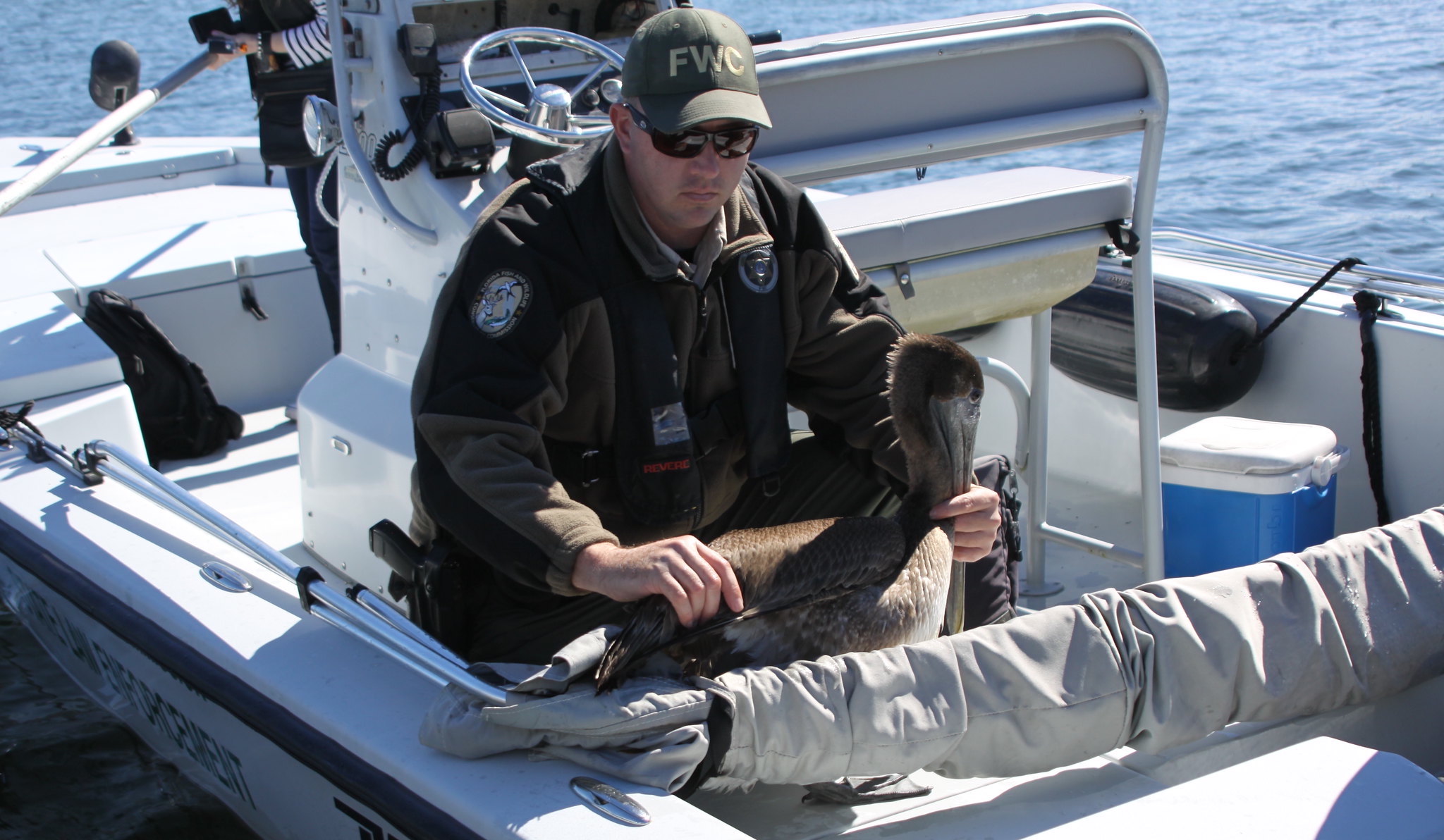
 How to become a forest ranger
Forest rangers (also known as park rangers or wardens) are the frontline guardians of forests, entrusted with protecting, conserving and restoring parklands and forests from the local to national level. Explore.
How to become an ecologist
 Ecologists study the relationships between living things (including humans!) and the environment around them. Examples include: Assistant Ecologist, Ecologist, Consultant Ecologist. Explore.
 How to become a botanist
Botanists are scientists who study plants. They are also known as plant scientists, plant biologists or ‘phytologists’. Explore.
Not sure yet which type of conservation role is right for you? Explore all 11 Key Conservation Roles.