From Agricultural Economics to Sustainability Leadership: Matthew Guest’s Advice for Aspiring Conservationists

When most people picture a conservation career, they imagine wildlife veterinarians, marine biologists, anti-poaching units, or scientists deep in the field. Rarely do they picture economists. And yet, according to Matthew Guest, some of conservation’s biggest successes, or failures, are often shaped not only by ecology, but by economics, incentives, human behaviour, and the systems that influence decision-making every single day.
As a Sustainability Specialist at SIZA (The Sustainability Initiative of South Africa) and an Agricultural and Natural Resource Economist, Matthew represents a growing generation of professionals working at the intersection of sustainability, economics, agriculture, conservation, and environmental governance. His work highlights a reality many aspiring conservationists are only beginning to recognise:
Saving the planet requires far more than passion alone. It requires people who can bridge disciplines, communicate across sectors, understand systems, and translate sustainability into practical, workable action.
A Journey That Wasn’t Linear
Matthew’s path into sustainability was anything but straightforward. After high school, he initially moved to the Netherlands to study Medicine at Maastricht University. But something did not feel right. “I quickly realised it was not fulfilling me personally or professionally,” he explains. “I decided to leave during my first year and pursue something more aligned with my interests.”
That decision would ultimately redirect him toward Agricultural Economics at Stellenbosch University, where he discovered a discipline that connected economics, agriculture, environmental management, conservation, labour systems, and sustainability into one interconnected framework.
“I was immediately drawn to how broad and interdisciplinary the field was,” he says. “Learning that it extended beyond agriculture into labour economics, conservation, wildlife management, and natural resource management made me realise I had found the right fit.” That interdisciplinary thinking would become the foundation of his career.
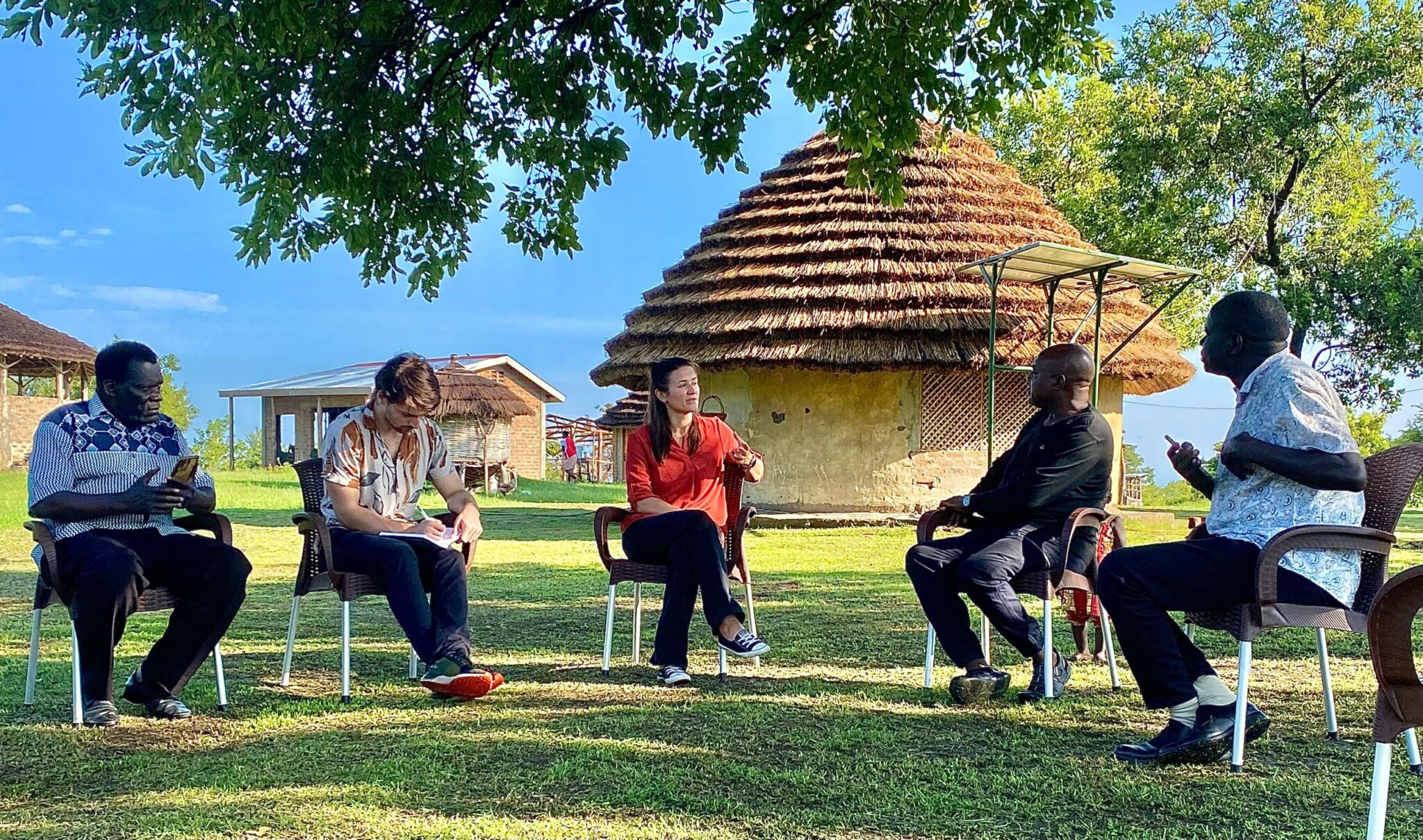
Community engagement session in Uganda during a feasibility assessment.
Why Economics Matters in Conservation
Many people do not instinctively connect economics with conservation. But for Matthew, the relationship is impossible to ignore. “I was initially passionate about both economics and conservation separately,” he explains, “but what really fascinated me was realising how deeply economics drives conservation outcomes.”
According to him, economics sits at the heart of environmental decision-making because conservation outcomes are often shaped by incentives, livelihoods, and long-term resource management.
“Economics is fundamentally about decision-making and incentives, and conservation often succeeds or fails based on the incentives people face.” This perspective has become increasingly important in modern conservation, where biodiversity loss, climate change, food security, land use pressures, and sustainability reporting are colliding across industries worldwide.
Agricultural and natural resource economics, Matthew explains, provides practical tools to align economic incentives with environmental stewardship. It helps create systems where farmers, communities, landowners, and businesses can benefit from protecting the very ecosystems they depend on. And in a rapidly changing world, that balance matters more than ever.
Sustainability Beyond the Buzzword
Today, “sustainability” is everywhere, splashed across advertisements, corporate strategies, and social media campaigns. But Matthew believes meaningful sustainability goes far deeper than branding. “Meaningful sustainability is practical, measurable, and integrated into everyday decision-making,” he says. “It is not simply about policies or marketing language, it is about creating systems that are environmentally responsible, economically viable, and socially inclusive over the long term.”
His current role at SIZA reflects exactly that.
As a Sustainability Specialist, Matthew oversees and implements the SIZA Environmental Standard in South Africa, helping support sustainability assurance and international market access. His work includes farm inspections, stakeholder training, audit oversight, and ongoing engagement with producers and industry stakeholders on sustainability compliance and continuous improvement.
It is highly practical, highly collaborative work, far removed from the simplistic idea that sustainability is just about “going green.” Instead, it involves balancing environmental stewardship with economic realities and long-term social sustainability. “Environmental responsibility and economic sustainability are not mutually exclusive,” Matthew explains. “Environmental degradation ultimately creates long-term economic risks.”
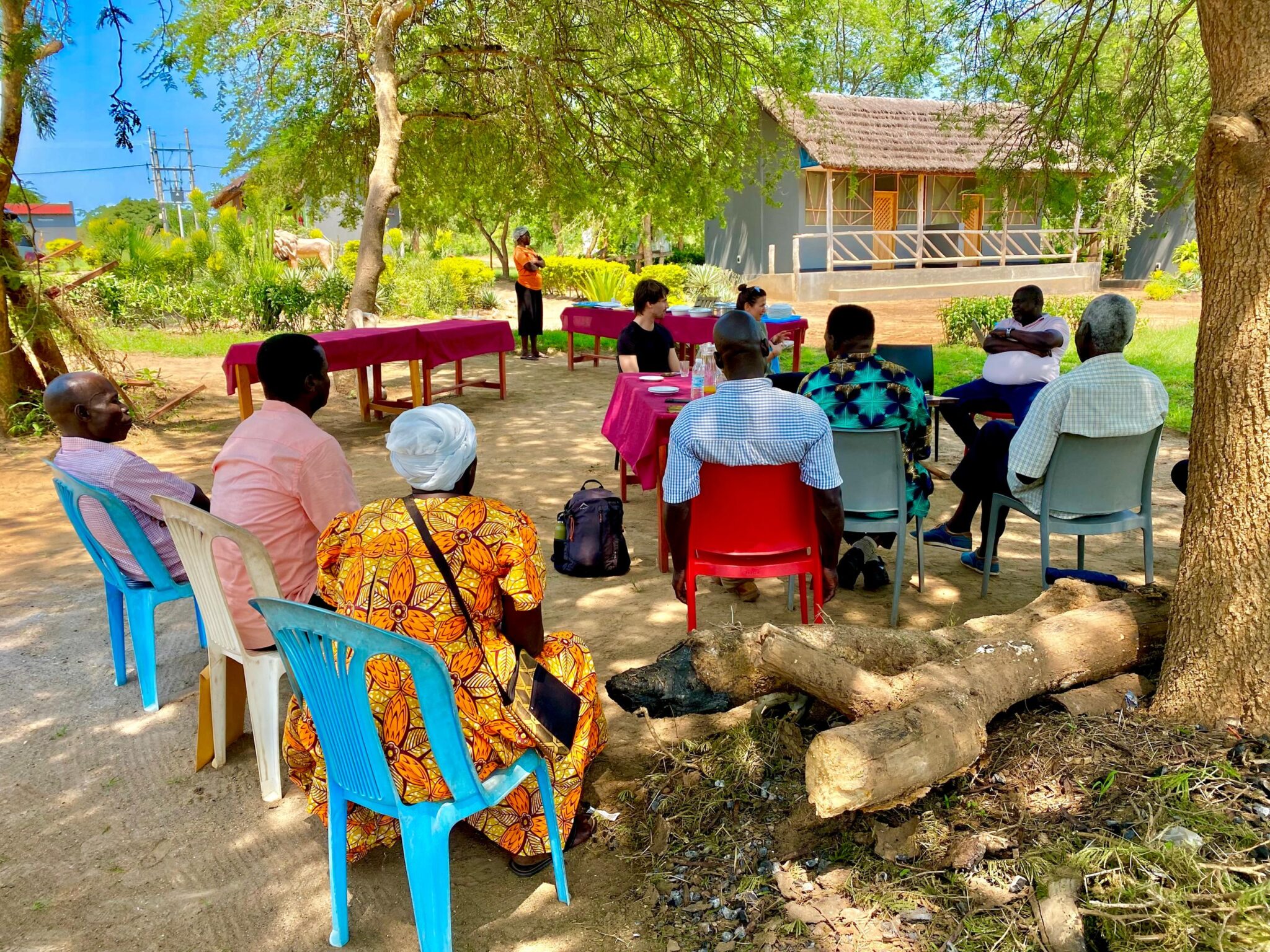
Facilitating stakeholder discussions with local community representatives and conservation practitioners.
Conservation Cannot Happen in Isolation
One of the strongest themes running through Matthew’s perspective is the importance of interdisciplinary thinking. “Conservation cannot happen in isolation anymore,” he says.
In today’s world, conservation professionals increasingly need to understand sectors such as agriculture, finance, trade, policy, mining, sustainability reporting, stakeholder engagement, and economics. According to Matthew, these fields are no longer separate from conservation work, they are deeply interconnected and increasingly shape environmental outcomes globally.
“Interdisciplinary thinking allows conservation professionals to communicate more effectively, scale sustainability initiatives, and develop solutions that are practical in real-world contexts.”
This shift is transforming what conservation careers look like globally. The future environmental sector will not only need scientists and ecologists. It will also need systems thinkers, communicators, economists, sustainability specialists, policy experts, and people capable of bridging the gap between environmental ambition and practical implementation.
Why Communities Matter
Matthew is also deeply passionate about community-based natural resource management, believing long-term conservation success depends on involving local communities directly. “Local communities are often the primary users and stewards of natural resources,” he explains. “If conservation does not create tangible value for those communities, there is very little long-term incentive to protect those resources.”
This philosophy reflects a growing recognition across conservation globally: exclusionary conservation models often fail when local livelihoods and realities are ignored.
“Community-based natural resource management works because it aligns conservation outcomes with local economic benefit,” he says. “When communities directly benefit from conservation through tourism, employment, sustainable resource use, or wildlife revenues, conservation becomes far more sustainable and locally supported.” For aspiring conservationists, it is a powerful reminder that successful conservation is ultimately about people as much as wildlife.
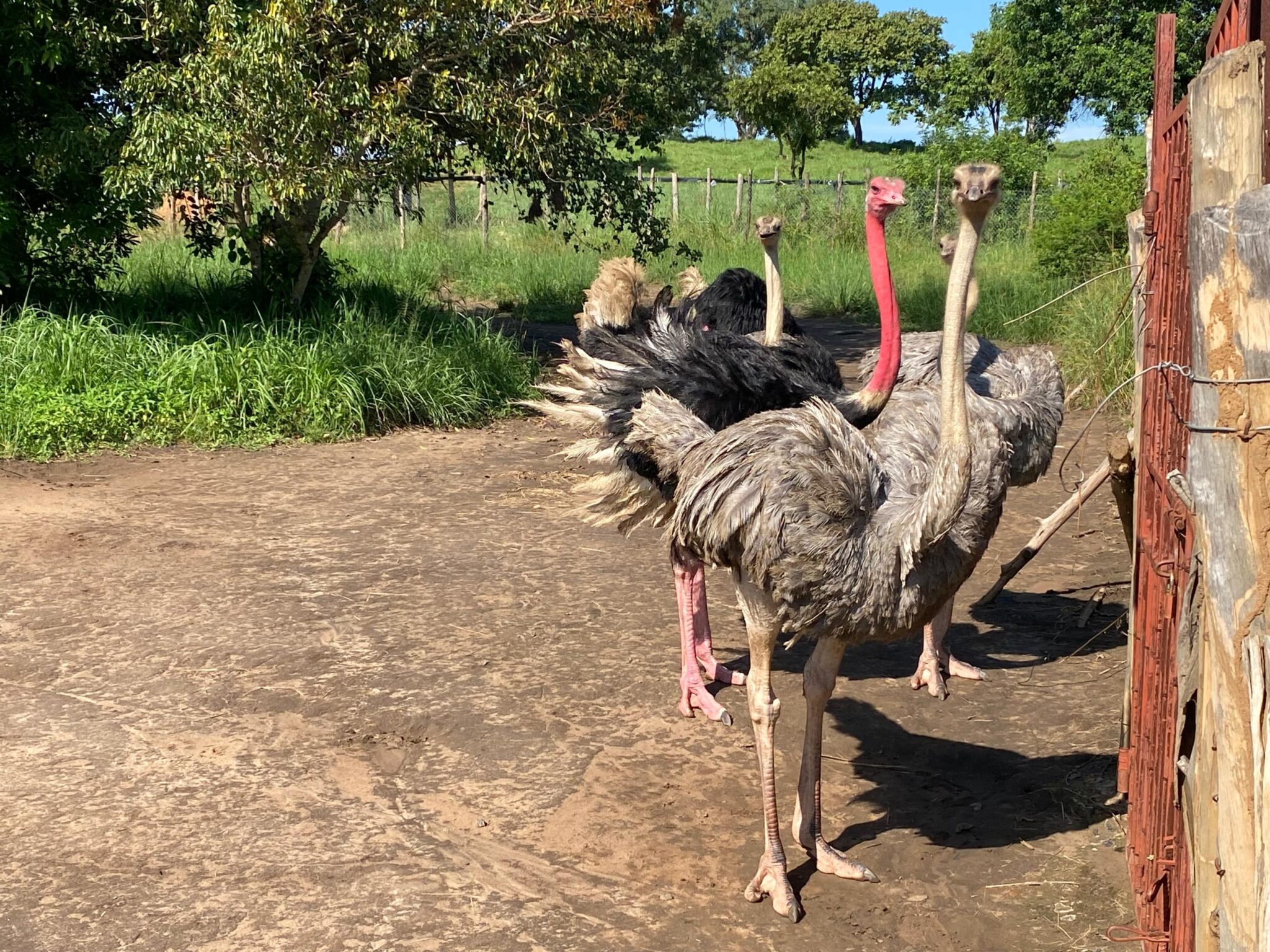
Agricultural enterprises, including wildlife and livestock production systems, often form an important component of sustainable rural development and conservation-compatible livelihoods.
Building a Career: Beyond Grades and Qualifications
Matthew graduated cum laude in both his undergraduate and postgraduate studies, but he is quick to point out that academic success alone is not enough to build a strong sustainability career. “For me, success came down to consistency, discipline, and genuine engagement,” he says.
He immersed himself in university life beyond the classroom, serving as Events Manager and later Chairperson of the Agricultural Economics Postgraduate Association at Stellenbosch University, volunteering as a research assistant, and actively engaging with lecturers, students, and professionals.
Those experiences, he says, were instrumental in helping him grow both academically and professionally. “Those experiences not only strengthened my academic performance but also opened doors professionally because lecturers and supervisors recognised my willingness to contribute.” His advice for students entering the sustainability space is refreshingly practical.
“Technical skills are important,” he says, “but students also need to learn how to communicate effectively, market themselves professionally, and build visibility within their field.” And perhaps most importantly, “being proactive and involved often creates opportunities that grades alone cannot.”
Finding Your Place in Sustainability
For young people passionate about sustainability but unsure where they fit in, Matthew encourages curiosity, experimentation, and exposure to different sectors. “Sustainability is incredibly broad, and many people only discover their niche through experience and experimentation,” he says.
He encourages aspiring professionals to volunteer, attend industry events, participate in projects, build relationships, and explore different disciplines wherever possible. According to Matthew, these experiences are often what help people discover where their genuine interests and strengths lie within the sustainability sector.
“Building relationships, volunteering, attending events, and participating in projects can help clarify what genuinely interests you,” he explains. And then comes one of the simplest, but perhaps most important, pieces of advice in the entire interview: “Someone once said, ‘your network is your net worth,’ and while it sounds cliché, there is a lot of truth to it.”
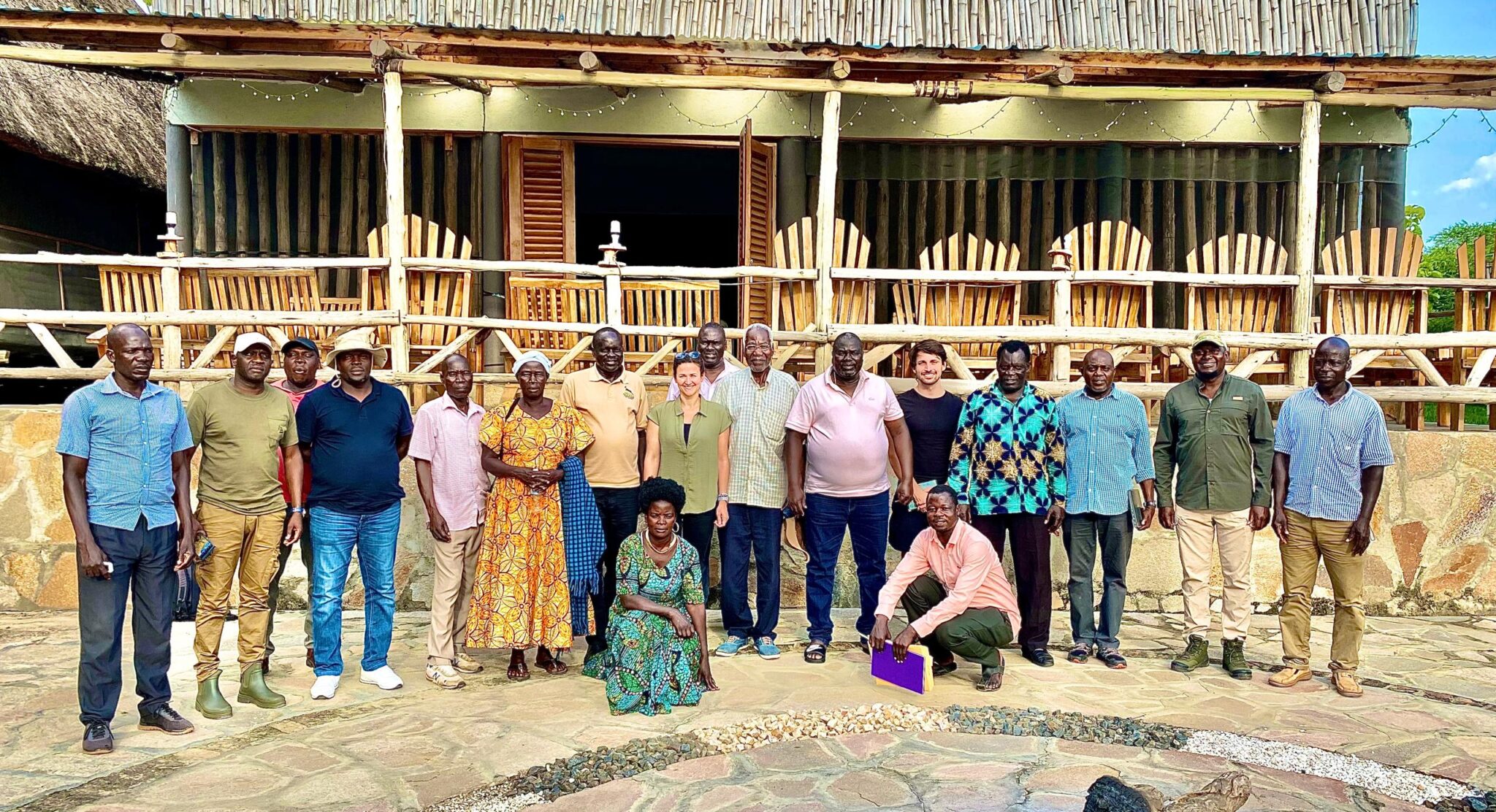
Matthew and project partners with local stakeholders during a field visit in Uganda, highlighting the importance of collaboration between communities, conservation practitioners, and development specialists.
Hope for the Future
Despite the scale of global environmental challenges, Matthew remains optimistic about the future of sustainability and conservation. He believes young professionals entering the sector today will play an incredibly influential role in shaping the future of sustainable agriculture, environmental management, and conservation globally.
“Young professionals are entering industries at a time when sustainability considerations are becoming increasingly important across all sectors,” he says. “Their ability to innovate and challenge traditional approaches will be extremely valuable.”
And ultimately, what keeps him motivated is seeing people begin to genuinely engage with sustainability in meaningful ways.
“One of the most rewarding aspects of my work is being able to shift someone’s perspective on sustainability and conservation,” he reflects. “It is incredibly rewarding when I can communicate sustainability in a way that feels practical, relatable, and meaningful, especially when it inspires someone to become more engaged themselves.”
Because perhaps the future of conservation will not only depend on protecting nature.
It will depend on helping people understand why protecting it matters in the first place.
Author Profile | Stephanie Nicolaides
 Stephanie Nicolaides is a dedicated PhD candidate in Environmental Management at the University of the Western Cape. Her research delves into the impact of plastic pollution on the Mossel Bay coastline (South Africa), with a particular focus on the effects on marine biodiversity. Her work focuses on assessing plastic presence, local knowledge, and developing sustainable solutions. Stephanie holds an MSc in Life Sciences from the University of South Africa, where her dissertation examined the behavioural ecology of African clawless otters. She also earned her BSc Hons in Life Sciences, graduating cum laude, with an honours project on personality in Leopard Tortoises. Passionate about environmental sustainability, Stephanie is committed to advancing knowledge in marine biology and contributing to efforts to protect and preserve coastal ecosystems. Connect with Stephanie on LinkedIn.