Conservation as a unifier – A vision for a sustainable, connected future

Scott Thomson’s journey from the fast-paced world of hospitality to the heart of conservation is nothing short of remarkable.
Once a dedicated chef, Scott’s life took a dramatic turn following a life-altering injury that forced him to rethink his path. This unexpected twist led him to a newfound purpose, one where conservation and community are at the heart of his mission.
Today, Scott serves as the chairperson of the Great Brak River Conservancy in South Africa, leading impactful conservation initiatives that bring together people and nature. Through the Conservancy, he is building more than just a network of environmental stewards; he’s cultivating a community that sees conservation as a pathway to social change, economic opportunity, and environmental sustainability.
Scott’s philosophy encourages others to take responsibility for the land around them, not just for the immediate impact but for the legacy they leave behind.
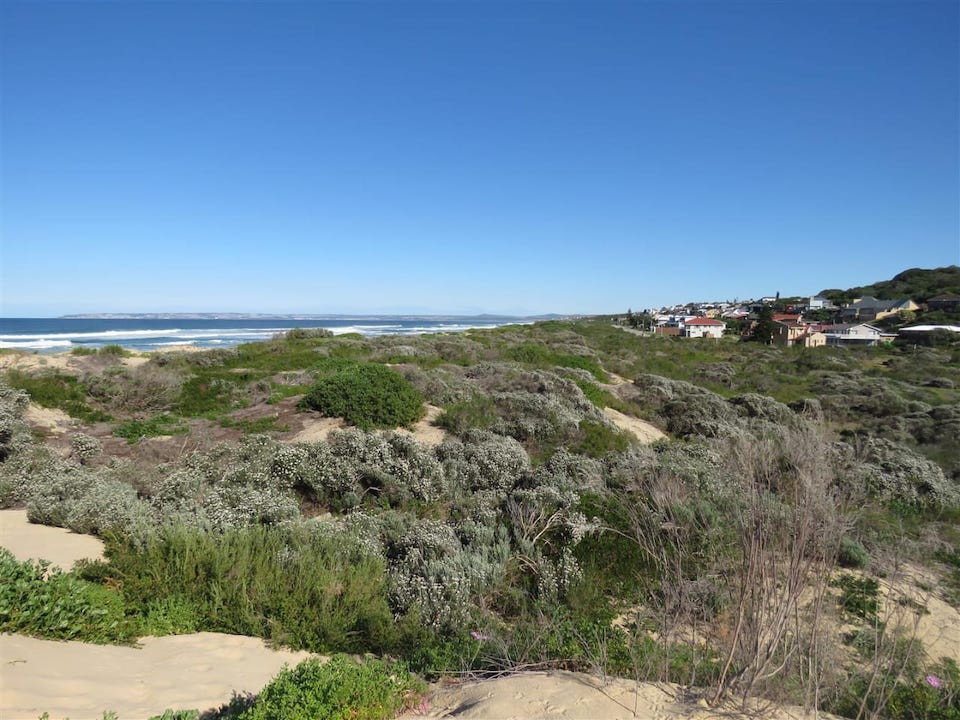
The dunes of Groot Brak Beach offer a peaceful and picturesque view, embodying the natural splendour of the area.
Defining the environment as a unifier
For Scott, conservation is about more than protecting nature, it is about identity. “I’m a South African, but what does that actually mean?” Scott asks.
In a society where differences in culture, politics, and socio-economic status often divide people, Scott’s view of the environment is both unifying and profound. “What unites us is our living environment…. That is our true unifier, and that is who I am. And I think that is worth preserving.”
For Scott, the environment represents a common ground, a place where people can find connection and meaning beyond their individual circumstances.
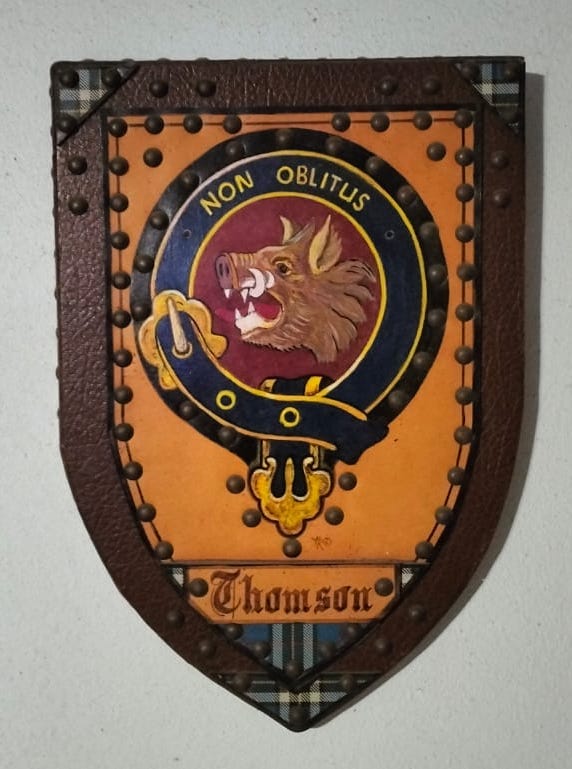
The Thomson family crest.
Scott’s family motto, “Non Oblitus”, meaning “Do not forget“, is deeply connected to his philosophy and has become a guiding principle for his work. As he explains, this motto is a reminder to never forget why we are here, why we do what we do, and the purpose that drives us. It serves as a powerful call to action, encouraging him to preserve the environment for future generations and to protect the natural world that binds all humanity together.
The Thomson family crest, which prominently displays a wild boar (a creature known for its resilience) and the motto, reflects these values and serves as a personal reminder to honour and protect the world we share. Scott reflects, “Do not forget your purpose, and the duty we have to the world around us”.
Scott’s philosophy is encapsulated in a powerful poem he wrote, which reflects the essence of his belief in personal responsibility and collective action. It speaks directly to the core of his philosophy:
Someone
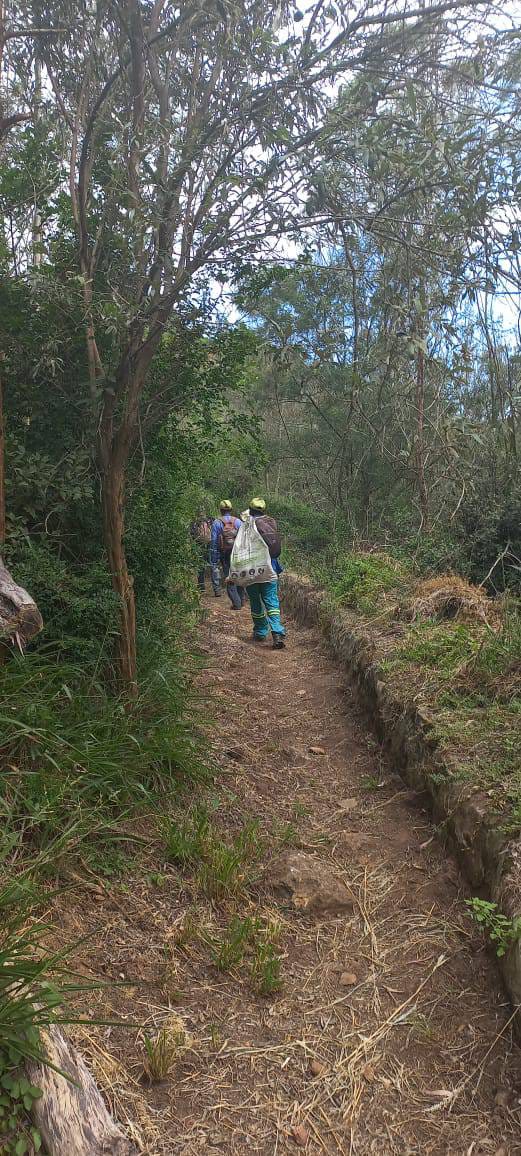
The team clearing alien invasive species along the scenic Wolwedans Dam trail, helping restore the local ecosystem.
Someone should fix it, don’t you agree?
The cracks in the wall, the dying tree.
Someone must step in, take the lead,
To mend the wounds, to plant the seed.
Someone must care, someone must fight,
To banish the wrong, to champion the right.
They say it with passion, with voices so strong,
Yet stand in the shadows, where they don’t belong.
Who is this Someone, this ghost of the blame?
An ethereal figure, a convenient name.
A phantom of guilt, of duty deferred,
A whispered excuse, a hollow word.
Why not you? Why not now? Why not here?
Why watch the world crumble, driven by fear?
Stop shifting the weight, release the disguise,
For the “Someone” is you if you’d open your eyes.
The mirror reflects the face of the plea,
The hands that could change, that could set free.
No saviour will come, as you fail to plan,
The Someone you seek is the heart of a man.
Impactful projects: The power of collaborative change
One of Scott’s core beliefs in conservation is the importance of enabling multiple paths of change through one single action. He has spearheaded initiatives that tackle a variety of environmental issues while also providing tangible benefits for local communities. Conservation should do more than protect nature, it should actively improve the lives of people in the community.
“One can tackle unemployment, alien vegetation, and water security all in a single job,” Scott explains. “For me, the environment is the people. We can facilitate change through the environment.”
The Great Brak River Conservancy’s projects reflect this philosophy. From beach clean-ups to food gardens in local crèches, each initiative is designed not only to address ecological concerns but also to offer local communities new opportunities.
These projects empower residents to see the environment as both a resource and a pathway to economic stability, helping shift perspectives on conservation from a mere obligation to an opportunity for progress.
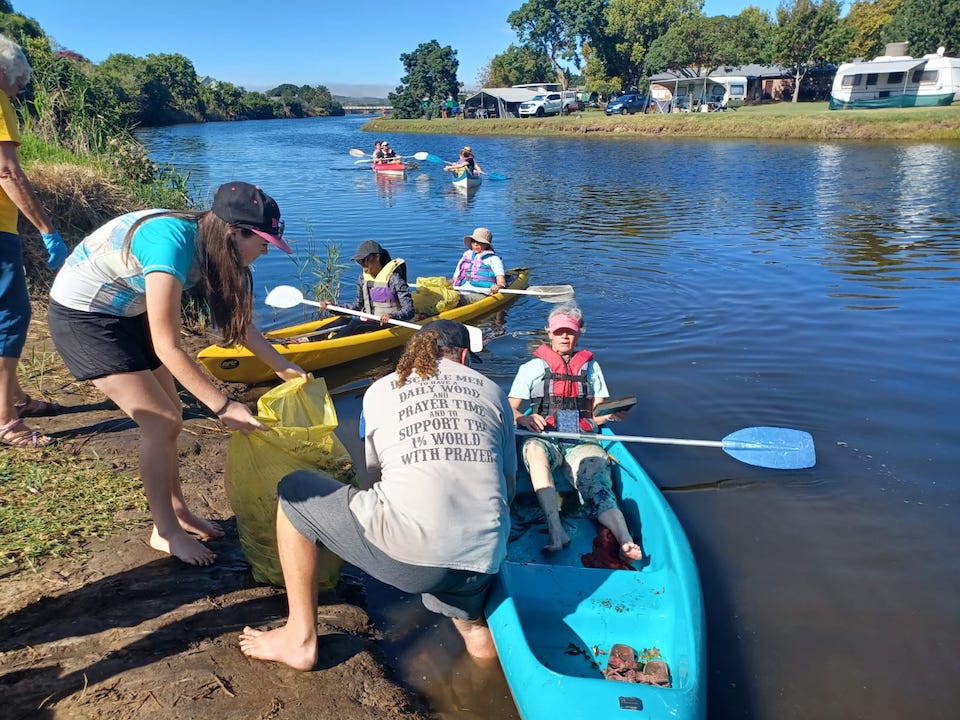
A collective effort to clean the Groot Brak Estuary, helping to ensure the preservation of its delicate ecosystems and biodiversity.
One of the cornerstones of his work involves controlling invasive species, which threaten the region’s biodiversity. The team at the Great Brak River Conservancy, under Scott’s guidance, regularly organizes alien vegetation removal drives to combat the spread of invasive plant species such as Rooikrans, which choke out indigenous flora.
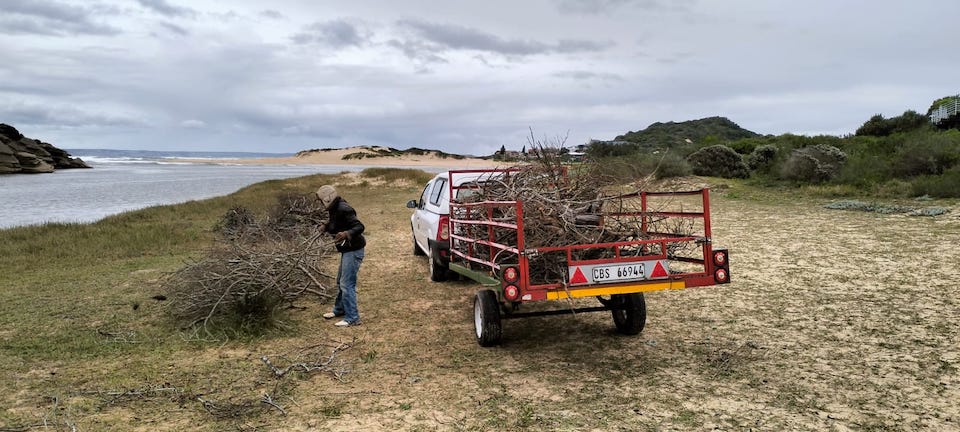
Rooikrans Removal at Groot Brak Beach.
Local volunteers play a key role in these initiatives, often participating in organised clean-up events, and taking ownership of their immediate surroundings.
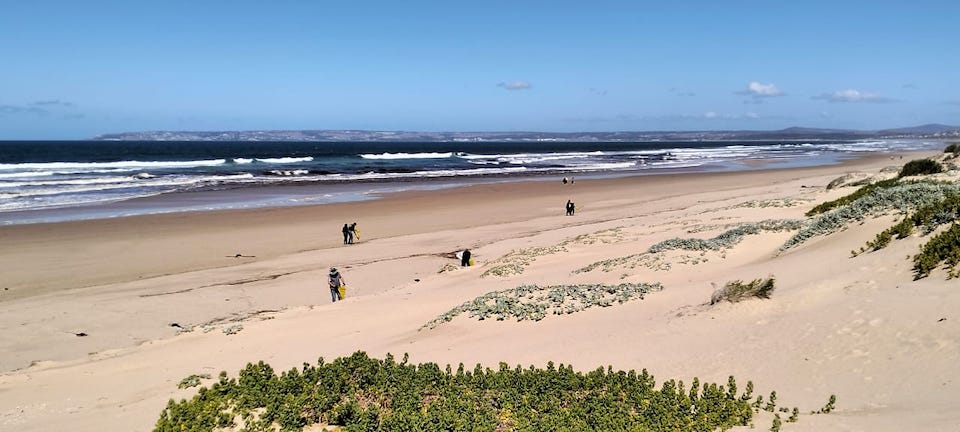
Volunteers gather for the monthly beach clean-up on Groot Brak Beach.
In addition to invasive species management, the Conservancy has implemented impactful waste-reduction initiatives, such as the monthly beach clean-ups at the Great Brak River Estuary. Volunteers gather regularly to remove waste from the coastline, collecting everything from plastics to harmful debris.

Plastic bottle tops collected.
To date, these efforts have led to the collection of over six tons of bottle tops, a testament to the widespread environmental damage caused by plastic waste.
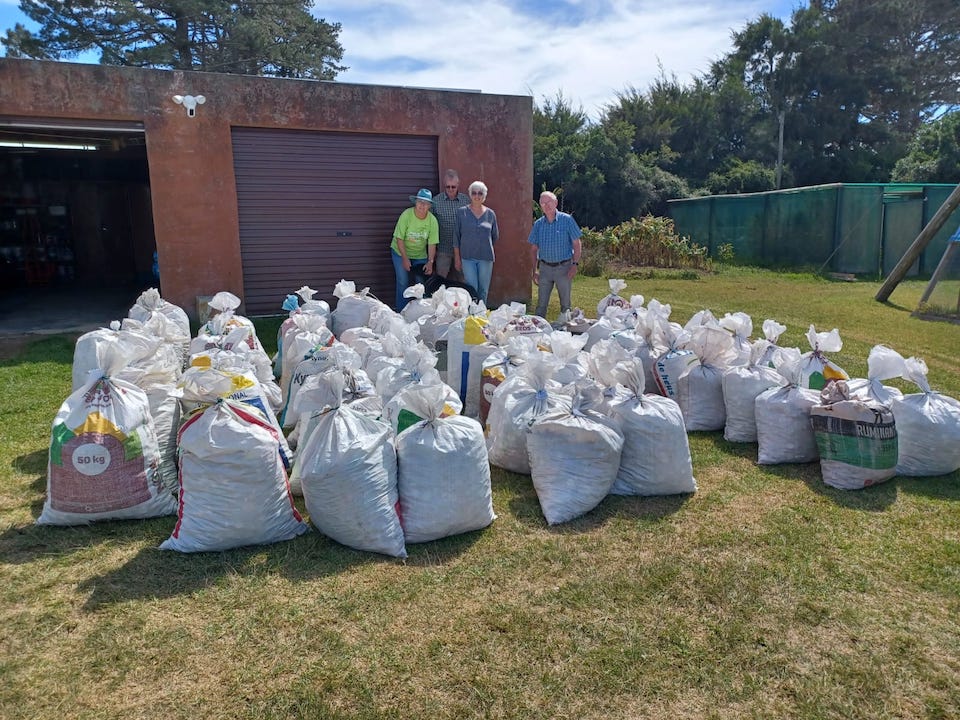
To date, over 6 tons of bottle caps have been gathered, contributing to important environmental efforts aimed at reducing plastic waste.
One has to have a river before one can create a bridge
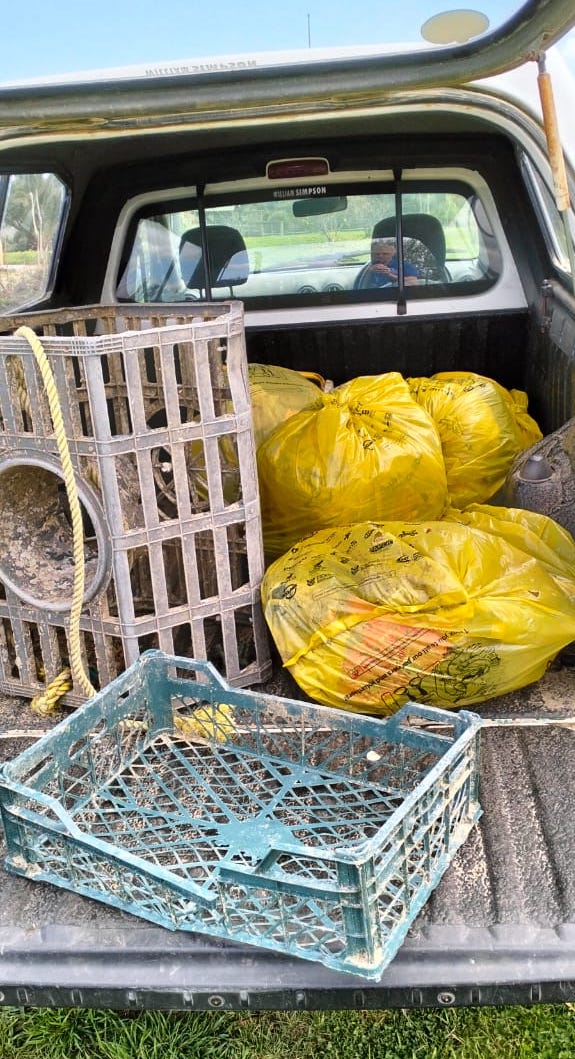
Items collected during the monthly beach clean-up at Groot Brak Beach.
The road to conservation is never without obstacles. “Money,” Scott admits, is one of the primary barriers to facilitating change. Securing adequate financial resources has always been one of the toughest challenges in his conservation journey. “You can’t make progress without funding,” he notes.
But funding isn’t the only hurdle; pushback from various sectors of society can also pose challenges. Different priorities, lack of understanding, and sometimes resistance to change can slow progress. However, Scott views these challenges as opportunities for growth.
“One has to have obstacles,” Scott reflects. “One has to have a river before one can create a bridge.” This mindset has driven him to focus on collaboration, recognising that the success of any conservation effort depends on working closely with local businesses, authorities, and community members. “The personal relationships are what make things easier,” he explains. “It provides motivation. It provides a backing board. It provides reason to carry on.”
Inspiring the next generation: Reconnecting youth with the environment
He emphasises that young people must be taught to see opportunities in the challenges that climate change presents, turning threats like plastic waste and invasive species into avenues for growth and employment.
For Scott, the future of conservation lies with the youth. But reconnecting young people with their environment is no small task. As a society, Scott believes that South Africans, in particular, have lost their connection to the land. “A lot of us have lost that connection to our environment and we need to re-establish that bond.”
Education is key to this reconnection. Scott advocates teaching young people the value of their environment and how it can serve as a catalyst for change. “You are never too small to make a difference,” Scott advises. “Start by looking after your own community a bit better, and from there, the change will happen.”
By understanding that the environment provides opportunities, Scott believes young people can change their perspective and take meaningful action. His advice to aspiring conservationists is simple: “Seize the opportunity. Get off your ass and do it.”
In a world that often feels divided and fragmented, Scott’s message is clear: change starts with one person, one action, one step.
As Scott continues to inspire and lead through his actions, one thing is clear: the future of conservation is in good hands with individuals like him who understand that true change begins within ourselves and the communities we serve.
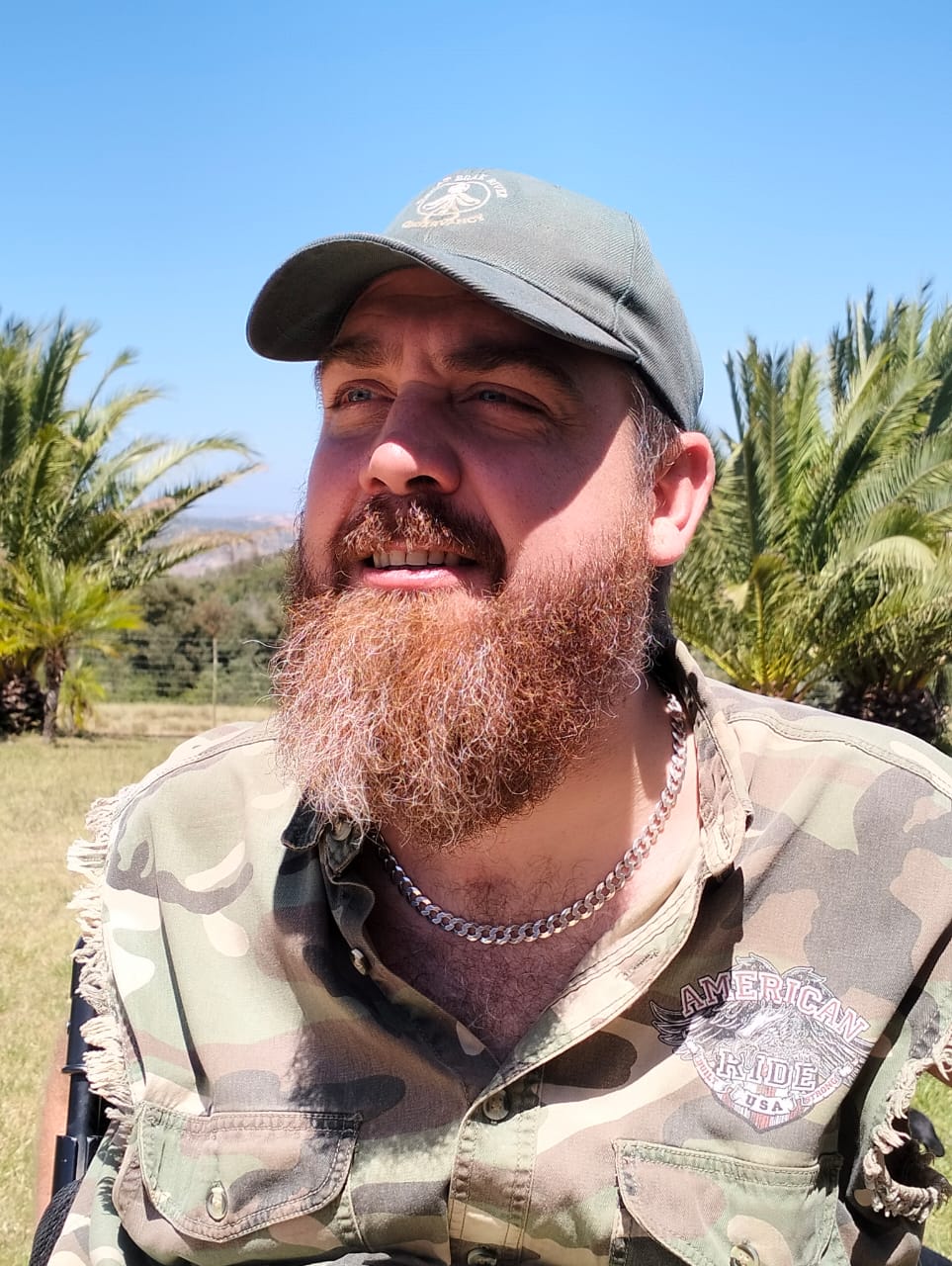
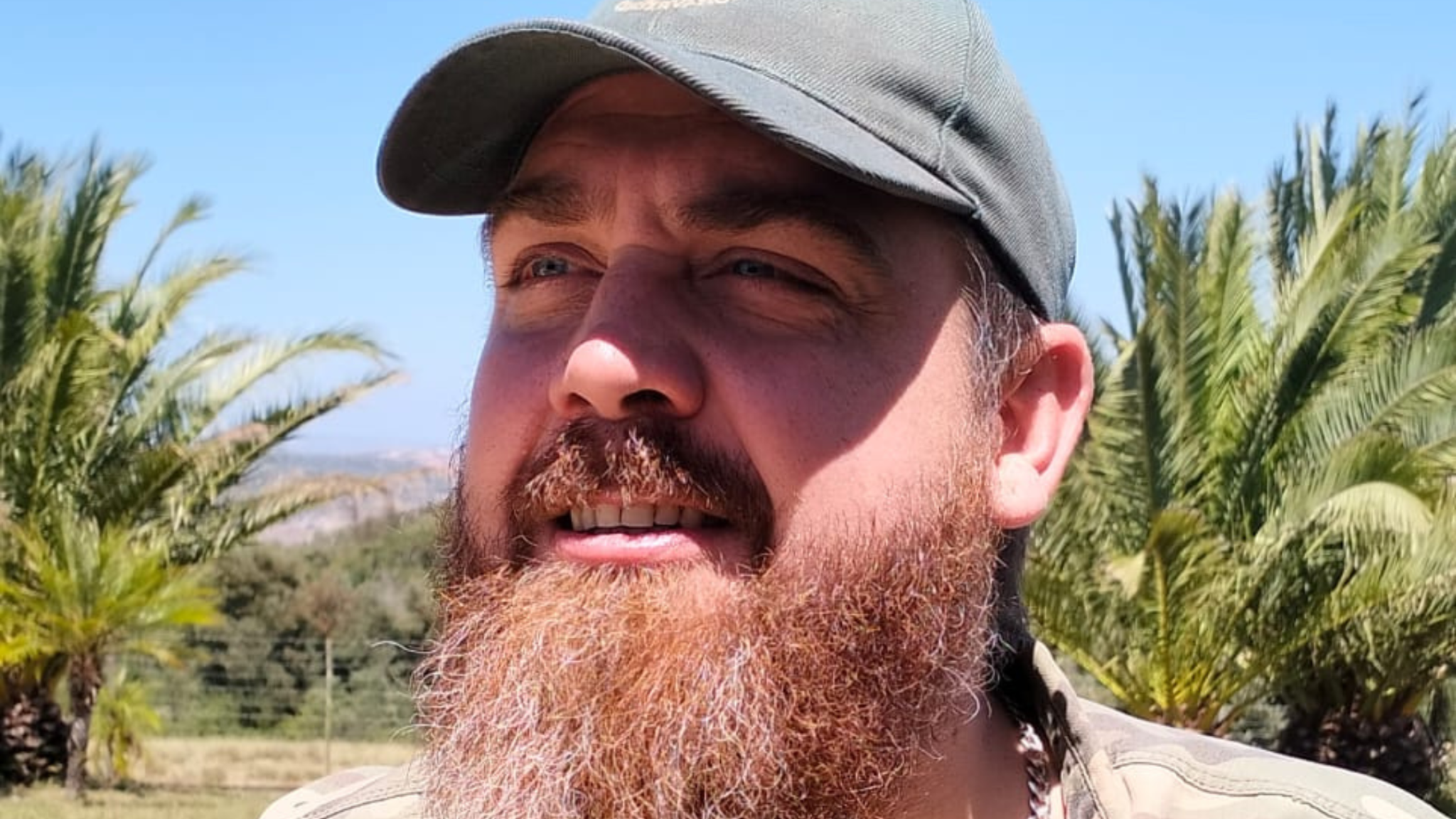
Scott Thomson, captured here in a moment of reflection, embodies the spirit of dedication and passion for conservation.
Call to action: Join the movement for change
If you’re inspired by Scott’s work and would like to learn more about how you can make a meaningful impact, here are some ways to get involved:
1. Volunteer or support local conservation efforts
Organisations like the Great Brak River Conservancy, where Scott has makes his mark, are always in need of passionate volunteers and supporters. Whether it’s participating in your own local community clean-ups, helping with alien vegetation removal, or donating to a cause, your involvement can make a difference. Visit www.facebook.com/greatbrakriverconservancy to learn more about their community initiatives.
2. Support sustainable conservation practices
The future of conservation depends on sustainable practices that consider both environmental and community needs. Check out resources on sustainable land management and ecosystem restoration:
- The Nature Conservancy offers insights into sustainable conservation practices around the world. Visit The Nature Conservancy to learn more.
- World Wildlife Fund (WWF) offers tips on how to live more sustainably and support conservation efforts.
Would you like to learn more about Scott’s career journey from culinary arts to conservation? Read his story in Switching paths: From culinary arts to conservation leadership.
Are you interested in making a career switch like Scott, or even leading a conservation organisation? These Conservation Careers resources could help you make it a reality:
- Webinar | How to switch careers into conservation
- How to switch careers into conservation | Top ten questions answered
- Switching careers into conservation | A snapshot of jobs
- Organisational Manager | Running organisations that conserve nature
Author Profile | Stephanie Nicolaides
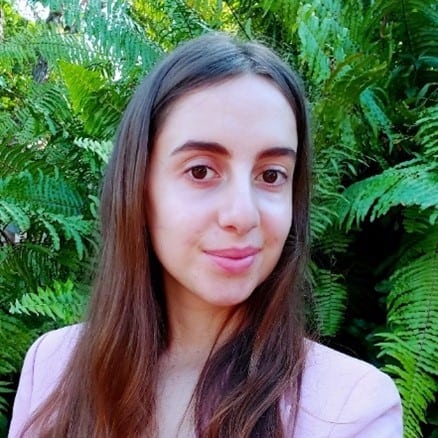 Stephanie Nicolaides is a dedicated PhD candidate in Environmental Management at the University of the Western Cape. Her research delves into the impact of plastic pollution on the Mossel Bay coastline (South Africa), with a particular focus on the effects on marine biodiversity. Her work focuses on assessing plastic presence, local knowledge, and developing sustainable solutions. Stephanie holds an MSc in Life Sciences from the University of South Africa, where her dissertation examined the behavioural ecology of African clawless otters. She also earned her BSc Hons in Life Sciences, graduating cum laude, with an honours project on personality in Leopard Tortoises. Passionate about environmental sustainability, Stephanie is committed to advancing knowledge in marine biology and contributing to efforts to protect and preserve coastal ecosystems. Connect with Stephanie on LinkedIn.